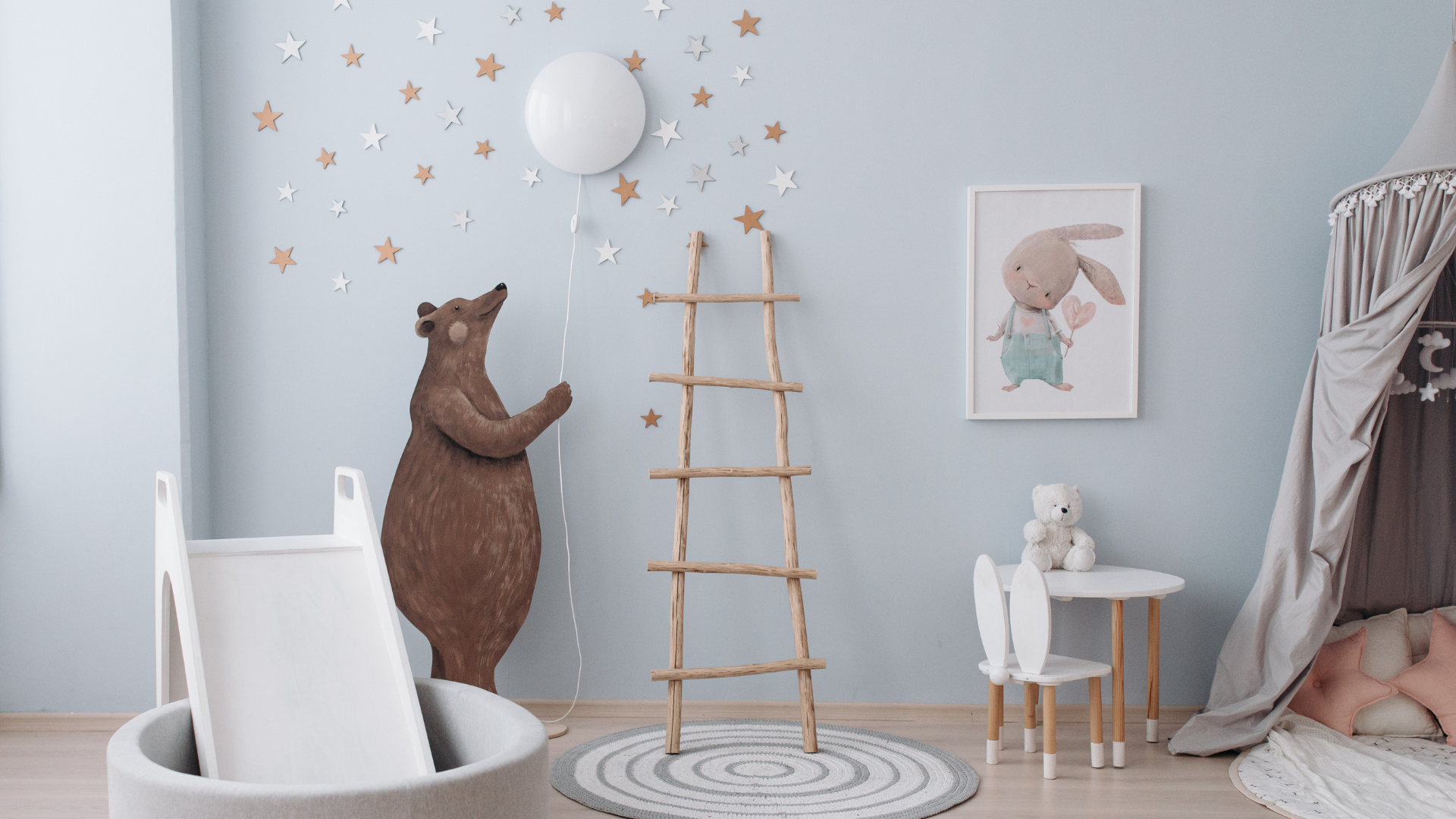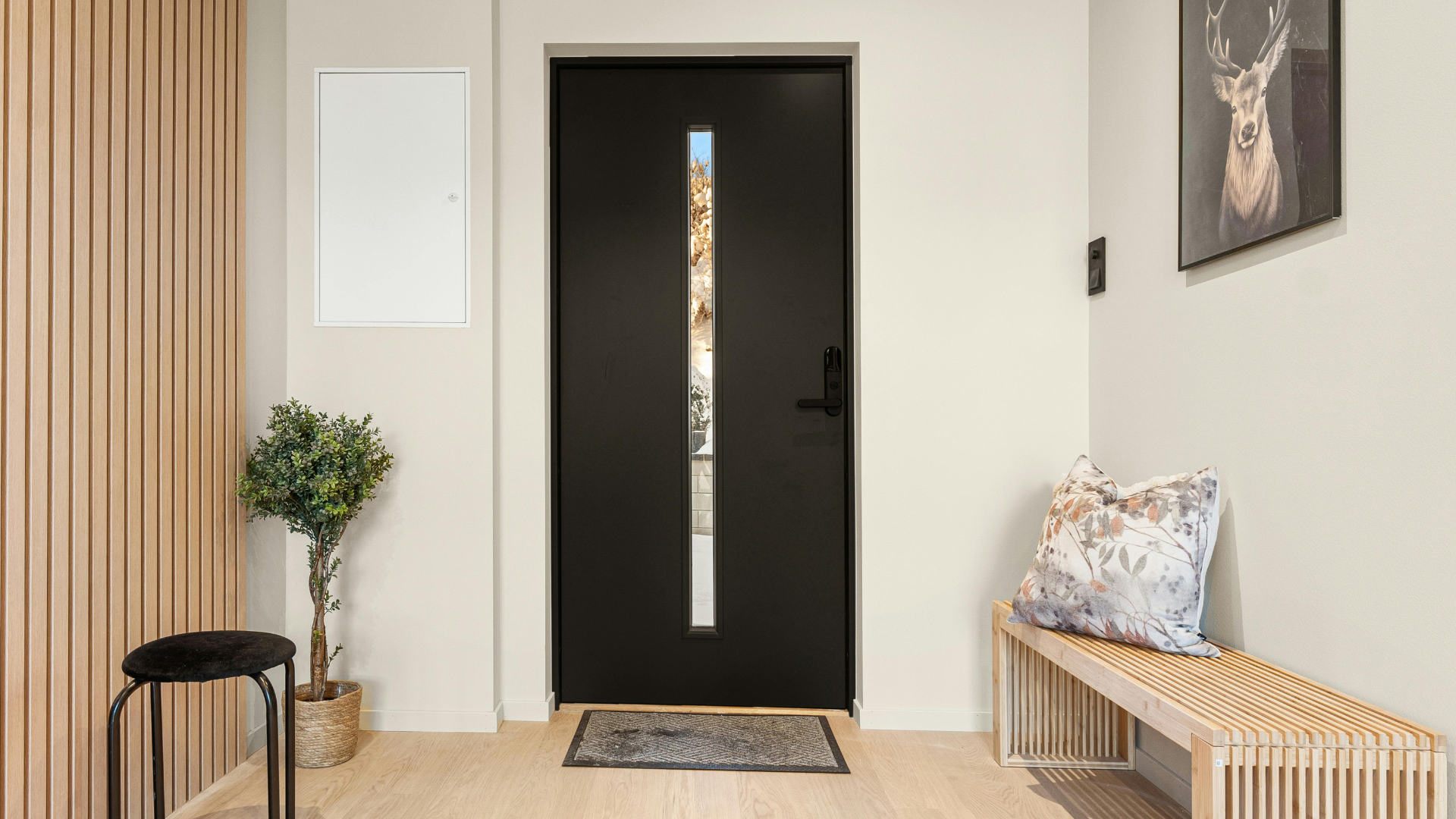
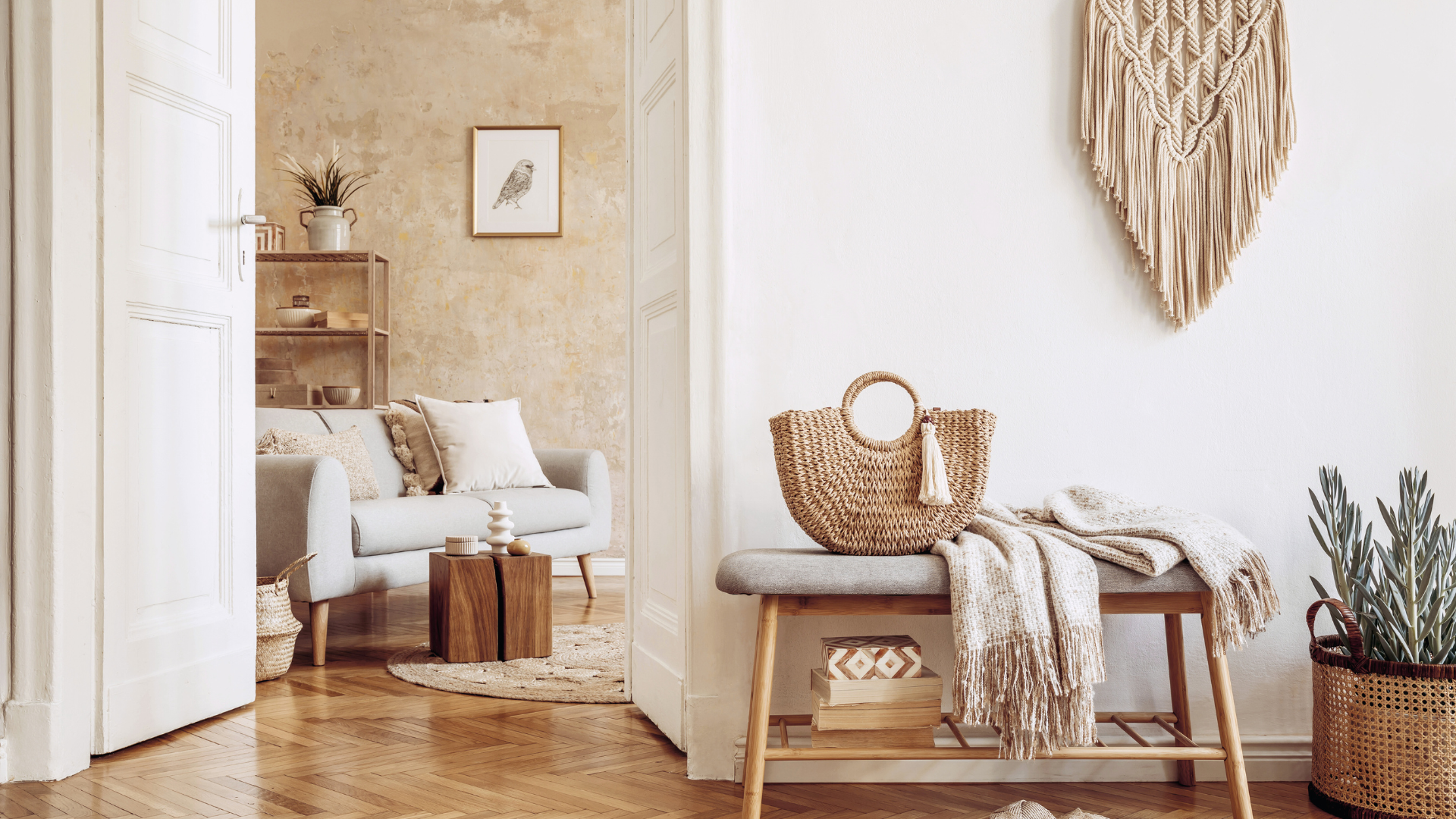
How to Childproof Your Home Without Losing Style: A Guide for Modern Families

Creating a safe environment for children does not mean sacrificing style. By choosing stylish safety solutions and incorporating clever design elements, parents can effectively childproof their home while maintaining an aesthetic appeal. This balance allows homes to remain inviting and elegant, even with the added precautions for little ones.

Parents often face challenges when it comes to safety features that clash with their décor. Simple modifications, like using decorative storage solutions for toys and choosing furniture with rounded edges, can enhance safety without compromising design. With careful planning, an attractive and safe home is entirely achievable.

Childproofing can feel daunting, but it is possible to achieve both safety and style. Thoughtful choices in colors, materials, and layouts can transform a home into a space that is both functional for children and appealing to adults. Embracing this approach ensures that homes remain beautiful, welcoming, and safe for every family member.

Fundamentals of Stylish Childproofing

Creating a safe home while maintaining aesthetic appeal requires a careful balance. Key strategies include assessing hazards with a design perspective, prioritizing discreet solutions, and blending safety features seamlessly into interior aesthetics.

Assessing Hazards With a Design Eye

When it comes to childproofing, a detailed assessment of hazards is essential. This involves identifying potential risks in various rooms, such as sharp edges, breakable items, and accessible appliances.

Tips for Assessment:

  • Inspect furniture for sharp corners, particularly in play areas.
  • Evaluate the location of electrical outlets and cords.
  • Check for choking hazards like small decorative items within reach.

Keeping design in mind, one can select stylish guards or covers that suit the overall theme. Using materials that blend with existing decor can keep spaces both safe and visually appealing.

Prioritizing Discreet Childproofing Solutions

Childproofing does not need to detract from home aesthetics. Discreet solutions allow for safety without compromising style. Look for items that are functional yet blend into the design.

Examples of Discrete Solutions:

  • Outlet Covers: Choose ones that match the wall colors or switch plates.
  • Furniture Anchors: Many come in designs that complement furniture styles.
  • Cabinet Locks: Opt for options that are hidden or integrated seamlessly.

Utilizing these solutions enables peace of mind while preserving the home’s natural elegance.

Blending Safety With Interior Aesthetics

Creating a safe environment can be stylish. By considering both safety and design, one can achieve an aesthetically pleasing space that is simultaneously child-friendly.

Integrating Safety Features:

  • Use decorative storage solutions to hide toys and sharp objects.
  • Select soft furnishings with rounded edges that enhance comfort.
  • Incorporate area rugs that provide a cushioning effect while matching the room’s decor.

Being intentional with choices in safety features allows a homeowner to craft a visually cohesive environment that supports both adult and child needs.

Furniture and Soft Surface Solutions

Creating a stylish yet childproof home involves selecting the right furniture and soft surfaces. By focusing on items that combine safety and aesthetic appeal, it is possible to maintain a beautiful living space without compromising on child safety.

Selecting Furniture With Rounded Edges

Furniture with rounded edges minimizes the risk of injury in homes with active children. Sharp corners can pose hazards, so opting for designs that feature curves or rounded profiles is essential.

When shopping, look for items such as coffee tables, side tables, and shelving units made from materials like solid wood or foam. These materials are not only durable but also provide a softer impact if a child bumps into them.

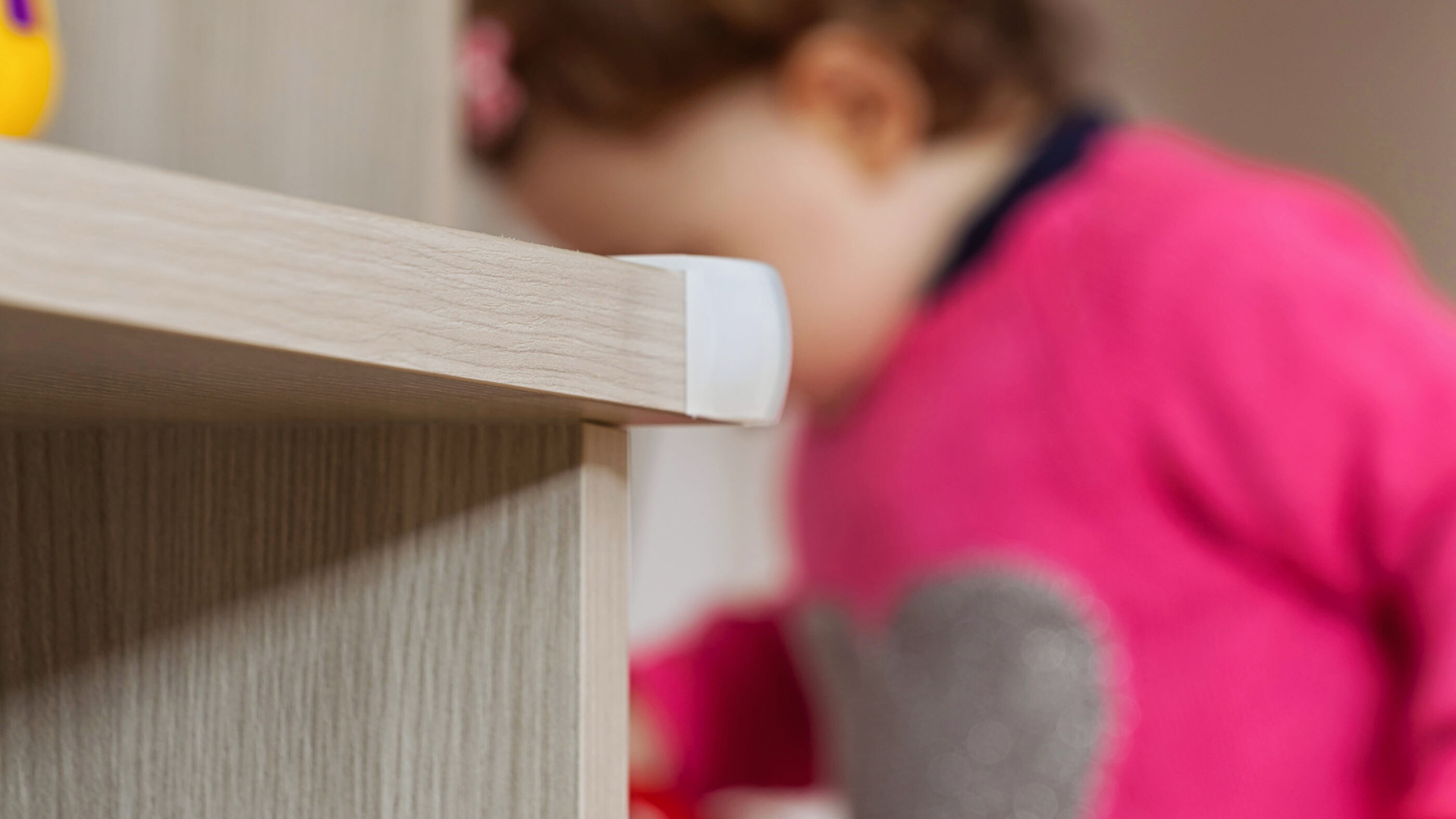
Corner guards can also enhance safety. They can be easily attached to sharp furniture edges, adding an extra layer of protection without detracting from the design.

Using Upholstery and Cushions for Safety

Soft upholstery can offer a safe environment for children while complementing modern decor. Fabrics like microfiber and cotton are both stylish and easy to clean, making them ideal choices for households with kids.

Consider selecting upholstered furniture that features removable covers. This allows for quick cleaning of spills or stains, ensuring that the furniture remains presentable.

Cushions can also create safe play zones on the floor. Floor cushions or soft ottomans provide comfortable seating and a safe place for children to play without the risk of injury from hard surfaces.

Decorative Rugs for Traction and Comfort

Rugs serve multiple purposes in a childproof home. Aside from adding an aesthetic touch, they provide traction and comfort that can prevent slips and falls.

Choose rugs with non-slip backs to keep them securely in place. Materials like low-pile chenille are soft but also durable enough to withstand heavy foot traffic.

When selecting colors and patterns, consider those that can hide stains well, such as darker shades or busy designs. These styles blend practicality with visual appeal, ensuring that the rug remains a stylish focal point in the room.

Choosing Stylish Storage for Toys

Effective toy storage helps maintain a tidy environment while ensuring that playthings are easily accessible. Stylish storage solutions can integrate seamlessly into home decor.

Baskets made from natural fibers or decorative bins can hold toys while adding texture to a room. Labels can help children learn where to place their items, encouraging organization from a young age.

Consider furniture pieces with built-in storage, such as ottomans or coffee tables with hidden compartments. These options keep toys out of sight and double as functional pieces of decor, merging safety and style effectively.

Discreet and Modern Safety Features

Home safety can marry functionality with aesthetics. Various modern solutions allow for security measures that blend seamlessly into the home’s design, ensuring a child-friendly environment without compromising style.

Magnetic Cabinet Locks and Magnetic Locks

Magnetic cabinet locks provide a sleek way to secure kitchen and storage spaces. Unlike traditional locks, these are often invisible from the outside, ensuring cabinetry looks intact and stylish. They rely on a small magnet to keep doors secure.

These locks require a special key or magnet to unlock, preventing children from accessing potentially hazardous items. Installation is generally straightforward and does not damage cabinetry. Parents can enjoy peace of mind while maintaining the elegance of their home.

Incorporating Stylish Safety Gates

Safety gates are essential for managing access to potentially dangerous areas like staircases. Modern safety gates now come in a variety of designs and finishes that can complement home décor. Many feature wood or metal finishes that align with contemporary styles.

When selecting a gate, features such as movable or retractable designs are available. This flexibility allows parents to use gates selectively and store them away when not in use. The right safety gate can enhance a space rather than detract from it.

Natural Barriers and Built-In Storage

Using natural barriers presents an elegant solution to childproofing. For example, plants or furniture placement can effectively deter children from wandering into unsafe areas without looking manufactured or forced.

Built-in storage solutions, like benches with storage space, offer functionality while keeping items organized. These pieces can be selected to fit the room’s aesthetic and serve double duty, minimizing clutter while securing items children shouldn’t access.

Clear or Flush Outlet and Edge Protection

Safety features for outlets and edges can be both subtle and effective. Using clear or flush outlet covers minimizes interruption in the visual flow of a room. These options ensure that electrical outlets remain secure without bulky, unsightly covers.

Edge protection can be integrated into furniture design, maintaining a streamlined look while protecting children. Many furniture manufacturers now offer polished edges that prevent accidents without appearing overtly protective, blending safety with style.

Design-Forward Child Safety Enhancements

Creating a safe home while maintaining style requires thoughtful choices in decor and materials. The following enhancements focus on secure arrangements, the use of non-toxic materials, and adaptability for growing families.

Elevating and Securing Decor

To ensure safety without sacrificing style, decorators can elevate and secure decor items. Utilizing wall shelves for decorative pieces keeps them out of reach and reduces the risk of tipping. Opting for anchored furniture, like bookshelves or dressers, adds stability.

Furniture that includes storage solutions can minimize clutter, preventing trips and spills. Consider cabinets with locks for keeping dangerous items, like cleaning supplies, securely stored yet aesthetically pleasing.

Incorporating stylish storage baskets helps maintain a neat look while making toys accessible. These strategies allow for a chic atmosphere that supports a safe environment.

Non-Toxic and Natural Materials

Choosing non-toxic and natural materials is essential for a childproof home. Fabrics such as organic cotton or hemp provide a safe option for upholstery, as they are devoid of harmful chemicals.

Flooring should prioritize safety and comfort; options like bamboo or cork are eco-friendly and resilient against wear. These materials contribute to a healthy indoor environment, reducing exposure to toxins.

When selecting paints and finishes, opting for low-VOC or zero-VOC options protects air quality. This approach not only supports safety but also ensures that aesthetics aren’t compromised.

Adapting as Your Family Grows

Childproofing is not a one-time task; it evolves with the family. As children grow, the home needs to adapt accordingly. It’s important to reassess safety measures regularly.

Incorporating design elements that can serve multiple functions supports both style and safety. For instance, a sturdy coffee table can double as a play space when designed correctly.

Utilizing modular furniture allows families to rearrange as needed, maintaining safety alongside evolving tastes. This flexibility ensures that homes remain chic and practical, no matter the age of their inhabitants.

How to Adapt Your Home Maintenance Routine for Changing Seasonal Climates

How to Adapt Your Home Maintenance Routine for Changing Seasonal Climates

Many home maintenance recommendations imply that your house doesn’t change or react to its environment. Clean the gutters. Trim back bushes from the foundation. But houses are dynamic structures, not shrubs. Transitions are the most critical times for home maintenance. The week in spring when it goes from sunny and mild to seven days of torrential rain, the week in autumn when the first cool day turns into ten days of freezing temperatures, revealing that you are unprepared – that’s when your house will cost you.

Preparing Your HVAC System Before The Season Arrives

Transitioning your system is not a single-switch task. Before you fire up the air conditioner for the first time in months, step outside and give the outdoor condenser unit a good once-over. Make sure it’s clear of vegetation that may have sprouted up during the off-season – overgrown plants are one of the top causes of poor system performance in hot weather. Use a garden hose to spray off the coils and remove dust and dirt from the inside out, if possible.

Then, replace the filter. This is the maintenance task proven to have the most measurable effect on your energy bill: A clean filter can lower your AC’s energy consumption by 5% to 15% (U.S. Department of Energy). If you or anyone in your home has allergies, use a filter with a higher MERV rating; anything in the 8 to 13 range will help protect against pollen and other allergens without restricting airflow.

For areas with sweltering, arid summers and frigid winter temperatures, you likely need to schedule professional maintenance for both systems at least once a year. Local experts offering Air Conditioning Services Canberra will pressure-test refrigerant levels, inspect electrical connections, and confirm the system can handle extended high-demand operation without failing mid-heatwave.

Tightening The Thermal Envelope Before Cold Weather Hits

The thermal envelope of your dwelling – the walls, roof, windows, and doors that separate inside from outside – dictates how hard your heating system has to work. A well-sealed envelope means the system cycles less and runs more efficiently. A leaky one means you’re paying to heat the outdoors.

Just before winter, walk the perimeter of your home and check all weatherstripping. If you can feel cold air at the edges of a closed door, that seal is failing. It’s a cheap fix and one of the highest-return DIY jobs you can do. While you’re at it, check attic insulation – attics are where heat escapes most readily, and inadequate insulation directly results in higher heating costs during cold snaps.

If your abode employs a heat pump rather than separate heating and cooling units, it still needs seasonal attention. Heat pumps are efficient across a broad temperature range, but they don’t perform well when coils are dirty or refrigerant is low. The same professional service that checks your cooling system should apply to the heating function.

Gutters, Roofing, and Water Management

Water damage caused by seasonal changes can happen gradually but result in high repair costs. For instance, when your gutters get blocked by leaves, they tend to fill up and overflow when it rains heavily. This then leads to water getting pushed against the fascia and eventually making its way into the wall cavity. In cold weather regions, any water that is trapped in the gutter and seeps into your roof can freeze, resulting in ice damming. This causes water to seep in under the roof tiles and into your home.

Clean your gutters at least twice a year to prevent this from happening. Make sure to clean them once in late autumn after all the leaves have fallen and then again in early spring. While you’re at it, check your roof too. Tiles that are missing, cracked, or beginning to curl can be easily replaced and are relatively inexpensive fixes if caught early enough.

DIY Tasks Versus Professional-Only Tasks

It is crucial to find the right balance in what you can manage and what should be handled by a professional to ensure both safety and the extended life of your systems.

Repairs you can do yourself include: testing smoke and carbon monoxide alarms, cleaning HVAC vents and grilles, replacing air filters, clearing condenser units, cleaning gutters, checking weatherstripping, and flushing water heaters.

Professional repairs include: checking and topping up refrigerant, inspecting and cleaning ductwork for leaks, testing electrical connections in HVAC units, and roof repairs that involve steep pitches.

Refrigerant and electrical work should be left to the pros not just because of regulations but because mistakes in those areas can quickly lead to expensive repairs. A refrigerant leak can destroy a compressor, and a loose electrical connection in an HVAC unit can start a fire. It’s cheaper to have a professional in once a year than to call them out for an emergency.

A Programmable Thermostat Is A Maintenance Tool, Not A Luxury

If you haven’t done so already, a practical step to reduce wear on your HVAC system is installing a programmable thermostat. If you can have the heat or AC ease off when you’re not home, then your system is running fewer total cycles across the season. Fewer cycles means less mechanical wear over time. It’s not a substitute for proper servicing, but it will at least extend the intervals between problems.

But beyond that, it’s too easy to treat "seasonal home maintenance" as something you just go down the list for twice a year. The bi-annual list is just there to make you remember what can go wrong if you forget about those things the rest of the year.

How to Choose the Best Flooring for Your Home: Key Factors to Consider

Choosing the right flooring for a home involves considering various factors, including lifestyle, aesthetics, and budget. To select the best flooring, it is essential to assess the room’s usage, the presence of pets or children, and the desired maintenance level. Each flooring option offers different advantages, making informed decision-making crucial for long-term satisfaction.

Homeowners should explore various materials, such as hardwood, laminate, tile, and carpet, each presenting unique benefits and drawbacks. For instance, hardwood adds elegance and durability, while tile is ideal for high-moisture areas. Understanding these characteristics allows for a more tailored choice that enhances the home’s functionality and style.

Ultimately, investing time in researching and evaluating different flooring types empowers homeowners to create spaces that reflect their needs and preferences. With the right approach, selecting flooring can transform a home, enhancing comfort and value.

Key Factors to Consider When Choosing Flooring

Selecting the ideal flooring requires attention to several essential elements. Durability, moisture resistance, cost, and maintenance needs significantly influence the decision-making process. Understanding these key factors helps ensure a satisfying choice that suits both lifestyle and budget.

Durability and High-Traffic Areas

Durability is a crucial factor in flooring selection, especially in high-traffic areas like entryways and living rooms. Flooring types such as ceramic tiles, vinyl, and laminate are known for their resilience against scratches, dents, and wear.

  • Carpet might not withstand heavy foot traffic as well, leading to quicker replacement needs.
  • Evaluate materials based on the PEI rating, which measures resistance to abrasions. A higher rating indicates better durability.

Considering the daily activities in a household can guide choices; families with pets or children should prioritize tougher materials.

Moisture and Water Resistance

Moisture resistance is vital in spaces prone to spills or humidity, such as bathrooms and kitchens. Water-resistant options, like luxury vinyl plank, ceramic tile, and laminate, prevent damage from spills and moisture buildup.

  • Engineered wood is another excellent choice for its durability while still providing the appearance of natural wood.
  • Evaluate the AC rating for laminate, as a higher rating signifies better moisture resistance.

Proper installation, including waterproof underlayment, further enhances a floor’s ability to withstand moisture.

Flooring Cost and Budget

Flooring costs vary considerably, with some materials offering affordability while others provide long-term investment benefits.

  • Carpet can range from $1 to $5 per square foot, making it a budget-friendly option.
  • Hardwood, on the other hand, may cost between $5 $15 per square foot, but can last for decades if properly maintained.

When considering the budget, factor in potential installation costs and material longevity. A higher upfront investment in durable flooring can lead to lower long-term expenses due to reduced maintenance and replacement needs.

Maintenance and Longevity

Maintenance requirements directly influence the longevity of flooring options. Low-maintenance materials, such as tile and vinyl, are ideal for busy households. These floors typically require simple cleaning routines and minimal upkeep.

  • In contrast, natural wood may require periodic refinishing and special cleaning products.
  • Assess how much time and effort can be devoted to maintaining the flooring to ensure it remains in good condition over time.

Understanding the specific maintenance needs can lead to more informed decisions, ultimately contributing to a better living environment.

Overview of Popular Flooring Options

Selecting the right flooring involves understanding the various materials available. Each type of flooring offers distinct advantages and considerations, catering to different preferences and requirements.

Hardwood Floors and Engineered Wood Flooring

Hardwood flooring is a classic choice, known for its durability and timeless appeal. Available in species like oak, maple, and cherry, it enhances the aesthetic of any room. Routine maintenance, including refinishing, helps maintain its appearance.

Engineered wood flooring consists of multiple layers, with a real wood veneer on top. This makes it more resistant to moisture and temperature changes, making it suitable for areas where solid wood may not perform well. Both options offer a range of finishes and colors.

Laminate, Vinyl, and Resilient Flooring

Laminate flooring mimics the look of wood or stone at a lower price point. Made of composite materials, it is resistant to scratches and easy to install. With many styles available, it is a popular choice for homes with pets or high foot traffic.

Vinyl flooring, including luxury vinyl tiles (LVT) and luxury vinyl planks (LVP), offers water resistance and a variety of designs. Suitable for kitchens and bathrooms, it can replicate the look of wood or stone while being soft underfoot.

Resilient flooring encompasses a broader category, combining properties of both laminate and vinyl. It is comfortable, durable, and easy to clean, making it ideal for a range of applications.

Tile, Stone, and Concrete Floors

Tile flooring comes in materials like porcelain and ceramic, offering versatility in design and durability. Porcelain tiles are dense and water-resistant, making them ideal for wet areas. They can be used for walls and floors, providing a cohesive look.

Stone flooring, such as marble, limestone, travertine, and slate, adds elegance and value to a home. Each stone type offers unique characteristics; for instance, slate is durable, while marble provides a polished finish.

Concrete flooring is increasingly popular due to its modern aesthetic and durability. It can be stained or polished to achieve various looks and is suitable for both indoor and outdoor applications.

Carpet and Cork Flooring

Carpet provides warmth and comfort, making it ideal for bedrooms and living areas. Available in a wide range of fibers, colors, and patterns, it can enhance sound insulation and is often easy to install.

Cork flooring is an eco-friendly option that offers a soft feel underfoot. Its natural thermal properties keep spaces warm, while its resilience makes it suitable for high-traffic areas.

Both carpet and cork have benefits worth considering when selecting the right flooring for specific spaces within a home.

How to Match Flooring to Room Function

Selecting the right flooring for each room enhances both aesthetics and functionality. Different spaces require specific flooring characteristics to accommodate their unique needs.

Best Flooring for Living Rooms and Bedrooms

Living rooms and bedrooms benefit from flooring that balances comfort, style, and durability. Carpet is a popular choice, providing warmth and sound insulation. It is ideal for creating a cozy atmosphere.

Hardwood floors and engineered wood flooring offer elegance and can enhance the aesthetic appeal. They are durable and easy to maintain. A suitable finish can protect against scratches.

For a more modern look, luxury vinyl tile mimics wood or stone but is easier to maintain. It is resistant to moisture and scratches, making it suitable for busy households.

Ideal Solutions for Kitchens and Bathrooms

In kitchens and bathrooms, flooring must withstand moisture and heavy foot traffic. Tile flooring is an excellent choice for these areas. It is water-resistant, durable, and easy to clean.

Vinyl flooring offers versatility and comfort underfoot. It is cost-effective, comes in various designs, and is resistant to spills.

Consider slip-resistant options for safety, especially in bathrooms. Many modern tiles and vinyl products provide both style and practicality, making them ideal solutions.

Flooring Choices for Basements and Laundry Rooms

Basements and laundry rooms often face unique challenges, including moisture and lower temperatures. Vinyl flooring is a smart option here as it is water-resistant and easy to install.

Tile flooring can also perform well in these spaces due to its durability and moisture resistance. Both options can help create a functional space that stands up to high humidity.

Install proper underlayment when using engineered wood flooring in basements. This adds insulation and moisture protection. It’s important to ensure any flooring selected can handle potential water exposure in these areas.

Environmental and Practical Considerations

When selecting flooring, it is essential to weigh environmental impacts alongside practical factors. This involves examining sustainability certifications and ensuring purchases are made from reputable sources.

Sustainability and FSC Certification

Sustainability is a significant concern when choosing flooring materials. Opting for products with Forest Stewardship Council (FSC) certification ensures that the wood originates from responsibly managed forests.

FSC certification involves strict guidelines to promote sustainable forestry practices. This includes maintaining biodiversity, protecting water resources, and respecting the rights of local communities. Choosing FSC-certified products can contribute to environmental preservation and reduce the impact of deforestation.

In addition to wood, there are various sustainable flooring options available, such as bamboo, cork, or recycled materials. Each of these materials offers unique benefits while minimizing environmental harm.

Buying from Reliable Flooring Retailers

Purchasing flooring from reputable retailers can significantly affect both the quality and ethical standards of the products. Reliable retailers often prioritize customer service, product knowledge, and transparency about sourcing.

It is advisable to research retailers and seek those that demonstrate a commitment to sustainability. Many trustworthy companies provide information on their supply chains and environmental practices. This transparency can aid consumers in making informed choices.

Additionally, reputable retailers often offer warranties and after-sales support, which can enhance the practicality of a flooring purchase. Prioritizing these factors ensures that the chosen flooring meets both aesthetic and functional needs while adhering to environmental considerations.

How to Decorate with Secondhand Finds: Create Unique Spaces on a Budget

Finding unique items for home decor can be a rewarding experience. Decorating with secondhand finds allows individuals to express their style while being environmentally conscious and budget-friendly. Thrift stores, garage sales, and online marketplaces offer treasures that can be transformed into standout pieces in any space.

Creativity plays a key role in utilizing these secondhand items. Mixing vintage pieces with modern decor can create an eclectic yet cohesive look. Individuals can turn a rusted ladder into a bookshelf or an old trunk into a coffee table, showcasing their personality and resourcefulness.

Incorporating secondhand finds into home decor also supports sustainable practices. By giving new life to discarded items, people contribute to reducing waste and promote a circular economy. This approach not only enhances personal spaces but also fosters a sense of community and shared value.

Finding Unique Secondhand Finds

Secondhand shopping offers a treasure trove of unique home decor options. Identifying quality pieces and knowing where to look can enhance any space with character and charm.

Best Places to Source Thrift Store Decor

The most promising thrift store finds often come from specific locations.

  • Local Thrift Stores: Chains like Goodwill and Salvation Army frequently refresh their inventory. Smaller, independent shops may also offer hidden gems.
  • Estate Sales: These can provide high-quality vintage pieces at reasonable prices. Attending early ensures access to the best items.
  • Garage Sales: Neighborhood garage sales often have unique, inexpensive items. Look for listings on community boards or online platforms.
  • Flea Markets and Swap Meets: These venues typically feature a mix of antiques and upcycled goods. Vendors often negotiate prices, making it a great place for deals.

How to Identify Quality Pieces

Recognizing quality is essential when thrifting.

  • Material Matters: Solid wood and metal pieces tend to last longer than plastic and particleboard.
  • Condition Check: Inspect items for scratches, stains, or structural damage. Small repairs can be acceptable, but avoid anything too damaged.
  • Brand Recognition: Familiarity with reputable brands can help. Names associated with durability often indicate quality craftsmanship.
  • Style Compatibility: Consider how a piece fits into existing decor. Unique items should complement the overall aesthetic without feeling out of place.

What to Look For When Thrifting

Successful thrifting requires attention to detail.

  • Distinctive Features: Look for items with unique designs, such as unusual shapes or colors, that can serve as conversation starters.
  • Functionality: Ensure that the items serve a purpose or can easily be adapted for one.
  • Scale and Size: Measure space before shopping. Items should fit comfortably within the intended area without overwhelming it.
  • Trendy vs. Timeless: While trendy items can add flair, classic pieces have lasting appeal. Balancing both types in a decor scheme can enhance visual interest.

By targeting the right places and knowing what to watch for, secondhand shopping becomes an enriching experience that transforms any space.

Defining Your Decorating Style With Thrifted Pieces

Utilizing secondhand finds offers an excellent way to express individual style while ensuring a unique decor approach. Focus on blending colors, mixing eras, and selecting key vintage items to create a cohesive atmosphere.

Choosing a Cohesive Color Palette

Establishing a color palette is essential for unifying thrifted finds throughout a space. Start by selecting two to three primary colors that resonate well together.

Using tools like color swatches or digital apps can help visualize how different shades interact. Consider picking colors that complement each other, such as muted tones or soft pastels. This will help vintage pieces harmonize with the overall decor.

Incorporate accents that reflect personal taste and adapt to the existing furnishings. A cohesive palette ties together various elements, allowing for a seamless transition between old and new pieces.

Mixing Old and New Items

Successfully blending vintage and contemporary items can elevate home decor. When integrating thrifted pieces, aim for balance. Large furniture can anchor the room, while smaller decor accents can provide contrast.

Select a few modern items to juxtapose with vintage finds. For example, using a sleek, modern sofa can make a retro coffee table feel even more distinctive.

Establishing a clear visual link, such as matching wood tones or similar textures, can ensure items feel intentional together. This thoughtful combination captures the unique charm of secondhand goods while embracing contemporary aesthetic trends.

Incorporating Statement Vintage Pieces

Incorporating vintage statement pieces can define a space and evoke character. Identify standout items like a bold art piece, a distinctive lamp, or an eye-catching piece of furniture.

These items can serve as focal points that draw attention and spark conversation. They should be strategically placed, such as in prominent areas like the living room or entryway.

Consider the story behind each piece. A vintage find can add depth and interest, enriching the overall decor narrative. By thoughtfully positioning these items, they can effectively anchor the room while allowing for other thrifted treasures to shine.

Creative Styling and Upcycling Ideas

Transforming secondhand finds into stylish decor pieces requires creativity and skill. By focusing on restoring furniture, upcycling accessories, and engaging in DIY projects, one can create unique touches that enhance home aesthetics.

Restoring and Refreshing Furniture

Restoring furniture involves both repair and aesthetic upgrades. Sanding down surfaces prepares them for new finishes. Using chalk paint is popular for its ease of use and matte finish.

When painting, consider the furniture’s original character. Distressing techniques can add charm, particularly to rustic pieces. For a fresh look, reupholstering chairs with vibrant fabric can breathe new life into a tired item.

Functional pieces can be adapted too. Adding new hardware or modifying shapes can enhance both usability and style.

Upcycling Decorative Accessories

Upcycling decorative accessories allows for personalized creativity. Thrift store finds, like vases or trays, can be easily transformed. A spray paint update can shift the focus of an item entirely.

For example, a glass vase can become a striking centerpiece with a metallic coat. Adding embellishments like rope or fabric can also create texture and interest.

Using table linens creatively is another approach. Layering mismatched cloth napkins can set a unique table setting, while placing objects on a stylish tray ties the look together.

DIY Projects for Personal Touches

DIY projects can infuse personality into a home. Creating wall art from secondhand frames allows for unique displays. Painting or adding fabric to the backing can unify a gallery wall.

Building custom shelving from reclaimed wood is another functional DIY. It maximizes vertical space and showcases favorite items. For extra flair, consider using brackets in a statement color.

Engaging with local thrift stores for materials can yield unexpected treasures. Items like wooden crates can easily become versatile storage or side tables when refinished or painted.

Displaying Thrift Store Finds

Displaying finds from thrift stores is an art in itself. Instead of hiding them away, incorporate them into everyday spaces. Grouping items in clusters can enhance visual appeal and storytelling.

Arrange decorative trays with themed objects, such as vintage books alongside potted plants. This method curates a lived-in feel while maintaining style.

Vases can be displayed in various ways. Using them as standalone art pieces or grouped for impact elevates their role in decor. Mixing heights and textures adds interest to arrangements.26/03/2026

How to Make Your Entryway More Inviting: Tips for a Warm Welcome Home

Creating an inviting entryway can significantly enhance the overall atmosphere of a home. A well-designed entryway not only serves as a functional space but also sets the tone for the entire house, making guests feel welcomed from the moment they arrive. Small changes, such as adding personal touches or improving organization, can transform a neglected area into a warm and inviting introduction to the home.

When considering how to make the entryway more engaging, homeowners can focus on elements like lighting, decor, and furniture. The right combination can evoke a sense of comfort and style, encouraging guests to feel at ease. By incorporating these thoughtful design choices, the entryway can reflect personal taste while serving as a functional space for daily use.

The importance of first impressions cannot be overstated. A thoughtfully arranged entryway establishes a welcoming environment that resonates with visitors and family alike. Taking the time to enhance this space can make any home feel more approachable and warm.

Prioritizing First Impressions and Entryway Style

The entryway serves as the transition between the outside world and the home, making first impressions crucial. The aesthetics of this area set the tone for visitors. Focusing on curb appeal, cohesive design, and strategic color choices enhances the inviting nature of an entryway.

The Power of Curb Appeal and Front Door Presentation

Curb appeal is the first aspect visitors notice. A well-maintained front door can significantly enhance this appeal. Investing in a new paint job or a stylish front door can create a striking visual effect.

Additional details matter. Consider adding decorative hardware or a welcoming wreath. Simple landscaping, like colorful plants or well-trimmed hedges, draws attention to the entryway.

Lighting plays a role as well. Well-placed outdoor lights not only enhance safety but also highlight architectural features. Taking these steps together contributes to a memorable first impression.

Creating a Cohesive Interior Design Statement

An inviting entryway should reflect the home’s overall design. Consistency in style between the entryway and the rest of the home promotes a seamless transition.

Choosing furniture and decor that aligns with the home’s theme is vital. A modern home might benefit from sleek, minimalistic furnishings. In contrast, a traditional home could incorporate classic details, such as a vintage bench or ornate mirrors.

Functional elements like coat hooks or shoe storage can be integrated stylishly. Utilizing materials that resonate with the home’s overall aesthetic can elevate this space considerably.

Using Color to Set the Tone

Color has the power to influence emotions and can instantly make an entryway feel more inviting. Choosing warm, neutral tones can create a welcoming atmosphere. Shades like soft beige, light gray, or pastel colors appeal to many.

Accents can add character without overwhelming the space. A bold-colored door or vibrant artwork can serve as a focal point. This contrast works well against neutral backgrounds and draws the eye’s attention.

Accessorizing with coordinated textiles, such as a colorful rug or pillows, can also enhance the space. Attention to color allows the entryway to feel cohesive and inviting, encouraging visitors to step inside.

Essential Elements for an Inviting Entryway

An inviting entryway combines comfort and functionality. Key elements contribute to creating a warm welcome, ranging from seating options to lighting solutions.

Incorporating Cozy Seating and Furniture

Cozy seating can transform an entryway into an inviting space. A simple bench or a small armchair offers a practical spot for putting on shoes. Consider materials like upholstered cushions for added comfort.

Stylish furniture pieces also enhance the area. A narrow console table can provide a surface for keys and mail. Choosing pieces that reflect the overall style of the home, whether modern or traditional, adds character, too.

Adding decorative pillows or blankets can further boost comfort. It’s essential to ensure that the chosen seating complements the available space without overwhelming it.

Defining the Area with an Area Rug

An area rug serves as a foundation for the entryway. It marks the space and adds a layer of texture. Selecting a rug with colors or patterns that harmonize with the other elements enhances the design.

Opt for materials that are both durable and easy to clean. Natural fibers like jute or outdoor rugs can withstand heavy foot traffic.

A well-placed rug can also absorb sound, creating a peaceful atmosphere. It gives guests a distinct transition from the outdoor environment to the indoor space.

Maximizing Natural Light and Mirrors

Natural light is a vital element in making any space feel open and inviting. Utilize large windows or glass doors to let sunlight flood into the entryway. If privacy is a concern, sheer curtains can maintain brightness while providing coverage.

Incorporating mirrors amplifies natural light. A well-placed mirror reflects sunlight, creating a brighter and more spacious feel. Choose a decorative frame that matches the entry’s decor to enhance aesthetics.

Mirrors also serve practical purposes. They provide a quick glance before leaving the house, ensuring readiness.

Choosing the Perfect Pendant Light

Lighting plays a critical role in setting the mood of an entryway. A pendant light can serve as a striking focal point. Consider styles that complement the overall theme of the home.

Choose fixtures that emit warm light to create a welcoming ambiance. Positioning the light fixture at the right height ensures maximum illumination without overpowering the space.

In addition to aesthetics, energy-efficient bulbs can reduce energy consumption. Balancing style and practicality makes the entryway both inviting and functional.

Decorative Touches and Personalization

Incorporating decorative elements can significantly enhance the entryway’s appeal. Personalized touches create a warm atmosphere, inviting guests as soon as they step indoors. Attention to artwork, wallpaper choices, and seasonal decorations adds character to this space.

Showcasing Artwork and Personal Decor

Displaying artwork is an effective way to inject personality into an entryway. One option is to choose a large statement piece that draws the eye. This could be a painting or a striking photograph.

Framed prints can also create a gallery wall. Mixing different frame styles and sizes adds visual interest. Another option is to incorporate personal items, such as travel souvenirs or handmade crafts.

She works with the color palette and style of the artwork to ensure it aligns with existing decor. This cohesion fosters a welcoming environment while reflecting unique tastes.

Deciding on Wallpaper and Accent Walls

Wallpaper can transform an entryway from ordinary to extraordinary. Choosing vibrant patterns can energize the space, or subtle textures to evoke a calming feel.

Accent walls are another fantastic option. Selecting one wall to paint or wallpaper can create a focal point without overwhelming the space. Options like stripes or textured finishes can elevate simplicity.

It’s essential to consider the rest of the decor. The wallpaper should harmonize with the furniture and other aesthetics. A well-coordinated look enhances the overall impact of the entryway.

Embracing Seasonal Decor for Year-Round Warmth

Seasonal decor keeps the entryway fresh and engaging throughout the year. Simple changes, like swapping out a few decor items, can make a significant difference.

For instance, during autumn, incorporating warm colors and natural elements such as pumpkins or leaves invites the season in. Winter might call for evergreen accents or subtle twinkling lights.

Choosing a few key items to rotate makes it easy to adapt to each season. This approach keeps the space lively and appealing. Personalizing with their favorite seasonal themes enhances the warmth and comfort of the entryway.

Storage and Organization Solutions

Creating an inviting entryway involves effective storage and organization. Optimal solutions enhance functionality while maintaining an aesthetic appeal. This section discusses practical storage ideas and stylish furniture options.

Implementing Creative Storage Solutions

Incorporating innovative storage solutions can transform an entryway. Wall-mounted shelves provide vertical storage and keep items off the floor. They can hold decor, baskets for small items, or shoes, maximizing space.

Hooks and pegs are practical for hanging coats, bags, or keys. Selecting decorative hooks can add character while being functional.

Consider using bench storage, which serves dual purposes. A bench offers a spot to sit when putting on shoes while concealing storage beneath. Boxes or baskets placed under the bench can neatly store accessories.

Finally, multi-functional furniture is critical for small spaces. A console table with drawers can store mail and other essentials while displaying decor to enhance the entryway’s charm.

Functional Yet Stylish Entryway Furniture

Choosing entryway furniture that balances functionality with design is essential. Shoe racks or organizers that blend into the decor can help preserve order. Opt for designs that complement existing furnishings for a cohesive look.

Accent tables or console tables are excellent options. They provide surface space for decor and can contain drawers for organization.

Mirrors are both practical and visually enlarge a space. A well-placed mirror reflects light and makes the area appear larger.

Choosing furniture in durable materials ensures longevity. Additionally, color coordination with other elements in the entryway contributes to a welcoming atmosphere. Select colors that evoke warmth and comfort to enhance the overall appeal.

Turning Unmanageable Garbage Piles Into Tidy Living Areas Within Hours

Turning Unmanageable Garbage Piles Into Tidy Living Areas Within Hours

Sometimes, life throws us a few unexpected twists, no matter how prepared we are for them. While we might be completely organized one day, and then wake up the next morning to an enormous pile of garbage we had not anticipated. Whether it comes from a storm, an unexpected move, or a failed renovation project, the overwhelming amount of garbage can still overwhelm even the most organized person.

However, while a garbage disaster may seem unmanageable at first, it doesn’t have to stay that way. Using the right techniques and tools, even the most chaotic garbage disasters can be reversed in just a couple of hours instead of weeks.

Emergency Trash Issues Need Emergency Solutions

Trash emergencies don’t always allow us the luxury of time to plan out our trash removal schedule. A storm brings a tremendous amount of debris that blocks your driveway and creates a potential hazard to your safety. An unexpected move because of relocation for work or an emergency with family creates a tremendous amount of unwanted items that need to be disposed of rapidly. Estate cleanouts for deceased estates are often time sensitive and do not allow for slow waste disposal scheduling.

There is a common thread to all of these emergency trash issues: they all require rapid response. If there is a deadline or safety issues, simply dumping items into your household trash can over a period of several weeks or waiting for your city to collect your trash is not a viable solution.

As time goes on and the pressure mounts to deal with a huge amount of garbage, many people become overwhelmed by the weight of decision-making. Many people stand in front of a large amount of waste to be removed and have no idea where to begin. The sheer volume of the waste creates a sense of hopelessness, and the time constraint adds to the feeling of urgency.

Quickly Solving an Emergency Trash Problem

Residents who are dealing with one of these emergency trash issues will be happy to hear that companies that specialize in services can convert what seems like an impossibility into an achievable task in mere hours. Professional crews can accomplish in hours what a homeowner may take weeks to accomplish on his/her own. These services are not only providing the homeowner with a practical solution to their waste issue, but also with a psychological release from the stress.

The difference between trying to accomplish a large scale cleaning task by yourself, versus having professional help is night and day. What may seem like a daunting task for an individual, is simply another day at the office for the professional crews who face similar tasks on a daily basis. Along with bringing the necessary equipment and adequate staffing to complete the job in a timely fashion, these professional crews have the knowledge base to quickly and efficiently manage even the most disorganized waste removals.

The greatest advantage to hiring a company to assist in quickly removing a large amount of garbage is that the professional company takes away virtually all of the obstacles associated with accomplishing a large scale cleaning task on your own. When residents need urgent solutions, Same Day Rubbish Removal in Sydney services eliminate the stress of figuring out disposal methods and transportation logistics. There is no longer a need to sort through which items are going into your regular trash cans and which items require special disposal. You will no longer need to make multiple trips to dispose of large amounts of bulky items. All of the guesswork has been taken out of the equation, along with the possibility of finding out that certain items cannot be thrown away using standard methods.

A Systematic Approach to Removing Large Amounts of Trash Quickly

The secret to quickly disposing of a large amount of trash is to use a systematic approach to solving the problem. Much like a medical doctor uses a systematic approach to diagnose an illness, professional services have created a systematic approach to quickly assess and categorize waste to greatly reduce the total amount of time required to solve the problem.

They are able to immediately identify which items can be recycled, which items require special handling, and which items can be disposed of using standard practices in conjunction with the simultaneous removal of the items, eliminating the need to separate the items as is typical for a homeowner.

Individuals in the waste removal industry have years of experience in dealing with various types of waste removal situations. Therefore, what may be a time consuming process for someone without experience (for example, figuring out how to dispose of an old appliance correctly), or deciding which construction materials can be recycled, or how to dispose of hazardous materials, etc. is a simple and quick decision for professionals who have seen similar situations hundreds of times before.

Concealed Costs of Delay

Although emergency trash removals may seem expensive, the costs of putting off the removal of the trash are generally much higher. Debris generated from storms can create safety concerns that can lead to personal injuries or property damage. Missed deadlines for selling or leasing a residence can result in substantial financial loss, which is substantially more than the cost of clearing the debris. Furthermore, the psychological burden of living in a cluttered and dirty environment can affect your sleep, productivity, and overall physical and mental health. Relatives may be affected psychologically due to the fact that your living areas have become uninhabitable due to the excessive amount of waste. The psychological relief provided by resolving the problem in a short period of time is frequently invaluable.

These services are frequently less expensive than you would expect, especially when considering the time and money you save. The costs of renting a truck, making multiple trips to dispose of the waste, and spending weekends sifting through the debris can be expensive in terms of both time and money.

Similar Solutions for Different Kinds of Emergencies

Storm cleanup is probably one of the most common types of emergency waste removals. Heavy rain and strong winds can create large amounts of debris overnight, including broken tree limbs, damaged fences, wrecked patio furniture, and storm-damaged building supplies. Storm debris often restricts access to a property and represents a threat to safety that must be addressed immediately.

Renovation-related emergencies arise when the quantity of waste generated is larger than originally estimated, or when the timeframe is reduced due to the contractor’s schedule or deadlines related to the sale of the property. What was viewed as a manageable job during the planning stage becomes a monumental task after seeing a room full of old appliances, construction debris, and packaging supplies.

Dead estates are often subject to time-sensitive deadlines resulting from either the sale of a property or a rental agreement. Family members of deceased relatives who must clean out their loved one’s home must deal with the added challenges of grieving combined with the added pressure of completing the cleanup as soon as possible. The combination of the emotional aspects of grieving and the time constraints is why hiring a professional to assist with the cleanup is especially advantageous.

Instant Relief

While the most obvious advantages of having a large quantity of waste removed quickly include the practical solutions to a homeowner’s waste crisis, perhaps the largest benefit is the instant psychological relief a homeowner experiences when he/she views the previous chaotic space as now clean and tidy. Since the transformation from a state of disorder to a state of cleanliness occurs so quickly, it is not uncommon for homeowners to perceive the solution to their crisis as “magical” since they had difficulty visualizing a solution to their crisis for days or weeks prior.

In addition to restoring aesthetic appeal, a clean space restores functional capability allowing a normal lifestyle to be resumed. Children can again play in yard debris-free. Garages can again be used for parking instead of being used as a storage facility for unwanted goods. Homes and living spaces can again be safe, non-threatening environments.

What may have appeared to be impossible at first, is now accomplished; giving a sense of confidence that other difficult situations in life can also be successfully managed.

Getting Started

The process of turning a garbage disaster into a clean and tidy space starts with a telephone call. Many professional services can provide you with a price quote for the removal of your garbage based on your description and photographs, thus preventing delays for on-site quotes when time is of the essence.

Most reputable services charge for removal based on the volume of garbage that must be removed, rather than the time spent removing the garbage. Therefore, you will always know the exact amount you will spend to have your garbage removed, and you will always be able to budget accordingly for any type of garbage removal emergency.

How to Update Your Bathroom Without a Full Renovation: Simple Tips for a Fresh Look

Updating a bathroom can seem daunting, but it doesn’t always require a full renovation. Many small changes can breathe new life into the space without the time and expense of a complete overhaul. By focusing on key elements like fixtures, paint, and accessories, one can achieve a fresh look effortlessly.

Simple updates, such as changing vanity lights or swapping out cabinet hardware, can have a noticeable impact. Adding new textiles or a fresh coat of paint can also enhance the overall appearance. Incorporating stylish storage solutions can help maintain a clutter-free environment and improve functionality.

Investing in a few decorative accents, such as mirrors or artwork, can provide a sense of personality. With creativity and attention to detail, it’s possible to transform the bathroom into a more enjoyable space without extensive work or high cost.

Quick and High-Impact Bathroom Updates

A bathroom remodel can be achieved through strategic, high-impact updates. Even simple changes can significantly refresh the space’s overall look and feel, eliminating the need for a full-scale renovation.

Replace the Shower Curtain for an Instant Refresh

A new shower curtain can significantly alter the bathroom’s ambiance. Opt for bold patterns or colors to create a focal point. Consider materials that complement the bathroom’s decor, such as fabric for a soft touch or vinyl for easy maintenance.

Tips for selection:

  • Pattern: Choose a pattern that reflects personal style.
  • Length: Ensure the curtain hangs properly to avoid water leaks.
  • Accessories: Pair with new bathroom accessories for coherence.

This simple swap can rejuvenate the space, bringing new life to a mundane bathroom.

Modernize Faucets and Hardware for a Contemporary Look

Upgrading faucets and hardware is a quick way to modernize a bathroom, and consulting a Top-Rated Plumber ensures the new fixtures are installed correctly and function as intended.

Considerations for selecting new fixtures:

  • Finish: Matte black, brushed nickel, or chrome finishes can create a fresh look.
  • Style: Choose a style that matches the rest of the bathroom.
  • Water Efficiency: Look for water-saving models to reduce utility costs.

Replacing old fixtures with contemporary ones offers practical benefits while elevating the space’s design.

Swap Out the Bathroom Mirror for a Style Upgrade

Changing the bathroom mirror can have a dramatic impact. A new mirror not only enhances functionality but also serves as a decorative element.

Mirror types to consider:

  • Framed Mirrors: Add a touch of style and character.
  • Round Mirrors: Create a modern, chic look.
  • Backlit Mirrors: Provide additional lighting and modern flair.

The right mirror can reflect personal style and make the space feel larger and brighter. For example, choosing elegant dressing mirrors can improve the sophistication of a space while providing a practical, full-length reflection. This can be effective in smaller rooms, where the reflected light and visual depth trick the eye into perceiving a larger area.

Enhance Comfort and Style Through Accessories

Incorporating thoughtful accessories can significantly improve both comfort and style in a bathroom. Simple additions can transform a space without the need for a full renovation. Focusing on texture, storage, and greenery helps create a more inviting atmosphere.

Add a New Bath Mat or Rug for Texture

Selecting a new bath mat or rug can introduce texture and color to the bathroom. Opt for materials that are both soft and absorbent, such as cotton or microfiber. A plush bath mat not only feels good underfoot but also adds warmth and comfort.

Choose colors or patterns that complement existing decor. Neutral shades can provide a calming effect, while bold prints can serve as a focal point. Consider size too; a larger mat might create a more luxurious feel, while smaller rugs can accentuate specific areas.

Incorporate Floating Shelves for Storage and Decor

Floating shelves serve a dual purpose of providing storage and enhancing decor. They maximize vertical space, making smaller bathrooms feel more spacious. By placing essentials like towels, toiletries, or stylish baskets on the shelves, one can keep surfaces decluttered.

In addition, materials like wood or metal can elevate the overall aesthetic. For decorative purposes, displaying curated items such as candles, small art pieces, or plants creates a personal touch, making the space feel more lived-in and inviting.

That said, if decisions around material selection, precise measurements, or a desire for a larger upgrade come into play, it may be helpful to work with an expert specializing in bathroom remodeling.

Pros from reputable firms like Amplified Renovations could provide guidance to ensure that any new shelving or layout changes integrate smoothly with the bathroom’s overall design and functionality.

Introduce Plants Like the Spider Plant for Freshness

Adding plants like the spider plant can bring a touch of nature indoors. This hardy plant thrives in various lighting conditions, making it a practical choice for bathrooms. Its air-purifying qualities contribute to a fresher atmosphere.

Spider plants need minimal care, requiring only occasional watering and indirect light. Their trailing vines add a visual element, softening the hard surfaces in a bathroom. Placing them on shelves or in hanging planters can draw the eye and enhance the overall decor.

Create Lasting Change With Colors, Lighting, and Organization

Updating a bathroom can dramatically enhance its appeal and functionality. Adjustments in color, lighting, and organization can lead to a refreshing ambiance while making the space feel larger and more welcoming.

Refresh the Walls With Paint or Removable Wallpaper

A simple coat of paint can quickly transform a bathroom. Choosing colors like soft blues or greens can create a soothing atmosphere. Lighter shades can make the space feel more open, while deeper colors add drama.

For a more versatile option, removable wallpaper offers various patterns and textures. This allows for easy updates when styles change. Installation is straightforward and doesn’t require professional assistance. Both methods provide an inexpensive and impactful way to refresh walls without extensive renovations.

Upgrade Bathroom Lighting for Ambiance and Functionality

Lighting plays a crucial role in a bathroom’s appearance. Replacing outdated fixtures with modern LED options can improve brightness and energy efficiency. Consider vanity lights that provide even illumination for tasks like grooming.

Incorporating a mix of ambient and task lighting enhances usability. Dimmers can create a relaxing atmosphere for soaking in the tub. Installing lights with adjustable settings allows users to tailor the intensity based on needs, increasing the bathroom’s functionality significantly.

Declutter and Organize for a More Spacious Feel

Decluttering creates an immediate impression of space. Removing unnecessary items from counters, shelves, and cabinets opens up the area visually. Simple storage solutions, like bins or baskets, can organize toiletries without a cluttered look.

Incorporating vertical storage helps maximize available space. Adding hooks or shelves can provide extra storage without taking up floor space. An organized bathroom not only looks better but also improves functionality, making it easier for individuals to find and access essentials.

7 Things You Need to Do When You Move House: A Guide for a Smooth Transition

Moving house can be an overwhelming experience, but with the right approach, it can also be smooth and straightforward. To ensure a successful transition, seven essential steps can help anyone manage the process effectively. From organizing packing materials to updating important addresses, these actions can make a significant difference in the moving experience.

Being proactive in planning can alleviate stress and prevent last-minute chaos. Each step is designed to address potential challenges, making the move less daunting and more manageable. Following these guidelines can help individuals feel more in control, allowing them to settle into their new home with ease.

Adapting to a new environment requires a well-structured plan. By focusing on these key actions, individuals can streamline their move and enjoy a smoother transition to their new residence.

Prepare for Your Move

Preparation is essential for a smooth moving experience. Creating a systematic approach will minimize stress and ensure all aspects are covered.

Create a Moving Checklist

A moving checklist serves as an essential tool for an organized move. Start by listing key tasks, such as notifying utilities, changing address details, and arranging for transportation.

Break these tasks into smaller, manageable steps. For example, under “Packing,” include items like sorting bedrooms, labeling boxes, and securing fragile items. This method keeps everything on track and helps reduce the chance of forgetting important obligations. Check off tasks as they are completed. This visual progress can enhance motivation and ensure that everything is accounted for before moving day.

Don’t forget to also include neighborhood research as a critical item. Whether you’re Moving to Melbourne from NZ or a different location, drive around the area at different times of day to get a real feel for traffic patterns, noise levels, and how the neighborhood actually functions beyond what shows up in a quick tour. Check how close essential services are – grocery stores, pharmacies, gas stations – because that 15-minute drive becomes a daily hassle pretty quickly. If possible, talk to potential neighbors since they’ll mention things about the area that never come up during showings, from drainage problems to whether the street floods after heavy rain.

Sort and Declutter Possessions

Sorting and decluttering possessions is imperative before packing. It allows for a fresh start in the new home, freeing up space and reducing the number of items to move. Begin with each room, encouraging a thorough evaluation. Identify items that are no longer needed or used. Create categories: keep, sell, donate, or discard.

Consider organizing a garage sale or using online marketplaces for items in good condition. Donating items can also benefit local charities, making the process rewarding.

Gather Packing Supplies

Gathering packing supplies is a crucial step in the moving process. Essential materials include sturdy boxes, packing tape, bubble wrap, and markers for labeling. Determine the sizes and quantities of boxes needed based on the volume of possessions. Use uniform box sizes when possible to maximize stacking efficiency.

Visit local stores or consider purchasing supplies online for convenience. It’s beneficial to have extra supplies on hand, as they may be needed unexpectedly during the packing process.

If you find your home overflowing during packing, short-term storage can bridge the gap between decluttering and moving day. In many cases, local storage facilities can help by providing climate-controlled or drive-up units that keep furniture and boxes accessible while you finish sorting and arranging logistics. Look for ground-floor access, secure gated entry with cameras, and flexible rental terms so you only pay for the time you need. Using a nearby unit reduces last-minute trips and protects belongings that aren’t immediately needed in your new home.

Handle Essential Administration

Managing administrative tasks during a move is crucial for ensuring a smooth transition. This includes updating contact information, transferring services, and notifying key parties to avoid disruptions.

Update Your Address

Changing the address on various accounts is essential. This includes banks, credit cards, and insurance providers. Each institution may require different processes, so it’s best to check their websites or contact customer service for exact steps.

Additionally, updating the address with the postal service ensures that mail is forwarded to the new home. This step minimizes the risk of missing important documents or packages. It’s advisable to keep a list of all places where the address needs updating.

Transfer Utilities and Services

Utilities such as electricity, water, gas, internet, and cable must be transferred to the new address. Contact service providers well in advance to schedule the disconnection at the old place and activation at the new one.

Many companies offer online forms for transferring services, which can save time. Moreover, checking for any outstanding bills is important to avoid disruptions. Having services arranged before moving day ensures comfort upon arrival.

Notify Important Parties

Informing significant parties about the move helps maintain important relationships and responsibilities. This includes employers, schools, and relevant professionals such as doctors and dentists.

He or she should provide updated information to receive necessary correspondence without delay. Additionally, family and friends should be informed to keep social networks intact. Using a checklist can simplify the notification process and help ensure no one is overlooked.

Pack and Organize Your Belongings

Effectively packing and organizing belongings is crucial for a smooth transition to a new home. Clear labeling and securely packing items will save time and prevent damage.

Label Boxes Clearly

Labeling boxes is essential for easy identification during and after a move. Each box should have a detailed label that indicates its contents and the room it belongs in. Use a permanent marker or labels to write this information.

For example:

  • Kitchen – Dishes
  • Living Room – Books

This practice allows for quicker unpacking and helps to locate necessities without opening every box. Additionally, using color-coded labels can enhance this system. Assign different colors for each room, making it visually intuitive.

Pack Valuable Items Securely

Valuable items require special attention. When packing, she should use sturdy boxes and plenty of padding. Bubble wrap, packing peanuts, or crumpled paper can help protect fragile items like glassware or electronics.

For additional security, consider the following steps:

  • Use padded envelopes or boxes for jewelry and small valuables.
  • Keep an inventory list of valuable items to track what is packed.

Furthermore, to safeguard larger or more delicate belongings, protective packaging techniques become crucial. For example, Shrink Wrapping Furniture provides a durable barrier against dust, moisture, and scratches, helping to keep these items in excellent condition throughout the move.

Similarly, some belongings require more than careful packing, large water-bearing features like hot tubs and spas need specialized handling, disassembly, and secure transport to avoid damage to the unit and the home. If you own a spa, plan early to work with professionals who understand weight distribution, plumbing disconnects, and when lifts or cranes are necessary.

Searching for spa movers near me can help you locate teams that provide tailored disassembly, safe transport, and reassembly services for these bulky, delicate items. Reserving experienced crews ahead of moving day ensures proper equipment and permits are in place and reduces last-minute complications.

Finally, it is also advisable to keep valuable items personally with the owner during the move, rather than packing them in the moving truck.

Settle Into Your New Home

Getting comfortable in a new home involves practical steps to create a welcoming space and establish connections in the neighborhood. It’s important to focus on unpacking efficiently, inspecting the property for issues, and getting to know the community around you.

Unpack Strategically

Unpacking can feel overwhelming, but a strategic approach makes it manageable. Begin with essential items such as toiletries, kitchenware, and clothing. These are crucial for immediate comfort and functionality.

Next, prioritize unpacking by room. Start with common areas like the living room and kitchen, where he or she will spend the most time. Use checklists to stay organized and ensure nothing is overlooked.

Consider discarding empty boxes and unnecessary packaging as he or she unpacks. This process reduces clutter and creates an open, inviting atmosphere. Taking time at each step creates a more personal touch in their new space.

Inspect Your New Property

A thorough inspection of the new property is essential to avoid future issues. Walk through each room, checking for any damage or maintenance needs. Pay attention to the plumbing, electrical outlets, and appliances.

Document any discrepancies with photographs or notes to discuss with the landlord or previous owner if needed. He or she should also test smoke detectors and ensure all windows and doors lock properly.

Additionally, locating the main water shutoff and circuit breaker is crucial for emergencies. Performing this inspection early helps prevent small issues from escalating, ensuring a smooth transition into the new home.

Meet Your Neighbors

Establishing rapport with neighbors fosters a sense of community and belonging. He or she can start by simply introducing themselves when they see someone outside. A friendly smile and a brief chat can go a long way. Consider inviting neighbors over for a casual gathering or joining local community events. This not only helps build relationships but also provides insight into the neighborhood dynamics.

Taking part in neighborhood groups on social media platforms can further facilitate connections. Knowing the community resources and local happenings makes settling into a new environment easier and more fulfilling.


Budget-Friendly Home Upgrades That Add Value Without Breaking the Bank

Homeowners often seek ways to increase their property’s value without breaking the bank. There are several effective strategies to enhance a home’s appeal and market value. Simple upgrades, such as fresh paint, landscaping improvements, and energy-efficient features, can yield significant returns on investment.

Many individuals overlook cost-effective improvements that can transform their living spaces. For example, updating light fixtures or hardware can modernize a home without a hefty price tag. These changes not only improve aesthetics but also create a welcoming environment for potential buyers.

Investing in budget-friendly home upgrades can lead to greater financial rewards in the long run. With the right enhancements, homeowners can boost their property’s desirability and value, making it a smart move in today’s real estate market.

Enhancing Curb Appeal on a Budget

Creating an inviting first impression can significantly boost a home’s market value. Simple upgrades can make a big difference in curb appeal without straining finances.

Updating the Front Door

A front door serves as a focal point of any home’s exterior. Replacing an outdated door can enhance both appearance and security. If a new door isn’t feasible, consider a fresh coat of paint in a bold color to make it stand out. Adding new hardware, such as a modern handle and lock, can also improve its aesthetic.

Homes with appealing front doors often attract potential buyers. This upgrade typically offers a strong return on investment (ROI). Homeowners should keep the style consistent with the property’s overall design to maintain coherence.

Low-Cost Landscaping Ideas

Landscaping plays a crucial role in improving curb appeal. Simple changes like planting seasonal flowers or adding decorative mulch can create a polished look. Trim overgrown bushes and trees to give the yard a well-maintained appearance.

Moreover, installing low-maintenance plants can be budget-friendly and sustainable. Incorporating elements like garden edging or a small stone path can further enhance visual interest. A neat lawn, perhaps achieved through regular mowing and fertilization, also contributes to positive first impressions.

The Impact of Fresh Exterior Paint

A well-chosen exterior paint color can renew a home’s look without major renovations. Fresh paint on the trim, shutters, or even the entire house can transform its character. It is essential to select colors that complement each other and fit within the surrounding neighborhood.

Selecting high-quality paint for longevity can prevent peeling and fading. This upgrade not only enhances curb appeal but can also reflect a higher home value when selling. Regular maintenance of paint ensures the property remains attractive over time.

Affordable Interior Upgrades That Increase Value

Homeowners looking to enhance their property’s value can achieve remarkable results with thoughtful interior upgrades. Strategic improvements in paint, kitchen, lighting, and bathroom fixtures can lead to significant returns on investment.

Transforming Spaces with a Fresh Coat of Paint

Painting remains one of the most cost-effective home improvement projects. A fresh coat of paint can transform tired spaces and create a clean, updated look. Opting for neutral, market-friendly colors often appeals to a broader range of potential buyers.

  • Cost: On average, a gallon of paint costs around $30-$60, and an entire room can be painted for under $200.
  • ROI: According to Zillow, homes with newly painted interiors can command a perceived value increase of up to $2,000.
  • Tip: Tackling DIY painting projects can save labor costs and allow for personalized color choices.

Minor Kitchen Remodels with Big Returns

A minor kitchen remodel can significantly enhance a home’s appeal without the expense of a full renovation. Focusing on key elements can yield impressive returns, such as updating cabinets, countertops, and appliances.

  • Key Updates: Refacing cabinets, adding new hardware, or replacing laminate countertops with quartz can modernize the look and feel.
  • Cost Consideration: A minor kitchen renovation generally costs between $10,000-$15,000 but can have a return on investment of around 80%.
  • Market Insight: Value-added amenities like energy-efficient appliances attract buyers in today’s market.

Modernizing Lighting Fixtures

Upgrading lighting fixtures can dramatically change the ambiance of a home. Modernizing with stylish, energy-efficient options enhances not only aesthetics but also functionality.

  • Fixture Types: Consider track lighting, pendant lights, or LED options that provide both energy savings and improved illumination.
  • Switch Options: Installing dimmer switches allows for adjustable lighting, appealing to potential buyers.
  • Cost vs. Value: While a new light fixture may range from $100-$500, the return can be substantial, as good lighting increases overall home appeal.

Small Bathroom Updates That Make a Difference

Bathrooms can make or break a home sale. Small updates, including new fixtures and improvements in aesthetics, can elevate a bathroom’s look and feel.

  • Important Updates: Replacing faucets, mirrors, and towel bars with modern options can create a fresh environment.
  • Design Elements: Neutral tile choices and stylish vanities promote a clean appearance that appeals to buyers.
  • Cost Insight: Minor bathroom remodels typically cost between $5,000-$10,000, with an ROI ranging from 60-70%. Making these changes can ensure a competitive edge in the market.

Boosting Efficiency and Comfort for Higher ROI

Enhancing a home’s efficiency and comfort can significantly impact its market value. It is possible to make practical upgrades that improve daily living while also yielding a solid return on investment.

Improving Energy Efficiency

Investing in energy-efficient appliances is a smart choice for homeowners seeking higher ROI. Energy Star-rated appliances use less electricity and water, leading to lower utility bills. This not only makes the home more affordable to maintain but also appeals to environmentally conscious buyers.

Incorporating smart home technology, such as programmable thermostats, can further enhance energy efficiency. These devices allow homeowners to control their heating and cooling more effectively, optimizing usage patterns. A home that showcases modern, energy-efficient features often not only sells faster but also at a higher price.

Beyond these appliances and technologies, investing in simple, high-impact upgrades can also significantly improve a home’s energy efficiency. For example, installing full height plantation shutters on windows helps reduce heat loss in winter. Furthermore, it keeps interiors cooler in summer, creating a more comfortable living environment while lowering energy bills.

In a similar vein, adding LED lighting throughout the home is another effective upgrade. LED bulbs use far less electricity than traditional bulbs while providing the same brightness, further enhancing efficiency and increasing appeal to buyers.

Upgrading Insulation and HVAC on a Budget

Improving insulation is a budget-friendly upgrade that contributes significantly to energy efficiency. Proper insulation keeps homes warmer in winter and cooler in summer, ensuring more consistent temperatures throughout the year. This improvement can be achieved through methods like weatherstripping, caulking, or adding insulation to attics and crawl spaces.

A commonly overlooked source of heat loss is the loft hatch itself; upgrading to an insulated, well-sealed access panel can reduce drafts and improve overall attic performance. Many modern options combine multiple insulation layers with draught seals and a low-profile design, making them easy to fit during a loft insulation upgrade without major disruption. For straightforward product choices and specifications that support airtightness, it may be beneficial to research information on plastic loft hatches. Addressing the hatch often complements other measures and helps lower heating costs over time.

Upgrading the HVAC system can also be done affordably. Homeowners can consider small fixes, such as cleaning ducts or replacing filters regularly, which improve air circulation and efficiency. If replacing the system, they can evaluate energy-efficient models that may qualify for rebates, ensuring that the investment pays off in reduced energy bills. Additionally, consulting with local HVAC contractors can also help identify the most cost-effective solutions and ensure the system is installed and maintained properly.

Small Touches: Natural Light and New Knobs

Bringing in natural light can dramatically enhance a home’s atmosphere. Installing larger windows or adding skylights to dark spaces can create a welcoming environment. Homeowners might also consider reflective surfaces or light-colored paint to maximize sunshine.

When considering skylight options, homeowners should look beyond basic units and favour products engineered for durability, energy performance, and code compliance. Bespoke rooflights can be specified to optimise daylighting while minimising heat loss and glare, supporting both comfort and lower lighting costs.

For detailed specifications and examples of safety-tested, code-compliant designs tailored to American roofs, see sites like sunsquareskylights.com. Thoughtful selection and professional installation help ensure skylights enhance aesthetics and deliver measurable long-term energy savings.

Additionally, updating knobs and handles on cabinets and doors is a simple yet effective way to modernize a home’s look. This minor change can refresh an outdated space without significant financial investment. When potential buyers notice these thoughtful details, it can positively influence their perception of the home’s value.

Color Combinations That Instantly Refresh Any Room: A Guide to Transforming Your Space

When it comes to refreshing a room, the right color combinations can have a transformative effect. Bold hues paired with soft neutrals create balance, while complementary colors add vibrancy and energy. By choosing the right palette, any space can feel renewed and inviting.

Colors evoke emotions and change perceptions of space. She can opt for a fresh blue and crisp white for a serene coastal vibe or combine warm yellows and greens for a lively, cheerful atmosphere. Each combination brings its unique essence to the room, making it essential to select colors that resonate personally.

Finding the ideal color pairings requires consideration of the room’s purpose and existing decor. A tranquil bedroom might benefit from muted tones, while a dynamic workspace can thrive with bright pops of color. With the right choices, anyone can create an environment that feels fresh and rejuvenates the spirit.

Understanding the Power of Color Combinations

Color combinations play a crucial role in shaping the ambiance of any room. They can evoke feelings and perceptions, influencing how space is experienced. Selecting the right color palette is essential in creating the desired atmosphere.

How Colors Impact Room Atmosphere

Different colors generate varying moods. For instance, warm colors like reds and yellows create energizing and vibrant spaces, while cool colors such as blues and greens promote calmness and relaxation.

Using contrasting colors can add depth to a room and highlight architectural features. For example, pairing a bold accent color against a neutral backdrop can create a striking focal point. Conversely, harmonious color schemes, where colors blend or complement each other, can invoke a sense of peace and cohesiveness.

The Psychology of Color in Home Decor

The psychology of color significantly influences interior decor choices. Each color can elicit emotional responses, shaping perceptions and interactions within a space.

  • Red: Energy and passion
  • Blue: Serenity and tranquility
  • Yellow: Optimism and warmth
  • Green: Balance and harmony

When considering a color scheme, it’s important to think about how a color may affect mood and behavior. For example, a cozy feel can be achieved through soft, muted colors that create warmth and comfort.

Choosing an Effective Color Palette

Selecting an effective color palette involves assessing the purpose of the room. Spaces meant for relaxation may benefit from softer tones, while areas for entertainment may incorporate bold colors for vibrancy.

A well-balanced palette typically includes a primary color, a secondary color, and accent colors. This combination fosters visual interest. It’s also vital to consider contrast. High contrast can energize a space, while low contrast promotes serenity. Ultimately, blending functionality with aesthetic appeal is key.

Fresh Color Pairings to Instantly Revitalize Spaces

Choosing the right color combinations can significantly enhance the atmosphere of any room. Specific pairings can provide a refreshing ambiance while also creating a harmonious balance.

Classic and Contemporary Blues

Blue is renowned for its calming effects. A range of shades, from pale blue to deeper hues, can be paired to create a sense of tranquility. Soft blues work well as wall colors, providing a soothing backdrop.

Accent colors like lavender or crisp white can elevate the look, adding freshness. For instance, a pale blue with vivid white trim can enhance natural light, making a space appear larger. Benjamin Moore offers various shades that emphasize both classic and modern aesthetics, suitable for diverse tastes.

Soothing Sage and Mint Duos

Sage and mint are excellent for creating a serene environment. These green hues evoke nature, encouraging relaxation.

Combining sage with a lighter mint can create a cohesive and refreshing palette. This duo is especially effective in kitchens and bathrooms, where a light, airy feel is desired. Adding accents in beige or muted taupe can warm up the space. This combination helps ground the greens while maintaining a fresh vibe.

Inviting Beige and Taupe Combinations

Beige and taupe serve as neutral bases that generate warmth in any room. When paired correctly, they can add sophistication without overwhelming the senses. Using a warm beige for walls while incorporating taupe in furniture or accents creates an inviting atmosphere. This combination works well in living areas or bedrooms, promoting comfort and relaxation. To spice up neutral tones, consider adding vibrant accessories like cushions or artwork in brighter colors. This strategy keeps the space lively while maintaining an inviting aesthetic.

Maximizing Refreshment With Creative Accents

Creative accents can significantly enhance a room’s vibrancy. By incorporating eclectic touches and utilizing natural light, one can refresh the atmosphere effectively.

Adding Eclectic Touches With Accent Colours

Accent colours play a pivotal role in transforming a space. Using bold and unexpected shades can create a striking contrast against neutral backgrounds. For example, a bright blue vase can pop against a soft white wall. Incorporating multiple accent colours in a coordinated way adds an eclectic feel.

Here are some ideas for effective accent colours:

  • Throw pillows: Mix patterns and colours to create visual interest.
  • Artwork: Choose pieces that reflect the chosen colour scheme.
  • Rug: Use a vibrant rug to anchor the room.

These touches not only enhance aesthetics but also express personal style.

Utilizing Natural Light to Complement New Schemes

Natural light is a powerful tool in interior design. It can dramatically affect how colours are perceived in a space. Rooms flooded with light can make soft pastels look fresh and invigorating. Conversely, deeper colours may feel richer and more inviting.

To maximize natural light, consider:

  • Mirrors: Placing mirrors strategically reflects light and expands the visual space.
  • Light fabrics: Sheer curtains allow sunlight to filter in while maintaining privacy.
  • Open layouts: Minimizing barriers allows light to flow through various areas.

By thoughtfully integrating these elements, one can enhance the interplay between light and colour, creating a refreshing environment.

Tips for Selecting and Implementing Color Schemes

When selecting and implementing color schemes for a room, it is crucial to consider contrast, the existing wall colors, and the function of the space. The right choices can enhance the overall feel and functionality of any area.

Balancing Contrast for a Cohesive Look

Achieving balance in contrast involves combining light and dark colors effectively. A room that is too dim may feel closed off, while one that is overly bright can seem chaotic.

  • Use a color wheel to identify complementary colors. Shades opposite each other tend to create high contrast.
  • Consider using different textures in the same color family to add depth. For example, matte and glossy finishes can enhance visual appeal without overwhelming the space.
  • Aim for a main color to dominate and two or three accent colors to bring vibrancy. This prevents color overload, ensuring a harmonious atmosphere.

Adapting to Wall Colours and Room Purpose

The existing wall colors significantly impact the choice of new hues. For instance, a room with dark walls benefits from lighter furniture or decor to balance the heaviness.

  • In a home office, cool colors like blues and greens can enhance focus, while warmer colors may stimulate creativity in a crafting space.
  • Breaking down walls with patterns can complement solid colors. Use wallpaper or decals to provide visual interest without overpowering the primary scheme.
  • Assess lighting conditions, as natural light alters how colors are perceived. Consider testing paint samples on walls to observe changes throughout the day.

Leveraging Analytics and Inspiration Sources

Drawing inspiration from analytics and design sources can guide color selection. Social media platforms often showcase trending palettes that resonate with current styles.

  • Use platforms like Pinterest and Instagram to discover popular combinations. Keywords like “refreshing color schemes” yield numerous relevant results.
  • Online tools can analyze user engagement data for popular color themes, helping to narrow down options that appear visually appealing to a broader audience.
  • Data from user interactions or preferences may inform decisions. Tracking which combinations garner more positive feedback enhances the likelihood of making favorable choices for any space.


Scroll to Top