The Ultimate Move-In Checklist: How to Unpack, Organize, and Settle In Quickly

The Ultimate Move-In Checklist: How to Unpack, Organize, and Settle In Quickly

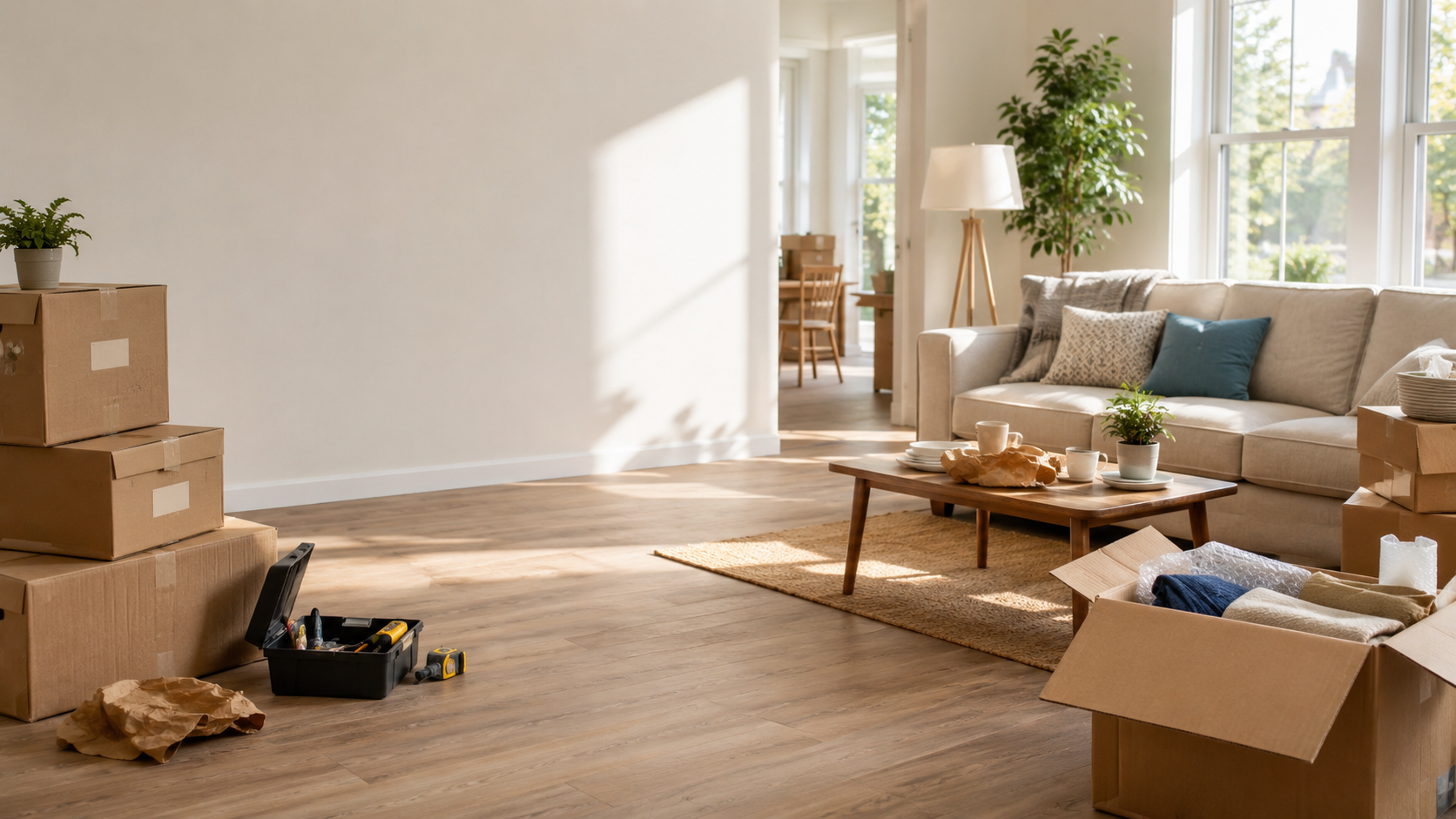
Many individuals approach moving day as if it were a competition. People enter with boxes of stuff and they simply unload the boxes on whatever empty space they can find. Furniture is roughly placed against the walls, and soon afterwards no one can locate essential things like a charger or a box of tissues. The solution is not to move faster, but rather to follow a specific plan designed to make it easier to access what you need once you are settled into the place.

The key is getting things done in the right order, not as quickly as possible. After all, moving is a very stressful situation. According to the Holmes-Rahe Life Stress Inventory, it is in 20th place on a list of the most anxiety-inducing events, with 20 stress points—the same as a change in your financial circumstances. If you start with an unloading frenzy, it simply adds more stress to the process. However, if you approach it gradually, you will be able to reduce that stress.

Clean and inspect before anything comes off the truck

If there’s any time between when you get your keys and your moving truck arriving, take advantage of it. An empty house is the only time you will ever have easy access to all of your cabinets, all of your corners, all of your outlets.

Wipe out kitchen cabinets and drawers before you put dishes in them. Scrub toilets. Give the floors a good vacuum, especially in the closets, where that part of the floor probably hasn’t seen any action and is easily overlooked. Check under sinks to look for moisture, plug in your phone charger in a couple of outlets to make sure they all work, etc.

This isn’t about your house being clean. This is about catching problems while you can easily get to them. A pipe beneath an empty sink that’s leaking is a 2-minute repair. A pipe beneath a sink that’s leaking and completely blocked by cleaning supplies and boxes can eat up your entire Saturday.

Secure the house before you unpack a single box

Safety should always be a priority over convenience. You cannot be certain how many keys were made for the previous owner’s home or who might still have a copy.

So, rekey or replace the locks. Do the same for any garage keypads. Reset the code immediately if a factory or previous owner code is still being used for a smart lock.

On the note of safety, take the time to test every smoke detector and carbon monoxide detector in the house. Even if they are installed on the ceiling, still give them a proper test. Swap out the batteries if the previous owner says they are new. If the house does not have a fire extinguisher, get one on your first shopping trip. This should be a five-minute task to check off your agenda for the day.

Get utilities and internet live before you need them

A chilly, Wi-Fi-less house will put the brakes on everything else. Hopefully, you booked service activation for electricity, gas, water, and internet before your official move-in date, with the timing perfectly coordinated so it’s all live and ready the second you’ve got the key. If not, many agencies require at least 48 hours notice to connect you – not the kind of surprise you want. Instead, call (or go online) to arrange activation the morning of your move.

Build the essentials box before you build anything else

This box can make or break whether you’re able to face your new place with a semblance of sanity your first morning there. It’s the "morning after" box. Pack your toothbrushes, toothpaste, toilet paper, shower essentials, coffee maker, remote chargers, tool kit, etc. in this last box that you load, the first box that you unload, and DO NOT let it onto the truck with everything else. This box goes in the car with you.

For your first unpacking, you may be surprised how low on the list of priorities "TV remotes, clock radios, and room-by-room stereo systems" can fall. If you’re tearing apart forty boxes in the middle of the night so everyone can brush their teeth, you did not succeed.

Label boxes to match your floor plan, not just the room name

"Kitchen" on a box is good. "Kitchen – counter side, near stove" is much better. The more exact your labeling, the less you play traffic cop with stacks of boxes after you arrive.

Easy tactic? Room-color codes with a short hint of what wall/zone the box is for. Sketch out a rough map ahead of time, notating where you want significant pieces to end up. When the box is labeled according to that plan, your movers or pals carry a box and set it in the final place, not haul it to the door and wait for instructions. Efficient, right?

And this is where quality help comes in handy. When you’re with an established crew that’s been around the block hundreds of times and knows the exact placement strategies, move-in day isn’t just a lot of furniture piled up and hoping it lands in the right place. The Better Life Moving team is trained for zone-based unpacking, which means you won’t be straining your back shoving the sofa into position days after the truck drives off.

Assemble furniture before you unpack decor

Start with the big stuff that makes the most difference in where other things can go. It’s not just about getting those bulky things in place; it’s also about solving the puzzle of how to fit everything else around them. Then get the kitchen 75% of the way set up. You’ll want a place to prepare simple meals and deal with fast-food trash, without any desire to experiment with Pinterest casseroles the second night.

Unpack in zones, not all at once

It makes sense that you would want to unpack everything in all the boxes in your new house all at once, but that’s the quickest way to get completely exhausted. Instead, work in zones – focusing on rooms you use most first.

For most people, that means getting the bedroom and bathroom in order straight away. Not only will you need clean sheets and a toothbrush by the end of Day 1, but having a sanctuary of calm in the storm where you can recharge from the day’s push will be a literal lifesaver. The kitchen should become your focus for days 2-3 for the same reason, as cooking is both soothing and necessary when you can’t find clean dishes amidst all the other cartons.

Living rooms, guest rooms, studies and the garage? No one’s going to judge if you just leave those shut for a while.

Another reminder: you’re in this for the long haul.

Set a small, incredibly doable goal, like getting all the boxes out of the garage, and then call it. You may still need the odd ‘stay up late getting the kids’ room in order so they can do their homework’ night, but if that means you can sleep well the next night because all that’s left is unloading half the pantry so you have room to make an actual dinner, then that’s a win, too.

Clear the clutter as you go

Cardboard and packing paper can accumulate quickly, and having a bunch of flattened boxes scattered around the house poses a safety risk as someone could easily trip over them. As you empty boxes, break them down and move them out of the way. Recycle them if possible, or save them somewhere if you’ll be moving again in the near future.

This is more than just being orderly. A house that looks like it’s emptying out gives you a sense of accomplishment. A house that looks like it’s filling up with flattened cardboard gives you the opposite impression, even if you’re doing well in terms of emptying drawers and closets behind the scenes.

Handle the paperwork in the first week

Once you’re mostly unpacked, turn your focus to the business end of things. You still need to file your change of address with the postal service so mail and bills will track you down instead of continuing to pile up at your former residence. And since you’ve probably got checks and bills out anyway, now’s a good time to notify your bank, insurance company, and any regular deliveries of your new address.

Also likely your first full week in your new place: time to restock on all those first-week necessities you probably didn’t bring with you. Light bulbs, toilet paper, paper towels, basic groceries, and cleaning supplies. They’re little things but they make the difference between a house that works and a house full of mostly-empty boxes.

Round out safety and orientation last

Now that you have finished unpacking the essentials, make sure to attend to any specific needs of your family. For instance, if you have kids or pets, walk around the house to check for any overlooked hazards on moving day, such as loose cords, unsecured cabinets, or gaps under fences in the yard.

Take some time to find out where the nearest grocery store, pharmacy, school, and urgent care are located. You don’t have to learn everything about your new area in one day, but knowing where the essentials are takes away some unnecessary stress.

After your boxes are nearly empty, focus on creating some actual organizational structure while you still have all your stuff out. Install closet shelving, drawer dividers, and pantry bins and it is much easier to get them right when you don’t have to cram them full with items.

A new house will no longer feel like a mess of boxes when it starts working the way you live. Get the right elements, focus on zones, and take a few days for the rooms that you don’t care much about yet.

Easy Weekend Projects to Refresh Your Home: Simple Ideas for a Stylish Update

Weekend home projects can transform a living space without requiring extensive time or expense. Simple changes like refreshing paint, rearranging furniture, or adding greenery can create a renewed atmosphere in any home. These tasks not only improve aesthetics but also enhance the overall comfort of a space.

Many homeowners seek out approachable projects that can be completed over a Saturday or Sunday. From DIY decor to organizational upgrades, these projects often yield impressive results that invigorate the home environment. Engaging in weekend projects provides satisfaction and a sense of accomplishment.

Exploring various ideas allows individuals to choose tasks that fit their style and needs. Whether it’s a simple gallery wall or an easy garden update, every small change contributes to a more enjoyable living space.

Top Easy DIY Weekend Projects to Instantly Refresh Your Home

Refreshing your home can be simple and fun with easy DIY projects. These projects can transform spaces quickly and effectively, adding personality and style without the need for extensive renovations. Here are several straightforward ideas to consider.

Painted Accent Walls and Statement Doors

An accent wall can dramatically change the feel of a room. Choosing a bold color or a unique pattern creates a focal point. Consider using painter’s tape to achieve crisp lines, ensuring a professional finish.

Statement doors also provide an opportunity for creativity. Painting or staining doors in vibrant colors enhances curb appeal and adds character indoors. Be sure to use suitable paint for wood or metal surfaces for lasting results.

Installing Peel-and-Stick Wallpaper and Backsplash

Peel-and-stick wallpaper simplifies the process of adding texture and design to walls. It is available in various patterns and colors. This type of wallpaper is user-friendly since it requires no glue and can be repositioned during installation.

For kitchens and bathrooms, peel-and-stick backsplashes offer an easy way to refresh these spaces. They protect walls while adding visual interest. This option allows quick updates without the mess associated with traditional tiling methods.

Creating a Gallery Wall for Visual Impact

A gallery wall can serve as a stunning focal point in any room. It showcases personal artwork, photographs, or decorative pieces. To achieve an organized look, plan the arrangement on the floor before hanging.

Use a mix of frames and sizes for added depth. Uniform spacing and a balanced layout ensure a cohesive appearance. This project allows individuals to express their style and create an inviting atmosphere.

Quick Upgrades for Baseboards and Outlet Covers

Updating baseboards can significantly impact a room’s aesthetics. Fresh paint or new trim can complement design themes and improve visual flow. Selecting a contrasting color for baseboards can add a stylish touch.

Outlet covers also offer an easy upgrade. Choosing decorative covers allows for a pop of personality without extensive effort. Simple changes like these enhance functionality while tying into the overall décor style.

Creative Storage and Organizational Solutions

Creative storage and organizational solutions can significantly enhance both functionality and aesthetics in a home. Implementing floating shelves, tailored book arrangements, and under-cabinet lighting can provide effective ways to optimize space while adding style.

Building and Styling Floating Shelves

Floating shelves offer a stylish way to display items and utilize wall space effectively. They can be customized in various sizes and finishes to match any decor.

Key Steps:

  • Select Material: Choose from wood, metal, or glass based on desired ambiance.
  • Determine Placement: Install shelves where they can serve both as storage and decorative display.
  • Styling Ideas: Use books, artwork, or plants to enhance visual appeal.

Proper installation is crucial to ensure the shelves can bear weight without sagging.

Arranging Open and Colorful Book Shelving

Open shelving systems can bring character to a home while providing ample storage. A well-arranged bookshelf can be both functional and a centerpiece.

Tips for Arrangement:

  • Color Coordination: Group books by color to create a visually striking effect.
  • Mix Heights: Incorporate items of varying sizes to maintain interest.
  • Incorporate Accessories: Use decorative boxes or sculptures to break up the linear look.

This arrangement keeps books accessible and encourages a more relaxed feel in any room.

Adding Under-Cabinet Lighting in Kitchens

Under-cabinet lighting enhances both functionality and aesthetics in the kitchen. It creates an inviting atmosphere while improving visibility for meal prep.

Types of Lighting:

  • LED Strips: Energy-efficient and customizable to fit any space.
  • Puck Lights: Compact and easily installed for targeted illumination.

When planning, consider the brightness and color of the lighting to ensure a warm, inviting ambiance. Properly installed under-cabinet lighting can redefine the kitchen experience.

Small Details That Make a Big Difference

Small changes can significantly impact a home’s overall appearance and feel. By focusing on specific details, one can enhance the aesthetic without a complete renovation. Here are crucial elements to consider for refreshing a space.

Swapping Cabinet Knobs and Hardware

Replacing cabinet knobs and drawer pulls is a straightforward update that can transform kitchen and bathroom spaces. Choosing modern, stylish hardware can add a fresh touch.

Considerations:

  • Material: Options like brushed nickel or matte black offer different aesthetics.
  • Style: Vintage, contemporary, or minimalist designs can cater to various themes.

A simple swap takes little time and can have a remarkable effect. This change increases functionality by enhancing grip while updating the decor.

Updating Light Fixtures and Pendant Lights

Light fixtures play a crucial role in the ambiance of a room. Replacing outdated chandeliers or installing stylish pendant lights can create a focal point.

Key Elements:

  • Height: Positioning pendant lights at the right height enhances visual interest.
  • Design: Selecting unique designs can complement other decor elements.

Using energy-efficient bulbs can also improve lighting quality while reducing energy costs. An updated fixture enhances the overall aesthetic and functionality of the space.

Refreshing Spaces with Geometric Shapes

Integrating geometric shapes into home decor can create visual interest and modern appeal. This can be achieved through art, rugs, or decorative accessories.

Implementation Ideas:

  • Wall Art: Large geometric prints can serve as striking focal points.
  • Rugs: Geometric patterns in rugs can define spaces and create flow.

Using these shapes consistently throughout a space can unify the design. They add dimension without overwhelming the area, making rooms feel dynamic.

Replacing or Painting Outlet Covers

Outlet covers are often overlooked but can significantly impact a room’s details. Replacing plastic covers with decorative ones or painting existing covers can enhance visual appeal.

Options Include:

  • Materials: Look for wood or metal covers that match the room’s decor.
  • Color: Coordinating the cover color with the wall can create a seamless look.

This minor update is simple and budget-friendly. Every little change contributes to the home’s overall polished appearance, ensuring no detail goes unnoticed.

Finishing Touches for a Fresh Look

Small details contribute significantly to the overall atmosphere of a home. By focusing on layering textiles, incorporating greenery, and personalizing spaces with thrifted decor, anyone can achieve a refreshed look.

Layering Rugs and Textiles

Layering rugs enhances texture and visual interest in a space. A large, neutral area rug can serve as a foundation, while a smaller, patterned rug on top adds a pop of color or design. This combination not only adds depth but also creates a cozy atmosphere.

Textiles don’t stop at rugs. Consider adding throw pillows, blankets, or even new curtains. Mixing different fabrics, such as linen with velvet, creates a dynamic feel. Focus on colors that complement existing decor for a cohesive look.

Consider the placement of rugs and textiles carefully. Ensure they align with furniture to create harmony in the room. Choosing non-slip cushions can add safety and comfort, making the space both practical and inviting.

Incorporating Live Plants and Greenery

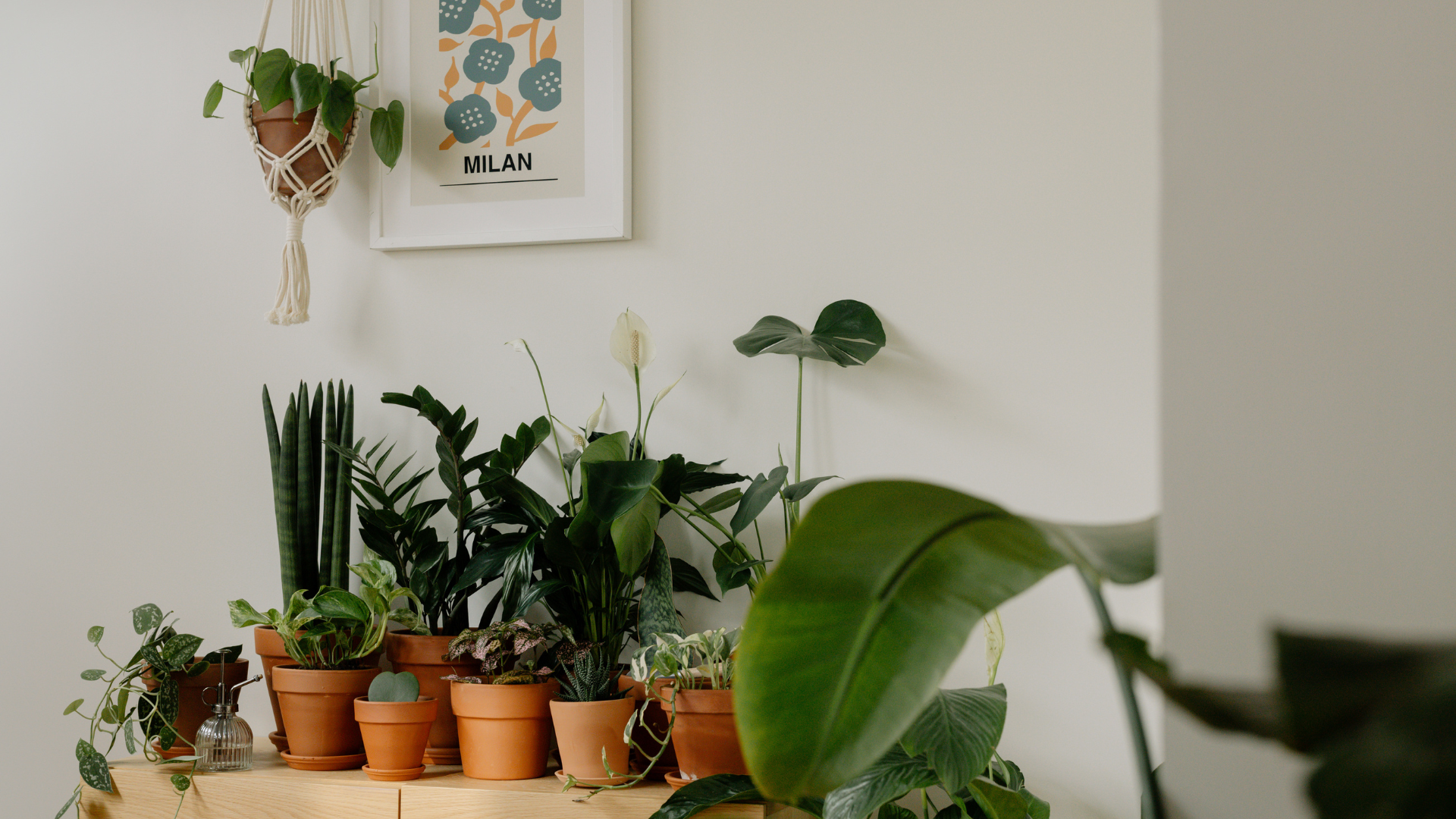
Live plants bring freshness and life to any environment. They purify the air while adding color and texture. Consider options like snake plants, pothos, or peace lilies for easy-to-care-for choices.

Placement matters; position plants in areas that receive appropriate sunlight. Shelves, window sills, or hanging baskets can highlight greenery. Mixing pots of different heights and styles can create intrigue and depth within the space.

Regular maintenance is key. Dust leaves and ensure they receive adequate water. This attention keeps plants healthy and visually appealing. Integrating seasonal plants can also keep the decor dynamic throughout the year.

Personalizing with Thrifted Decor

Thrifted decor offers unique opportunities to add character to a home. Vintage finds, such as mirrors, vases, or artwork, can serve as conversation starters while showcasing personal style.

Carefully curated thrifted pieces can enhance specific themes or aesthetics in the home. Mixing modern items with vintage decor creates an eclectic vibe that feels personalized. Look for pieces that evoke memories or reflect personal interests for meaningful additions.

Styling is crucial. Display thrifted items on shelves or mantels, ensuring each piece stands out. Grouping smaller items can create an eye-catching vignette, making the decor feel intentional rather than cluttered.

How to Childproof Your Home Without Losing Style: A Guide for Modern Families

Creating a safe environment for children does not mean sacrificing style. By choosing stylish safety solutions and incorporating clever design elements, parents can effectively childproof their home while maintaining an aesthetic appeal. This balance allows homes to remain inviting and elegant, even with the added precautions for little ones.

Parents often face challenges when it comes to safety features that clash with their décor. Simple modifications, like using decorative storage solutions for toys and choosing furniture with rounded edges, can enhance safety without compromising design. With careful planning, an attractive and safe home is entirely achievable.

Childproofing can feel daunting, but it is possible to achieve both safety and style. Thoughtful choices in colors, materials, and layouts can transform a home into a space that is both functional for children and appealing to adults. Embracing this approach ensures that homes remain beautiful, welcoming, and safe for every family member.

Fundamentals of Stylish Childproofing

Creating a safe home while maintaining aesthetic appeal requires a careful balance. Key strategies include assessing hazards with a design perspective, prioritizing discreet solutions, and blending safety features seamlessly into interior aesthetics.

Assessing Hazards With a Design Eye

When it comes to childproofing, a detailed assessment of hazards is essential. This involves identifying potential risks in various rooms, such as sharp edges, breakable items, and accessible appliances.

Tips for Assessment:

  • Inspect furniture for sharp corners, particularly in play areas.
  • Evaluate the location of electrical outlets and cords.
  • Check for choking hazards like small decorative items within reach.

Keeping design in mind, one can select stylish guards or covers that suit the overall theme. Using materials that blend with existing decor can keep spaces both safe and visually appealing.

Prioritizing Discreet Childproofing Solutions

Childproofing does not need to detract from home aesthetics. Discreet solutions allow for safety without compromising style. Look for items that are functional yet blend into the design.

Examples of Discrete Solutions:

  • Outlet Covers: Choose ones that match the wall colors or switch plates.
  • Furniture Anchors: Many come in designs that complement furniture styles.
  • Cabinet Locks: Opt for options that are hidden or integrated seamlessly.

Utilizing these solutions enables peace of mind while preserving the home’s natural elegance.

Blending Safety With Interior Aesthetics

Creating a safe environment can be stylish. By considering both safety and design, one can achieve an aesthetically pleasing space that is simultaneously child-friendly.

Integrating Safety Features:

  • Use decorative storage solutions to hide toys and sharp objects.
  • Select soft furnishings with rounded edges that enhance comfort.
  • Incorporate area rugs that provide a cushioning effect while matching the room’s decor.

Being intentional with choices in safety features allows a homeowner to craft a visually cohesive environment that supports both adult and child needs.

Furniture and Soft Surface Solutions

Creating a stylish yet childproof home involves selecting the right furniture and soft surfaces. By focusing on items that combine safety and aesthetic appeal, it is possible to maintain a beautiful living space without compromising on child safety.

Selecting Furniture With Rounded Edges

Furniture with rounded edges minimizes the risk of injury in homes with active children. Sharp corners can pose hazards, so opting for designs that feature curves or rounded profiles is essential.

When shopping, look for items such as coffee tables, side tables, and shelving units made from materials like solid wood or foam. These materials are not only durable but also provide a softer impact if a child bumps into them.

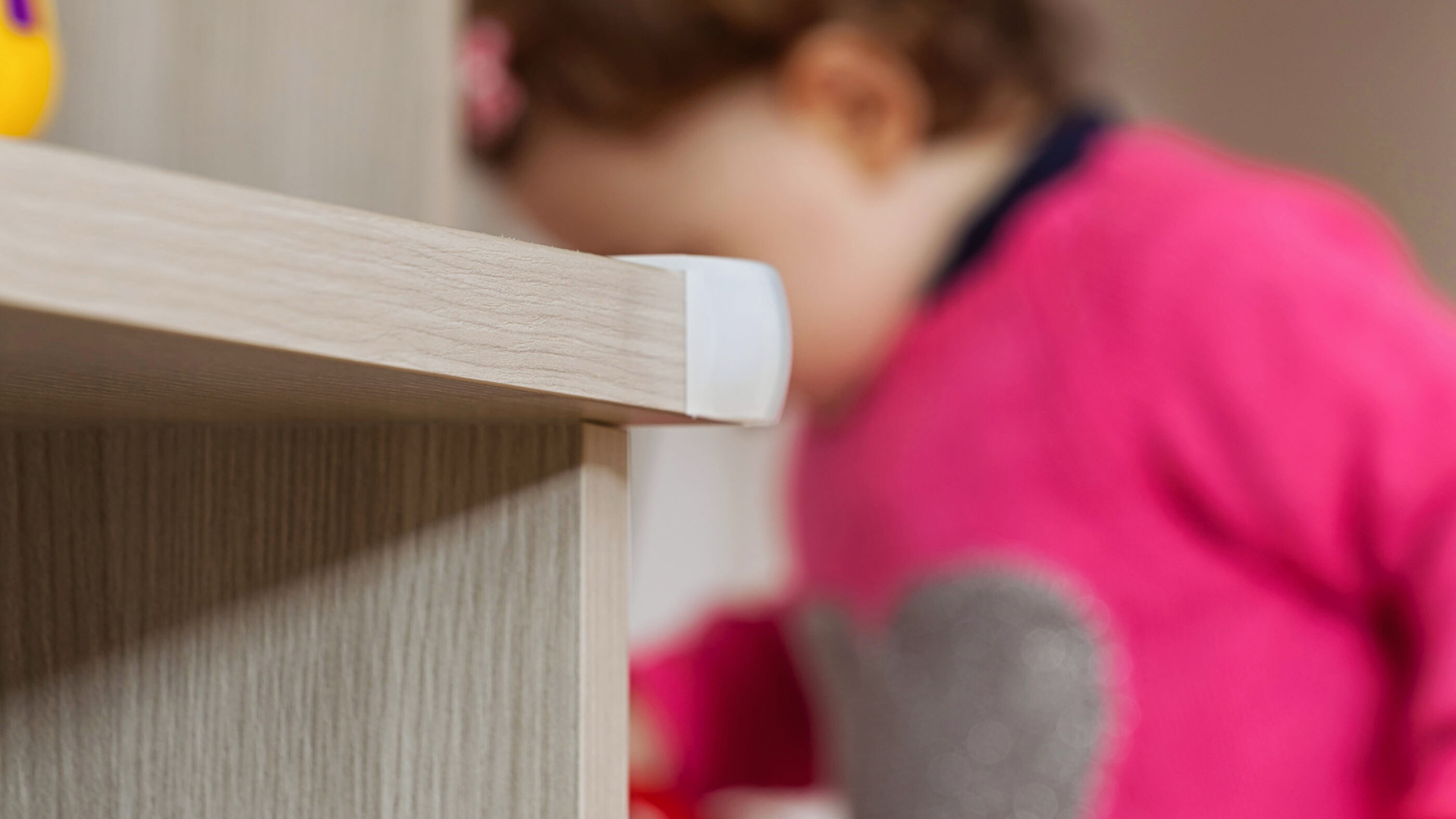
Corner guards can also enhance safety. They can be easily attached to sharp furniture edges, adding an extra layer of protection without detracting from the design.

Using Upholstery and Cushions for Safety

Soft upholstery can offer a safe environment for children while complementing modern decor. Fabrics like microfiber and cotton are both stylish and easy to clean, making them ideal choices for households with kids.

Consider selecting upholstered furniture that features removable covers. This allows for quick cleaning of spills or stains, ensuring that the furniture remains presentable.

Cushions can also create safe play zones on the floor. Floor cushions or soft ottomans provide comfortable seating and a safe place for children to play without the risk of injury from hard surfaces.

Decorative Rugs for Traction and Comfort

Rugs serve multiple purposes in a childproof home. Aside from adding an aesthetic touch, they provide traction and comfort that can prevent slips and falls.

Choose rugs with non-slip backs to keep them securely in place. Materials like low-pile chenille are soft but also durable enough to withstand heavy foot traffic.

When selecting colors and patterns, consider those that can hide stains well, such as darker shades or busy designs. These styles blend practicality with visual appeal, ensuring that the rug remains a stylish focal point in the room.

Choosing Stylish Storage for Toys

Effective toy storage helps maintain a tidy environment while ensuring that playthings are easily accessible. Stylish storage solutions can integrate seamlessly into home decor.

Baskets made from natural fibers or decorative bins can hold toys while adding texture to a room. Labels can help children learn where to place their items, encouraging organization from a young age.

Consider furniture pieces with built-in storage, such as ottomans or coffee tables with hidden compartments. These options keep toys out of sight and double as functional pieces of decor, merging safety and style effectively.

Discreet and Modern Safety Features

Home safety can marry functionality with aesthetics. Various modern solutions allow for security measures that blend seamlessly into the home’s design, ensuring a child-friendly environment without compromising style.

Magnetic Cabinet Locks and Magnetic Locks

Magnetic cabinet locks provide a sleek way to secure kitchen and storage spaces. Unlike traditional locks, these are often invisible from the outside, ensuring cabinetry looks intact and stylish. They rely on a small magnet to keep doors secure.

These locks require a special key or magnet to unlock, preventing children from accessing potentially hazardous items. Installation is generally straightforward and does not damage cabinetry. Parents can enjoy peace of mind while maintaining the elegance of their home.

Incorporating Stylish Safety Gates

Safety gates are essential for managing access to potentially dangerous areas like staircases. Modern safety gates now come in a variety of designs and finishes that can complement home décor. Many feature wood or metal finishes that align with contemporary styles.

When selecting a gate, features such as movable or retractable designs are available. This flexibility allows parents to use gates selectively and store them away when not in use. The right safety gate can enhance a space rather than detract from it.

Natural Barriers and Built-In Storage

Using natural barriers presents an elegant solution to childproofing. For example, plants or furniture placement can effectively deter children from wandering into unsafe areas without looking manufactured or forced.

Built-in storage solutions, like benches with storage space, offer functionality while keeping items organized. These pieces can be selected to fit the room’s aesthetic and serve double duty, minimizing clutter while securing items children shouldn’t access.

Clear or Flush Outlet and Edge Protection

Safety features for outlets and edges can be both subtle and effective. Using clear or flush outlet covers minimizes interruption in the visual flow of a room. These options ensure that electrical outlets remain secure without bulky, unsightly covers.

Edge protection can be integrated into furniture design, maintaining a streamlined look while protecting children. Many furniture manufacturers now offer polished edges that prevent accidents without appearing overtly protective, blending safety with style.

Design-Forward Child Safety Enhancements

Creating a safe home while maintaining style requires thoughtful choices in decor and materials. The following enhancements focus on secure arrangements, the use of non-toxic materials, and adaptability for growing families.

Elevating and Securing Decor

To ensure safety without sacrificing style, decorators can elevate and secure decor items. Utilizing wall shelves for decorative pieces keeps them out of reach and reduces the risk of tipping. Opting for anchored furniture, like bookshelves or dressers, adds stability.

Furniture that includes storage solutions can minimize clutter, preventing trips and spills. Consider cabinets with locks for keeping dangerous items, like cleaning supplies, securely stored yet aesthetically pleasing.

Incorporating stylish storage baskets helps maintain a neat look while making toys accessible. These strategies allow for a chic atmosphere that supports a safe environment.

Non-Toxic and Natural Materials

Choosing non-toxic and natural materials is essential for a childproof home. Fabrics such as organic cotton or hemp provide a safe option for upholstery, as they are devoid of harmful chemicals.

Flooring should prioritize safety and comfort; options like bamboo or cork are eco-friendly and resilient against wear. These materials contribute to a healthy indoor environment, reducing exposure to toxins.

When selecting paints and finishes, opting for low-VOC or zero-VOC options protects air quality. This approach not only supports safety but also ensures that aesthetics aren’t compromised.

Adapting as Your Family Grows

Childproofing is not a one-time task; it evolves with the family. As children grow, the home needs to adapt accordingly. It’s important to reassess safety measures regularly.

Incorporating design elements that can serve multiple functions supports both style and safety. For instance, a sturdy coffee table can double as a play space when designed correctly.

Utilizing modular furniture allows families to rearrange as needed, maintaining safety alongside evolving tastes. This flexibility ensures that homes remain chic and practical, no matter the age of their inhabitants.

How to Adapt Your Home Maintenance Routine for Changing Seasonal Climates

How to Adapt Your Home Maintenance Routine for Changing Seasonal Climates

Many home maintenance recommendations imply that your house doesn’t change or react to its environment. Clean the gutters. Trim back bushes from the foundation. But houses are dynamic structures, not shrubs. Transitions are the most critical times for home maintenance. The week in spring when it goes from sunny and mild to seven days of torrential rain, the week in autumn when the first cool day turns into ten days of freezing temperatures, revealing that you are unprepared – that’s when your house will cost you.

Preparing Your HVAC System Before The Season Arrives

Transitioning your system is not a single-switch task. Before you fire up the air conditioner for the first time in months, step outside and give the outdoor condenser unit a good once-over. Make sure it’s clear of vegetation that may have sprouted up during the off-season – overgrown plants are one of the top causes of poor system performance in hot weather. Use a garden hose to spray off the coils and remove dust and dirt from the inside out, if possible.

Then, replace the filter. This is the maintenance task proven to have the most measurable effect on your energy bill: A clean filter can lower your AC’s energy consumption by 5% to 15% (U.S. Department of Energy). If you or anyone in your home has allergies, use a filter with a higher MERV rating; anything in the 8 to 13 range will help protect against pollen and other allergens without restricting airflow.

For areas with sweltering, arid summers and frigid winter temperatures, you likely need to schedule professional maintenance for both systems at least once a year. Local experts offering Air Conditioning Services Canberra will pressure-test refrigerant levels, inspect electrical connections, and confirm the system can handle extended high-demand operation without failing mid-heatwave.

Tightening The Thermal Envelope Before Cold Weather Hits

The thermal envelope of your dwelling – the walls, roof, windows, and doors that separate inside from outside – dictates how hard your heating system has to work. A well-sealed envelope means the system cycles less and runs more efficiently. A leaky one means you’re paying to heat the outdoors.

Just before winter, walk the perimeter of your home and check all weatherstripping. If you can feel cold air at the edges of a closed door, that seal is failing. It’s a cheap fix and one of the highest-return DIY jobs you can do. While you’re at it, check attic insulation – attics are where heat escapes most readily, and inadequate insulation directly results in higher heating costs during cold snaps.

If your abode employs a heat pump rather than separate heating and cooling units, it still needs seasonal attention. Heat pumps are efficient across a broad temperature range, but they don’t perform well when coils are dirty or refrigerant is low. The same professional service that checks your cooling system should apply to the heating function.

Gutters, Roofing, and Water Management

Water damage caused by seasonal changes can happen gradually but result in high repair costs. For instance, when your gutters get blocked by leaves, they tend to fill up and overflow when it rains heavily. This then leads to water getting pushed against the fascia and eventually making its way into the wall cavity. In cold weather regions, any water that is trapped in the gutter and seeps into your roof can freeze, resulting in ice damming. This causes water to seep in under the roof tiles and into your home.

Clean your gutters at least twice a year to prevent this from happening. Make sure to clean them once in late autumn after all the leaves have fallen and then again in early spring. While you’re at it, check your roof too. Tiles that are missing, cracked, or beginning to curl can be easily replaced and are relatively inexpensive fixes if caught early enough.

DIY Tasks Versus Professional-Only Tasks

It is crucial to find the right balance in what you can manage and what should be handled by a professional to ensure both safety and the extended life of your systems.

Repairs you can do yourself include: testing smoke and carbon monoxide alarms, cleaning HVAC vents and grilles, replacing air filters, clearing condenser units, cleaning gutters, checking weatherstripping, and flushing water heaters.

Professional repairs include: checking and topping up refrigerant, inspecting and cleaning ductwork for leaks, testing electrical connections in HVAC units, and roof repairs that involve steep pitches.

Refrigerant and electrical work should be left to the pros not just because of regulations but because mistakes in those areas can quickly lead to expensive repairs. A refrigerant leak can destroy a compressor, and a loose electrical connection in an HVAC unit can start a fire. It’s cheaper to have a professional in once a year than to call them out for an emergency.

A Programmable Thermostat Is A Maintenance Tool, Not A Luxury

If you haven’t done so already, a practical step to reduce wear on your HVAC system is installing a programmable thermostat. If you can have the heat or AC ease off when you’re not home, then your system is running fewer total cycles across the season. Fewer cycles means less mechanical wear over time. It’s not a substitute for proper servicing, but it will at least extend the intervals between problems.

But beyond that, it’s too easy to treat "seasonal home maintenance" as something you just go down the list for twice a year. The bi-annual list is just there to make you remember what can go wrong if you forget about those things the rest of the year.

How to Choose the Best Flooring for Your Home: Key Factors to Consider

Choosing the right flooring for a home involves considering various factors, including lifestyle, aesthetics, and budget. To select the best flooring, it is essential to assess the room’s usage, the presence of pets or children, and the desired maintenance level. Each flooring option offers different advantages, making informed decision-making crucial for long-term satisfaction.

Homeowners should explore various materials, such as hardwood, laminate, tile, and carpet, each presenting unique benefits and drawbacks. For instance, hardwood adds elegance and durability, while tile is ideal for high-moisture areas. Understanding these characteristics allows for a more tailored choice that enhances the home’s functionality and style.

Ultimately, investing time in researching and evaluating different flooring types empowers homeowners to create spaces that reflect their needs and preferences. With the right approach, selecting flooring can transform a home, enhancing comfort and value.

Key Factors to Consider When Choosing Flooring

Selecting the ideal flooring requires attention to several essential elements. Durability, moisture resistance, cost, and maintenance needs significantly influence the decision-making process. Understanding these key factors helps ensure a satisfying choice that suits both lifestyle and budget.

Durability and High-Traffic Areas

Durability is a crucial factor in flooring selection, especially in high-traffic areas like entryways and living rooms. Flooring types such as ceramic tiles, vinyl, and laminate are known for their resilience against scratches, dents, and wear.

  • Carpet might not withstand heavy foot traffic as well, leading to quicker replacement needs.
  • Evaluate materials based on the PEI rating, which measures resistance to abrasions. A higher rating indicates better durability.

Considering the daily activities in a household can guide choices; families with pets or children should prioritize tougher materials.

Moisture and Water Resistance

Moisture resistance is vital in spaces prone to spills or humidity, such as bathrooms and kitchens. Water-resistant options, like luxury vinyl plank, ceramic tile, and laminate, prevent damage from spills and moisture buildup.

  • Engineered wood is another excellent choice for its durability while still providing the appearance of natural wood.
  • Evaluate the AC rating for laminate, as a higher rating signifies better moisture resistance.

Proper installation, including waterproof underlayment, further enhances a floor’s ability to withstand moisture.

Flooring Cost and Budget

Flooring costs vary considerably, with some materials offering affordability while others provide long-term investment benefits.

  • Carpet can range from $1 to $5 per square foot, making it a budget-friendly option.
  • Hardwood, on the other hand, may cost between $5 $15 per square foot, but can last for decades if properly maintained.

When considering the budget, factor in potential installation costs and material longevity. A higher upfront investment in durable flooring can lead to lower long-term expenses due to reduced maintenance and replacement needs.

Maintenance and Longevity

Maintenance requirements directly influence the longevity of flooring options. Low-maintenance materials, such as tile and vinyl, are ideal for busy households. These floors typically require simple cleaning routines and minimal upkeep.

  • In contrast, natural wood may require periodic refinishing and special cleaning products.
  • Assess how much time and effort can be devoted to maintaining the flooring to ensure it remains in good condition over time.

Understanding the specific maintenance needs can lead to more informed decisions, ultimately contributing to a better living environment.

Overview of Popular Flooring Options

Selecting the right flooring involves understanding the various materials available. Each type of flooring offers distinct advantages and considerations, catering to different preferences and requirements.

Hardwood Floors and Engineered Wood Flooring

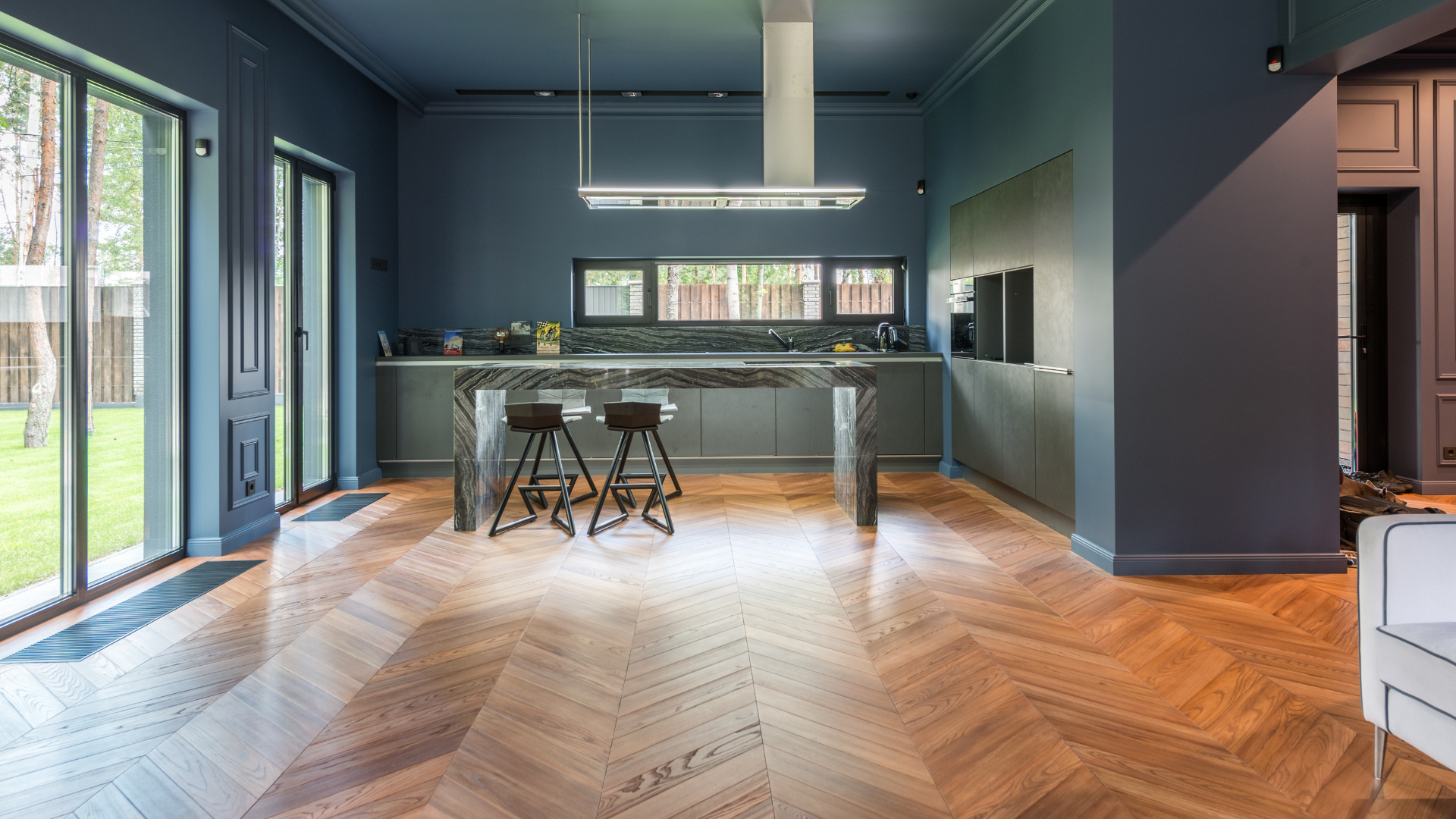
Hardwood flooring is a classic choice, known for its durability and timeless appeal. Available in species like oak, maple, and cherry, it enhances the aesthetic of any room. Routine maintenance, including refinishing, helps maintain its appearance.

Engineered wood flooring consists of multiple layers, with a real wood veneer on top. This makes it more resistant to moisture and temperature changes, making it suitable for areas where solid wood may not perform well. Both options offer a range of finishes and colors.

Laminate, Vinyl, and Resilient Flooring

Laminate flooring mimics the look of wood or stone at a lower price point. Made of composite materials, it is resistant to scratches and easy to install. With many styles available, it is a popular choice for homes with pets or high foot traffic.

Vinyl flooring, including luxury vinyl tiles (LVT) and luxury vinyl planks (LVP), offers water resistance and a variety of designs. Suitable for kitchens and bathrooms, it can replicate the look of wood or stone while being soft underfoot.

Resilient flooring encompasses a broader category, combining properties of both laminate and vinyl. It is comfortable, durable, and easy to clean, making it ideal for a range of applications.

Tile, Stone, and Concrete Floors

Tile flooring comes in materials like porcelain and ceramic, offering versatility in design and durability. Porcelain tiles are dense and water-resistant, making them ideal for wet areas. They can be used for walls and floors, providing a cohesive look.

Stone flooring, such as marble, limestone, travertine, and slate, adds elegance and value to a home. Each stone type offers unique characteristics; for instance, slate is durable, while marble provides a polished finish.

Concrete flooring is increasingly popular due to its modern aesthetic and durability. It can be stained or polished to achieve various looks and is suitable for both indoor and outdoor applications.

Carpet and Cork Flooring

Carpet provides warmth and comfort, making it ideal for bedrooms and living areas. Available in a wide range of fibers, colors, and patterns, it can enhance sound insulation and is often easy to install.

Cork flooring is an eco-friendly option that offers a soft feel underfoot. Its natural thermal properties keep spaces warm, while its resilience makes it suitable for high-traffic areas.

Both carpet and cork have benefits worth considering when selecting the right flooring for specific spaces within a home.

How to Match Flooring to Room Function

Selecting the right flooring for each room enhances both aesthetics and functionality. Different spaces require specific flooring characteristics to accommodate their unique needs.

Best Flooring for Living Rooms and Bedrooms

Living rooms and bedrooms benefit from flooring that balances comfort, style, and durability. Carpet is a popular choice, providing warmth and sound insulation. It is ideal for creating a cozy atmosphere.

Hardwood floors and engineered wood flooring offer elegance and can enhance the aesthetic appeal. They are durable and easy to maintain. A suitable finish can protect against scratches.

For a more modern look, luxury vinyl tile mimics wood or stone but is easier to maintain. It is resistant to moisture and scratches, making it suitable for busy households.

Ideal Solutions for Kitchens and Bathrooms

In kitchens and bathrooms, flooring must withstand moisture and heavy foot traffic. Tile flooring is an excellent choice for these areas. It is water-resistant, durable, and easy to clean.

Vinyl flooring offers versatility and comfort underfoot. It is cost-effective, comes in various designs, and is resistant to spills.

Consider slip-resistant options for safety, especially in bathrooms. Many modern tiles and vinyl products provide both style and practicality, making them ideal solutions.

Flooring Choices for Basements and Laundry Rooms

Basements and laundry rooms often face unique challenges, including moisture and lower temperatures. Vinyl flooring is a smart option here as it is water-resistant and easy to install.

Tile flooring can also perform well in these spaces due to its durability and moisture resistance. Both options can help create a functional space that stands up to high humidity.

Install proper underlayment when using engineered wood flooring in basements. This adds insulation and moisture protection. It’s important to ensure any flooring selected can handle potential water exposure in these areas.

Environmental and Practical Considerations

When selecting flooring, it is essential to weigh environmental impacts alongside practical factors. This involves examining sustainability certifications and ensuring purchases are made from reputable sources.

Sustainability and FSC Certification

Sustainability is a significant concern when choosing flooring materials. Opting for products with Forest Stewardship Council (FSC) certification ensures that the wood originates from responsibly managed forests.

FSC certification involves strict guidelines to promote sustainable forestry practices. This includes maintaining biodiversity, protecting water resources, and respecting the rights of local communities. Choosing FSC-certified products can contribute to environmental preservation and reduce the impact of deforestation.

In addition to wood, there are various sustainable flooring options available, such as bamboo, cork, or recycled materials. Each of these materials offers unique benefits while minimizing environmental harm.

Buying from Reliable Flooring Retailers

Purchasing flooring from reputable retailers can significantly affect both the quality and ethical standards of the products. Reliable retailers often prioritize customer service, product knowledge, and transparency about sourcing.

It is advisable to research retailers and seek those that demonstrate a commitment to sustainability. Many trustworthy companies provide information on their supply chains and environmental practices. This transparency can aid consumers in making informed choices.

Additionally, reputable retailers often offer warranties and after-sales support, which can enhance the practicality of a flooring purchase. Prioritizing these factors ensures that the chosen flooring meets both aesthetic and functional needs while adhering to environmental considerations.

How to Decorate with Secondhand Finds: Create Unique Spaces on a Budget

Finding unique items for home decor can be a rewarding experience. Decorating with secondhand finds allows individuals to express their style while being environmentally conscious and budget-friendly. Thrift stores, garage sales, and online marketplaces offer treasures that can be transformed into standout pieces in any space.

Creativity plays a key role in utilizing these secondhand items. Mixing vintage pieces with modern decor can create an eclectic yet cohesive look. Individuals can turn a rusted ladder into a bookshelf or an old trunk into a coffee table, showcasing their personality and resourcefulness.

Incorporating secondhand finds into home decor also supports sustainable practices. By giving new life to discarded items, people contribute to reducing waste and promote a circular economy. This approach not only enhances personal spaces but also fosters a sense of community and shared value.

Finding Unique Secondhand Finds

Secondhand shopping offers a treasure trove of unique home decor options. Identifying quality pieces and knowing where to look can enhance any space with character and charm.

Best Places to Source Thrift Store Decor

The most promising thrift store finds often come from specific locations.

  • Local Thrift Stores: Chains like Goodwill and Salvation Army frequently refresh their inventory. Smaller, independent shops may also offer hidden gems.
  • Estate Sales: These can provide high-quality vintage pieces at reasonable prices. Attending early ensures access to the best items.
  • Garage Sales: Neighborhood garage sales often have unique, inexpensive items. Look for listings on community boards or online platforms.
  • Flea Markets and Swap Meets: These venues typically feature a mix of antiques and upcycled goods. Vendors often negotiate prices, making it a great place for deals.

How to Identify Quality Pieces

Recognizing quality is essential when thrifting.

  • Material Matters: Solid wood and metal pieces tend to last longer than plastic and particleboard.
  • Condition Check: Inspect items for scratches, stains, or structural damage. Small repairs can be acceptable, but avoid anything too damaged.
  • Brand Recognition: Familiarity with reputable brands can help. Names associated with durability often indicate quality craftsmanship.
  • Style Compatibility: Consider how a piece fits into existing decor. Unique items should complement the overall aesthetic without feeling out of place.

What to Look For When Thrifting

Successful thrifting requires attention to detail.

  • Distinctive Features: Look for items with unique designs, such as unusual shapes or colors, that can serve as conversation starters.
  • Functionality: Ensure that the items serve a purpose or can easily be adapted for one.
  • Scale and Size: Measure space before shopping. Items should fit comfortably within the intended area without overwhelming it.
  • Trendy vs. Timeless: While trendy items can add flair, classic pieces have lasting appeal. Balancing both types in a decor scheme can enhance visual interest.

By targeting the right places and knowing what to watch for, secondhand shopping becomes an enriching experience that transforms any space.

Defining Your Decorating Style With Thrifted Pieces

Utilizing secondhand finds offers an excellent way to express individual style while ensuring a unique decor approach. Focus on blending colors, mixing eras, and selecting key vintage items to create a cohesive atmosphere.

Choosing a Cohesive Color Palette

Establishing a color palette is essential for unifying thrifted finds throughout a space. Start by selecting two to three primary colors that resonate well together.

Using tools like color swatches or digital apps can help visualize how different shades interact. Consider picking colors that complement each other, such as muted tones or soft pastels. This will help vintage pieces harmonize with the overall decor.

Incorporate accents that reflect personal taste and adapt to the existing furnishings. A cohesive palette ties together various elements, allowing for a seamless transition between old and new pieces.

Mixing Old and New Items

Successfully blending vintage and contemporary items can elevate home decor. When integrating thrifted pieces, aim for balance. Large furniture can anchor the room, while smaller decor accents can provide contrast.

Select a few modern items to juxtapose with vintage finds. For example, using a sleek, modern sofa can make a retro coffee table feel even more distinctive.

Establishing a clear visual link, such as matching wood tones or similar textures, can ensure items feel intentional together. This thoughtful combination captures the unique charm of secondhand goods while embracing contemporary aesthetic trends.

Incorporating Statement Vintage Pieces

Incorporating vintage statement pieces can define a space and evoke character. Identify standout items like a bold art piece, a distinctive lamp, or an eye-catching piece of furniture.

These items can serve as focal points that draw attention and spark conversation. They should be strategically placed, such as in prominent areas like the living room or entryway.

Consider the story behind each piece. A vintage find can add depth and interest, enriching the overall decor narrative. By thoughtfully positioning these items, they can effectively anchor the room while allowing for other thrifted treasures to shine.

Creative Styling and Upcycling Ideas

Transforming secondhand finds into stylish decor pieces requires creativity and skill. By focusing on restoring furniture, upcycling accessories, and engaging in DIY projects, one can create unique touches that enhance home aesthetics.

Restoring and Refreshing Furniture

Restoring furniture involves both repair and aesthetic upgrades. Sanding down surfaces prepares them for new finishes. Using chalk paint is popular for its ease of use and matte finish.

When painting, consider the furniture’s original character. Distressing techniques can add charm, particularly to rustic pieces. For a fresh look, reupholstering chairs with vibrant fabric can breathe new life into a tired item.

Functional pieces can be adapted too. Adding new hardware or modifying shapes can enhance both usability and style.

Upcycling Decorative Accessories

Upcycling decorative accessories allows for personalized creativity. Thrift store finds, like vases or trays, can be easily transformed. A spray paint update can shift the focus of an item entirely.

For example, a glass vase can become a striking centerpiece with a metallic coat. Adding embellishments like rope or fabric can also create texture and interest.

Using table linens creatively is another approach. Layering mismatched cloth napkins can set a unique table setting, while placing objects on a stylish tray ties the look together.

DIY Projects for Personal Touches

DIY projects can infuse personality into a home. Creating wall art from secondhand frames allows for unique displays. Painting or adding fabric to the backing can unify a gallery wall.

Building custom shelving from reclaimed wood is another functional DIY. It maximizes vertical space and showcases favorite items. For extra flair, consider using brackets in a statement color.

Engaging with local thrift stores for materials can yield unexpected treasures. Items like wooden crates can easily become versatile storage or side tables when refinished or painted.

Displaying Thrift Store Finds

Displaying finds from thrift stores is an art in itself. Instead of hiding them away, incorporate them into everyday spaces. Grouping items in clusters can enhance visual appeal and storytelling.

Arrange decorative trays with themed objects, such as vintage books alongside potted plants. This method curates a lived-in feel while maintaining style.

Vases can be displayed in various ways. Using them as standalone art pieces or grouped for impact elevates their role in decor. Mixing heights and textures adds interest to arrangements.26/03/2026

The Rise of Wellness-Focused Amenities in Modern Residential Design

The luxury real estate buyer has evolved beyond granite countertops and exclusive views. Nowadays, they want to know about air filtration systems, circadian lighting, and acoustic engineering. And what seals the deal on a new purchase is becoming more and more invisible.

From opulence to biological luxury

Luxury used to be about aesthetics and status. Over the last decade or so, that has shifted to a more holistic view embracing wellness and sustainability. People realized that true luxury is about how something makes you feel, not whether the handle on your closet door is gold plated. It’s the same realization people go through when they start buying pork from the farmers market and no longer can go back to the gray stuff on offer at the grocery store – it should taste like something!

Now the bar is moving again to something more essential. Luxury will be about the basics – air, water, light. We all know that a bottle of water is far more expensive than a bottle of gas. The most valuable homes will be the ones with superior air quality, water quality, light quality – these are the things that will become unquestionable markers of status. Along with plentiful access to nature and the natural world, adding to that Biophilic design.

Wellness ecosystems, not amenity lists

Once upon a time, a pool and a gym could differentiate one new luxury condo building from the next, cementing the decision to buy for a certain kind of client. The more-is-more 1980s brought valet service, and then the 2000s brought rooftop cabanas and private elevators. A gym on the seventh floor used to close the deal. That’s not enough anymore.

The shift is from passive amenities to active wellness ecosystems. This means infrared saunas, cold plunge pools, hydrotherapy circuits, meditation rooms, reformer pilates studios, and private treatment rooms where visiting practitioners can provide personalized services. Some buildings now employ on-site wellness concierges – not a spa receptionist, but someone whose job is to coordinate your health programming within the building.

The market reflects this. Wellness real estate grew from $148 billion in 2017 to $275 billion in 2020, with a projected annual growth rate of 16% through 2025. That trajectory doesn’t happen because people want fancier pools. It happens because buyers are rethinking what a home is supposed to do for them. Developments like The Berkeley represent what this philosophy looks like when it’s built into a project from the ground up – not retrofitted as a selling point, but integrated into the architecture and the amenity package as a foundational premise.

The invisible infrastructure of light and sound

Two amenities that are rarely included in the breathless descriptions of real estate listings have the power to make or break how you actually experience living in a space day in and day out: light and sound.

Circadian lighting systems – programmable environments that shift color temperature throughout the day to mirror natural daylight cycles – have moved from hospitals and research facilities into residential design. The goal is to keep the body’s internal clock calibrated, which affects sleep quality, energy, and mood in ways that no square footage number can replicate.

Acoustic engineering is the other undervalued investment. Urban noise isn’t just annoying – sustained exposure to it creates measurable stress responses. High-performing residential buildings are now treating soundproofing as a wellness feature, not just a construction specification. The separation from ambient city noise is itself a form of luxury.

Biophilic design and the outdoor-indoor equation

Biophilic design, which means using natural elements like water, plants, and light in architecture and interior design, has been proven to reduce stress, lower blood pressure, and increase productivity and self-reported rates of well-being. That’s a powerful motivator and one that has driven residential and commercial architecture and design in recent years.

More people live in urban settings than rural ones, and construction is outstripping nature. Nature within cities becomes a scarce resource, and one that needs particular coddling to incorporate with all the angry steel and unfeeling concrete that industry throws across the urban landscape.

Why this drives long-term property value

Design that focuses on the well-being of residents is beneficial not only for them but also for the overall performance of the property.

Healthy buildings that can prove their positive impact on health – through clean air, safe materials, and programs that promote health and wellness – appeal to buyers who are less influenced by prices and more interested in keeping their property over the long term. They are looking for a place to live and a home that suits their lifestyle and values.

This fosters a stable price environment and helps to establish a solid community that attracts new buyers based on its reputation. These buyers are changing the real estate market by considering not how a property looks but what it can offer them in terms of health and well-being. Developers who recognize this trend are creating added value to their properties by offering a lifestyle that residents will not want to give up on.

How to Make Small Spaces Feel Bigger and Brighter: Tips for Enhancing Your Home’s Ambiance

Creating an inviting atmosphere in small spaces can transform how they are perceived. Choosing a lighter color palette, using mirrors strategically, and maximizing natural light are all effective ways to enhance the perception of space and brightness. These techniques not only make areas feel larger but also create a more open and airy environment.

Incorporating multi-functional furniture and decluttering can also contribute significantly to the overall feel of a small room. By selecting pieces that serve more than one purpose and reducing excess items, it becomes easier to maintain an organized and spacious look.

Smart lighting choices can further elevate the ambiance. Utilizing soft, layered lighting helps to create warmth and depth, making any small area feel more expansive.

Harnessing Light to Expand and Brighten Small Spaces

Effective use of light can transform small spaces, making them feel more spacious and inviting. By strategically utilizing natural light and thoughtfully layering artificial lighting, one can achieve a brighter, airier environment. Color choices also play a crucial role in enhancing brightness.

Maximizing Natural Light with Windows and Sheer Curtains

To make the most of natural light, it is essential to keep windows unobstructed. Avoid heavy curtains that block sunlight and choose sheer alternatives instead. Sheer curtains allow light to filter in while maintaining privacy, creating an open feel.

Adding mirrors across from windows can amplify natural light. The reflections help distribute light throughout the room, reducing darkness in corners. Also, consider leaving window sills clear of clutter, which can hinder the entry of light.

Lastly, avoid dark window treatments. Lighter materials in soft shades work best to reflect light while maintaining a soft aesthetic.

Layering Overhead Lights, Floor Lamps, and Tall Floor Lamps

A well-planned lighting configuration can enhance the feeling of space. Incorporate overhead lights that distribute illumination evenly. Ceiling-mounted fixtures should combine with various light sources for optimal brightness.

Floor lamps and tall lamps can fill dark corners and provide additional layers of light. Placing them near seating areas ensures a cozy atmosphere while brightening the room.

Using dimmers on overhead lights allows adjustments based on time of day or mood. Combining warm and cool bulbs can create depth and interest, catering to different activities and fostering versatility in ambiance.

Choosing Light and Neutral Tones for Walls and Decor

Light and neutral tones significantly impact how space appears. Walls painted in soft whites, creams, or light grays create an expansive visual effect. These shades reflect more light, enhancing brightness throughout the room.

Incorporating decorative elements in similar tones—like furniture, rugs, and accessories—maintains a cohesive look. This consistency minimizes visual clutter, making the space feel larger.

Opt for bright-colored accents for contrast. Items like cushions or artwork can add personality without overwhelming the palette. Keeping this balance is key to achieving a spacious feel.

Creating the Illusion of Space: Design Strategies

Utilizing design strategies can significantly enhance the perception of spaciousness in small areas. By incorporating specific elements such as mirrors, transparent furniture, and larger rugs, anyone can effectively create a brighter and more expansive atmosphere.

Using Mirrors to Reflect Light and Enlarge

Mirrors serve as powerful tools in small spaces. They reflect light, which can create an illusion of depth and width. Placing a large mirror opposite a window allows natural light to bounce around the room, brightening the space.

Strategic positioning is key. For instance, using a series of smaller mirrors in a gallery style can add interest while amplifying light. It’s essential to consider the frame style; minimalist frames often work best to maintain a clean aesthetic.

Additionally, mirrored furniture pieces, like coffee tables or accent tables, can further enhance this effect. By reflecting the surroundings, they can make the area appear less cluttered and more open.

Incorporating Acrylic Chairs and Transparent Furniture

Acrylic chairs and transparent furniture offer a practical solution for maximizing small spaces. The transparency allows light to flow freely, giving the impression of more space.

These pieces can be functional and stylish. For example, clear acrylic chairs around a dining table create a modern look while minimizing visual weight. This subtlety helps maintain an airy feeling in smaller rooms.

Choosing transparent furniture means less visual obstruction. This design approach can unify the room’s elements, making the entire area feel more cohesive and larger than it is.

Opting for Large Area Rugs Over Smaller Ones

Choosing a large area rug can fundamentally change the perception of a room. Larger rugs unify furniture and define spaces, making a room feel more open.

When selecting a rug, it’s beneficial to ensure it extends under the main furniture pieces. This design trick allows for a seamless transition and maintains visual continuity.

Patterns and colors also play a significant role. Bold, light-colored rugs can brighten up a room while adding a sense of depth. This approach not only enhances aesthetics but also contributes to an inviting atmosphere.

Making Smart Use of Storage and Furniture

In small spaces, effective use of storage and furniture can create a sense of openness while maintaining functionality. Implementing smart solutions minimizes clutter and optimizes available space. Here are some practical strategies.

Implementing Hidden Storage to Reduce Clutter

Hidden storage is essential in small spaces. It conceals items while maximizing room efficiency. Common options include under-bed storage boxes, ottomans with compartments, and wall-mounted cabinets.

Examples of Hidden Storage:

  • Under-Furniture Storage: Use shallow bins beneath couches or beds.
  • Built-In Cabinets: Design custom cabinets that blend with the walls.
  • Seating with Storage: Choose benches that open for extra space.

These solutions not only tidy a room but also enhance its aesthetic appeal. Keeping visible surfaces clear leads to a notably larger and brighter feel.

Choosing Multifunctional Furniture for Versatility

Multifunctional furniture serves dual purposes, which is valuable in limited spaces. A coffee table can also function as a desk, while a sofa bed provides sleeping arrangements.

Examples of Multifunctional Furniture:

  • Sofa Beds: Ideal for hosting guests in small living areas.
  • Drop-Leaf Tables: Easily expand for dining or fold for saving space.
  • Storage Ottomans: Serve as seating while holding blankets or magazines.

These pieces allow for flexible arrangements without sacrificing style. They contribute significantly to a space’s versatility and efficiency.

Utilizing Vertical Storage to Free Floor Space

Vertical storage draws the eye upward, making a space appear larger. Shelving units and hooks can dramatically increase storage capacity without taking up floor area.

Vertical Storage Solutions:

  • Wall Shelves: Install shelves above furniture to display books or decor.
  • Pegboards: Organize tools or kitchen items while saving counter space.
  • Hanging Racks: Use racks for bicycles or garments to minimize clutter.

By adopting vertical storage ideas, small areas can achieve functionality without feeling constricted. This method not only promotes organization but also maintains a bright and open atmosphere.

Finishing Touches: Accessories and Visual Enhancements

Enhancing small spaces can be effectively achieved through thoughtful accessories and visual elements. By incorporating specific items strategically, one can create an illusion of openness and brightness.

Strategically Placing Hanging Plants

Hanging plants can add life and texture to small areas. They draw the eye upwards, which creates the impression of taller ceilings.

Key Considerations:

  • Type of Plants: Opt for trailing plants like pothos or string of pearls, as they provide lush greenery without taking up floor space.
  • Placement: Hang them near windows for natural light, or in corners to soften hard edges.

Using decorative pots can further enhance visual appeal. Bright colors or metallic finishes can reflect light, contributing to a brighter environment. Regular care ensures plants stay healthy and vibrant.

Maintaining an Organization with Minimal Decor

Clutter can make spaces feel cramped. Maintaining a clean environment with minimal decor fosters a sense of openness.

Organization Tips:

  • Storage Solutions: Use baskets or decorative boxes to hide items while adding style. Choose sleek designs that complement the decor.
  • Wall Shelves: Utilize vertical space with wall-mounted shelves. Displaying a few curated items keeps surfaces uncluttered.

Selecting decor that matches the color scheme helps create a cohesive look. Incorporating mirrors can amplify light and give the illusion of more space.

How to Make Your Entryway More Inviting: Tips for a Warm Welcome Home

Creating an inviting entryway can significantly enhance the overall atmosphere of a home. A well-designed entryway not only serves as a functional space but also sets the tone for the entire house, making guests feel welcomed from the moment they arrive. Small changes, such as adding personal touches or improving organization, can transform a neglected area into a warm and inviting introduction to the home.

When considering how to make the entryway more engaging, homeowners can focus on elements like lighting, decor, and furniture. The right combination can evoke a sense of comfort and style, encouraging guests to feel at ease. By incorporating these thoughtful design choices, the entryway can reflect personal taste while serving as a functional space for daily use.

The importance of first impressions cannot be overstated. A thoughtfully arranged entryway establishes a welcoming environment that resonates with visitors and family alike. Taking the time to enhance this space can make any home feel more approachable and warm.

Prioritizing First Impressions and Entryway Style

The entryway serves as the transition between the outside world and the home, making first impressions crucial. The aesthetics of this area set the tone for visitors. Focusing on curb appeal, cohesive design, and strategic color choices enhances the inviting nature of an entryway.

The Power of Curb Appeal and Front Door Presentation

Curb appeal is the first aspect visitors notice. A well-maintained front door can significantly enhance this appeal. Investing in a new paint job or a stylish front door can create a striking visual effect.

Additional details matter. Consider adding decorative hardware or a welcoming wreath. Simple landscaping, like colorful plants or well-trimmed hedges, draws attention to the entryway.

Lighting plays a role as well. Well-placed outdoor lights not only enhance safety but also highlight architectural features. Taking these steps together contributes to a memorable first impression.

Creating a Cohesive Interior Design Statement

An inviting entryway should reflect the home’s overall design. Consistency in style between the entryway and the rest of the home promotes a seamless transition.

Choosing furniture and decor that aligns with the home’s theme is vital. A modern home might benefit from sleek, minimalistic furnishings. In contrast, a traditional home could incorporate classic details, such as a vintage bench or ornate mirrors.

Functional elements like coat hooks or shoe storage can be integrated stylishly. Utilizing materials that resonate with the home’s overall aesthetic can elevate this space considerably.

Using Color to Set the Tone

Color has the power to influence emotions and can instantly make an entryway feel more inviting. Choosing warm, neutral tones can create a welcoming atmosphere. Shades like soft beige, light gray, or pastel colors appeal to many.

Accents can add character without overwhelming the space. A bold-colored door or vibrant artwork can serve as a focal point. This contrast works well against neutral backgrounds and draws the eye’s attention.

Accessorizing with coordinated textiles, such as a colorful rug or pillows, can also enhance the space. Attention to color allows the entryway to feel cohesive and inviting, encouraging visitors to step inside.

Essential Elements for an Inviting Entryway

An inviting entryway combines comfort and functionality. Key elements contribute to creating a warm welcome, ranging from seating options to lighting solutions.

Incorporating Cozy Seating and Furniture

Cozy seating can transform an entryway into an inviting space. A simple bench or a small armchair offers a practical spot for putting on shoes. Consider materials like upholstered cushions for added comfort.

Stylish furniture pieces also enhance the area. A narrow console table can provide a surface for keys and mail. Choosing pieces that reflect the overall style of the home, whether modern or traditional, adds character, too.

Adding decorative pillows or blankets can further boost comfort. It’s essential to ensure that the chosen seating complements the available space without overwhelming it.

Defining the Area with an Area Rug

An area rug serves as a foundation for the entryway. It marks the space and adds a layer of texture. Selecting a rug with colors or patterns that harmonize with the other elements enhances the design.

Opt for materials that are both durable and easy to clean. Natural fibers like jute or outdoor rugs can withstand heavy foot traffic.

A well-placed rug can also absorb sound, creating a peaceful atmosphere. It gives guests a distinct transition from the outdoor environment to the indoor space.

Maximizing Natural Light and Mirrors

Natural light is a vital element in making any space feel open and inviting. Utilize large windows or glass doors to let sunlight flood into the entryway. If privacy is a concern, sheer curtains can maintain brightness while providing coverage.

Incorporating mirrors amplifies natural light. A well-placed mirror reflects sunlight, creating a brighter and more spacious feel. Choose a decorative frame that matches the entry’s decor to enhance aesthetics.

Mirrors also serve practical purposes. They provide a quick glance before leaving the house, ensuring readiness.

Choosing the Perfect Pendant Light

Lighting plays a critical role in setting the mood of an entryway. A pendant light can serve as a striking focal point. Consider styles that complement the overall theme of the home.

Choose fixtures that emit warm light to create a welcoming ambiance. Positioning the light fixture at the right height ensures maximum illumination without overpowering the space.

In addition to aesthetics, energy-efficient bulbs can reduce energy consumption. Balancing style and practicality makes the entryway both inviting and functional.

Decorative Touches and Personalization

Incorporating decorative elements can significantly enhance the entryway’s appeal. Personalized touches create a warm atmosphere, inviting guests as soon as they step indoors. Attention to artwork, wallpaper choices, and seasonal decorations adds character to this space.

Showcasing Artwork and Personal Decor

Displaying artwork is an effective way to inject personality into an entryway. One option is to choose a large statement piece that draws the eye. This could be a painting or a striking photograph.

Framed prints can also create a gallery wall. Mixing different frame styles and sizes adds visual interest. Another option is to incorporate personal items, such as travel souvenirs or handmade crafts.

She works with the color palette and style of the artwork to ensure it aligns with existing decor. This cohesion fosters a welcoming environment while reflecting unique tastes.

Deciding on Wallpaper and Accent Walls

Wallpaper can transform an entryway from ordinary to extraordinary. Choosing vibrant patterns can energize the space, or subtle textures to evoke a calming feel.

Accent walls are another fantastic option. Selecting one wall to paint or wallpaper can create a focal point without overwhelming the space. Options like stripes or textured finishes can elevate simplicity.

It’s essential to consider the rest of the decor. The wallpaper should harmonize with the furniture and other aesthetics. A well-coordinated look enhances the overall impact of the entryway.

Embracing Seasonal Decor for Year-Round Warmth

Seasonal decor keeps the entryway fresh and engaging throughout the year. Simple changes, like swapping out a few decor items, can make a significant difference.

For instance, during autumn, incorporating warm colors and natural elements such as pumpkins or leaves invites the season in. Winter might call for evergreen accents or subtle twinkling lights.

Choosing a few key items to rotate makes it easy to adapt to each season. This approach keeps the space lively and appealing. Personalizing with their favorite seasonal themes enhances the warmth and comfort of the entryway.

Storage and Organization Solutions

Creating an inviting entryway involves effective storage and organization. Optimal solutions enhance functionality while maintaining an aesthetic appeal. This section discusses practical storage ideas and stylish furniture options.

Implementing Creative Storage Solutions

Incorporating innovative storage solutions can transform an entryway. Wall-mounted shelves provide vertical storage and keep items off the floor. They can hold decor, baskets for small items, or shoes, maximizing space.

Hooks and pegs are practical for hanging coats, bags, or keys. Selecting decorative hooks can add character while being functional.

Consider using bench storage, which serves dual purposes. A bench offers a spot to sit when putting on shoes while concealing storage beneath. Boxes or baskets placed under the bench can neatly store accessories.

Finally, multi-functional furniture is critical for small spaces. A console table with drawers can store mail and other essentials while displaying decor to enhance the entryway’s charm.

Functional Yet Stylish Entryway Furniture

Choosing entryway furniture that balances functionality with design is essential. Shoe racks or organizers that blend into the decor can help preserve order. Opt for designs that complement existing furnishings for a cohesive look.

Accent tables or console tables are excellent options. They provide surface space for decor and can contain drawers for organization.

Mirrors are both practical and visually enlarge a space. A well-placed mirror reflects light and makes the area appear larger.

Choosing furniture in durable materials ensures longevity. Additionally, color coordination with other elements in the entryway contributes to a welcoming atmosphere. Select colors that evoke warmth and comfort to enhance the overall appeal.

How to Organize Your Closet for More Space: Effective Tips and Strategies

For many, a cluttered closet can become a source of frustration and lost time. Organizing a closet effectively can create more space and simplify daily routines. With a few strategic steps, one can transform an overcrowded area into an efficient storage solution.

Understanding the importance of decluttering is crucial. Identifying items that are no longer needed allows for a more streamlined approach to organization. Sorting clothes by category and frequency of use can significantly enhance accessibility.

Incorporating storage solutions, such as bins or shelving, optimizes every inch of available space. Utilizing vertical space with hooks or over-the-door organizers can also make a substantial difference. Simple changes can lead to a much more functional and enjoyable closet experience.

Declutter and Prepare Your Closet

To maximize closet space, starting with decluttering is essential. This process involves removing unnecessary items, sorting clothing and accessories, and thoroughly cleaning and measuring the space available.

Remove Unworn and Outgrown Items

The first step in decluttering is to assess each item in the closet. She should identify clothing that hasn’t been worn in the last year or does not fit.

  • Make a decision: Keep, donate, or discard.
  • Use a box or bag for donations and another for damaged items.

A professional organizer often recommends the one-year rule to maintain a functional closet. Items that are not used regularly take up valuable space. By making these decisions, she clears out clutter and creates room for functional items.

Sort and Categorize Clothing and Accessories

Next, she should categorize what’s left. Group items according to their type and frequency of use.

  • For example:
    • Seasonal: Summer, winter, and transitional pieces.
    • Type: Tops, pants, dresses, and accessories.

Utilizing storage bins or dividers can further streamline organization. Labeling each bin demystifies finding specific items. This process not only optimizes space but also makes it easier to maintain organization in the future.

Clean and Measure Closet Space

Once decluttering is complete, cleaning is crucial. Start by dusting shelves and wiping down surfaces. This ensures a fresh start in the newly organized space.

Next, measure the closet dimensions. Understanding height, width, and depth allows for better use of space. She can then determine if additional storage solutions are necessary, such as shelving units or specialized hangers. Properly measuring helps in planning for effective closet organization.

Maximize Closet Layout for More Space

A well-planned closet layout can greatly enhance storage efficiency. Strategic use of rods, shelves, and vertical space plays a crucial role in maximizing available space.

Install Additional Closet Rods

Adding extra closet rods can significantly increase hanging space. This is particularly useful for items like shirts, pants, and dresses that benefit from being hung.

Consider placing a second rod below the primary one to create a double-hang section. This doubles the hanging capacity without occupying additional floor space. For optimal use, install one rod at waist height for longer garments and a second one above it for shorter items.

Tip: Use matching hangers for a uniform look and to maximize spacing. This minimizes wasted space and keeps everything neat.

Optimize Closet Shelves and Dividers

Shelves are essential for maximizing vertical space in a closet. Installing adjustable shelves allows for customizable height, accommodating various items from shoes to boxes.

Incorporating shelf dividers can keep stacks of clothes organized. They prevent items from toppling over and ensure easy access.

Corner shelves can utilize otherwise wasted space. This is beneficial for storing shoes, accessories, or unused items. A well-organized shelf layout can also make daily selections more efficient and less time-consuming.

Utilize Floor and Vertical Storage

Floor space is often underutilized. Using bins, baskets, or storage boxes can keep items organized while freeing up visual clutter. This is ideal for seasonal clothing or shoes used infrequently.

Maximizing vertical storage is crucial. Consider wall-mounted racks or hooks for bags and accessories. This not only increases storage but also keeps items within easy reach.

Implementing tall shelves can provide ample room for storage, from bins to stacked boxes. Floating shelves are another option, offering a stylish way to display decor or store smaller items.

Smart Storage Solutions and Tools

Effective storage solutions can significantly enhance closet organization. Choosing the right tools and techniques is essential for maximizing space and maintaining orderliness.

Choose Slimline Hangers for Efficiency

Slimline hangers are an excellent choice for saving space. Their sleek design allows clothes to hang more closely together without compromising accessibility. For heavier items, such as coats or jackets, consider sturdy velvet hangers, which provide grip and prevent slipping.

Utilizing slimline hangers can increase vertical space by allowing users to fit more garments on a single rod. A simple rotation of hangers can also help keep clothing visible and within reach. This method promotes a tidy appearance and makes outfits easy to assemble at a glance.

Use Storage Bins and Vacuum-Sealed Bags

Storage bins are versatile and can store seasonal clothes or less frequently used items. Clear plastic bins allow for easy visibility, while fabric bins provide a chic aesthetic. Labeling each bin can help maintain organization, ensuring users can quickly find what they need.

Vacuum-sealed bags offer another smart solution for space-saving. These bags compress clothing and linens, reducing their volume by up to 75%. They’re ideal for bulky items or winter coats, allowing ample space for other essentials. Utilizing both storage bins and vacuum-sealed bags can vastly increase available closet space.

Organize Shoes and Accessories

Shoe racks are critical for maintaining shoe organization. Opt for tiered shoe racks or vertical storage solutions to utilize height effectively. These racks can store multiple pairs while keeping shoes visible and easily accessible.

Accessories also need organized storage. Small bins or drawer dividers can neatly separate items like belts, ties, and jewelry. Consider using a designated area for hats and scarves, utilizing hooks or small bins to avoid clutter. This method ensures a clean, accessible area for all accessories.

Leverage Wall Hooks and Door Storage

Wall hooks are an underrated tool for closet organization. They can hold bags, scarves, or even jewelry, making them both practical and decorative. Placing hooks at various heights maximizes wall space and creates an inviting appearance.

Door storage is another effective area to utilize. Over-the-door shoe organizers or hooks can free up floor space and provide easy access to everyday items. Adding a full-length mirror on the back of the door can serve dual purposes—offering functionality while enhancing the closet’s aesthetic. Using vertical space creatively can transform how a closet operates.

Maintain an Organized and Spacious Closet

Creating an organized closet requires ongoing effort. Effective strategies, such as rotating seasonal items and establishing a routine, can help sustain an organized and spacious environment.

Rotate and Store Seasonal Items

Seasonal clothing can take up valuable space if not managed properly. To optimize closet space, designate storage bins for off-season items. Label each bin clearly to make retrieval easy when the season changes.

Storage Tips:

  • Use Clear Bins: Allows for easy visibility of contents.
  • Vacuum-Seal Bags: Reduce bulk for seasonal coats and comforters.
  • Vertical Space: Utilize closet shelves for bins, keeping the floor clear.

Seasonal rotation minimizes clutter and makes it easier to find what’s needed throughout the year. Regularly assess the contents to ensure items are current and relevant.

Develop a Regular Organization Routine

Maintaining an organized closet requires consistency. Implementing a routine can prevent clutter from accumulating. Designate time each month to reassess items and reorganize as necessary.

Routine Steps:

  • Weekly Check: Spend 10-15 minutes placing items back in their designated spots.
  • Monthly Review: Identify items that may be worn out or unused and consider donation.
  • Seasonal Refresh: Re-evaluate contents during seasonal changes to rotate out and store appropriately.

By following these steps, an organized closet becomes more manageable. A regular routine also makes it easier to keep track of closet shelves, ensuring everything is in its place.

Scroll to Top