
10 Things Every First-Time Home Buyer Should Know Before Making a Purchase

Buying a home for the first time is an exciting yet daunting experience. Understanding the key steps and considerations can significantly simplify the process for first-time homebuyers. From budgeting effectively to navigating the mortgage landscape, each decision plays a crucial role in achieving homeownership success.

Most first-time buyers may not realize that their purchase involves more than just finding the perfect property. It’s essential to research the local market, comprehend all costs associated with buying a home, and be aware of available assistance programs that can ease the financial burden. Knowledge and preparation can empower buyers to make informed choices.

With the right guidance, first-time homebuyers can turn their dream of homeownership into a reality. They should prioritize gathering information and seeking support to ensure a smooth journey in this significant investment.

Understanding Your Finances

Grasping financial fundamentals is crucial for first-time home buyers. A solid foundation in credit scores, debt-to-income ratios, and budgeting practices can empower informed decisions.

Assessing Your Credit Score

A credit score typically ranges from 300 to 850 and significantly impacts mortgage eligibility. Lenders use this score to evaluate creditworthiness. A score above 700 is generally considered good, while below 600 may limit options.

To improve a credit score, individuals should pay bills on time, reduce outstanding debt, and avoid opening new credit accounts before applying for a mortgage. Free annual credit reports can help buyers track their progress. Monitoring changes can reveal where adjustments are needed.

Calculating Your Debt-to-Income Ratio

The debt-to-income (DTI) ratio measures monthly debts against gross monthly income. Lenders prefer a DTI under 36%, though some may accept up to 43%. A lower DTI indicates better financial health.

To calculate DTI, sum all monthly debt payments, including loans and credit cards, and divide this number by gross monthly income. For example, if a buyer’s debts total $2,000 and their income is $6,000, the DTI would be 33%. Maintaining a low DTI can facilitate mortgage approval and better interest rates.

Budgeting for Monthly Mortgage Payments

Budgeting is essential for managing a mortgage. Monthly payments usually include principal, interest, property taxes, and homeowners’ insurance (PITI).

First-time buyers should estimate their monthly payment using a mortgage calculator. Key factors include:

  • Purchase price of the home
  • Down payment amount
  • Interest rate
  • Loan term (typically 30 years)

Buyers should also account for potential variable costs, such as maintenance and homeowners association (HOA) fees. Creating a detailed budget helps ensure that housing expenses remain manageable and align with financial goals.

Preparing for Your Home Purchase

Before buying a home, it is crucial to understand the financial aspects involved. This includes saving for a down payment, considering down payment assistance, obtaining mortgage pre-approval, and estimating closing costs. These steps can streamline the buying process and enhance readiness.

Saving for a Down Payment

Most mortgage lenders require a down payment, which is typically a percentage of the home’s purchase price. Standard down payments range from 3% to 20%. A larger down payment can lead to lower monthly payments and eliminate private mortgage insurance (PMI).

To save effectively:

  • Create a dedicated savings account for your down payment.
  • Set a monthly savings goal based on your target amount.
  • Consider cutting unnecessary expenses to accelerate your savings.

Utilizing budgeting apps can assist in tracking progress and expenses effectively.

Exploring Down Payment Assistance Programs

Many first-time home buyers may qualify for down payment assistance programs. These programs, often offered by state or local governments, can provide funds to help cover down payment costs.

To explore available options:

  • Research local programs using government websites.
  • Contact housing counselors for personalized information.
  • Attend homebuyer education workshops that may inform participants about grants or loans.

Eligibility requirements can vary, so it is essential to gather the necessary documentation and apply early.

Getting Mortgage Pre-Approval

Mortgage pre-approval is a vital step in the home-buying process. It involves a lender reviewing financial information to determine how much they are willing to lend. This improves credibility with sellers and can expedite closing.

To obtain pre-approval:

  • Gather required documents, such as pay stubs, tax returns, and bank statements.
  • Apply to multiple lenders to compare offers.
  • Assess different loan options based on interest rates and terms.

Pre-approval usually lasts for 60-90 days, so buyers should act promptly once approved.

Estimating Closing Costs

Closing costs are fees associated with finalizing a mortgage and purchasing a home. These typically range from 2% to 5% of the loan amount, so it is essential to plan accordingly.

Common closing costs include:

  • Loan origination fees are charged by the lender.
  • Title insurance protects against title disputes.
  • Appraisal fees to assess the home’s value.

Buyers should receive a Loan Estimate form from their lender, providing a detailed outline of all expected costs. This helps in budgeting effectively for the final purchase.

Finding the Right Property

Identifying an ideal property involves evaluating neighborhoods, engaging with real estate agents, and scheduling comprehensive home inspections. Each step is crucial for making informed decisions during the home-buying process.

Choosing the Best Neighborhoods

Selecting the right neighborhood is just as important as the property itself. Buyers should consider factors such as proximity to work, quality of schools, and local amenities.

Key aspects to evaluate:

  • Safety: Research crime rates to ensure a secure living environment.
  • Community: Explore local events and community activities to gauge the atmosphere.
  • Future Development: Investigate any planned developments that might affect property values.

Engaging with residents can provide insights into the neighborhood’s character, helping potential buyers make an informed choice.

To get a clearer sense of how a neighborhood supports your lifestyle, spend time in local communities and tour model homes to assess design, outdoor spaces, and community amenities firsthand. Many buyers find it helpful to visit new-construction neighborhoods to compare build quality, lot layouts, and outdoor living potential; for example, builders offering new homes in Albuquerque often highlight sun-oriented patios, energy-efficient options, and nearby parks and trails. When on-site, ask about lot orientation and landscaping plans, which influence light and usable outdoor space. These direct visits add practical context to market research and help narrow choices to neighborhoods that suit daily needs.

Working with a Real Estate Agent

A knowledgeable real estate agent is invaluable during the home-buying journey. Agents can help navigate the complexities of the market and identify properties that fit buyers’ criteria.

Benefits of an agent include:

  • Access to Listings: Realtors have access to a wide array of listings, sometimes before they hit the public market.
  • Negotiation Skills: They can negotiate terms that are favorable for their clients.
  • Market Insights: Agents offer insights into property values and trends in different neighborhoods.

This partnership allows buyers to focus on their preferences while the agent handles the logistics. Beyond finding the right property, first-time buyers may also need support in managing their new home. Professional services from Leicester property management firms or those from elsewhere can help in this regard. They can assist with maintenance, tenant management, legal compliance, and safety inspections, ensuring the property is well cared for. This further allows homeowners to enjoy their new home without daily stress. Combining a real estate agent’s expertise with property management support creates a smoother, more enjoyable transition for first-time buyers.

Scheduling a Home Inspection

Before finalizing any purchase, scheduling a home inspection is essential. This step ensures the property is structurally sound, free from major issues, and protected against hidden infestations that may require professional pest control for termites, ants, cockroaches, or rodents. A professional inspection also gives buyers greater confidence in their investment and peace of mind before moving forward.

Important considerations:

  • Qualified Inspectors: Choose inspectors with excellent reviews and relevant experience. It’s always a good idea to work with experienced home inspectors columbia sc (or elsewhere), as they provide a thorough and reliable assessment of the property’s condition.
  • Scope of Inspection: Confirm what is included in the inspection. Key areas such as electrical systems, plumbing, roofing, and the foundation should be evaluated to avoid overlooking costly issues.
  • Inspection Report:Review the findings in detail and don’t hesitate to ask questions. A well-documented report can highlight necessary repairs, safety concerns, and even potential deal breakers.

A thorough inspection can save buyers from unexpected expenses and help set realistic expectations for future renovations.

Navigating Mortgages and Closing

For first-time homebuyers, understanding mortgages and the closing process is crucial. Buyers must focus on comparing mortgage options, grasping mortgage insurance, and planning for future repairs. Each aspect plays an essential role in making informed financial decisions.

Comparing Mortgage Rates and Lenders

When choosing a mortgage, buyers should compare rates and lenders carefully. It’s vital to research various options, looking at interest rates, annual percentage rates (APRs), and lender fees.

Buyers can benefit from using a comparison table to evaluate multiple lenders side-by-side. Here’s a sample format:

Lender Interest Rate APR Fees
Lender A 3.5% 3.7% $1,500
Lender B 3.75% 4.0% $1,000
Lender C 3.6% 3.9% $1,200

Buyers should also inquire about the types of mortgages available, such as fixed-rate versus adjustable-rate loans. This knowledge can help them choose a loan that fits their long-term financial goals.

Understanding Mortgage Insurance

Mortgage insurance is often essential for buyers putting down less than 20%. This insurance helps protect lenders against borrower default. Understanding the types of mortgage insurance is crucial.

Private Mortgage Insurance (PMI) applies to conventional loans. The cost typically ranges from 0.3% to 1.5% of the original loan amount annually.

Federal Housing Administration (FHA) loans require mortgage insurance premiums (MIP), with upfront and monthly costs. Buyers should calculate these costs when assessing their monthly budget and overall financial plan.

Planning for Future Repairs

Homeownership inevitably comes with repair needs. First-time buyers should budget for ongoing maintenance and unexpected repairs.

Setting aside 1% to 2% of the home’s value annually for repairs is a common recommendation. For example, a $300,000 home may require between $3,000 and $6,000 each year for upkeep. Additionally, buyers should prioritize finding a skilled contractor for future repairs. Establishing a relationship with a reliable handyman or contractor early can ease the burden when issues arise. Preparing financially for these elements can significantly enhance the homeownership experience.


Budget-Friendly Home Upgrades That Add Value Without Breaking the Bank

Homeowners often seek ways to increase their property’s value without breaking the bank. There are several effective strategies to enhance a home’s appeal and market value. Simple upgrades, such as fresh paint, landscaping improvements, and energy-efficient features, can yield significant returns on investment.

Many individuals overlook cost-effective improvements that can transform their living spaces. For example, updating light fixtures or hardware can modernize a home without a hefty price tag. These changes not only improve aesthetics but also create a welcoming environment for potential buyers.

Investing in budget-friendly home upgrades can lead to greater financial rewards in the long run. With the right enhancements, homeowners can boost their property’s desirability and value, making it a smart move in today’s real estate market.

Enhancing Curb Appeal on a Budget

Creating an inviting first impression can significantly boost a home’s market value. Simple upgrades can make a big difference in curb appeal without straining finances.

Updating the Front Door

A front door serves as a focal point of any home’s exterior. Replacing an outdated door can enhance both appearance and security. If a new door isn’t feasible, consider a fresh coat of paint in a bold color to make it stand out. Adding new hardware, such as a modern handle and lock, can also improve its aesthetic.

Homes with appealing front doors often attract potential buyers. This upgrade typically offers a strong return on investment (ROI). Homeowners should keep the style consistent with the property’s overall design to maintain coherence.

Low-Cost Landscaping Ideas

Landscaping plays a crucial role in improving curb appeal. Simple changes like planting seasonal flowers or adding decorative mulch can create a polished look. Trim overgrown bushes and trees to give the yard a well-maintained appearance.

Moreover, installing low-maintenance plants can be budget-friendly and sustainable. Incorporating elements like garden edging or a small stone path can further enhance visual interest. A neat lawn, perhaps achieved through regular mowing and fertilization, also contributes to positive first impressions.

The Impact of Fresh Exterior Paint

A well-chosen exterior paint color can renew a home’s look without major renovations. Fresh paint on the trim, shutters, or even the entire house can transform its character. It is essential to select colors that complement each other and fit within the surrounding neighborhood.

Selecting high-quality paint for longevity can prevent peeling and fading. This upgrade not only enhances curb appeal but can also reflect a higher home value when selling. Regular maintenance of paint ensures the property remains attractive over time.

Affordable Interior Upgrades That Increase Value

Homeowners looking to enhance their property’s value can achieve remarkable results with thoughtful interior upgrades. Strategic improvements in paint, kitchen, lighting, and bathroom fixtures can lead to significant returns on investment.

Transforming Spaces with a Fresh Coat of Paint

Painting remains one of the most cost-effective home improvement projects. A fresh coat of paint can transform tired spaces and create a clean, updated look. Opting for neutral, market-friendly colors often appeals to a broader range of potential buyers.

  • Cost: On average, a gallon of paint costs around $30-$60, and an entire room can be painted for under $200.
  • ROI: According to Zillow, homes with newly painted interiors can command a perceived value increase of up to $2,000.
  • Tip: Tackling DIY painting projects can save labor costs and allow for personalized color choices.

Minor Kitchen Remodels with Big Returns

A minor kitchen remodel can significantly enhance a home’s appeal without the expense of a full renovation. Focusing on key elements can yield impressive returns, such as updating cabinets, countertops, and appliances.

  • Key Updates: Refacing cabinets, adding new hardware, or replacing laminate countertops with quartz can modernize the look and feel.
  • Cost Consideration: A minor kitchen renovation generally costs between $10,000-$15,000 but can have a return on investment of around 80%.
  • Market Insight: Value-added amenities like energy-efficient appliances attract buyers in today’s market.

Modernizing Lighting Fixtures

Upgrading lighting fixtures can dramatically change the ambiance of a home. Modernizing with stylish, energy-efficient options enhances not only aesthetics but also functionality.

  • Fixture Types: Consider track lighting, pendant lights, or LED options that provide both energy savings and improved illumination.
  • Switch Options: Installing dimmer switches allows for adjustable lighting, appealing to potential buyers.
  • Cost vs. Value: While a new light fixture may range from $100-$500, the return can be substantial, as good lighting increases overall home appeal.

Small Bathroom Updates That Make a Difference

Bathrooms can make or break a home sale. Small updates, including new fixtures and improvements in aesthetics, can elevate a bathroom’s look and feel.

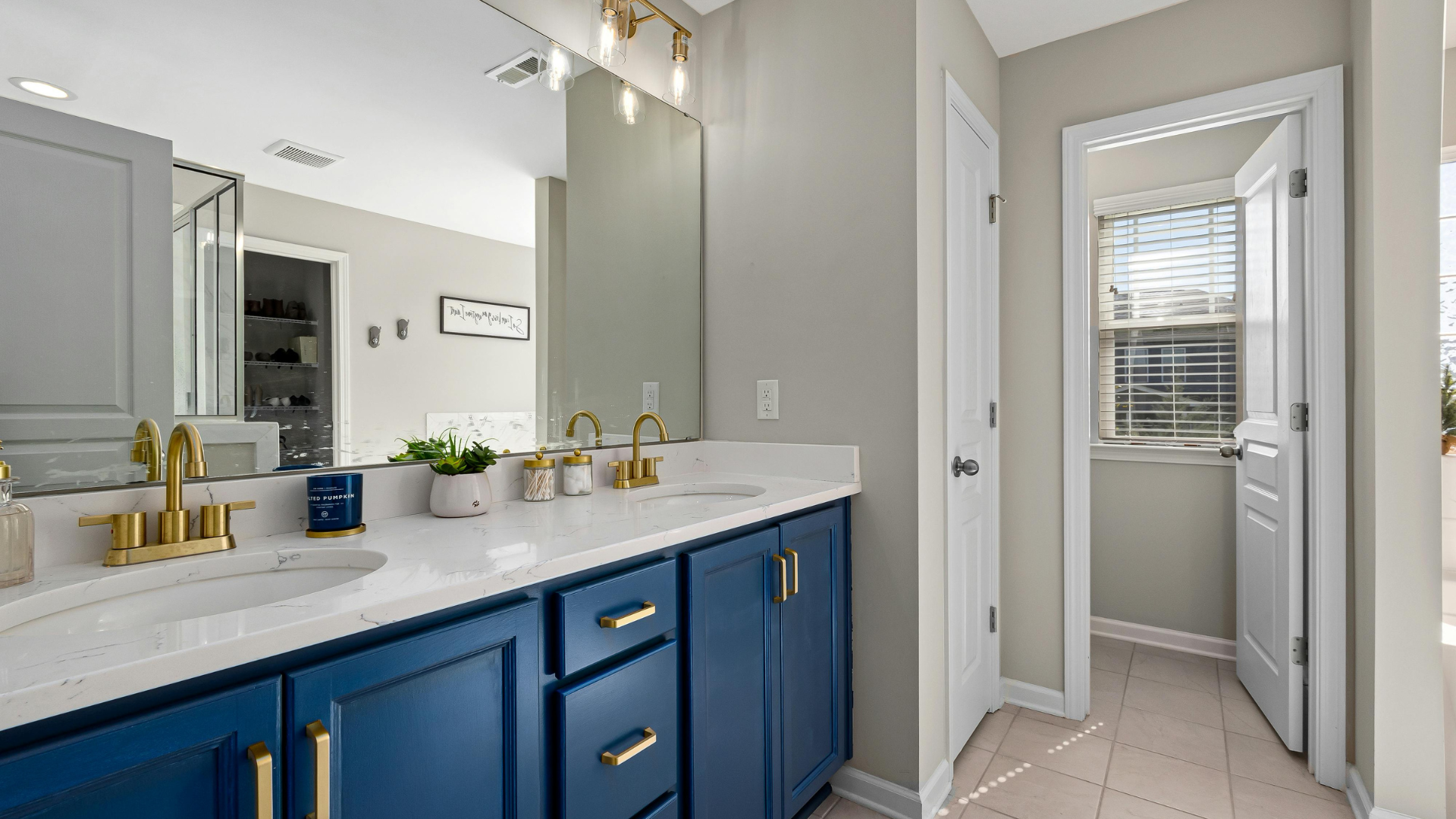
  • Important Updates: Replacing faucets, mirrors, and towel bars with modern options can create a fresh environment.
  • Design Elements: Neutral tile choices and stylish vanities promote a clean appearance that appeals to buyers.
  • Cost Insight: Minor bathroom remodels typically cost between $5,000-$10,000, with an ROI ranging from 60-70%. Making these changes can ensure a competitive edge in the market.

Boosting Efficiency and Comfort for Higher ROI

Enhancing a home’s efficiency and comfort can significantly impact its market value. It is possible to make practical upgrades that improve daily living while also yielding a solid return on investment.

Improving Energy Efficiency

Investing in energy-efficient appliances is a smart choice for homeowners seeking higher ROI. Energy Star-rated appliances use less electricity and water, leading to lower utility bills. This not only makes the home more affordable to maintain but also appeals to environmentally conscious buyers.

Incorporating smart home technology, such as programmable thermostats, can further enhance energy efficiency. These devices allow homeowners to control their heating and cooling more effectively, optimizing usage patterns. A home that showcases modern, energy-efficient features often not only sells faster but also at a higher price.

Beyond these appliances and technologies, investing in simple, high-impact upgrades can also significantly improve a home’s energy efficiency. For example, installing full height plantation shutters on windows helps reduce heat loss in winter. Furthermore, it keeps interiors cooler in summer, creating a more comfortable living environment while lowering energy bills.

In a similar vein, adding LED lighting throughout the home is another effective upgrade. LED bulbs use far less electricity than traditional bulbs while providing the same brightness, further enhancing efficiency and increasing appeal to buyers.

Upgrading Insulation and HVAC on a Budget

Improving insulation is a budget-friendly upgrade that contributes significantly to energy efficiency. Proper insulation keeps homes warmer in winter and cooler in summer, ensuring more consistent temperatures throughout the year. This improvement can be achieved through methods like weatherstripping, caulking, or adding insulation to attics and crawl spaces.

A commonly overlooked source of heat loss is the loft hatch itself; upgrading to an insulated, well-sealed access panel can reduce drafts and improve overall attic performance. Many modern options combine multiple insulation layers with draught seals and a low-profile design, making them easy to fit during a loft insulation upgrade without major disruption. For straightforward product choices and specifications that support airtightness, it may be beneficial to research information on plastic loft hatches. Addressing the hatch often complements other measures and helps lower heating costs over time.

Upgrading the HVAC system can also be done affordably. Homeowners can consider small fixes, such as cleaning ducts or replacing filters regularly, which improve air circulation and efficiency. If replacing the system, they can evaluate energy-efficient models that may qualify for rebates, ensuring that the investment pays off in reduced energy bills. Additionally, consulting with local HVAC contractors can also help identify the most cost-effective solutions and ensure the system is installed and maintained properly.

Small Touches: Natural Light and New Knobs

Bringing in natural light can dramatically enhance a home’s atmosphere. Installing larger windows or adding skylights to dark spaces can create a welcoming environment. Homeowners might also consider reflective surfaces or light-colored paint to maximize sunshine.

When considering skylight options, homeowners should look beyond basic units and favour products engineered for durability, energy performance, and code compliance. Bespoke rooflights can be specified to optimise daylighting while minimising heat loss and glare, supporting both comfort and lower lighting costs.

For detailed specifications and examples of safety-tested, code-compliant designs tailored to American roofs, see sites like sunsquareskylights.com. Thoughtful selection and professional installation help ensure skylights enhance aesthetics and deliver measurable long-term energy savings.

Additionally, updating knobs and handles on cabinets and doors is a simple yet effective way to modernize a home’s look. This minor change can refresh an outdated space without significant financial investment. When potential buyers notice these thoughtful details, it can positively influence their perception of the home’s value.

Color Combinations That Instantly Refresh Any Room: A Guide to Transforming Your Space

When it comes to refreshing a room, the right color combinations can have a transformative effect. Bold hues paired with soft neutrals create balance, while complementary colors add vibrancy and energy. By choosing the right palette, any space can feel renewed and inviting.

Colors evoke emotions and change perceptions of space. She can opt for a fresh blue and crisp white for a serene coastal vibe or combine warm yellows and greens for a lively, cheerful atmosphere. Each combination brings its unique essence to the room, making it essential to select colors that resonate personally.

Finding the ideal color pairings requires consideration of the room’s purpose and existing decor. A tranquil bedroom might benefit from muted tones, while a dynamic workspace can thrive with bright pops of color. With the right choices, anyone can create an environment that feels fresh and rejuvenates the spirit.

Understanding the Power of Color Combinations

Color combinations play a crucial role in shaping the ambiance of any room. They can evoke feelings and perceptions, influencing how space is experienced. Selecting the right color palette is essential in creating the desired atmosphere.

How Colors Impact Room Atmosphere

Different colors generate varying moods. For instance, warm colors like reds and yellows create energizing and vibrant spaces, while cool colors such as blues and greens promote calmness and relaxation.

Using contrasting colors can add depth to a room and highlight architectural features. For example, pairing a bold accent color against a neutral backdrop can create a striking focal point. Conversely, harmonious color schemes, where colors blend or complement each other, can invoke a sense of peace and cohesiveness.

The Psychology of Color in Home Decor

The psychology of color significantly influences interior decor choices. Each color can elicit emotional responses, shaping perceptions and interactions within a space.

  • Red: Energy and passion
  • Blue: Serenity and tranquility
  • Yellow: Optimism and warmth
  • Green: Balance and harmony

When considering a color scheme, it’s important to think about how a color may affect mood and behavior. For example, a cozy feel can be achieved through soft, muted colors that create warmth and comfort.

Choosing an Effective Color Palette

Selecting an effective color palette involves assessing the purpose of the room. Spaces meant for relaxation may benefit from softer tones, while areas for entertainment may incorporate bold colors for vibrancy.

A well-balanced palette typically includes a primary color, a secondary color, and accent colors. This combination fosters visual interest. It’s also vital to consider contrast. High contrast can energize a space, while low contrast promotes serenity. Ultimately, blending functionality with aesthetic appeal is key.

Fresh Color Pairings to Instantly Revitalize Spaces

Choosing the right color combinations can significantly enhance the atmosphere of any room. Specific pairings can provide a refreshing ambiance while also creating a harmonious balance.

Classic and Contemporary Blues

Blue is renowned for its calming effects. A range of shades, from pale blue to deeper hues, can be paired to create a sense of tranquility. Soft blues work well as wall colors, providing a soothing backdrop.

Accent colors like lavender or crisp white can elevate the look, adding freshness. For instance, a pale blue with vivid white trim can enhance natural light, making a space appear larger. Benjamin Moore offers various shades that emphasize both classic and modern aesthetics, suitable for diverse tastes.

Soothing Sage and Mint Duos

Sage and mint are excellent for creating a serene environment. These green hues evoke nature, encouraging relaxation.

Combining sage with a lighter mint can create a cohesive and refreshing palette. This duo is especially effective in kitchens and bathrooms, where a light, airy feel is desired. Adding accents in beige or muted taupe can warm up the space. This combination helps ground the greens while maintaining a fresh vibe.

Inviting Beige and Taupe Combinations

Beige and taupe serve as neutral bases that generate warmth in any room. When paired correctly, they can add sophistication without overwhelming the senses. Using a warm beige for walls while incorporating taupe in furniture or accents creates an inviting atmosphere. This combination works well in living areas or bedrooms, promoting comfort and relaxation. To spice up neutral tones, consider adding vibrant accessories like cushions or artwork in brighter colors. This strategy keeps the space lively while maintaining an inviting aesthetic.

Maximizing Refreshment With Creative Accents

Creative accents can significantly enhance a room’s vibrancy. By incorporating eclectic touches and utilizing natural light, one can refresh the atmosphere effectively.

Adding Eclectic Touches With Accent Colours

Accent colours play a pivotal role in transforming a space. Using bold and unexpected shades can create a striking contrast against neutral backgrounds. For example, a bright blue vase can pop against a soft white wall. Incorporating multiple accent colours in a coordinated way adds an eclectic feel.

Here are some ideas for effective accent colours:

  • Throw pillows: Mix patterns and colours to create visual interest.
  • Artwork: Choose pieces that reflect the chosen colour scheme.
  • Rug: Use a vibrant rug to anchor the room.

These touches not only enhance aesthetics but also express personal style.

Utilizing Natural Light to Complement New Schemes

Natural light is a powerful tool in interior design. It can dramatically affect how colours are perceived in a space. Rooms flooded with light can make soft pastels look fresh and invigorating. Conversely, deeper colours may feel richer and more inviting.

To maximize natural light, consider:

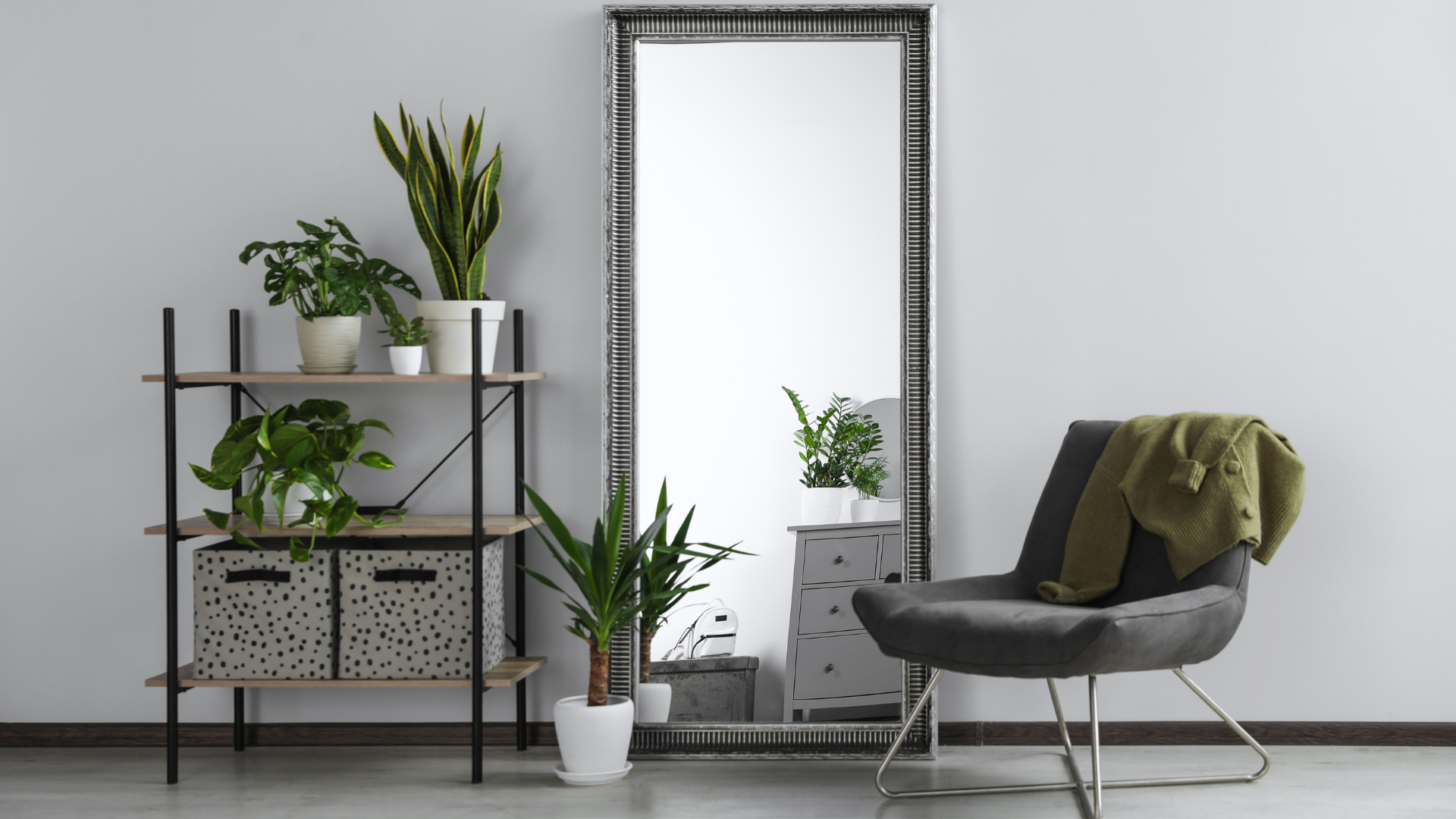
  • Mirrors: Placing mirrors strategically reflects light and expands the visual space.
  • Light fabrics: Sheer curtains allow sunlight to filter in while maintaining privacy.
  • Open layouts: Minimizing barriers allows light to flow through various areas.

By thoughtfully integrating these elements, one can enhance the interplay between light and colour, creating a refreshing environment.

Tips for Selecting and Implementing Color Schemes

When selecting and implementing color schemes for a room, it is crucial to consider contrast, the existing wall colors, and the function of the space. The right choices can enhance the overall feel and functionality of any area.

Balancing Contrast for a Cohesive Look

Achieving balance in contrast involves combining light and dark colors effectively. A room that is too dim may feel closed off, while one that is overly bright can seem chaotic.

  • Use a color wheel to identify complementary colors. Shades opposite each other tend to create high contrast.
  • Consider using different textures in the same color family to add depth. For example, matte and glossy finishes can enhance visual appeal without overwhelming the space.
  • Aim for a main color to dominate and two or three accent colors to bring vibrancy. This prevents color overload, ensuring a harmonious atmosphere.

Adapting to Wall Colours and Room Purpose

The existing wall colors significantly impact the choice of new hues. For instance, a room with dark walls benefits from lighter furniture or decor to balance the heaviness.

  • In a home office, cool colors like blues and greens can enhance focus, while warmer colors may stimulate creativity in a crafting space.
  • Breaking down walls with patterns can complement solid colors. Use wallpaper or decals to provide visual interest without overpowering the primary scheme.
  • Assess lighting conditions, as natural light alters how colors are perceived. Consider testing paint samples on walls to observe changes throughout the day.

Leveraging Analytics and Inspiration Sources

Drawing inspiration from analytics and design sources can guide color selection. Social media platforms often showcase trending palettes that resonate with current styles.

  • Use platforms like Pinterest and Instagram to discover popular combinations. Keywords like “refreshing color schemes” yield numerous relevant results.
  • Online tools can analyze user engagement data for popular color themes, helping to narrow down options that appear visually appealing to a broader audience.
  • Data from user interactions or preferences may inform decisions. Tracking which combinations garner more positive feedback enhances the likelihood of making favorable choices for any space.


DIY vs Professional Renovation: Weighing Your Options for Home Improvement

Homeowners often face the critical decision of choosing between DIY projects and hiring professionals for renovations. The answer largely depends on the complexity of the project, available skills, and budget constraints. While DIY can save money and offer a sense of personal achievement, professional renovations may provide expertise and efficiency that DIYers often lack.

Understanding the scope of the renovation is essential. For simple tasks like painting or landscaping, homeowners may feel confident tackling the work themselves. Yet, for more complicated projects involving electrical or plumbing work, relying on professionals can ensure safety and compliance with local regulations.

Ultimately, weighing the pros and cons of both options can lead to a successful renovation experience. By considering both personal skills and project demands, homeowners can make informed decisions that align with their visions and resources.

Understanding DIY and Professional Renovation

Homeowners often weigh the benefits of DIY projects against the option of hiring professionals for renovations. Each approach has distinct characteristics, implications, and outcomes that can significantly affect the renovation experience.

Definition of DIY Renovations

DIY renovations involve homeowners taking on projects without the direct assistance of professional contractors. This might include tasks such as painting, installing flooring, or building furniture. Many homeowners engage in DIY projects to save on labor costs or to infuse personal creativity into their spaces.

The DIY approach requires a certain skill level. Some tasks can be completed with minimal tools and materials, while others may necessitate advanced knowledge and equipment. Homeowners should consider their abilities, budget, and time commitment when choosing this route.

Definition of Professional Renovations

Professional renovations entail hiring skilled contractors, such as general contractors or specialized tradespeople, to manage and complete renovation tasks. Professionals bring expertise, tools, and often, a network of resources for sourcing materials. This route can streamline the renovation process, reducing the time and stress involved.

Professional contractors are usually licensed and insured, which adds a layer of security for homeowners. They often provide detailed estimates and timelines, allowing for clearer project expectations. Engaging a professional may come with a higher cost, but it can ensure higher quality and adherence to regulations. Additionally, for special cases like homes that have experienced significant water intrusion or mold issues, professional services become essential. For homes facing such challenges, companies like Flood Emergency Services can provide invaluable emergency response, thorough cleanup, and effective drying to help restore properties quickly and safely.

Key Differences Between DIY and Professional Approaches

The primary distinctions between DIY and professional renovations largely revolve around skill, cost, and quality.

Cost: DIY projects typically incur lower labor costs but may require investment in tools and materials, whereas hiring professionals entails higher upfront costs but can prevent unexpected expenses.

Quality: Professionals usually guarantee a higher level of workmanship because of their experience. Conversely, homeowners may achieve satisfactory results in simpler projects, but mistakes can lead to costly repairs.

Time and effort: DIY work demands significant time and effort, often stretching longer than expected. Professional renovations often adhere to a timeline, allowing homeowners to return to their lives more quickly.

Deciding between DIY and hiring professionals involves considering personal skill sets, budget constraints, and project complexity. Homeowners should evaluate which approach aligns best with their renovation goals.

Evaluating Project Scope and Suitability

Determining whether a renovation project is suitable for DIY or requires professional assistance involves evaluating the project’s complexity, required skills, and safety considerations. A clear understanding of these factors helps in making informed decisions.

Types of Renovation Projects for DIY

Certain renovation projects lend themselves well to DIY efforts. Tasks like painting, installing shelves, and updating fixtures are often manageable for individuals with basic skills. Bathroom and kitchen remodels can also be tackled, focusing on cosmetic changes like cabinet painting and tile installation. However, it is essential to avoid complex tasks requiring specialized knowledge.

Examples of projects not suited for DIY include structural repairs, major plumbing modifications, and extensive electrical work, where mistakes can lead to safety hazards.

When to Hire Professional Contractors

Some renovations are best left to the experts due to their complexity. Projects involving electrical wiring, plumbing, or structural changes typically necessitate professional oversight. Hiring a handyman or specialist may save time and prevent costly errors. This can be especially true when exploring renovation ideas for small homes, since limited space often requires creative design solutions and precise execution that professionals are better equipped to handle.

Additionally, when a renovation requires permits or compliance with local building codes, professionals ensure all regulations are met. Clients should consider their budget, timeline, and project scale when deciding to hire help. If a project significantly impacts the home’s structure or function, professional assistance is advisable.

Assessing Skill Levels and Safety Considerations

Before embarking on any renovation, individuals should assess their skills realistically. Tasks like light carpentry or basic electrical fixes may be within reach for those with experience. Conversely, newcomers should approach intricate jobs with caution.

Safety is paramount; understanding potential hazards related to plumbing or electrical work is essential. For complex projects, seeking professional help minimizes risk. Taking a comprehensive inventory of required tools and materials can also guide the decision-making process for DIY or professional engagement.

Cost, Quality, and Impact on Home Value

When considering renovation options, costs, quality of work, and the potential impact on home value are crucial factors. DIY projects may save money, but the quality and long-term value need careful evaluation.

Comparing Renovation Costs

DIY renovation costs typically include materials and tools. For example, a bathroom renovation may cost around $5,000 to $15,000 if done professionally, while a DIY approach can lower costs significantly, sometimes to $3,000 or less. Labor expenses significantly contribute to overall average costs, often making professional work more expensive.

  • Estimated Costs for Common Renovations:
    • Bathroom Renovation (Professional): $10,000 – $15,000
    • Bathroom Renovation (DIY): $3,000 – $8,000
    • Kitchen Remodel (Professional): $20,000 – $50,000
    • Kitchen Remodel (DIY): $10,000 – $30,000

Homeowners must assess whether saving money upfront outweighs the risks of potential costly mistakes.

Quality and Longevity of Finished Work

Quality in renovations varies significantly between DIY and professional projects. Professionals bring experience and skill, ensuring high-quality finishes and adherence to building codes. For instance, a skilled contractor can achieve a seamless tile job or durable cabinetry, which may not be attainable through DIY efforts. This difference is especially noticeable in areas that require specialized materials or techniques, such as flooring solutions. In settings like garages, basements, or commercial spaces, professionals from reputable firms like Surface Pros Epoxy Flooring can help to achieve such a solid foundation floor that’s both beautiful and built to last.

DIY projects often result in variable quality. Homeowners with limited experience may face issues, such as improper installation or material choices. This could lead to repairs or lay the groundwork for future problems, thus affecting the longevity of the work.

Furthermore, material selection and customization play a crucial role in ensuring the durability and functionality of any renovation project. Professionals assist homeowners in choosing durable, high-quality materials and surfaces designed to withstand daily use.

Moreover, homeowners searching online for “bathroom cabinets near me” or “kitchen countertops near me” often rely on professional services to access high-quality materials and expert craftsmanship, resulting in bathrooms and homes that are both beautiful and built to last.

Effect on Property Value

Renovations can positively impact property value, but the returns depend on the type of renovation and its execution. Professional work generally influences home value more favorably due to better quality and perception.

For instance, well-executed bathroom renovations can increase a home’s value by approximately 70% to 80% of the cost. In contrast, poorly done DIY efforts may result in a decrease in home appeal, ultimately reducing property value.

  • Typical Return on Investment (ROI) for Renovations:
    • Kitchen Remodel (Professional): 70% – 80% ROI
    • Bathroom Remodel: 60% – 70% ROI
    • Living Area Improvements: 50% – 60% ROI

Ultimately, the choice between DIY and professional renovation must balance cost, quality, and value impact comprehensively.

Making the Best Choice for Your Home

Deciding between DIY renovations and hiring professionals requires careful thought. Key factors include planning, budget constraints, legal obligations, and personal skill sets. Understanding these aspects will aid homeowners in making informed choices.

Planning and Budgeting for Success

Effective planning is the cornerstone of any successful renovation project. Homeowners should start by clearly defining their goals, whether it’s a kitchen remodel or bathroom renovation. A detailed budget is essential. Create a list of expected costs, including materials, labor, and unexpected expenses. Allocating an additional 10-20% for surprises is wise.

Tools like budgeting apps or spreadsheets can help track expenses. Planning should also include a timeline, ensuring all parties understand project expectations and deadlines.

Legal and Permit Considerations

Before starting any renovation, homeowners must be aware of legal requirements and permits. Many projects, especially structural changes, require permits from local authorities. Failing to obtain necessary approvals can lead to fines or mandatory removal of work.

Research local regulations related to zoning, safety codes, and environmental guidelines. Websites or local offices can offer valuable information. Engaging with professionals often ensures compliance with these regulations if they are unsure.

Tips for Choosing Between DIY and Professional Renovations

When considering DIY versus professional help, assess personal skills and experience. Simple tasks like painting or landscaping may be suitable for DIY. Complex jobs, like plumbing or electrical work, typically require a qualified expert. Homeowners should also factor in time availability. DIY projects often take longer and can disrupt daily life. In contrast, professionals usually complete work efficiently.

Finally, consider the desired quality and finish. Professionals deliver a level of detail that might be challenging for DIYers, especially in high-visibility areas like kitchens or bathrooms. Balancing these elements will guide decisions effectively.


Easy Ways to Update Your Interior Without Renovation: Simple Tips for a Fresh Look

Updating an interior space doesn’t always require a full renovation. Many people seek simple yet effective ways to refresh their surroundings without the hassle of major construction or high costs. Small changes can make a significant impact, transforming the look and feel of a room with minimal effort.

A few easy strategies can breathe new life into any interior. Swapping out accessories, such as cushions, art, or lighting, offers an immediate update. Rearranging furniture can also create a new layout, enhancing flow and functionality.

Color plays a vital role in interior design. Even just painting an accent wall or adding vibrant decor can change the atmosphere of a room. By incorporating these straightforward methods, anyone can achieve a stylish upgrade without extensive renovations.

Enhance Your Space with Color and Paint

Incorporating color and paint into a space can truly elevate its aesthetic without extensive renovation. Two effective strategies involve refreshing the walls and upgrading cabinetry, both of which can create a significant visual impact.

Refresh Walls with a Fresh Coat of Paint

A fresh coat of paint can completely transform a room. Choosing the right color is crucial; lighter shades can create a sense of openness while darker tones add depth and sophistication.

  • Preparation is Key: Start by preparing the walls. Clean any dust or dirt and patch holes for a smooth surface.
  • Choosing the Right Finish: Consider finishes such as matte, satin, or semi-gloss based on the room’s function. Satin and semi-gloss are ideal for high-traffic areas due to their durability.
  • Creative Techniques: Techniques like accent walls or ombre can add character. An accent wall in a bold color can serve as a focal point.
  • Test Samples: Always test paint samples on the wall to see how the color looks in different lighting throughout the day.

This simple update can breathe new life into tired interiors.

Upgrade Cabinetry without Replacing

Cabinetry can significantly influence a kitchen or bathroom’s appeal. Instead of replacing cabinets, which can be costly, painting them is a practical alternative.

  • Selecting the Right Paint: Use a high-quality paint specifically designed for cabinetry. This ensures a smooth finish and durability.
  • Surface Preparation: Clean the surfaces and consider sanding lightly for better paint adherence. Remove hardware to achieve clean lines.
  • Techniques for Success: Use a sprayer for an even finish or apply with a brush for a more textured look. Multiple thin coats are more effective than one thick coat.
  • Hardware Update: Combining painted cabinets with new hardware can enhance the overall look. Opt for modern handles or knobs to elevate the cabinet design.

These strategies can refresh the space effectively without needing complete replacements.

Transform Lighting and Fixtures

Enhancing the ambiance of a space can be achieved through thoughtful upgrades to lighting and fixtures. By focusing on pendant lights and hardware updates, individuals can significantly alter the interior design and feel of their homes.

Install Pendant Lights for a New Look

Pendant lights serve as striking focal points in any room. They come in various styles, from modern metallic to rustic glass, allowing for personalization that complements existing décor.

Choosing the right size is crucial. A large pendant may overwhelm a small room, while several smaller pendants can create visual interest without cluttering the space. He or she should ensure that the installation height allows for adequate illumination without obstructing sight lines.

Placement matters as well. Hanging pendant lights over dining tables or kitchen islands can create both functionality and style, enhancing the dining experience. Additionally, existing wiring can often be utilized for a seamless update.

Update Hardware and Fixtures

Updating hardware and fixtures can drastically refresh a space’s appearance. Simple changes such as replacing cabinet handles, doorknobs, or light switch plates can make a marked difference without significant investment.

Opt for finishes that align with the overall design theme. For instance, matte black or brushed gold can provide a contemporary feel, while antique brass may suit a vintage aesthetic. When selecting new hardware, it’s helpful to consider the scale and proportion relative to the furniture and architecture.

Incorporating new light fixtures, such as wall sconces or lamps, further elevates the room’s design. These adjustments not only enhance functionality but also contribute to the mood of the interior, showcasing personal style and attention to detail.

However, when these updates involve more complex electrical systems, hiring a professional becomes essential. Changes such as installing new lighting layouts, upgrading wiring, or modifying power sources often require technical expertise to ensure safety and compliance with regulations.

For instance, if the renovation involves upgrading or reconfiguring electrical panels to match the new design, searching online for “electrical panel replacement near me” can help homeowners find qualified experts who can complete the work safely and efficiently.

Add Style with Functional Decor

Incorporating functional decor enhances the aesthetics of a space while also serving practical purposes. This approach makes interiors look inviting and organised without requiring major renovations. For instance, you can approach a reputable flooring company sanford nc or in your area for carpeting your living room. Carpeting providers in general tend to have multiple style options, and the installation itself can have unmatched comfort for the feet and sound-dampening properties. This, in turn, can elevate your style as well as the comfort level of the space.

Incorporate Floating Shelves for Versatile Display

Floating shelves are a popular choice in interior design due to their ability to provide both storage and display options. They can be mounted on walls to showcase books, plants, or decorative items, which adds character to a room.

Utilizing different shelf sizes and arranging them in a visually appealing manner helps create a focal point. It is important to consider the color and material of the shelves to ensure they complement existing decor. Placing shelves at varied heights can add visual interest and enhance the room’s overall style. This solution not only keeps items accessible but also frees up floor space, making the area feel larger.

Refresh Textiles and Accessories

Updating textiles can dramatically change the feel of a room with minimal effort. Introducing new throw pillows, blankets, or curtains in fresh colors or patterns can redefine a space. Choosing durable and easy-to-clean materials ensures that the decor remains functional. Mixing different textures, such as combining soft fabrics with metallic or wooden accents, adds depth to the design.

Accessories like rugs and art pieces are also crucial for tying together the room’s theme. They should be selected to harmonize with other elements, creating a cohesive look while maintaining functionality.

Rearrange Furniture for Better Flow

Adjusting furniture placement is a simple yet effective way to refresh a space. By rearranging furniture, it can enhance movement and interaction within a room. It is essential to consider the room’s purpose when moving items. For example, creating an inviting conversation area encourages social interaction.

Maintaining clear pathways improves functionality and makes the space feel more open. Additionally, utilizing multi-functional furniture can help maximize both style and space efficiency.

Simple Updates for Kitchens and Common Areas

Making simple updates in kitchens and common areas can drastically enhance their appeal without large-scale renovations. Focusing on cabinetry and smart organization solutions can create a fresh new look.

Easy Kitchen Makeover Tips

A kitchen makeover can start with cabinetry, as updating cabinets often has the most immediate visual impact. Painting the cabinets in a lighter color can brighten the space significantly, while using semi-gloss paint not only reflects light to enhance the room’s ambiance but also makes cleaning easier in high-use areas.

Adding new hardware to cabinets is another straightforward update. Swapping out old handles and knobs for modern options can refresh the look instantly. Consider brass or matte black finishes for a contemporary touch. Along with color, updating hardware provides a quick and noticeable transformation. Swapping out old handles and knobs for modern options can refresh the look instantly, and finishes such as brass or matte black add a contemporary touch. Open shelving is another practical update to consider. Replacing upper cabinets with shelves displays dishware and creates an airy, open feel, which can make smaller kitchens appear larger and more inviting.

Beyond cabinetry and shelving, flooring plays a key role in both aesthetics and durability. Paying careful attention to flooring enhances the overall look while ensuring the kitchen remains practical for daily use. For instance, wooden floors can benefit from refinishing, which restores their natural beauty, improves durability, and adds comfort underfoot. Homeowners seeking to refresh such wooden kitchen floors can turn to professional services specializing in Floor Sanding East London (or elsewhere), who can expertly restore floors through sanding. Such an approach can revitalize wooden floors, complement newly updated cabinetry, and ensure the entire kitchen feels thoughtfully refreshed.

Maximize Small Spaces with Smart Solutions

In smaller kitchens, maximizing space is crucial. Pull-out shelves or lazy Susans in corner cabinets can improve access. These solutions help utilize every inch effectively. Consider incorporating magnetic strips for knives and metal utensils. This addition frees up drawer space and keeps essentials within reach.

Utilizing vertical space is essential. Tall cabinets or shelving will draw the eye upward, creating an illusion of height. Hooks for pots and pans can also add both style and function. Incorporating these updates does not require extensive work. Small changes can provide significant benefits, making the kitchen both functional and stylish.


How to Boost Your Property Value with Simple Upgrades: Effective Strategies for Homeowners

Many homeowners seek to increase their property’s value without undertaking significant renovations. Simple upgrades can deliver substantial returns, making properties more appealing to potential buyers. Understanding which updates provide the best value can help homeowners make informed decisions.

Upgrades such as fresh paint, landscaping, and kitchen enhancements can transform a space’s appeal. Even small changes, like new fixtures or decluttering, can create a more inviting environment. These adjustments not only enhance aesthetics but also resonate with potential buyers’ preferences.

Investing time or resources into thoughtful upgrades can yield impressive results. By focusing on strategic improvements, homeowners can make their properties stand out in a competitive market. Exploring the options available will empower them to maximize their property value effectively.

Essential Upgrades to Instantly Increase Property Value

Simple upgrades can significantly enhance property value. Focusing on areas like walls, fixtures, and lighting allows for impactful transformations without extensive remodeling.

Refresh Walls With a Fresh Coat of Paint

Applying a fresh coat of paint is one of the easiest and most cost-effective ways to boost value. Neutral colors, such as soft grays or beiges, appeal to a broad audience and create a clean backdrop for potential buyers.

Using high-quality paint ensures durability and a professional finish. One can also consider hiring professional painters in Edmonton (or elsewhere) for the job, to ensure that there are no mishaps. This investment pays off by attracting more buyers and making rooms appear larger and brighter. Consider using semi-gloss paint for trim and moldings to add an elegant touch. In addition to aesthetics, a fresh paint job protects against wear and tear. New paint can hide imperfections and give the entire property a well-maintained appearance.

Upgrade Fixtures and Hardware

Upgrading fixtures and hardware can make a significant difference in a home’s appeal. Modern faucets, cabinet knobs, and light switches add a contemporary feel, enhancing the overall design. Opt for finishes like brushed nickel or matte black, which tend to be popular among buyers. These small details contribute to a modern aesthetic and create a cohesive look throughout the property.

Replacing outdated light fixtures with stylish alternatives can also make a room feel more inviting. Buyers often appreciate the effort put into these minor details, recognizing their impact on property value.

Enhance Lighting for a Modern Look

Good lighting is essential in showcasing a property’s features. Adding layer lighting, such as recessed lights or pendant fixtures, can brighten up key areas and create an inviting atmosphere. Consider installing dimmer switches to allow for adjustable lighting scenarios. This feature adds versatility and increases the perceived value of the home.

Maximize natural light by keeping window treatments light and airy. Clean windows also contribute to a brighter space. A well-lit home not only feels more welcoming but also highlights its best attributes to potential buyers.

Maximizing Curb Appeal for Greater Resale Value

Boosting a property’s curb appeal significantly enhances its resale value. Simple changes to landscaping, front entryways, and exterior surfaces can make a substantial impact.

Improve Landscaping and Outdoor Spaces

A well-maintained yard creates an inviting atmosphere. Start by mowing the lawn regularly and edging along borders. Planting colorful flowers and shrubs adds vibrancy. Consider installing decorative elements like flower beds or planters. Mulching not only improves aesthetics but also retains moisture, benefiting plants. For those who don’t have the time or equipment, professional assistance from Ocala Lawn Mowing services, or from elsewhere, can help in keeping the landscape pristine to give a polished and inviting look all year round.

Key tips:

  • Seasonal Flowers: Choose perennials for low-maintenance beauty.
  • Pathways: Neatly lined pathways guide visitors and enhance the property’s flow.

These improvements make a lasting impression and are worthwhile investments.

Revamp the Front Entryway

The front entryway is the focal point of curb appeal. Updating the front door can completely transform the look of a home. A fresh coat of paint in a bold color can draw attention. Adding new house numbers and a welcome mat creates a friendly environment. Consider enhancing lighting fixtures for both security and design.

Enhancement ideas:

  • Stylish Hardware: Modern handles and locks improve both form and function.
  • Seating Area: If space permits, a small bench or chairs can invite interaction.

These updates lead to a welcoming first impression, boosting resale potential.

Clean and Repair Exterior Surfaces

Maintaining clean exterior surfaces is essential. Pressure washing siding, driveways, and walkways removes dirt and grime, instantly refreshing the home’s appearance. Make any necessary repairs, from fixing broken fences and restoring worn-out siding to ensuring garage doors are fully functional with the help of a reliable garage door repair Greenwich CT or other locations.

Essential tasks:

  • Paint Touch-ups: Address chipped or faded paint to protect against weather damage.
  • Window Cleaning: Sparkling windows enhance visibility and light inside.

Regular upkeep reflects on homeowners’ pride and can significantly improve the property’s marketability.

Simple Interior Upgrades That Sell Your Home Faster

Focusing on specific interior upgrades can significantly enhance a property’s appeal and value. The following enhancements are impactful, straightforward, and often yield a higher return on investment when selling a home.

Modernize Kitchen and Bathroom Details

Updating kitchen and bathroom fixtures can transform outdated spaces. Consider replacing old hardware with contemporary options, such as brushed nickel or matte black finishes. Installing a stylish backsplash can add a modern touch; options like subway tiles or bold patterns work well.

Cabinet refinishing is another effective upgrade, providing a fresh, polished look without complete replacement. New countertops, whether quartz or granite, improve aesthetics and functionality. In bathrooms, consider modern lighting fixtures and water-efficient faucets. Small details make a significant impact. Engaging a professional to install these upgrades can ensure quality and enhance visual appeal.

Add Energy-Efficient Features

Energy-efficient upgrades not only attract environmentally-conscious buyers but also reduce utility costs. Consider installing energy-efficient appliances in the kitchen, which can save money in the long run.

Adding double-pane windows improves insulation, making homes more comfortable and reducing energy consumption. Smart thermostats allow homeowners to control temperatures remotely, offering both convenience and savings. Topping up insulation in attics and walls can further boost energy efficiency. This creates a cozier environment while appealing to buyers looking for sustainable living options.

To evaluate potential gains, homeowners should inspect existing windows for drafts, fogging between panes, or difficulty operating — common signs that replacement will improve comfort and lower bills. Local specialists can provide on-site assessments and recommend appropriate glass, frame, and installation options for a given climate; for Middle Tennessee homeowners, resources such as Willow Window can help outline efficient double-pane replacements and professional installation considerations. Comparing product U-values and warranty terms helps ensure long-term savings. Scheduling a consultation before listing a home often strengthens buyer appeal and resale results.

Optimize Storage and Organization

Effective storage solutions can significantly enhance a home’s functionality and appeal. Adding built-in shelving in living areas and bedrooms creates more space while keeping items organized. Consider implementing closet systems in bedrooms. These can maximize storage and create a more luxurious appearance. Spaces that appear clutter-free attract buyers; hence, decluttering and organizing can make a substantial difference.

In kitchens, adding pull-out shelves or pantry organizers helps utilize space efficiently, enhancing the kitchen’s overall look. These steps can lead to quicker sales and higher offers, making them worthwhile investments.


Why Sir Walter Grass Is a Top Choice for Home Lawns

Creating a perfect home lawn takes more than regular mowing and the occasional sprinkler run. It all starts with choosing the right grass. If you’re on a mission to transform your yard into a lush, green haven, you might have come across Sir Walter grass. But what makes it such a standout choice? Here, we’ll explore the benefits, care requirements, and unique qualities that make Sir Walter grass one of the top options for home lawns in Australia.


What is Sir Walter Grass?

Let’s start with a quick introduction. Sir Walter Buffalo grass is an Australian-bred turf variety, specifically developed to thrive in the diverse Australian climate. Unlike other turf types, Sir Walter grass Perth is known for its resilience, adaptability, and striking green colour, which it holds year-round with proper care. Its soft, broad leaves are not only easy on bare feet but also great for family-friendly spaces, as they’re gentle for kids and pets.


The Appeal of Sir Walter Grass: Why Homeowners Love It

Sir Walter’s popularity is no coincidence. There are some pretty specific reasons homeowners keep coming back to this grass:

  • Unmatched Durability – Sir Walter grass handles the ups and downs of Australia’s climate, from scorching summers to cool winters. It’s particularly drought-tolerant, making it ideal if you’re looking to conserve water without sacrificing lawn health.
  • Low Maintenance – Who doesn’t love a beautiful lawn without the constant upkeep? Sir Walter requires less fertiliser and only needs mowing around once a week in summer, making it ideal for those who prefer a low-maintenance lawn.
  • Shade Tolerance – Not every grass type can handle shady spots, but Sir Walter thrives in partial shade. With 60–70% shade tolerance, it’s perfect if your yard has large trees or shaded areas near buildings.
  • Self-Repairing Nature – Got patches? No problem. Sir Walter spreads sideways and quickly fills in bare spots, meaning it can recover on its own from regular wear and tear.
  • Pest and Disease Resistance – Thanks to its dense growth, Sir Walter naturally resists many pests and weeds. This characteristic helps reduce the need for harsh chemicals and keeps maintenance time to a minimum.

How to Plant Sir Walter Grass Successfully

Setting up a Sir Walter lawn doesn’t have to be complicated, but getting it right from the start ensures a thriving lawn later. Here’s what you need to know to plant and establish Sir Walter grass effectively.

  1. Preparation is Key: Clear the area of any debris, weeds, or old grass. A clean, level surface gives Sir Walter the best chance to establish roots and grow evenly.
  2. Soil Quality: Ensure your soil is loose and well-draining. Sir Walter can tolerate a range of soils but performs best in soil that’s been enriched with organic matter or a quality lawn starter mix.
  3. Lay Turf Properly: When you’re ready to lay the turf, avoid gaps by placing pieces tightly together. This will help prevent weeds from creeping in and allow for a uniform lawn appearance as the turf knits together.
  4. Water Wisely: After laying your turf, water it generously to help roots take hold. For the first couple of weeks, keep the soil moist but not waterlogged. Once established, Sir Walter requires only occasional watering, especially in summer.
  5. Initial Mowing: Give it a few weeks before the first mow. Once the grass feels well-rooted and firm, mow high to encourage deep roots and thicker growth. Then, continue with regular mowing to keep your lawn looking sharp and healthy.

Caring for Your Sir Walter Lawn: Tips for Long-Term Success

Once your lawn is established, keeping it healthy is relatively straightforward. Here’s a breakdown of the essential care steps for maintaining your Sir Walter grass:

  • Mowing: Sir Walter prefers to be mowed to a height of 2-5 cm. Mow weekly during the warmer months, but you can stretch it to every two weeks in winter when growth slows down.
  • Watering: Despite its drought resistance, Sir Walter appreciates a deep watering during prolonged dry periods. Aim for a soaking every 10–14 days in summer and adjust based on rainfall.
  • Fertilising: For best results, fertilise Sir Walter twice a year – once in spring and again in autumn. Use a slow-release fertiliser to encourage steady growth and maintain colour.
  • Aerating and Dethatching: Over time, Sir Walter can develop a layer of thatch (old, dead grass) that blocks air and water from reaching the roots. Aerate and dethatch your lawn every couple of years to promote healthy root development.

Common Myths About Sir Walter Grass – Cleared Up

As popular as it is, there are a few misconceptions about Sir Walter grass that deserve clarification:

“Sir Walter Needs Lots of Water” 

While it benefits from an occasional deep watering, Sir Walter actually uses less water than many other types. Its drought tolerance makes it a great choice for areas with water restrictions.

“It Can’t Handle Cold Weather” 

This is another common myth. Sir Walter is more cold-tolerant than people think and holds up well in Australian winters, retaining its green colour better than many other varieties.

“Sir Walter Attracts Pests” 

Its dense growth naturally limits pest issues, meaning fewer applications of pest control products are needed.

Why Sir Walter is Worth It

If you’re weighing up grass options, the unique qualities of Sir Walter make it worth the investment. It’s not just about appearances, either. Sir Walter offers both durability and flexibility, making it a practical choice whether your lawn is the centre of family activities or a space to relax. It’s the kind of grass that saves you time and water while keeping your lawn green and inviting. Its ability to thrive in challenging conditions and its minimal maintenance make it ideal for many Australian households.


Transform Your Lawn with Sir Walter

Sir Walter grass offers a combination of beauty, resilience, and ease of care that’s hard to beat. If you’re after a lawn that looks great, requires less work, and stands up to the elements, it’s hard to go past this choice. So, if you’re ready to enjoy a lush, low-maintenance lawn that adds both beauty and value to your home, Sir Walter might just be the answer you’ve been looking for.

How to Choose the Right Fence for Your Home: A Comprehensive Guide

Choosing the right fence for your home can be a bit of a balancing act. You want something that looks good, fits your budget, and serves its purpose. Whether you’re looking for more privacy, increased security, or simply enhancing your curb appeal, there’s a perfect fence out there for you.


What Do You Want the Fence to Do?

The first step in selecting the right fence is understanding what you need it for. Not all fences are built the same, and their functionality can vary widely. So, take a moment to ask yourself: What’s the primary purpose of this fence?

  1. Privacy: Are you looking to keep your backyard conversations private from nosy neighbors?
  2. Security: Do you want something sturdy enough to keep intruders out or pets and children in?
  3. Aesthetic appeal: Maybe you just want a fence that adds a stylish touch to your home’s exterior.
  4. Noise reduction: Some fences are designed to act as sound barriers, helping reduce noise pollution.
  5. Boundaries: Sometimes, a simple demarcation between properties is all that’s needed.

Knowing your main goal will help you narrow down your options significantly. For example, if privacy is one of your main objectives, Trex Fencing seclusions are definitely worth considering. Plus, they offer additional benefits too. So, really think about what you want to achieve and then consider your options.


Different Types of Fencing Materials

Once you know what you need the fence to accomplish, it’s time to consider the materials. Each type of material offers different benefits and drawbacks, so it’s essential to match the material to your needs.

1. Wood Fences

Wood is the classic choice when it comes to fencing. It’s versatile, offering options from rustic to modern designs. You can easily stain or paint wood fences to match your home’s aesthetic. However, wood does require maintenance-staining, painting, and sometimes even replacing boards after they wear out.

  • Pros: Warm and natural appearance, highly customizable.
  • Cons: Prone to rot, insect damage, and warping if not maintained.

2. Vinyl Fences

Vinyl fences have gained popularity for being low-maintenance. They don’t require staining or painting, and they are resistant to pests and rot. Plus, they come in a variety of styles that mimic the look of wood without all the upkeep.

  • Pros: Low maintenance, long-lasting, available in various styles.
  • Cons: Can be more expensive upfront than wood, fewer design options.

3. Aluminum Fences

If you’re looking for a sturdy, stylish, and low-maintenance option, aluminum fencing might be the way to go. It’s a great choice for decorative purposes or securing a pool area. While it doesn’t offer the same level of privacy as wood or vinyl, it excels in terms of security.

  • Pros: Low maintenance, durable, weather-resistant.
  • Cons: Not ideal for privacy, higher upfront cost.

4. Chain-Link Fences

Chain-link fences are highly functional and budget-friendly. They’re often used for keeping pets contained or securing larger areas like backyards. However, they’re not exactly known for their aesthetic appeal. While you can add slats for more privacy, they’re still primarily used for practicality over beauty.

  • Pros: Affordable, easy to install, durable.
  • Cons: Limited privacy and aesthetic appeal, not ideal for front yards.

5. Composite Fences

Composite fencing is made from a mixture of plastic and wood fibers, combining the benefits of both materials. It offers the look of wood without a high level of maintenance, and it’s incredibly durable. However, like vinyl, it can come with a higher price tag.

  • Pros: Low maintenance, wood-like appearance, durable.
  • Cons: Higher upfront cost, limited color options.

Considering Your Budget

When choosing the right fence, your budget will play a big role. The costs can vary based on the material, the size of the fence, and labor for installation. Here’s a rough breakdown:

  • Wood: Mid-range cost but requires maintenance over time, adding to the long-term expense.
  • Vinyl: Higher initial cost, but lower maintenance costs make it more affordable over time.
  • Aluminum: High upfront costs but very low maintenance costs.
  • Chain-link: Most affordable upfront, but less aesthetically pleasing.
  • Composite: On the expensive side, but low maintenance makes it cost-effective in the long run.

Take into account not only the initial purchase price but also the long-term costs of upkeep and repairs.

Height and Design: Don’t Forget to Check Local Regulations

Before you get too far into your decision-making process, you’ll want to check local building codes and homeowners’ association regulations (if applicable). Some areas have restrictions on the height and material of fences, particularly in front yards. Your ideal 6-foot privacy fence might not fly with your local council if there are height restrictions in place.

Also, consider how the design of the fence will complement your home. The right fence can enhance your home’s look, while the wrong one can clash and lower its appeal. After deciding on the material for your fence, you can contact fencing contractors ashford (or elsewhere) to ensure expert installation of durable, well-designed fencing.

Durability and Climate Considerations

Climate plays a big role in how well your fence will perform over time. If you live in an area with extreme weather, you’ll want to choose a material that can withstand the elements.

  • Wood fences can warp in humid climates or rot in areas with heavy rainfall.
  • Vinyl and composite fences hold up well in most climates but may become brittle in extremely cold temperatures.
  • Aluminum fences are rust-resistant, making them ideal for areas with lots of rain or humidity.

Choosing the right fence material for your climate will ensure you don’t have to deal with frequent repairs or replacements.

Installation: DIY or Hire a Pro?

Before moving forward, ask yourself whether you’re comfortable installing the fence yourself or if you’d prefer to hire a professional. Some fences, like chain-link, are easier to install on your own, while others-such as wood and vinyl-may require the expertise of a skilled Fence Builder to ensure they are properly and evenly set up.

Remember, if you’re leaning toward a DIY approach, make sure you have the right tools and enough time to get the job done. However, if you’re unsure or want to guarantee long-lasting results, hiring a professional might be worth the extra expense to ensure your fence stands strong for years to come.

Making the Right Choice

With all the different options available, choosing the right fence can feel overwhelming. But by considering your needs, budget, and local regulations, you’ll be well on your way to making the perfect choice. Take your time, weigh the pros and cons, and enjoy the transformation a new fence can bring to your home!

9 Signs Your Swimming Pool Pump Needs Immediate Repair

A swimming pool is a dream for many, especially when the weather heats up. But keeping that sparkling oasis running smoothly requires a bit of attention. One of the most essential components? The pool pump. It’s the heart of your pool system, circulating water to keep it clean and safe. But like any equipment, pool pumps can develop issues over time. The trick is catching those problems early before they become costly headaches.


1. Unusual Noises

One of the most obvious signs your pool pump is in trouble is a change in sound. If you notice your pump making grinding, screeching, or rattling noises, that’s not normal. Pumps should hum smoothly in the background. Loud, strange noises often point to issues with the motor or bearings. Ignoring these sounds could lead to more severe damage and expensive repairs, which is why you need to look for experts in pump repairs Perth sooner rather than later.


2. Reduced Water Flow

Have you noticed the water flow in your pool seems weaker than usual? A pool pump’s job is to circulate water through the system. If it’s not doing that effectively, it could indicate a blockage, clogged filter, or even an impeller problem. Reduced water flow is a sign that your pump isn’t working efficiently, which could affect the overall cleanliness of your pool.


3. Frequent Tripping of the Circuit Breaker

Does your circuit breaker keep tripping every time your pool pump is on? This is a definite red flag. It’s possible that the pump motor is overheating or drawing too much power. Electrical issues are not something to ignore, as they can lead to more significant problems or even pose safety risks. If you’re constantly resetting the breaker, it’s time to call in a professional to diagnose the problem.


4. Leaking Water

Water leaking from the pump is never a good sign. Pool pumps are designed to be watertight, so if you see puddles around the pump or notice drips, it could indicate a damaged seal, cracked housing, or even loose fittings. A leaking pump will not only waste water but can also lead to bigger issues if not addressed quickly. Get in contact with a Delmarva DE emergency plumber (or a plumber in your area) to take a look and administer a solution as soon as possible.


5. Air in the Pump Basket

When everything is working properly, the pump basket should be full of water. If you see air bubbles in the pump basket, or notice air being sucked into the system, this is a sign of a potential leak somewhere in the suction side of the pump. Air can cause the pump to lose its prime, which means it won’t be able to pull water through the system effectively.


6. Pump Won’t Start or Stops Randomly

If your pump refuses to start or cuts out during operation, there could be a variety of issues at play. Sometimes, it’s a simple electrical problem, but it could also be something more serious, like motor failure or overheating. A pump that doesn’t run consistently is a clear indication that something isn’t right, and it needs immediate attention.


7. Increased Energy Bills

An unexpected rise in energy bills can be an early warning that your pool pump isn’t performing as it should. When pumps lose efficiency, they work harder to maintain circulation, which leads to higher electricity usage. If you’ve noticed a sudden spike in costs, it may be time to have your equipment inspected through a professional pool maintenance and spa service to identify issues early and restore optimal performance.


8. Visible Wear and Tear

Take a close look at your pool pump. Does it look a bit worse for wear? Cracks, rust, and general wear and tear can all indicate that your pump is reaching the end of its life. Over time, exposure to the elements can take its toll on the pump housing and internal components. Regular visual inspections can help you spot these issues before they lead to complete pump failure.


9. Water Isn’t Being Filtered Properly

If you’ve noticed your pool water looking murkier than usual or debris remaining in the water despite running the filter, your pump may not be circulating water efficiently. A faulty pump can’t pull water through the filter correctly, meaning your pool’s filtration system won’t be able to do its job. If your pool’s cleanliness starts to suffer, your pump could be the root of the problem.


What Should You Do If You Spot These Issues?

If you’ve noticed one or more of these signs, it’s best not to delay. Continuing to run a malfunctioning pool pump can cause more damage to the entire pool equipment system, leading to costly repairs down the road. Instead, it’s wise to:

  • Turn off the pump to prevent further damage.
  • Contact a professional to inspect the pump and identify the problem.
  • Get it repaired or replaced promptly, depending on the severity of the issue.

Pool pumps are a critical part of maintaining the health of your swimming pool, so addressing problems early can save you time, money, and frustration.

Keeping Your Pool Pump in Good Health

Like most things, regular maintenance is the key to avoiding bigger problems. To extend the life of your pool pump and keep it running smoothly, consider the following:

  • Regularly clean the filter and remove debris from the pump basket.
  • Check for leaks around the pump regularly.
  • Monitor energy consumption to catch any inefficiencies early.
  • Schedule professional inspections at least once a year to catch any potential issues before they become big problems.

Your pool pump is an investment in your enjoyment and comfort, so don’t ignore it when it starts showing signs of trouble. Keep an eye (and ear) out for these symptoms, and act quickly to keep your pool in perfect condition.

How to Prepare Your Home for Guests: Essential Tips for a Warm Welcome

Preparing a home for guests involves creating a welcoming atmosphere that blends comfort and functionality. A few simple steps can transform any space into an inviting retreat for visitors. From decluttering shared areas to ensuring adequate seating arrangements, thoughtful preparation makes a significant difference in the guest experience.

Attention to detail is essential in this process. She should ensure that the guest bathroom is stocked with essentials like towels and toiletries, as well as providing a few cozy touches such as decorative pillows or fresh flowers in common areas. This not only enhances the aesthetic appeal of the home but also conveys hospitality.

Lastly, planning meals ahead of time can streamline the hosting experience. They might consider accommodating dietary preferences and having snacks or beverages readily available. This level of care demonstrates genuine consideration for guests, making their stay enjoyable and memorable.

Getting Your Home Guest-Ready

Preparing a home for guests involves several key steps to ensure comfort and functionality. This includes organization, cleaning, and addressing any odors while maintaining a welcoming atmosphere.

Declutter and Organize Key Spaces

To begin, it is essential to declutter areas where guests will spend time, such as the living room, dining area, and bathroom. Start by removing unnecessary items from surfaces and furniture.

Here’s a quick list of tasks to consider:

  • Clear countertops and tables of personal items.
  • Organize bookshelves and entertainment areas.
  • Create space in closets for any belongings guests may bring.

Each space should invite relaxation, so eliminate distractions. If needed, use storage bins and baskets for miscellaneous items. This approach ensures that every room appears intentional and prepared for visitors.

Thorough Cleaning of Common Areas

Next, a thorough cleaning of common spaces is vital. Focus on high-traffic areas like the kitchen, living room, and bathrooms.

Prioritize the following tasks:

  • Dust surfaces: Make sure to use microfiber cloths to catch dust effectively.
  • Vacuum carpets: This step refreshes the room and removes allergens.
  • Mop floors: A clean floor enhances the overall appearance and hygiene.

Pay special attention to guest-accessible items, like throw pillows and blankets. Using chalk paint on furniture, if it needs a refresh, can also give a new life to worn surfaces. A clean and inviting environment contributes significantly to guests’ comfort.

Addressing Odors and Ventilation

Finally, addressing odors and ventilation is crucial to ensure pleasant air quality throughout the home. Start by opening windows to allow fresh air circulation, particularly if the area feels stuffy.

Consider these tips:

  • Use air purifiers: They can filter out unwanted smells and allergens.
  • Scented candles or essential oils: These create a welcoming aroma without being overpowering.
  • Regularly check for hidden sources of odors, like trash cans or refrigerator spills.

For the best results, maintain a consistent routine to keep odors at bay, especially in preparation for holiday guests. A well-ventilated space promotes comfort and relaxation, making it ideal for both short and long-term stays.

Preparing Comfortable Guest Rooms

Creating a welcoming environment in the guest room enhances the experience for overnight guests. Specific setups and thoughtful additions contribute to comfort and convenience, ensuring a pleasant stay.

Setting Up the Guest Bedroom

The guest bedroom should be clean and inviting. Fresh linens on the bed create a sense of comfort. A neatly made bed, combined with attractive pillows, enhances the aesthetic.

An alarm clock should be easily accessible, allowing guests to manage their time effortlessly. Consider adding a bedside table or shelf for personal items. Space for luggage, such as a luggage rack, will keep the room tidy. A controllable fan or heating option gives guests control over the room temperature. Ensure adequate lighting, both natural and artificial, to cater to various preferences.

Providing Extra Blankets and Pillows

Offering extra blankets and pillows is essential for guest comfort. Some guests may prefer more support or warmth during their stay. A variety of pillows—such as firm or soft options—can cater to individual preferences. A designated storage space for these items, like a decorative basket or a closet shelf, makes them easy to access. Guests will appreciate the thoughtfulness of having options at their disposal.

Thoughtful Additions for Overnight Guests

Small touches can significantly enhance a guest’s stay. A welcome letter detailing Wi-Fi passwords, nearby attractions, and contact information adds a personal touch.

Stocking the room with light snacks or bottled water can be delightfully unexpected. A small tray of treats or a selection of teas can enhance comfort. Additionally, providing a trash can ensures cleanliness. This small detail makes it easy for guests to manage waste without cluttering the space.

Ensuring Privacy and Security

Privacy is crucial for guest comfort. Window treatments should effectively block light and provide privacy, allowing guests to feel at home.

Beyond privacy, well-chosen window coverings also help control daylight and indoor temperature, useful when guests arrive at different times or prefer a darker sleeping environment. Consider fabrics that offer the right balance between blackout and light-filtering properties, and measure windows carefully to avoid gaps that let light through. .

Professional installers can also recommend materials that dampen outside noise and improve energy efficiency. For tailored solutions and professional installation, consult a local company specializing in Custom Shades to explore the available options.

Also, check locks on doors and windows to ensure security. Guests should feel safe and secure during their stay. Consider placing a small sign outside the door to indicate a guest’s presence. This simple addition can help minimize disturbances.

Creating a Welcoming Guest Bathroom

To create a welcoming guest bathroom, focus on providing clean amenities and easy access to necessities. Attention to detail makes a significant difference in your guests’ comfort and satisfaction.

Making Necessary Renovations

The guest bathroom should function smoothly and feel fresh for every visitor. Replace worn or outdated fixtures like faucets, showerheads, and cabinet handles, and repair or update flooring, grout, or countertops to prevent damage and maintain a polished appearance.

Additionally, subtle additions such as bespoke shower screens for modern homes can elevate the space, giving it a sleek, thoughtfully designed feel. Also, painting the bathroom in a neutral color can enhance the space and create a welcoming atmosphere.

When a minor refresh reveals opportunities for a more comprehensive update, it can be helpful to consult local specialists who understand both design and practical constraints. Experienced teams can recommend moisture-resistant finishes, lighting adjustments, and layout tweaks that preserve a calm, spa-like atmosphere while improving everyday usability.

For homeowners unsure where to begin, searching for bathroom remodelers near meoften highlights companies that prioritise tranquility, durability and sensible budgets. A short consultation will usually clarify which upgrades will deliver the most comfort and longevity for guest-ready bathrooms.

And, for comfort and safety, consider adding non-slip mats, grab bars, or a small step stool for accessibility. Choosing durable, easy-to-clean materials ensures the bathroom stays attractive and guest-ready over time, reducing the need for frequent maintenance.

Stocking Clean Towels and Toiletries

Providing fresh towels can enhance the guest experience. Stock three sets of towels per guest: a bath towel, a hand towel, and a washcloth. Consider opting for cotton or bamboo towels for softness and absorbency.

Include toiletries such as shampoo, conditioner, body wash, and soap. Miniature bottles may be more appealing, allowing guests to try different products. Place these items in a decorative basket or on a shelf for an organized look. Don’t forget essentials like a toothbrush and toothpaste. A small, unbranded option can show thoughtfulness without appearing overly personal.

Beyond the basic toiletries, the visual presentation of these items plays a significant role in establishing a high-end feel. Coordinating the containers and storage solutions can instantly elevate a standard vanity into a curated space. Investing in posh bathroom products like matching soap dispensers and elegant tissue boxes ensures a cohesive aesthetic that resonates with quality.

These small but impactful details demonstrate a commitment to excellence that guests will surely notice and appreciate. This level of refinement transforms a functional bathroom into a sophisticated sanctuary.

Ensuring Accessibility and Essentials

The guest bathroom should have easy access to essential items. Ensure that a functioning plunger is visible and within reach, potentially stored in a discreet bin. Additionally, provide toilet paper in an accessible location. Stock at least two extra rolls in a cabinet or decorative holder.

For comfort, consider placing a small stool for guests who may need assistance. Also, ensure proper lighting in the bathroom. Bright, neutral lighting can enhance visibility and create a welcoming atmosphere. Include a non-slip bath mat to prevent accidents and increase comfort when stepping out of the shower.

You may also choose to enhance the space by installing Bathroom Radiators Ireland or similar heating solutions elsewhere. These radiators help maintain a warm and cosy environment, making the space more pleasant and inviting for guests.

Maintaining Guest Bath Cleanliness

A clean bathroom is crucial for a positive guest experience. Regularly clean fixtures, mirrors, and surfaces to ensure they remain spotless. Consider using natural cleaners to minimize harsh chemicals. Scheduled deep cleaning before guests arrive can help maintain the space effectively. After each guest, perform light cleaning tasks, such as wiping down surfaces and restocking supplies.

Additionally, check for any unpleasant odors and ensure proper ventilation. Implementing these practices keeps the guest bath inviting and pleasant. A well-maintained atmosphere reflects care and consideration for guests.


Scroll to Top