
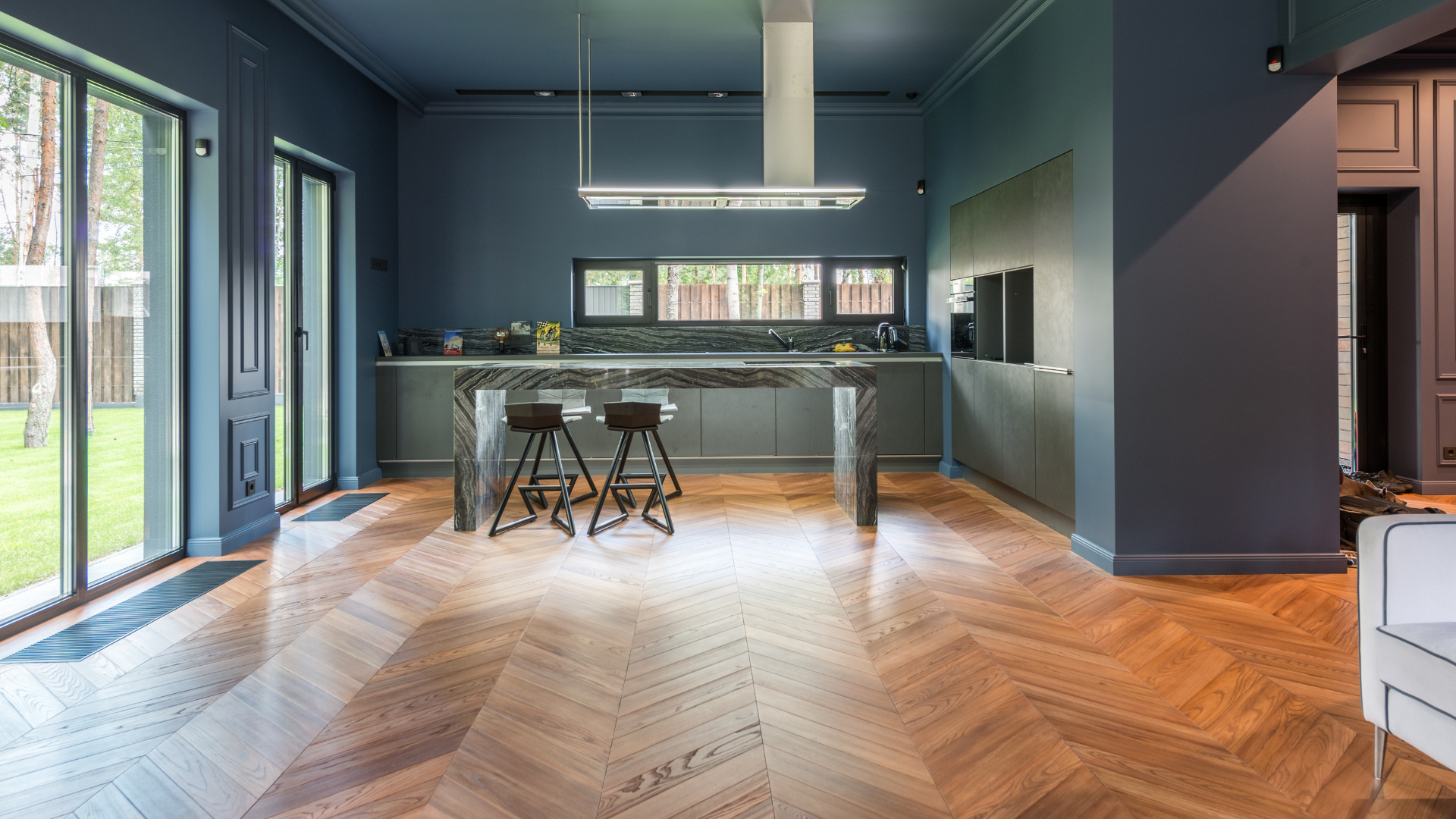
Choosing the right flooring for a home involves considering various factors, including lifestyle, aesthetics, and budget. To select the best flooring, it is essential to assess the room’s usage, the presence of pets or children, and the desired maintenance level. Each flooring option offers different advantages, making informed decision-making crucial for long-term satisfaction.
Homeowners should explore various materials, such as hardwood, laminate, tile, and carpet, each presenting unique benefits and drawbacks. For instance, hardwood adds elegance and durability, while tile is ideal for high-moisture areas. Understanding these characteristics allows for a more tailored choice that enhances the home’s functionality and style.
Ultimately, investing time in researching and evaluating different flooring types empowers homeowners to create spaces that reflect their needs and preferences. With the right approach, selecting flooring can transform a home, enhancing comfort and value.
Key Factors to Consider When Choosing Flooring
Selecting the ideal flooring requires attention to several essential elements. Durability, moisture resistance, cost, and maintenance needs significantly influence the decision-making process. Understanding these key factors helps ensure a satisfying choice that suits both lifestyle and budget.
Durability and High-Traffic Areas
Durability is a crucial factor in flooring selection, especially in high-traffic areas like entryways and living rooms. Flooring types such as ceramic tiles, vinyl, and laminate are known for their resilience against scratches, dents, and wear.
- Carpet might not withstand heavy foot traffic as well, leading to quicker replacement needs.
- Evaluate materials based on the PEI rating, which measures resistance to abrasions. A higher rating indicates better durability.
Considering the daily activities in a household can guide choices; families with pets or children should prioritize tougher materials.
Moisture and Water Resistance
Moisture resistance is vital in spaces prone to spills or humidity, such as bathrooms and kitchens. Water-resistant options, like luxury vinyl plank, ceramic tile, and laminate, prevent damage from spills and moisture buildup.
- Engineered wood is another excellent choice for its durability while still providing the appearance of natural wood.
- Evaluate the AC rating for laminate, as a higher rating signifies better moisture resistance.
Proper installation, including waterproof underlayment, further enhances a floor’s ability to withstand moisture.
Flooring Cost and Budget
Flooring costs vary considerably, with some materials offering affordability while others provide long-term investment benefits.
- Carpet can range from $1 to $5 per square foot, making it a budget-friendly option.
- Hardwood, on the other hand, may cost between $5 $15 per square foot, but can last for decades if properly maintained.
When considering the budget, factor in potential installation costs and material longevity. A higher upfront investment in durable flooring can lead to lower long-term expenses due to reduced maintenance and replacement needs.
Maintenance and Longevity
Maintenance requirements directly influence the longevity of flooring options. Low-maintenance materials, such as tile and vinyl, are ideal for busy households. These floors typically require simple cleaning routines and minimal upkeep.
- In contrast, natural wood may require periodic refinishing and special cleaning products.
- Assess how much time and effort can be devoted to maintaining the flooring to ensure it remains in good condition over time.
Understanding the specific maintenance needs can lead to more informed decisions, ultimately contributing to a better living environment.
Overview of Popular Flooring Options
Selecting the right flooring involves understanding the various materials available. Each type of flooring offers distinct advantages and considerations, catering to different preferences and requirements.
Hardwood Floors and Engineered Wood Flooring
Hardwood flooring is a classic choice, known for its durability and timeless appeal. Available in species like oak, maple, and cherry, it enhances the aesthetic of any room. Routine maintenance, including refinishing, helps maintain its appearance.
Engineered wood flooring consists of multiple layers, with a real wood veneer on top. This makes it more resistant to moisture and temperature changes, making it suitable for areas where solid wood may not perform well. Both options offer a range of finishes and colors.
Laminate, Vinyl, and Resilient Flooring
Laminate flooring mimics the look of wood or stone at a lower price point. Made of composite materials, it is resistant to scratches and easy to install. With many styles available, it is a popular choice for homes with pets or high foot traffic.
Vinyl flooring, including luxury vinyl tiles (LVT) and luxury vinyl planks (LVP), offers water resistance and a variety of designs. Suitable for kitchens and bathrooms, it can replicate the look of wood or stone while being soft underfoot.
Resilient flooring encompasses a broader category, combining properties of both laminate and vinyl. It is comfortable, durable, and easy to clean, making it ideal for a range of applications.
Tile, Stone, and Concrete Floors
Tile flooring comes in materials like porcelain and ceramic, offering versatility in design and durability. Porcelain tiles are dense and water-resistant, making them ideal for wet areas. They can be used for walls and floors, providing a cohesive look.
Stone flooring, such as marble, limestone, travertine, and slate, adds elegance and value to a home. Each stone type offers unique characteristics; for instance, slate is durable, while marble provides a polished finish.
Concrete flooring is increasingly popular due to its modern aesthetic and durability. It can be stained or polished to achieve various looks and is suitable for both indoor and outdoor applications.
Carpet and Cork Flooring
Carpet provides warmth and comfort, making it ideal for bedrooms and living areas. Available in a wide range of fibers, colors, and patterns, it can enhance sound insulation and is often easy to install.
Cork flooring is an eco-friendly option that offers a soft feel underfoot. Its natural thermal properties keep spaces warm, while its resilience makes it suitable for high-traffic areas.
Both carpet and cork have benefits worth considering when selecting the right flooring for specific spaces within a home.
How to Match Flooring to Room Function
Selecting the right flooring for each room enhances both aesthetics and functionality. Different spaces require specific flooring characteristics to accommodate their unique needs.
Best Flooring for Living Rooms and Bedrooms
Living rooms and bedrooms benefit from flooring that balances comfort, style, and durability. Carpet is a popular choice, providing warmth and sound insulation. It is ideal for creating a cozy atmosphere.
Hardwood floors and engineered wood flooring offer elegance and can enhance the aesthetic appeal. They are durable and easy to maintain. A suitable finish can protect against scratches.
For a more modern look, luxury vinyl tile mimics wood or stone but is easier to maintain. It is resistant to moisture and scratches, making it suitable for busy households.
Ideal Solutions for Kitchens and Bathrooms
In kitchens and bathrooms, flooring must withstand moisture and heavy foot traffic. Tile flooring is an excellent choice for these areas. It is water-resistant, durable, and easy to clean.
Vinyl flooring offers versatility and comfort underfoot. It is cost-effective, comes in various designs, and is resistant to spills.
Consider slip-resistant options for safety, especially in bathrooms. Many modern tiles and vinyl products provide both style and practicality, making them ideal solutions.
Flooring Choices for Basements and Laundry Rooms
Basements and laundry rooms often face unique challenges, including moisture and lower temperatures. Vinyl flooring is a smart option here as it is water-resistant and easy to install.
Tile flooring can also perform well in these spaces due to its durability and moisture resistance. Both options can help create a functional space that stands up to high humidity.
Install proper underlayment when using engineered wood flooring in basements. This adds insulation and moisture protection. It’s important to ensure any flooring selected can handle potential water exposure in these areas.
Environmental and Practical Considerations
When selecting flooring, it is essential to weigh environmental impacts alongside practical factors. This involves examining sustainability certifications and ensuring purchases are made from reputable sources.
Sustainability and FSC Certification
Sustainability is a significant concern when choosing flooring materials. Opting for products with Forest Stewardship Council (FSC) certification ensures that the wood originates from responsibly managed forests.
FSC certification involves strict guidelines to promote sustainable forestry practices. This includes maintaining biodiversity, protecting water resources, and respecting the rights of local communities. Choosing FSC-certified products can contribute to environmental preservation and reduce the impact of deforestation.
In addition to wood, there are various sustainable flooring options available, such as bamboo, cork, or recycled materials. Each of these materials offers unique benefits while minimizing environmental harm.
Buying from Reliable Flooring Retailers
Purchasing flooring from reputable retailers can significantly affect both the quality and ethical standards of the products. Reliable retailers often prioritize customer service, product knowledge, and transparency about sourcing.
It is advisable to research retailers and seek those that demonstrate a commitment to sustainability. Many trustworthy companies provide information on their supply chains and environmental practices. This transparency can aid consumers in making informed choices.
Additionally, reputable retailers often offer warranties and after-sales support, which can enhance the practicality of a flooring purchase. Prioritizing these factors ensures that the chosen flooring meets both aesthetic and functional needs while adhering to environmental considerations.