Reinvent Your Home: The Benefits of Remodeling Your Basement

Have you ever wandered into your basement and thought, “This space could be so much more”? If so, you’re not alone. Basements are often the most underutilized areas in our homes, relegated to storage for old furniture, boxes of holiday decorations, and the occasional spider. But what if we told you that your basement holds the key to a plethora of opportunities? Remodeling your basement is a fantastic way to reinvent your home, add value, and create a space that everyone in the family can enjoy. Let’s dive into the benefits of basement remodeling Denver.

Unleash Hidden Potential

More Living Space

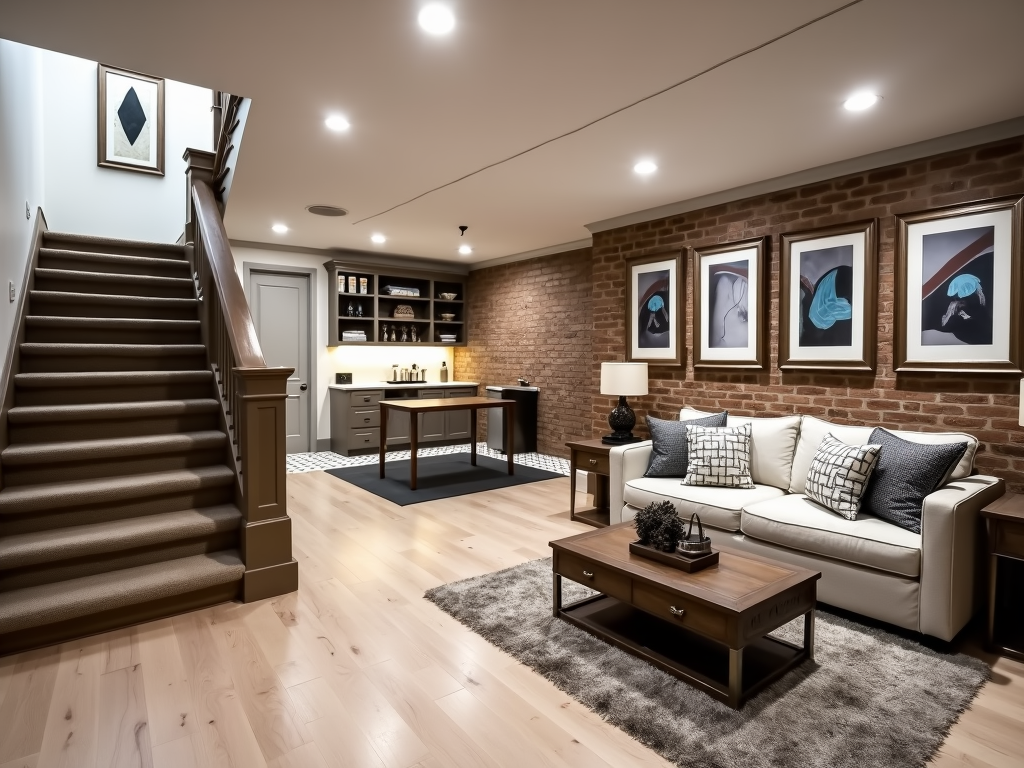
One of the most significant benefits of remodeling your basement is the addition of extra living space. Whether your family is growing, you need a home office, or you simply want more room to entertain guests, a finished basement can provide the perfect solution. Imagine having a cozy family room, a stylish game area, or even a private guest suite right below your feet. The possibilities are endless.

Increase Home Value

A well-finished basement can significantly boost the value of your home. Potential buyers often see a finished basement as a bonus, offering more living space without the need for an extension. This can be a major selling point if you ever decide to put your house on the market. In fact, according to some real estate experts, you can expect to recoup around 70% of your investment in a basement remodel when you sell your home.

Enhance Functionality

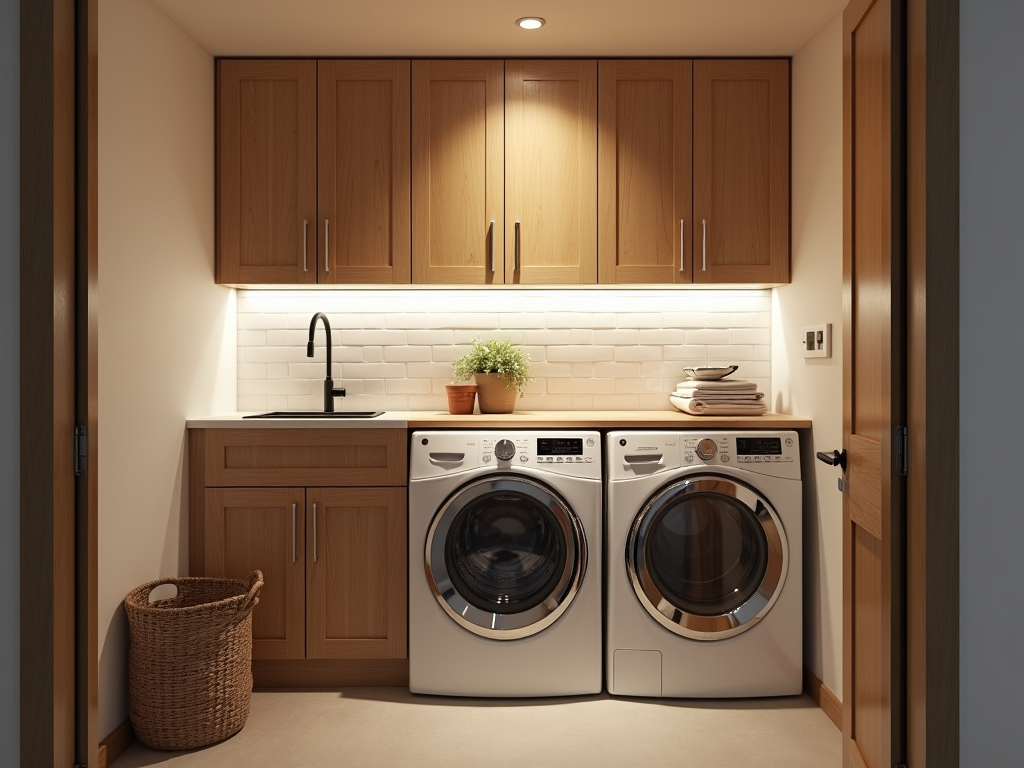
Remodeling your basement can also make your home more functional. From creating dedicated spaces for laundry, storage, or hobbies to installing a second bathroom or kitchenette, you can design the basement to meet your specific needs.

stylish laundry room cabinets

Personalize Your Space


Customization Galore

One of the best parts about remodeling your basement is the ability to customize it to your heart’s content. Unlike other rooms in your house that might already have designated purposes, the basement is a blank canvas. Do you dream of a home theater? Or perhaps a fitness center to keep up with your workout routine? Maybe a craft room where you can unleash your creativity? The basement can be transformed into whatever your heart desires.

Create a Personal Sanctuary

In our busy lives, having a place to unwind is essential. A remodeled basement can serve as your personal sanctuary, away from the hustle and bustle of the main living areas. Think about a serene yoga studio, a tranquil reading nook, or even a music room where you can jam without disturbing the rest of the household.

Improve Energy Efficiency

Better Insulation

Basements are notorious for being chilly and damp. However, during a remodel, you can address these issues by installing proper insulation. This not only makes the basement more comfortable but can also improve the overall energy efficiency of your home.

Modern HVAC Systems

Updating the HVAC system during a basement remodel can also contribute to better energy efficiency. Modern systems are designed to be more energy-efficient and can be integrated seamlessly into your home, providing consistent heating and cooling throughout all levels.

finished basement

Practical Tips for Remodeling Your Basement


Plan Ahead

Before you start knocking down walls and picking out paint colors, take the time to plan your remodel thoroughly. Consider how you want to use the space, what features are most important to you, and your budget. A well-thought-out plan can help you avoid costly mistakes and ensure that the result meets your expectations.

Hire Professionals

While DIY projects can be fun and cost-effective, remodeling a basement is a major undertaking that often requires professional expertise. From plumbing and electrical work to structural modifications, hiring reputable local basement contractors typically ensures the job is done safely and up to code. In addition to these benefits, a well-executed basement remodel can provide additional living space, increase home value, and enhance overall functionality.

Think About Lighting

Basements typically have limited natural light, so incorporating adequate lighting is crucial. A combination of overhead lights, wall sconces, and floor lamps can brighten up the space and make it feel more inviting. Consider using light colors for walls and ceilings to enhance the brightness even further.

Address Moisture Issues

Basements are prone to moisture problems, which can lead to mold and mildew if not properly addressed. Before starting your remodel, check for any signs of water damage and take steps to waterproof the area. Installing a sump pump, sealing cracks, and using moisture-resistant materials can help keep your basement dry and healthy.

Keep Pests Out

An often-overlooked aspect of basement remodeling is pest prevention. Dark, damp areas can attract unwanted visitors like rodents and insects, which can cause damage and create an unhealthy environment. Before finishing your space, inspect for any cracks or gaps where pests could enter and seal them properly. If cockroaches are a concern, especially waterbugs, consider a Local waterbug cockroach treatment to prevent infestations and keep your basement pest-free.

Ideas for Your Basement Remodel

Home Office

In the era of remote work, having a dedicated home office is a must. A basement office can offer the privacy and quiet you need to stay productive.

Guest Suite

Welcome guests with a cozy and comfortable suite. A bedroom, bathroom, and small kitchenette can make them feel right at home.

Fitness Center

Bring the gym to you by setting up a fitness center in your basement. With workout equipment, mats, and mirrors, you can stay fit without leaving the house.

Conclusion

So, roll up your sleeves and get ready to reinvent your home from the ground up!

Minimalist Design Ideas for Modern Living: Transform Your Space with Simplicity

Minimalist design has become a defining trend in modern living, offering a refreshing approach to home decor and lifestyle choices. Embracing simplicity and functionality, minimalist design enhances spaces by reducing clutter and promoting a sense of calm. This design philosophy encourages individuals to focus on quality over quantity, choosing pieces that bring true value and purpose to their environment.

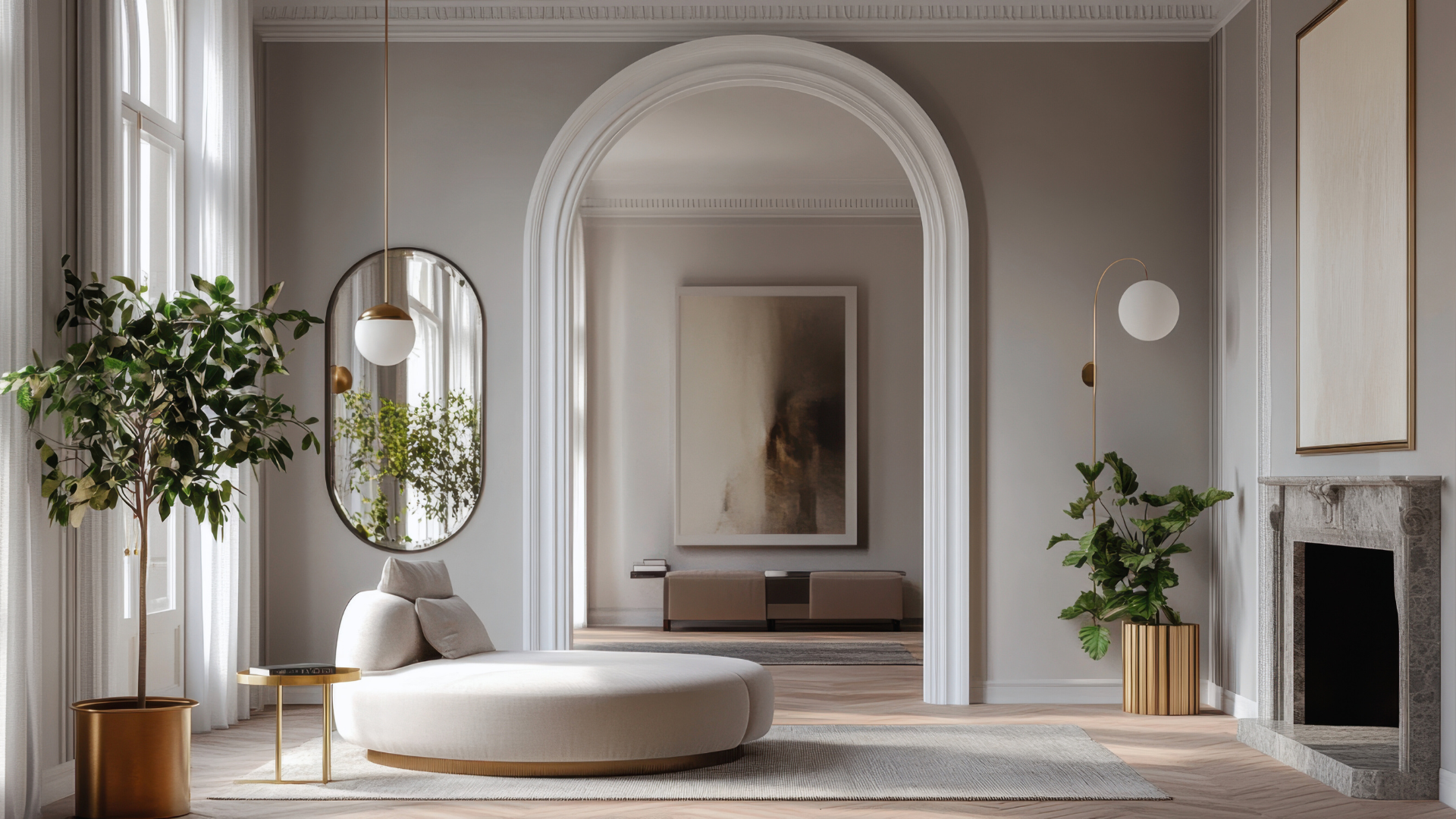
Incorporating minimalist design ideas can transform a home into a serene sanctuary. Using neutral color palettes, sleek furniture, and smart storage solutions allows for an open, airy feel, making spaces more inviting. By prioritizing light and space, one can create an atmosphere that feels both modern and timeless.

As people increasingly seek balance in their lives, adopting minimalist principles can lead to more mindful living. It encourages individuals to assess their belongings and eliminate unnecessary distractions, fostering both tranquility and clarity. Exploring these minimalist design ideas can provide practical inspiration for creating a modern living space that reflects simplicity and sophistication.

Core Principles of Minimalist Design

Minimalist design revolves around the concepts of simplicity, functionality, and clarity. It aims to strip down elements to their essential forms, creating spaces that prioritize purpose and aesthetic appeal.

Emphasizing Simplicity and Functionality

Simplicity is a cornerstone of minimalist design. It involves using only necessary items, avoiding excessive decoration, and selecting pieces that serve a clear purpose. This approach not only enhances aesthetics but also facilitates easier navigation and usability in spaces.

Functionality is equally vital. Every design element should contribute to the overall function of the space. Furniture should offer storage or adaptability, while decor should complement the functionality without cluttering. This principle reinforces the idea that less is more, leading to both visually appealing and practical environments.

Focusing on Essential Elements

In minimalist design, identifying essential elements is crucial. This means choosing a few standout pieces that create impact without overwhelming a space. A carefully selected color palette—often neutral—can enhance a feeling of cohesion.

Textures and materials also play significant roles, as they can add depth without visual chaos. For instance, a single wooden table paired with elegant chairs can serve as a focal point. Essentials should create harmony, leading to spaces that feel balanced and intentional.

Creating Clarity and Focus

Clarity is vital in achieving a minimalist aesthetic. It helps in establishing a strong visual direction, promoting a sense of calm and order. Clean lines, open spaces, and strategically placed decor contribute to achieving clarity.

To create focus, unnecessary distractions should be eliminated. This can be accomplished by minimizing visual clutter and using strategic lighting to highlight particular areas. The result is an environment that fosters concentration and tranquility, where the mind can rest and flourish.

Key Elements of Modern Minimalist Interiors

Modern minimalist interiors emphasize simplicity, functionality, and an uncluttered aesthetic. Key elements include a neutral color palette, the strategic use of negative space, and a focus on natural materials. Quality furniture choices further enhance the serene environment that defines minimalist living.

Neutral Color Palettes and Muted Tones

Neutral color palettes create a calm foundation in minimalist design. Shades like beige, gray, white, and soft pastels are common. They help in reducing visual clutter, promoting a peaceful atmosphere.

Muted tones allow for subtle variation without overwhelming the senses. These shades can enhance the spaciousness of a room, drawing attention away from distractions. By using a limited color palette, the design remains cohesive and sophisticated, fostering a harmonious environment.

Accent colors can be introduced sparingly, ensuring they complement the overall scheme. This approach keeps the space feeling fresh while maintaining minimalist principles.

Incorporating Negative Space and Clean Lines

Negative space is crucial in minimalist interiors. It refers to the empty areas that provide balance and breathing room within a design. Clean lines support this concept, promoting simplicity in forms and shapes. Furniture and architectural elements with sharp, defined edges contribute to a streamlined appearance.

By reducing unnecessary ornamentation, the focus shifts to the beauty of each piece. Good use of negative space also enhances flow and accessibility within a room, allowing for easy movement and interaction. The relationship between positive and negative spaces creates visual interest while maintaining clarity in design.

That said, for homeowners aiming to incorporate these minimalist principles into their existing spaces, remodeling can often serve as an effective way to reshape the environment for improved flow and balance.

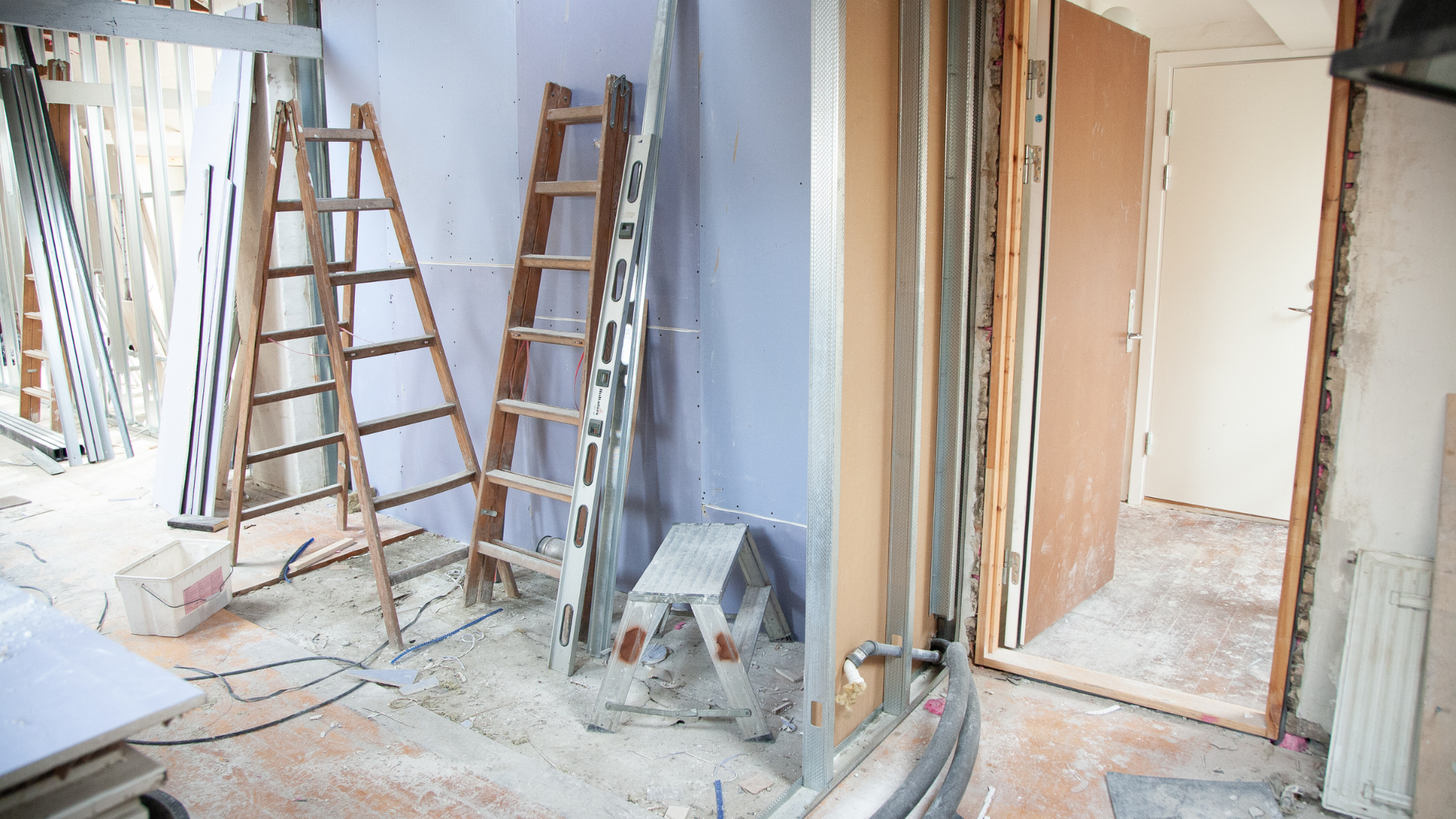
Opening up confined layouts, adding built-in storage, or updating outdated finishes could significantly enhance harmony between negative and positive space. Because achieving seamless lines and precise detailing requires expert craftsmanship, working with experienced professionals from reputable firms like APEX Specialty Contracting can help ensure the final result aligns with both the aesthetic and functional goals of a well-executed minimalist design.

Using Natural Materials and Textures

Natural materials play a vital role in minimalist design. Wood, stone, and natural fibers add warmth and depth to interiors while remaining true to the minimalist ethos. Textures can be incorporated through furnishings like rugs, curtains, and cushions. These elements create tactile contrast without adding visual clutter.

Additionally, materials like linen, cotton, and jute resonate with organic beauty. They enhance the calming nature of a space, promoting a connection with the environment. The focus on high-quality, sustainable materials reinforces the value of quality over quantity in interior choices.

Selecting Functional and Quality Furniture

Functional furniture is a cornerstone of minimalist interiors. It balances practicality with aesthetic simplicity, ensuring that pieces serve essential purposes without sacrificing design. Moreover, quality furniture often features multipurpose designs, which reduce the need for excessive items. For instance, a coffee table with storage or a bed with built-in drawers maximizes functionality.

In addition, material selection remains equally important. Sturdy, well-crafted pieces ensure longevity, aligning perfectly with minimalist ideals. By focusing on fewer, high-quality items, each piece can be appreciated individually, minimizing distraction and enhancing the serene ambiance central to minimalist design.

That said, simplifying a space does not always mean removing every non-essential item all at once. Letting go of pieces, especially those with sentimental or long-term value, can be a difficult decision. In such cases, considering storage solutions from trusted local storage companies nearby can often help address this challenge. This approach allows homeowners to maintain a clean, uncluttered environment while preserving cherished furniture and décor for future use.

Minimalist Design Ideas for Every Room

Creating a minimalist environment can transform any space into a serene and functional area. Each room can embody this style by focusing on simplicity, functionality, and careful selection of decor.

Minimalist Living Room Concepts

In a minimalist living room, furniture choices are crucial. Opt for a neutral color palette with soft tones like whites, beiges, or grays. This creates a calming atmosphere and allows for a more spacious feel. Choosing a modular sofa with clean lines maximizes seating without cluttering the space. Incorporate a single statement piece of art to maintain focus while ensuring the room feels inviting.

Simple storage solutions, like floating shelves, keep items organized and visible, promoting an uncluttered look. Accessories should be kept to a minimum, perhaps just a few decorative throw pillows or an indoor plant to add a touch of warmth.

Minimalist Bedroom Inspirations

A minimalist bedroom prioritizes rest and tranquility. To begin with, choose a low-profile bed as the room’s focal point. Opt for bedding in soft, monochromatic colors to enhance the calming effect. Additionally, nightstands should be sleek and functional; designs with built-in storage help minimize surface clutter. To further save space, consider using wall-mounted lamps that keep surfaces clear.

When it comes to decorative accents, include a single piece of artwork or a streamlined mirror that enhances natural or artificial light. Moreover, layered textures in blankets and rugs add depth, maintaining simplicity while enriching the sensory experience without overwhelming the aesthetic.

To maintain the minimalist look beyond decor, it’s important to focus on how the room functions. Maximizing space in a minimalist bedroom relies on thoughtful design and careful furniture choices. For instance, incorporating multi-functional pieces, such as beds with hidden storage or fold-away options, supports an open, uncluttered atmosphere while keeping the room practical for everyday use.

Finally, for those seeking the most efficient layout, consulting experts who specialize in custom storage and bedding solutions from reputable firms like Murphy Beds & Storage Solutions can often be invaluable. These professionals can create tailored designs that suit a room’s dimensions, helping individuals optimize every inch while preserving a clean, minimalist aesthetic.

Minimalist Kitchen Solutions

In a minimalist kitchen, functionality and organization are key. Prioritize open shelving or cabinets with flat surfaces, contributing to a streamlined appearance. Use clear containers for pantry items, promoting visibility and reducing clutter. Focus on essential appliances only. Integrated designs can hide devices within cabinetry, maintaining a clean countertop. Choose a simple, modern faucet and sink for added elegance.

Consider a neutral backsplash made of tiles or a single slab of stone, creating visual interest without being distracting. A minimal dining area can feature just a sturdy table and a couple of chairs, emphasizing simplicity and practicality.

Minimalist Bathroom Approaches

Minimalist bathrooms thrive on simplicity and cleanliness. Begin with a floating vanity to maximize floor space and create an airy feel. Utilize glass shower doors instead of curtains to maintain an open look.

Select fixtures in sleek, modern designs. A single, bold mirror can act as a focal point without overwhelming the decor, while simple wall-mounted shelves allow for storage without taking up too much room.

Opt for a neutral color scheme for tiles and paint, ensuring a cohesive look. Accessories should be functional, such as understated soap dispensers and plush towels, that enhance comfort without detracting from the minimalist design.

Sustaining Minimalism in the Modern Home

Sustaining minimalism involves making intentional choices that promote both simplicity and environmental consciousness. A focus on mindful decisions enhances the aesthetic of a minimalist home while supporting sustainable living practices.

Sustainability and Mindful Choices

In a minimalist home, selecting sustainable materials is crucial. This can include:

  • Recycled materials: Using furniture made from reclaimed wood or recycled metal reduces waste.
  • Natural fibers: Linen, cotton, and wool provide a sustainable alternative to synthetic textiles.
  • Energy-efficient appliances: Choosing energy-efficient options minimizes energy consumption.

Mindfulness extends to purchases. Opting for high-quality items that last longer reduces the frequency of replacements. When decluttering, individuals should donate or recycle items rather than discarding them. This not only keeps living spaces minimal but also minimizes landfill waste.

Maintaining a Minimalist Lifestyle

Maintaining a minimalist lifestyle requires ongoing commitment rather than a one-time effort. To begin with, regular decluttering sessions help ensure that unnecessary items do not gradually find their way back into the home. Setting aside time weekly or monthly to reassess belongings allows individuals to remain intentional about what they choose to keep.

Equally important is the timely disposal of unusable, broken, or waste items. Instead of allowing rubbish to accumulate, addressing it promptly helps preserve a clean and simplified environment. In this regard, staying informed about local waste collection schedules can make the process far more efficient and prevent unnecessary build-up. For example, those living in New York can refer to the nyc trash pickup schedule to ensure items are discarded at the appropriate time and in accordance with local guidelines.

Beyond physical decluttering, cultivating mindful daily habits further reinforces a minimalist lifestyle. Taking a few moments each day to reflect on what truly adds value can prevent impulse purchases and unnecessary accumulation. Similarly, keeping surfaces clear and limiting decorative items helps maintain a calm and balanced aesthetic.

In addition, establishing a capsule wardrobe simplifies clothing choices and promotes sustainability. Investing in a few versatile pieces instead of a large quantity reduces clutter and makes dressing simpler. By adopting these habits, one can effectively sustain a minimalist, modern home.

 

What Are the Best Gifts for Graduations?

It’s that time of year again. Graduation! Whether you’ve been putting off buying the perfect gift or you’re the kind of friend who is always late to everything, we’ve got your back in finding that perfect gift. Whether you want to give them something they can use, something they can use and show off, or something they can wear, we’ve got the top ten gifts everyone will be asking for this year.

The best gifts for graduation are versatile. They should be useful, practical, and something the graduate will keep for a long time. With that in mind, 

Graduation is one of the most exciting and memorable times in a person’s life. Whether somebody is graduating from high school, community college, or a university, a graduation gift can make all the difference to the recipient. Check out these graduation gift ideas that are sure to be appreciated.

Here Are the Great Gifts That Any Graduate Would Love

  • Portable printer – If you’ve ever wished that you could take a standard printer with you to a coffee shop, or on a business trip, with the assurance that it would still work when you got back, you’re going to love the Canon Selphy CP1200. It’s light and small, but it generates high-quality photos—including 4″ x 6″ borderless prints—and it connects to your smartphone for easy sharing.
  • Soda maker – With the graduation season fast approaching, it’s the perfect time to gift the new graduate in your life with a Soda Stream soda maker. Soda makers offer a great way to cut soda out of your diet—and are a healthier alternative to other drink options. A SodaStream soda maker allows you to make your own soda, sparkling water, or even flavored water—all from your own home.
  • Bath towel set – There is nothing better than a new bath towel set. The selection of bath towel sets these days is vast, so you are sure to find one that matches your graduate’s personality. There are so many different designs out there that you are sure to find one that matches their personality.
  • iPad charging cord – Electronics will be a hit, but so will uniquely items. If you’re looking for something practical, choose an iPad charging cord. They’re inexpensive and can be personalized.
  • Tile Pro Tracker – The Tile Pro Tracker is the perfect gift for any graduate. This Bluetooth tracker is the spiritual successor to the Tile Slim and offers all the same features with a few new twists. The Tile Pro can track your items, your pet, and even your keys—all in one device. And even better, you can keep track of everything by pairing the Tile Pro with the Tile Mate app, which shows you the location of your items on a map in real-time.
  • Portable speaker – If there’s one thing almost everyone enjoys doing, it’s listening to music. The UE Boom 2 Portable Bluetooth Speaker allows you to connect any Bluetooth-enabled device to your speaker so that you can stream audio from your smartphone. It makes a great gift for any graduate, whether they are going to college, starting a new job, or just headed off on a summer adventure, and easy to carry.
  • Air fryer – An air fryer is a kitchen gadget that is gaining popularity. It gives you healthy, crispy, and flavorful food, but it’s one of those gifts that graduates in any degree, major, or career field would love.

Graduation season is soon approaching, and with it comes the question: what are the best gifts to get graduates who already have everything? Gift cards, of course! Graduation presents can usually be a little much for someone who has just spent the past four years of her life in school, so a gift card is a perfect solution.


6 Tips for Planning Your Own Wedding

Planning your own wedding seems like a dream come true. However, the reality of planning your wedding is often much different than you originally imagined. When planning a wedding, you must think about the venue, flowers, menu, and invitations. But what if you want to save the planning stress for the big day itself.

Start Early

Starting early with your wedding plans may make sense since you’ll want plenty of time to plan and then schedule all of the key details. Plus, you’ll know the time of year and the weather will be best for your celebration. Early planning also means you can make choices based on what’s available and when instead of waiting until the last minute.

It’s never too late to start planning your wedding, but you don’t want to wait too long. If you wait too long, things could become very stressful and rushed, and it may be too late to find the venue you want, the right people to make your dream wedding come to life, and even the dress you want. Even small but meaningful details, like deciding how to pair your engagement ring and wedding band, can benefit from early planning. This gives you more time to explore styles that complement each other and reflect your taste.

Get Organized

Getting married and getting ready for the big day is an exciting process. But let’s face it, planning a wedding comes with stress, pressure, and responsibilities. You need to take care of numerous tasks such as looking for a good wedding venue, stay arrangements, flowers, cakes, catering, and the list goes on. However, if you are short on time or don’t have someone to help you out, you can opt for all inclusive wedding venues where all the above-listed arrangements are taken care of by the venue authorities. That way, you can have a fun and eventful wedding without worrying about the necessary requirements for the event and your guests.

Pace Yourself

Most people getting married want to relax and enjoy their special day, not freak out about it. After all, this is a once-in-a-lifetime event, and you want everything to be perfect. But, as anyone who has planned a wedding knows, it takes a lot of time, effort, and hard work to pull off one of the most romantic days of your life. So, what does it take to stay sane as you plan a wedding? Here are five tips on how to pace yourself during your wedding planning process.

Stick to a Timeline

Planning a wedding reception is a lot of work, and that doesn’t even cover the months of preparation leading up to the wedding. When it comes to planning a wedding, many couples tend to veer from their original timeline, especially when it comes to inviting guests. This is understandable, of course, since every wedding is different with different guest lists and needs. But there are some general guidelines to follow when planning the guest list, and sticking to a timeline is always a good idea.

Think About Getting a Wedding Planner

If you consider yourself to be organized and detail-oriented, then you may be the perfect candidate for a wedding planner. Wedding planners like Laurie D’Anne Events and similar others, handle all things wedding related: the decorations, the catering, the photography, the entertainment, the guest list, the invitations, and more. They take care of everything, so you don’t have to. The wedding planners under their belts not only have the experience to organize weddings from start to finish, but they also have strong relationships with vendors, meaning they have exclusive deals on everything you need.

Planning a wedding is an exciting time in a couple’s life. After all, it tends to represent the start of their brand-new life together. However, the process can be very stressful, which can sometimes cause tension in relationships and even lead to arguments between the couple. For this reason, many people tend to think that it’s not worth the stress and choose to entrust the task to a professional wedding planner in Ireland (or elsewhere). This can allow them to relax and enjoy the wedding without worrying about whether everything’s going according to plan. That being said, some people have found ways to manage the stress of wedding planning and effectively juggle the different responsibilities that come with it.

Don’t Let the Stress Overshadow Your Excitement.

With wedding season fast approaching, you know it’s time to start planning your nuptials. And while you’re likely already feeling the butterflies in your stomach, it’s important to remember that your honeymoon is merely days away. The happiest days of your life are just around the corner, and it’s important to remember not to let the stress of planning overshadow the excitement.

Planning your own wedding can be as fun and exciting as attending the rehearsal. It’s also important to set realistic expectations, work with a wedding planner or coordinator, and remember that planning a ceremony and reception is a multi-step process with many moving parts. Whether you’re planning a traditional wedding or a modern event, these six tips will help make sure your big day is everything you dreamed it would be.


Smart Storage Solutions for Clutter-Free Living: Maximize Space and Minimize Chaos

Living in a clutter-free environment is essential for both mental clarity and productivity. Smart storage solutions can transform any space, making it easier to stay organized and prioritize peace of mind. By utilizing innovative storage ideas, individuals can effectively reduce clutter and create an inviting atmosphere in their homes.

Incorporating shelving units, multi-functional furniture, and hidden storage can significantly optimize living spaces. These strategies not only enhance organization but also improve overall functionality, allowing residents to enjoy their surroundings without the distraction of disarray.

Exploring smart storage options leads to a more efficient lifestyle, as it encourages mindfulness about what items are kept and how they are stored. Embracing these solutions fosters a calm living space that inspires creativity and comfort.

Understanding the Impact of Clutter

Clutter significantly influences mental well-being, productivity, and the overall organization of your living spaces. Addressing the effects of clutter can lead to a more serene and efficient environment.

Clutter and Mental Well-Being

Clutter has a direct impact on mental clarity. A disorganized space can contribute to feelings of anxiety and stress. Studies indicate that individuals in cluttered environments often experience a cluttered mind.

The visual noise from excess belongings can distract and overwhelm. People may find it challenging to focus on important tasks when surrounded by disorder. Reducing clutter can enhance mental well-being by fostering a sense of control and calm.

The Link Between Cluttered Spaces and Productivity

Cluttered spaces can hinder productivity. Research shows that individuals are less efficient when working in disorganized areas. Items that are out of place can lead to wasted time searching for essentials.

In contrast, a tidy environment promotes focus and efficiency. Clear surfaces and organized shelves allow for better workflow. Implementing smart storage solutions can help maintain order, thereby boosting productivity levels.

Why Decluttering is Essential for a Clutter-Free Home

Decluttering is essential for creating a clutter-free home. It allows you to maintain an organized space, which can enhance the quality of life. Decluttering involves assessing and removing items that are no longer needed or used.

Establishing efficient storage systems contributes to long-term organization. Keeping only the essentials fosters a clearer mind and a more pleasant living environment. Regular decluttering sessions can create a sustainable lifestyle that minimizes clutter reaccumulation.

Core Principles of Smart Storage Solutions

Effective storage solutions revolve around maximizing space, enhancing organization, and utilizing quality items. Key strategies include making the most of available storage areas, investing in functional furniture, utilizing vertical space, and selecting high-quality essentials that promote efficiency.

Assessing and Utilizing Storage Areas

Understanding the various storage areas within your home is essential for effective organization. This includes closets, under-bed space, cabinets, and even hidden nooks. Start by evaluating each area for its potential. Identify what can be stored where based on frequency of use and accessibility. For instance, seasonal items can be stored in hard-to-reach places, while everyday essentials should remain easily accessible.

For larger or overflow items, many homeowners choose to rent self-storage. For flexible options like indoor units, drive-up access, or RV and boat parking, consider exploring nearby storage facilities that offer secure, affordable units with easy access.

Additionally, using clear bins and labeled boxes enhances visibility and simplifies organization. Make use of drawer dividers and shelf organizers to keep smaller items neatly sorted and prevent clutter from accumulating.

If you’re weighing local options for seasonal belongings, moving overflow, or storing recreational vehicles, prioritize facilities that offer straightforward ground-floor access and flexible terms to make retrieval simple. Look for features such as gated access with individual codes, complimentary locks, and a range of unit sizes so you can match the space to what you actually need.

A convenient option is self storage near you, which lists drive-up units, vehicle/RV parking, and month-to-month rentals. Checking those specifics up front helps avoid surprises and ensures the unit supports your decluttering plan.

Beyond traditional fixed units, mobile storage offers a unique level of convenience by bringing the unit directly to your doorstep. This method is particularly effective for those who need to pack at their own pace without the stress of multiple truck trips to a facility.

By opting for Storage Pods For Hire, you can have a secure container delivered to your driveway, allowing for easy loading of furniture or renovation supplies. Once filled, these pods can be kept on-site for immediate access or transported to a secure facility for long-term safekeeping. This flexibility ensures that your storage solution adapts to your specific timeline and spatial constraints.

Incorporating Functional and Multi-Functional Furniture

Investing in functional and multi-functional furniture is a key principle. These pieces can serve multiple purposes, reducing the need for excess items. Examples include ottomans with storage inside or beds equipped with drawers. A coffee table that doubles as a storage unit is also effective.

When choosing furniture, focus on well-designed pieces that blend aesthetic appeal and utility. This can help create a cohesive look while maximizing functionality. Smart furniture choices can significantly contribute to a clutter-free living environment.

Maximizing Vertical Space for Efficient Organization

Vertical space is often underutilized in homes. By focusing on upward organization, more floor space can be freed. Shelves, wall-mounted storage systems, and hooks are practical solutions. For example, installing floating shelves can provide additional storage while keeping items visible and accessible.

Using tall bookcases or cabinets can also make the most of vertical space. Adding hooks or pegboards allows items such as tools or craft supplies to be organized vertically. This approach not only aids in organization but also lends an open feel to spaces.

Selecting High-Quality Storage Essentials

Quality storage essentials play a crucial role in maintaining organization and efficiency. Rather than opting for cheap or flimsy options that require frequent replacement, investing in durable products can be more beneficial. Look for heavy-duty bins, sturdy shelving units, and reliable organizers that withstand your daily use. Choosing materials such as wood or metal offers longevity and stability.

Additionally, reusable storage solutions, like fabric bins or modular systems, can adapt as needs change. Selecting quality items can result in a more organized and enduring storage system, ultimately supporting sustainable living.

Creative Strategies for Clutter-Free Living

Implementing smart storage solutions can dramatically enhance the organization of living spaces. By utilizing functional and decorative storage options, individuals can create a more serene and clutter-free environment.

Baskets and Open Shelving for Everyday Items

Baskets provide a versatile and stylish way to contain everyday items. They can be placed on open shelves, making frequently used items easily accessible. Choosing baskets in various sizes can help categorize your items, from books to toys. Opt for woven materials for a warm, inviting look or metal baskets for a modern aesthetic.

Open shelving complements this setup by allowing visibility while keeping items organized. It prevents clutter from accumulating in drawers and cabinets. Arranging items by color or type can create an appealing visual display while maintaining function. Labels can also be attached to baskets to enhance clarity and efficiency.

Innovative Built-In Storage Ideas

Built-in storage solutions maximize space while blending seamlessly with the home’s architecture. Custom cabinetry can be installed in underutilized areas such as hallways or staircases. This approach offers ample room for storage without sacrificing square footage.

Incorporating features like pull-out shelves or hidden compartments enhances functionality. This design not only provides storage but also maintains a clean aesthetic. Utilizing the vertical space with floor-to-ceiling units can further optimize storage while showcasing decorative items.

Seasonal Storage Solutions for Clothing and Gear

Seasonal storage solutions are essential for managing clothing and gear throughout the year. Clearly defined bins or vacuum-sealed bags can store seasonal clothes, freeing up space in closets. Labeling these containers ensures easy access when the seasons change.

For outdoor gear, consider using shelving units in garages or basements designed for specific items like bikes or seasonal equipment. You could also consider looking for storage units near you to store these items. Rotate these items twice a year to keep them organized. This not only fosters a clutter-free living environment but also makes transitions between seasons smoother.

Sustaining Organization and Long-Term Success

Maintaining an organized space requires ongoing effort and specific practices. By establishing routines and adopting effective maintenance tactics, individuals can ensure their smart storage solutions remain effective over time.

Establishing Regular Decluttering Sessions

Setting aside time for decluttering is essential for sustaining organization. A regular schedule, such as monthly or bi-monthly sessions, helps manage accumulated items. Each session should involve evaluating each area, deciding what to keep, donate, or discard.

Creating a checklist can streamline this process. Items to include might be clothes that haven’t been worn in the past year, outdated documents, or broken items. This method not only simplifies the process but also fosters a habit of continual evaluation.

Developing Good Housekeeping Habits

Good housekeeping habits prevent clutter from accumulating. Simple practices like cleaning surfaces daily and returning items to their designated places can make a significant difference.

Utilizing storage bins or baskets encourages proper organization. Labeling these containers enhances functionality, making it easier to identify spaces for specific items. Checking storage solutions regularly ensures everything is in its proper place and reduces future clutter.

Essential Maintenance Tips for Storage Systems

Maintenance of storage systems is crucial to their effectiveness. Regular inspections help identify wear and tear, whether on shelves, bins, or hooks.

Cleaning these storage solutions should occur periodically. Dust, dirt, and spills can compromise an organization. A simple routine of wiping surfaces and organizing contents can extend the life of these systems. Consider adjusting or upgrading storage solutions as needs change. Adapting to evolving lifestyles prevents the organization from becoming outdated.

Enhancing Functionality With Cleaning Tools

Using the right cleaning tools enhances the maintenance of organized spaces. A basic toolkit should include:

  • Microfiber cloths for dusting
  • Broom and dustpan for quick clean-ups
  • Vacuum cleaner for deeper cleans

Incorporating cleaning tools into daily routines keeps spaces tidy.

Additionally, multi-functional tools, such as a vacuum with attachments for corners and shelves, can improve access and cleanliness. This not only helps maintain decorum but also fosters a sense of ownership in one’s organized space.


How to Organize a High School Graduation Ceremony

Graduation is an exciting time for everyone involved, but it can also be a nerve-wracking time for a high school senior. Suddenly, they have a lot on their plate. They have to order a cap and gown, figure out transportation and plan a graduation party. On top of that, graduation takes up a lot of time. Fortunately, there are ways you can cut some of the stress out of your graduation planning.

Graduation day is an exciting but stressful time for students and parents alike. For high schoolers, graduation means freedom, but it also means leaving the comfort of high school behind and entering the real world with all its challenges and responsibilities. It is important to remember all the sacrifices you made to get there and to celebrate your accomplishments with family and friends.

Project overview

The necessity of graduation is universal. This is the day when the graduates show the world what they have been up to. For this occasion, the graduates also wear a special dress, which generally symbolizes their accomplishment. They walk the stage, put their hands together, and smile at the cameras while saluting. It is also the day that the proud parents see the graduates, who have now grown into adults.

Send invitations for the graduation ceremony.

Graduation is an exciting time, but the stress of organizing it is enough to make you dread it. Graduation rituals can be complicated, and you risk looking silly by inviting guests to the ceremony only to have them show up late, not bring a gift, or simply not show up at all. But there’s no need to stress out about graduation invitations.

Graduation is just around the corner. You’ve put in countless hours of your youth at school, and now it’s finally time for that next step: graduation! Time to celebrate, and time to celebrate big! When graduation rolls around, it’s time to get the party started. Send invitations for the ceremony, the party, or any event you’re attending in celebration.

Logistics and equipment need

Logistics management coordinates the people, materials, and information necessary to conduct operations. Logistics and operations management are integral parts of supply chain management. Logistics management can be divided into 3 main areas: planning, procurement, and inventory control.

In logistics, equipment needs refer to the specific materials, tools, parts, and supplies needed to perform a task. For example, materials might include paper, pens, staples, and ink, while devices might include pliers, screwdrivers, and various measuring instruments. The tools needed to perform a certain task depend on the task to be carried out.

The graduation ceremony protocol

Graduation ceremonies are stressful, especially if it’s your first one. There’s so much going on: attending class after class, studying hard, meeting with the professors, and more. The last thing you want to worry about is the graduation ceremony protocol. It’s a lot to juggle, but we’re here to give you a rundown of the ceremony’s basic protocol.

Preparing the graduation speech

Graduation speeches can be one of the most stressful writing assignments in school, and that’s understandable. You’re now a graduate, not a student, and your main focus now includes doing whatever it is you’re doing. But it’s never too late to start planning your speech; we’re here to help you finish it. The first thing you’ll need to do is figure out what your speech will be about. Remember, this is a professional event, so keep it professional. A funny speech won’t scare any parents or friends, but it won’t go over well at a formal event. Instead, opt for a speech that talks about you but in a way that isn’t too personal.

Organizing the graduation dinner and party

Planning your graduation party and dinner may be the last thing on your mind, but before you know it, it will be here—and it’s important to have a plan in place. Graduation parties are a time to celebrate your accomplishment in life, so make sure you throw a party to remember. Start by researching different graduation party ideas, then discuss the theme and decorations with your classmates. Create an action plan to make your graduation party go off without a hitch, and ensure you stay organized from shopping to cleaning up.

The graduation ceremony should be held outdoors so the graduates can enjoy the celebration with their families. It is an appropriate time for families and friends to come together for a celebration and congratulate the graduates.

Designing with Light: Enhancing Your Home

Creating a warm, inviting atmosphere in your home involves more than just picking out the right furniture or paint colors. One often overlooked element that can transform the ambiance of any space is lighting.


Understanding the Importance of Lighting

Proper lighting can:

  • Set the Mood: Different types of lighting can evoke various emotions and create different atmospheres within a space.
  • Highlight Features: Well-placed lighting can draw attention to architectural details, artwork, or other focal points in a room.
  • Enhance Functionality: Effective lighting design ensures that each area of your home is adequately illuminated for its intended use.
  • Boost Aesthetic Appeal: Thoughtfully chosen lighting fixtures can add style and character to your home decor.

Maximizing Natural Light

Natural light is a valuable asset in any home, providing warmth and vitality while reducing the need for artificial lighting during the day. Here’s how you can make the most of natural light:


1. Optimize Window Placement:

Position furniture and other obstacles away from windows to allow light to penetrate freely into the room.


2. Choose Light-Colored Window Treatments:

Opt for sheer curtains or blinds that allow sunlight to filter through while still providing privacy.


3. Install Skylights or Sun Tunnels:

These features can bring natural light into areas of your home that may be lacking in windows, such as bathrooms or hallways.


4. Consider a Louvered Roof:

A louvered roof is a versatile outdoor structure that can be adjusted to control the amount of sunlight entering your home. With adjustable louvers, you can regulate sunlight and airflow, creating the perfect balance of shade and brightness.


Layering Lighting for Ambiance

In addition to natural light, it’s essential to incorporate artificial lighting sources to create depth and ambiance within your home. Here are some layering techniques to consider:


1. Ambient Lighting:

This is the primary source of light in a room and should provide overall illumination. Options include recessed ceiling lights, track lighting, or pendant fixtures.


2. Task Lighting:

Task lighting is focused on specific areas where activities such as reading, cooking, or working take place. Examples include desk lamps, under-cabinet lighting in the kitchen, or vanity lights in the bathroom.


3. Accent Lighting:

Accent lighting highlights architectural features, artwork, or decorative elements. This can be achieved with track lighting, wall sconces, or picture lights.


4. Mood Lighting:

Mood lighting adds ambiance and can be adjusted to suit different occasions or moods. Dimmer switches, candles, or decorative lamps with soft, diffused light are excellent options.


Choosing the Right Fixtures

The type of lighting fixtures you choose can make a significant difference in the overall look and feel of your home. Consider the following factors when selecting fixtures:

  • Style: Choose fixtures that complement your home’s decor and architectural style.
  • Size: Ensure that fixtures are appropriately sized for the space they will occupy.
  • Brightness: Select bulbs with the appropriate wattage for the desired level of illumination.
  • Energy Efficiency: Opt for LED or CFL bulbs to save energy and reduce utility costs.

Incorporating Smart Lighting Technology

Harnessing the power of technology can enhance the functionality and convenience of your lighting system. Smart lighting options allow you to:

  • Control Lighting Remotely: Adjust brightness, color, and timing using smartphone apps or voice commands.
  • Set Customized Scenes: Create preset lighting scenes for different activities or times of day.
  • Monitor Energy Usage: Track energy consumption and optimize lighting settings to save money and reduce environmental impact.

Conclusion

By embracing natural light, layering different lighting elements, carefully selecting fixtures, and embracing innovative smart technology, you can craft a lighting setup that not only enhances the atmosphere but also resonates with your individual lifestyle and preferences.


Frequently Asked Questions (FAQ)

What are some common mistakes to avoid when designing with light? Steering clear of some typical pitfalls can make all the difference in your lighting design. Be sure not to overlook the beauty of natural light, avoid harsh or insufficient lighting options, and always consider the specific activities and needs of each room. Striking the right balance between practicality and atmosphere is key, all while keeping energy efficiency and personal taste in mind.

How can I create a cohesive lighting design throughout my home? Crafting a unified lighting design is akin to painting a masterpiece – it requires careful consideration and attention to detail. Take into account the flow and function of your space, ensuring a harmonious relationship between different areas. Aim for a mix of ambient, task, accent, and mood lighting, maintaining consistency in style and color temperature throughout. Don’t be afraid to experiment with different techniques and fixtures to achieve the desired ambiance in every corner of your home.

Graduation Party Ideas for Boys

Whether your boy is graduating high school, college, or beyond, he and his classmates may appreciate some fun party ideas. Whether he’s a fan of sports, music, or video games, these ideas will surely excite his friends and family with a night of entertainment. Find some creative ideas for graduation parties for boys to spice up the party.

Best Graduation Party Ideas for Guys

Pin the Tassel

The tassel is a bit of fashion history. It has been around for many years and has become a staple in home decor. The only problem is that they are difficult to pin, as they lack the traditional glue.

Drinks Bar

The drinks bar is a place for every person who loves whiskey and a new generation. A drinks bar is where you can first get to know and try different sorts of whiskey. A drinks bar is where you can learn everything about whiskey, including how to choose it, how to drink whiskey, how to buy whiskey, how to store drinks, and about different sorts of whiskey.

Snacks Bar

Snacking isn’t something most people want to do, but it’s a necessary evil sometimes. Between work, the kids, or life, eating little often keeps our blood sugar levels balanced and keeps us from getting hungry. And when it comes to snacks, most options are less-than-exciting: chocolate, biscuits, and chips. But, as we all know, there’s nothing wrong with trying new snacks and trying them out at home, where you can control the salt, sugar, and fat contents of your snacks.

Photo Booth

A photo booth is an excellent addition to any party or event, and as technology improves, the options for photo booths available online are increasing. The photo booth craze is so intense that some companies even offer photo booth rentals, and who wouldn’t want to rent a photo booth? A photo booth rental captures all the fun of the party or event, and unlike digital cameras, photo booths continue to produce photos of the event as the night goes on.

School Color Themed Party

Planning a school color-themed party can be fun and educational. You and the kids can color in t-shirts or decorate the cupcakes with the colors of the school. The monochromatic theme is especially easy since most schools have uniforms.

Memory Jars

A memory jar is a container filled with small mementos that remind you of a specific event. A memory jar, sometimes called a memory box, is a great gift to give someone for their birthday, graduation, or wedding because it’s something that the recipient can keep as something that will remind them of a specific moment. It’s a great idea for a DIY gift, too, because it requires minimal effort, and you can make it as elaborate or as simple as you’d like. 

Outdoor Party

Planning an outdoor party can be a daunting task; after all, you want everyone to have a great time but not get rained on, dehydrated, or injured in a bad way. The thing is, slippage is a real danger that comes with any outdoor event, and it can be hard to prevent. Fortunately, there are things you can do to prepare your partygoers for the unexpected.

Money Cake

Money cake is a sweet dessert treat that originated in the UK. This cake is made solely with chocolate, and the most famous version has 3 layers of sponge cake and frosting and is topped with chocolate sprinkles. This cake symbolizes wealth and prosperity since money was used to decorate the cake.

Money Bouquet

The Money Bouquet was a term coined by Jose Meza, a Philadelphia-based professional networker and serial entrepreneur. It is a metaphor used to describe the exponential effect of the growth of a small business’s core customer base over time. The Money Bouquet is represented as a circle with a stem. The stem represents the “seeds” of customers, and the flowers on the stem are the “blooms.” This core customer base, which is the company’s base of core customers, grows exponentially over time as customers add flowers to the stem, which increases the size of the Money Bouquet.

Balloon Arch

The balloon arch is a standout among wedding decorations, and its whimsical shape is perfect for all kinds of celebrations. It’s fun, it’s creative, and it looks amazing. If you’re planning a wedding, you’re probably already looking to incorporate some decorations that will stand out, and the balloon arch is definitely one of those.

Backdrop

The backdrop is the stage where the performance takes place. Without a backdrop, the performers would be on stage with nothing but white. The backdrop is necessary. Without it, the performance would not look as impressive. The backdrop is important for the performance. Without it, the performance would not look as impressive.

Cupcake Toppers

Cupcake toppers are fun decorations you can add to the top of cupcakes at birthdays or other celebrations. They are made from various materials, from paper to fabric to real objects such as buttons and fake flowers. These decorations are inexpensive and easy to make, and you can use any materials around your home.

Boys need a graduation party that is as exciting as graduation. That means planning a unique party with unusual activities and food. Boys love playing video games, so playing video games while playing video games.


The Pros and Cons of Buying vs Renting: Making the Right Housing Choice

Deciding between buying and renting a home is one of the most significant housing choices individuals face. Each option comes with distinct benefits and drawbacks that can significantly impact financial health and lifestyle. The choice ultimately boils down to personal circumstances, financial goals, and long-term plans.

Renting offers flexibility and lower upfront costs, making it appealing for those who value mobility or are uncertain about their future. On the other hand, buying can lead to equity building and potential appreciation in property value, providing stability for those ready to commit to a location. Both paths require careful consideration of individual situations and goals.

Navigating the pros and cons of buying versus renting involves evaluating factors such as market conditions, maintenance responsibilities, and lifestyle preferences. Understanding these elements can help individuals make informed choices that align with their needs.

Understanding the Key Differences Between Buying and Renting

Buying and renting differ significantly in terms of financial commitment, investment potential, and lifestyle flexibility. Each option has specific pros and cons that cater to diverse needs and situations.

Financial Commitment and Upfront Costs

Buying a home requires a substantial financial commitment. Upfront costs include the down payment, closing costs, and additional fees such as inspections and appraisals.

Expense Type Buying Renting
Down Payment Typically, 3-20% of the price N/A
Closing Costs 2-5% of the loan amount N/A
Security Deposit N/A Generally, 1 month’s rent

In contrast, renting typically demands a smaller upfront cost, often only a security deposit and the first month’s rent. This lower financial barrier makes renting more accessible for individuals starting or those with limited savings.

Equity Building and Long-Term Investment

Buying a home allows individuals to build equity over time as property values increase and mortgage payments reduce the outstanding loan balance.

  • Equity Growth: As owners pay off their mortgage, they convert paid amounts into ownership stakes.
  • Tax Benefits: Homeowners may qualify for tax deductions on mortgage interest and property taxes.

Renters do not build equity. Monthly payments go to the landlord, offering no return on investment. While renting ensures no maintenance costs or property taxes, it lacks the long-term growth potential associated with homeownership.

Flexibility Versus Stability

Renting offers significant flexibility, ideal for those who may need to relocate frequently. Lease agreements can range from one year to month-to-month options, allowing swift changes in living situations.

Buying a home typically involves a long-term commitment, which can provide stability. Homeowners often remain in their residences for several years, fostering community ties. However, this commitment can limit mobility and involve additional responsibilities like maintenance and repairs, creating challenges for those seeking adaptability.

For many prospective homeowners, condominiums represent a practical middle ground: they offer ownership and community stability while often reducing the maintenance burden associated with single-family homes. Considering options like condos for sale tucson can help buyers locate properties with shared maintenance, on-site amenities, and more predictable monthly costs through HOA fees. This structure can suit those who want to put down roots without taking on extensive upkeep and may also be easier to sell or rent in fluctuating markets. Evaluating condo association rules, reserve funds, and proximity to services ensures the choice matches both financial and lifestyle priorities.

Financial Considerations and Hidden Costs

When evaluating buying versus renting, financial implications play a crucial role. Key expenses arise in the form of monthly payments, maintenance responsibilities, insurance needs, and tax considerations. Understanding these factors helps clarify the long-term impacts of each choice.

Monthly Payments and Ongoing Expenses

Monthly rent typically covers the basic living expenses without additional responsibilities. Renters may pay between $1,000 and $3,000 monthly, depending on the location and type of property. In contrast, mortgage payments comprise the loan principal, interest, and potentially private mortgage insurance (PMI). A homeowner’s monthly payment may be upwards of $1,500, factoring in property taxes, which average around 1.1% of a home’s value.

Renters do not incur property taxes directly but may face rent increases. Owners should budget for additional costs such as utilities, homeowner association fees, and variable interest rates on loans. Properly planning for these costs ensures individuals are not blindsided by unforeseen expenses.

Maintenance and Repairs

Renting often translates to limited responsibility for maintenance and repairs. Landlords typically handle these tasks, relieving renters of unexpected costs. However, tenants should plan for small expenses related to routine upkeep.

Insurance and Protection

Renters typically need renters’ insurance, which averages around $15-$30 per month. This policy protects personal belongings but doesn’t cover the property itself. It serves to safeguard against theft, fire, and certain liabilities.

Homeowners require homeowners’ insurance, which generally costs $100-$200 monthly based on location and coverage level. This policy protects the house structure and personal belongings and may include additional liability coverage. Homeowners must evaluate various insurers and policies for the best rates and comprehensive coverage.

Tax Implications and Benefits

Renters receive no tax benefits, making all payments considered personal expenses. In contrast, homeowners can benefit significantly from tax deductions. Mortgage interest and property taxes are deductible on federal income taxes, which can lead to substantial savings.

Homeowners may also utilize other advantages, such as home equity loans, which provide access to funds for renovations or debt consolidation, offering flexibility. Understanding these tax implications can influence the decision to buy versus rent, as they directly affect long-term financial health.

Lifestyle Factors and Personal Preferences

When deciding between buying and renting, individuals must consider their lifestyle preferences and personal circumstances. Key factors include customization options, mobility, and the desire for stability or community.

Customization and Home Improvements

Homeownership allows for significant customization. Owners can renovate or remodel their property to fit personal tastes, enhancing both function and aesthetics. This level of customization allows those looking for new construction homes in Wilmington NC, or elsewhere, to select everything from the floor plan and materials to the smallest design details before the home is even built. Renters typically face restrictions on modifications. Many leases prohibit major changes, limiting the ability to personalize their living space.

Additionally, homeowners may see financial returns on improvements, as they can increase property value. In contrast, renters cannot recoup costs spent on upgrades in rented properties.

Mobility and Lease Flexibility

Renting often allows for greater mobility. Lease terms can range from month-to-month to annual agreements, enabling individuals to relocate more easily for job opportunities or lifestyle changes.

In contrast, buying a home generally requires a long-term commitment. Owners must consider selling or renting their property, which can be a time-consuming process, particularly in a fluctuating housing market. This flexibility is attractive to younger individuals or those in transient careers, whereas stability appeals more to families or those who value community ties.

Stability, Security, and Community

Homeownership can provide a sense of security. Fixed-rate mortgages protect against fluctuating housing prices and rent increases. Owners often feel a stronger connection to their neighborhood.

Renters may experience sudden rent hikes or changes in property management, creating uncertainty. However, they often benefit from access to communal amenities without the burden of maintenance costs. Stability can influence personal relationships as owners tend to establish deeper roots within their community. Conversely, renters may prioritize flexibility to adapt to evolving life circumstances.

Making the Right Choice for Your Situation

Choosing between buying and renting depends on an individual’s financial situation, long-term goals, and the pros and cons each option presents. These factors play a crucial role in determining what may work best for each person.

Assessing Your Current Finances

Financial considerations significantly influence the decision to buy or rent. An individual should evaluate their current income, expenses, and savings. They must also consider upfront costs. Buying often requires a substantial down payment, closing costs, and ongoing maintenance expenses.

Once these factors are understood, prospective homeowners can explore various homeownership options to find what best suits their needs. For instance, working with a reputable build on your lot builder allows for designing and constructing a home tailored to one’s budget, lifestyle, and long-term financial plans.

Alternatively, some may prefer purchasing a pre-designed home or selecting semi-custom options offered by developers, balancing convenience and personalization.

In contrast, renting generally requires a security deposit and first month’s rent, making it more accessible initially. Therefore, analyzing monthly budgets helps clarify which choice is more affordable. Additionally, understanding credit scores is essential since higher scores often qualify individuals for better mortgage rates, thereby impacting long-term financial commitments.

Evaluating Long-Term Goals

Long-term goals can shape the choice between renting and buying. If an individual plans to stay in one location for several years, buying may be beneficial. It allows for equity building over time. Conversely, if someone anticipates relocating soon, renting provides flexibility without the burden of property sales. This can be advantageous in burgeoning or declining markets.

Additionally, future aspirations, such as starting a family, changing careers, or relocating for work, must be taken into account. These goals affect the need for space, access to schools, lifestyle preferences, and the type of community amenities required. Choosing an area that aligns with those long-term needs is essential. Browsing Alabama Real Estate listings or exploring properties in other states can help individuals compare locations and determine which ones best support their future plans and overall lifestyle goals.

Balancing Pros and Cons

Every decision comes with its own set of pros and cons. When buying, advantages include potential tax benefits and property appreciation. Renting, on the other hand, offers reduced responsibilities concerning maintenance. A helpful way to evaluate these options is to create a simple comparison table:

Aspect Buying Renting
Upfront Cost Higher (down payment + closing) Lower (security deposit)
Equity Grows with property value No equity built
Flexibility Limited by commitment High, allows for quick change
Maintenance Responsibility of the owner Handled by the landlord

Researching local housing markets can also shed light on which option provides the best financial advantage in a given area.


Top Home Improvements To Consider In 2024

From creating your own backyard oasis to embracing sustainable upgrades, let’s dive into the top home improvements to consider in 2024, with a refreshing twist on our number one choice – the pool!


1. Dive Into Luxury: Installing a Pool

Picture this: lazy summer days spent lounging by your very own pool, sipping on ice-cold lemonade while soaking up the sun’s rays. Sounds enticing, doesn’t it? A pool from the likes of Pinnacle Pools & Spas isn’t just a home improvement; it’s a lifestyle upgrade. It provides a space for relaxation, exercise, and entertainment, all in the comfort of your own backyard.

Benefits of Installing a Pool:

  • Increased Property Value: A well-maintained pool can significantly enhance the value of your home, making it a desirable asset for potential buyers.
  • Health and Wellness: Swimming is not only a fun activity but also a great form of exercise. Having a pool at home encourages regular physical activity and promotes overall health and well-being.
  • Entertainment Hub: Hosting summer parties or family gatherings becomes a breeze with a pool as the focal point. It’s the perfect setting for creating lasting memories with loved ones.

Considerations Before Installing a Pool:

  • Budget: While the allure of a pool is undeniable, it’s essential to consider the initial installation costs, as well as ongoing maintenance expenses.
  • Space: Evaluate the size and layout of your backyard to determine the most suitable location for the pool. Consider factors such as sunlight exposure, landscaping, and proximity to existing structures.
  • Regulations: Check local regulations and obtain any necessary permits before proceeding with the installation. Compliance with safety standards and zoning laws is crucial for a hassle-free experience.

2. Embrace Eco-Friendly Upgrades: Solar Panels and Energy-Efficient Appliances

In an era of heightened environmental awareness, eco-friendly home improvements have become increasingly popular. Not only do they reduce your carbon footprint, but they also contribute to long-term cost savings on utility bills. Consider incorporating solar panels to harness renewable energy or upgrading to energy-efficient appliances for enhanced sustainability.

Benefits of Eco-Friendly Upgrades:

  • Lower Energy Costs: Solar panels harness the power of the sun to generate electricity, reducing reliance on traditional energy sources and lowering utility bills.
  • Environmental Impact: By reducing energy consumption and reliance on non-renewable resources, eco-friendly upgrades help mitigate environmental degradation and combat climate change.
  • Long-Term Savings: While the initial investment may seem significant, the long-term savings associated with lower utility bills and potential tax incentives make eco-friendly upgrades a financially prudent choice.

3. Create Outdoor Living Spaces: Decking, Patio, and Garden Enhancements

Transform your outdoor space into a tranquil retreat with the addition of decking, a patio, or lush garden enhancements. Outdoor living areas provide a seamless extension of your indoor space, allowing you to enjoy nature and fresh air without sacrificing comfort and convenience. When it comes to designing your patio area, you can either leave it open or opt for an enclosure. If the latter sounds more your scene, then you will want to take a look at a business that provides patio enclosures in Greenville, or wherever you live, so that you can get the design of your dreams.

Ideas for Outdoor Living Spaces:

  • Decking: Whether it’s a cozy wooden deck or a sleek composite alternative, decking adds visual appeal and functional space for outdoor dining, relaxation, and entertainment.
  • Patio: Create a welcoming patio area with comfortable seating, decorative lighting, and vibrant potted plants. It’s the perfect spot for al fresco meals or evening gatherings with friends and family.
  • Garden Enhancements: Elevate your garden with lush landscaping, vibrant flowers, and tranquil water features. Incorporate pathways, seating areas, and decorative elements to enhance the overall aesthetic appeal. To further maintain this beauty, consider hiring timely inspections such as water line checkups, tap replacements or Trenchless Sewer Repair for any necessary underground work. This step can minimize disruption, allowing you to preserve your garden’s design while ensuring your sewer lines are in top condition.

4. Smart Home Integration: Voice-Activated Devices and Home Automation

Welcome to the era of smart homes, where convenience and connectivity reign supreme. Embrace the latest technology trends by integrating voice-activated devices and home automation systems into your living space. From controlling lighting and temperature to managing security cameras and entertainment systems, the possibilities are endless.

Advantages of Smart Home Integration:

  • Convenience: Streamline daily tasks and routines with voice-activated commands and automated schedules. From adjusting thermostat settings to ordering groceries, smart home technology puts control at your fingertips.
  • Energy Efficiency: Optimize energy usage and reduce utility costs by monitoring and controlling appliances, lighting, and heating/cooling systems remotely.
  • Enhanced Security: Stay connected and informed with real-time alerts and surveillance capabilities. Smart home devices offer peace of mind by providing comprehensive security solutions for your property.

5. Revitalize Your Kitchen and Bathrooms: Modern Fixtures and Stylish Upgrades

The kitchen and bathrooms are often considered the heart of the home, serving as focal points for daily activities and social gatherings. Give these spaces a fresh new look with modern fixtures, stylish upgrades, and functional enhancements.

Tips for Kitchen and Bathroom Renovations:

  • Upgrade Appliances: Invest in energy-efficient appliances and smart technology to streamline cooking and cleaning tasks in the kitchen. Consider sleek design elements and high-quality materials for a contemporary aesthetic.
  • Enhance Storage: Maximize space and organization with custom cabinetry, built-in shelving, and innovative storage solutions. Keep countertops clutter-free for a clean and functional workspace.
  • Luxurious Touches: Elevate the ambiance of your bathrooms with spa-like features such as rainfall showers, freestanding tubs, and premium fixtures. Incorporate stylish tiles, lighting, and accessories for a cohesive and inviting atmosphere.

No matter which kitchen or bathroom renovations you decide to undertake, remember to engage the help of a reputable bathroom contractor to ensure that the work is completed to the highest standard. Additionally, if you do end up committing to a radical renovation plan, be sure to search for the best construction dumpster rental in your area so that your property remains tidy throughout any ongoing building works. This way, once the renovations are complete, you can enjoy your newly remodeled spaces as soon as possible.

6. Focus on Curb Appeal: Landscaping and Exterior Upgrades

First impressions matter, and the exterior of your home sets the stage for what’s inside. Enhance curb appeal by investing in landscaping and exterior upgrades that create a welcoming and visually appealing facade.

Tips for Enhancing Curb Appeal:

  • Lush Landscaping: Plant vibrant flowers, shrubs, and trees to add color and texture to your outdoor space. Incorporate mulch, rocks, and decorative elements for added visual interest.
  • Exterior Upgrades: Upgrade your home’s exterior with fresh paint, new siding, or updated roofing. Revitalize your dull yard with the help of a company offering softwash house washing services to return your siding, decks, and pavers to their former glory. Enhance architectural features with decorative accents and lighting fixtures for added curb appeal.

Conclusion

Whether you’re dreaming of a backyard pool oasis, embracing eco-friendly upgrades, or incorporating smart home technology, the possibilities are endless in 2024. So why wait? Start envisioning your dream home today and make it a reality this year!

Scroll to Top