
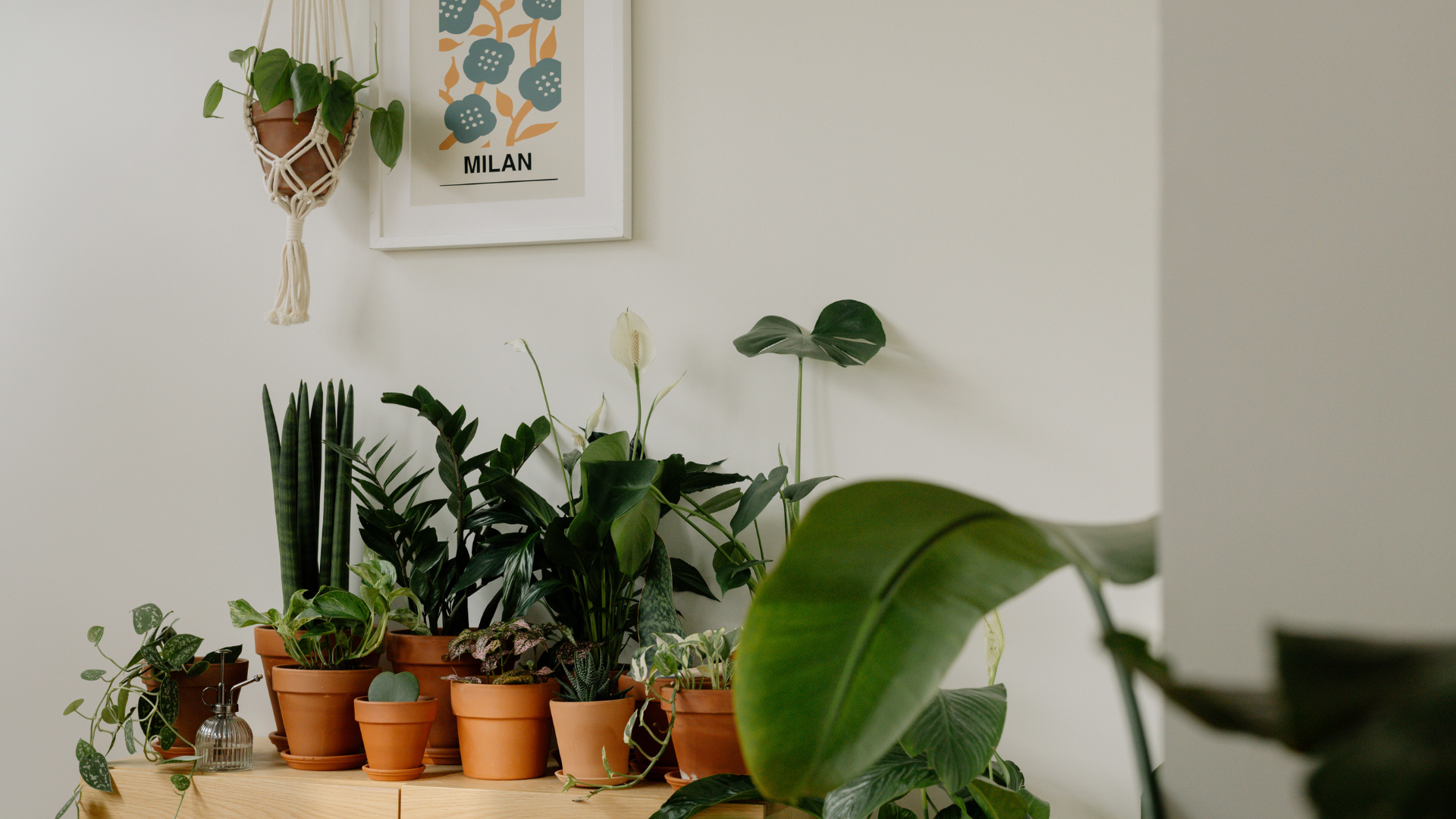
Choosing the right indoor plants can transform a living space into a vibrant, inviting environment. With so many options available, selecting houseplants that thrive indoors while complementing the home’s aesthetics can be challenging. The key to successful indoor gardening lies in understanding light conditions, humidity levels, and the maintenance needs of various plants.
Certain plants are more forgiving and adaptable, making them ideal for beginners. Low-maintenance varieties like snake plants or pothos can flourish in various lighting conditions and require minimal care. In contrast, more exotic plants may demand specific environments but can offer unique visual appeal and benefits such as air purification.
Creating an indoor garden should align with personal preferences and lifestyle. Taking the time to research and understand each plant’s specific needs will ultimately lead to a healthier environment and a more enjoyable experience for the homeowner. With the right selections, any space can be enhanced with greenery that brings life and tranquility indoors.
Key Considerations When Choosing Indoor Plants
Selecting the right indoor plants involves understanding various aspects related to their care and compatibility with home environments. Key factors such as lighting, temperature, space availability, and personal preferences play a significant role in ensuring plant health and harmony within living spaces.
Lighting Requirements for Indoor Plants
Light is crucial for indoor plants as it affects their growth and vitality. Different plants have varying light needs, ranging from bright, direct sunlight to low-light conditions.
- Highlight plants (e.g., succulents, cacti) that thrive in sunny spots.
- Medium-light plants (e.g., snake plants, pothos) prefer indirect light.
- Low-light plants (e.g., ZZ plants, peace lilies) can survive in shaded areas.
It’s essential to assess the natural light available in the home throughout the day. Plant placement can greatly affect their growth, so understanding each plant’s specific requirements is vital for proper houseplant care.
Temperature and Humidity Factors
Indoor plants generally prefer stable temperatures between 65°F and 75°F. Sudden temperature changes can stress plants.
Additionally, humidity plays a key role, especially for tropical plants. Most common houseplants thrive in humidity levels of 40-60%. Using a humidifier or placing a water tray nearby can enhance humidity.
- Tropical plants may need extra moisture, benefiting from misting.
- Drier environments may favor hardy succulents that require less humidity.
Monitoring both temperature and humidity will help ensure optimal growth conditions for selected houseplants.
Evaluating Your Space and Plant Size
Before selecting plants, assessing available space is essential. Different sizes and growth habits suit various environments.
- Small houseplants are ideal for limited spaces like apartments.
- Larger plants can serve as statement pieces in more spacious areas.
Consider the sunlight exposure and layout when determining placement. Clusters of smaller plants can create visual interest, while larger specimens might fit well as standalone features. It’s vital to keep in mind how much space a plant will need as it grows.
Aesthetic and Lifestyle Preferences
Personal aesthetics and lifestyle choices significantly influence plant selection. Individuals should consider how a plant’s appearance aligns with their interior decor.
Factors to consider include:
- Color and leaf shape can complement surrounding furnishings.
- Maintenance level, as busy lifestyles may require low-care plants.
Incorporating plants that appeal visually while fitting lifestyle needs helps maintain enthusiasm for houseplant care. Balancing aesthetics with practical considerations ensures a fulfilling indoor gardening experience.
Popular Indoor Plants for Different Home Environments
Choosing the right indoor plants can enhance a living space based on its light conditions and size. Certain plants thrive in low light, while others prefer bright, sunny spots. Compact varieties are ideal for smaller spaces, providing a touch of greenery without overwhelming the area.
Best Plants for Low-Light Spaces
Low-light environments benefit from resilient plants that require minimal sunlight. The snake plant is a top contender, known for its air-purifying qualities and strong adaptability. The ZZ plant also performs well under low light, with its glossy leaves adding elegance.
The peace lily showcases beautiful, white blooms while thriving in shaded spots. Pothos, often called devil’s ivy, is another excellent choice, with its trailing vines enjoying indirect light. The cast iron plant lives up to its name, enduring neglect with ease.
Top Choices for Bright, Sunny Rooms
Bright spaces are perfect for many indoor plants that thrive in direct sunlight. The fiddle leaf fig stands tall, adding drama with its large leaves, while the rubber plant offers deep green foliage that can grow quite large.
Aloe vera and succulents like the jade plant and various cacti flourish in sunny conditions. The bird of paradise adds a tropical vibe with its impressive blooms. Neon pothos can bring vibrant color to sunny spots, creating a lively atmosphere.
Compact Plants for Apartments and Small Areas
Compact plants are essential for maximizing limited space without sacrificing aesthetics. African violets thrive indoors, producing stunning flowers in smaller containers. The spider plant is versatile, tolerating various conditions while providing charming arching foliage.
Peperomia and begonias are excellent for tabletops, with their unique textures and colors. The polka dot plant adds a splash of vibrancy with its eye-catching leaves. Air plants are also a smart choice; they can be displayed in creative ways without needing soil.
Essential Indoor Plant Care and Maintenance Tips
Proper care and maintenance are crucial for healthy indoor plants. Attention to watering, soil conditions, and fertilization can enhance growth and blooming. A consistent care routine minimizes issues such as root rot and yellowing leaves.
Basic Watering Guidelines
Watering is vital for indoor plant health. A general rule is to check moisture levels by sticking a finger into the soil. If the top inch feels dry, it’s time to water.
Frequency of Watering:
- Small pots: Every 1-2 weeks
- Medium pots: Every 2-3 weeks
- Large pots: Every 3-4 weeks
Consider factors like humidity and light conditions, as they affect water evaporation. Overwatering can lead to root rot, evident by yellowing leaves and a mushy texture in the roots.
Soil, Pots, and Repotting
Choosing the right soil and pots is key. Well-draining soil, such as a mix designed for houseplants, prevents water retention. A ceramic pot with drainage holes allows excess water to escape, reducing the risk of root rot.
Repotting should occur every 1-2 years or when the plant outgrows its pot. Signs include roots growing out of the drainage holes, or soil compacted and dry. During repotting, gently loosen the roots and add fresh soil to provide nutrients.
Fertilization and Feeding
Plants benefit from regular fertilization, especially during the growing season. A balanced fertilizer can supply essential nutrients.
Fertilizing Tips:
- Use a liquid fertilizer every 4-6 weeks during spring and summer.
- Reduce fertilization in the fall and winter when growth slows.
Always follow label instructions to avoid over-fertilizing, which can lead to leaf burn and hinder growth.
Seasonal Adjustments and Common Issues
Seasonal changes demand adjustments in care. During winter, plants may require less water and fertilizer. Monitoring light levels is essential as shorter days may necessitate supplemental lighting.
Common issues include yellowing leaves and slowed growth. Yellow leaves often signal overwatering or nutrient deficiency. Adjusting the care routine can remedy most problems. Regular checks for pests also help maintain plant health, ensuring a thriving indoor garden.
Troubleshooting Common Problems and Pest Control
Addressing common problems and pest control is essential for maintaining healthy indoor plants. This section focuses on identifying pests, effective treatment methods, and recognizing signs of distress in plants.
Identifying and Treating Plant Pests
Several pests can affect indoor plants, such as aphids, spider mites, and mealybugs.
- Aphids are small, soft-bodied insects that cluster on new growth. They can cause leaf curling and yellowing.
- Spider mites are tiny and often leave fine webs on the underside of leaves. Affected plants may display stippled foliage.
- Mealybugs look like white cottony masses on stems and leaves, leading to yellowing and stunted growth.
To treat these pests, a thorough inspection of the plant is vital. Insecticidal soap and neem oil are effective solutions. Spraying the affected areas thoroughly is important for control. Regular monitoring can prevent infestations from getting out of hand.
Natural and Chemical Solutions
There are both natural and chemical approaches to pest control for indoor plants.
- Natural solutions include neem oil and insecticidal soap. These options are derived from plants and are generally safer for the environment. They disrupt the life cycle of pests and require repeated applications.
- Chemical solutions are more potent but should be used with caution. Ensure the chosen pesticide is safe for indoor use and follow the manufacturer’s instructions closely.
Implementing regular preventive measures, like isolation of new plants, can also help reduce pest issues.
Recognizing Signs of Unhealthy Plants
Maintaining plant health involves recognizing distress signals early. Key indicators include:
- Yellowing leaves may suggest nutrient deficiencies or overwatering.
- Brown leaf edges often result from underwatering or low humidity.
- Wilting can indicate either overwatering or underwatering, requiring immediate attention.
Regularly inspecting your plants allows for early diagnosis. Keeping a consistent care routine is crucial for prevention. Adjustments to light, water, and humidity levels may be necessary to encourage recovery.