
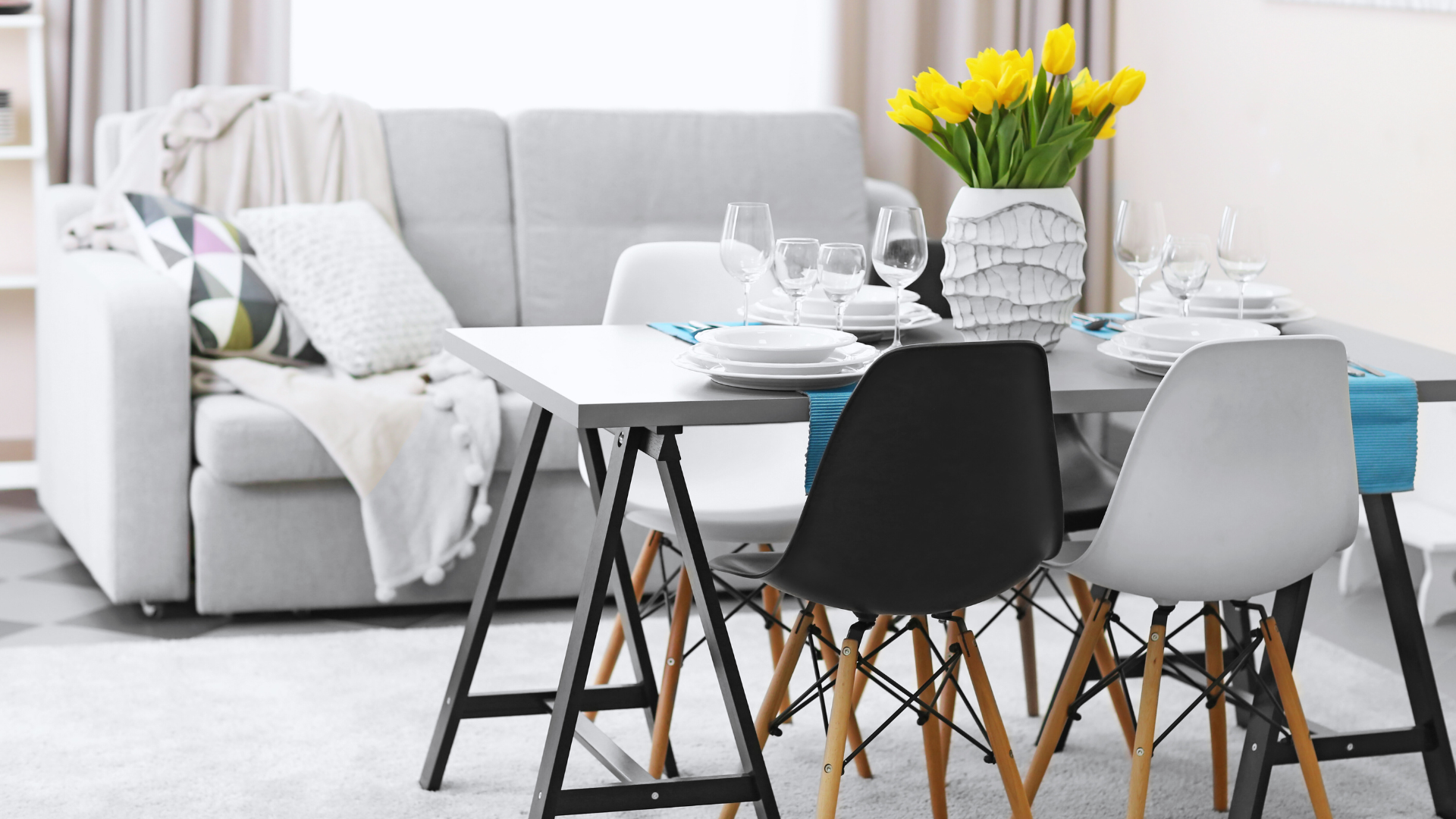
Creating an inviting atmosphere in small spaces can transform how they are perceived. Choosing a lighter color palette, using mirrors strategically, and maximizing natural light are all effective ways to enhance the perception of space and brightness. These techniques not only make areas feel larger but also create a more open and airy environment.
Incorporating multi-functional furniture and decluttering can also contribute significantly to the overall feel of a small room. By selecting pieces that serve more than one purpose and reducing excess items, it becomes easier to maintain an organized and spacious look.
Smart lighting choices can further elevate the ambiance. Utilizing soft, layered lighting helps to create warmth and depth, making any small area feel more expansive.
Harnessing Light to Expand and Brighten Small Spaces
Effective use of light can transform small spaces, making them feel more spacious and inviting. By strategically utilizing natural light and thoughtfully layering artificial lighting, one can achieve a brighter, airier environment. Color choices also play a crucial role in enhancing brightness.
Maximizing Natural Light with Windows and Sheer Curtains
To make the most of natural light, it is essential to keep windows unobstructed. Avoid heavy curtains that block sunlight and choose sheer alternatives instead. Sheer curtains allow light to filter in while maintaining privacy, creating an open feel.
Adding mirrors across from windows can amplify natural light. The reflections help distribute light throughout the room, reducing darkness in corners. Also, consider leaving window sills clear of clutter, which can hinder the entry of light.
Lastly, avoid dark window treatments. Lighter materials in soft shades work best to reflect light while maintaining a soft aesthetic.
Layering Overhead Lights, Floor Lamps, and Tall Floor Lamps
A well-planned lighting configuration can enhance the feeling of space. Incorporate overhead lights that distribute illumination evenly. Ceiling-mounted fixtures should combine with various light sources for optimal brightness.
Floor lamps and tall lamps can fill dark corners and provide additional layers of light. Placing them near seating areas ensures a cozy atmosphere while brightening the room.
Using dimmers on overhead lights allows adjustments based on time of day or mood. Combining warm and cool bulbs can create depth and interest, catering to different activities and fostering versatility in ambiance.
Choosing Light and Neutral Tones for Walls and Decor
Light and neutral tones significantly impact how space appears. Walls painted in soft whites, creams, or light grays create an expansive visual effect. These shades reflect more light, enhancing brightness throughout the room.
Incorporating decorative elements in similar tones—like furniture, rugs, and accessories—maintains a cohesive look. This consistency minimizes visual clutter, making the space feel larger.
Opt for bright-colored accents for contrast. Items like cushions or artwork can add personality without overwhelming the palette. Keeping this balance is key to achieving a spacious feel.
Creating the Illusion of Space: Design Strategies
Utilizing design strategies can significantly enhance the perception of spaciousness in small areas. By incorporating specific elements such as mirrors, transparent furniture, and larger rugs, anyone can effectively create a brighter and more expansive atmosphere.
Using Mirrors to Reflect Light and Enlarge
Mirrors serve as powerful tools in small spaces. They reflect light, which can create an illusion of depth and width. Placing a large mirror opposite a window allows natural light to bounce around the room, brightening the space.
Strategic positioning is key. For instance, using a series of smaller mirrors in a gallery style can add interest while amplifying light. It’s essential to consider the frame style; minimalist frames often work best to maintain a clean aesthetic.
Additionally, mirrored furniture pieces, like coffee tables or accent tables, can further enhance this effect. By reflecting the surroundings, they can make the area appear less cluttered and more open.
Incorporating Acrylic Chairs and Transparent Furniture
Acrylic chairs and transparent furniture offer a practical solution for maximizing small spaces. The transparency allows light to flow freely, giving the impression of more space.
These pieces can be functional and stylish. For example, clear acrylic chairs around a dining table create a modern look while minimizing visual weight. This subtlety helps maintain an airy feeling in smaller rooms.
Choosing transparent furniture means less visual obstruction. This design approach can unify the room’s elements, making the entire area feel more cohesive and larger than it is.
Opting for Large Area Rugs Over Smaller Ones
Choosing a large area rug can fundamentally change the perception of a room. Larger rugs unify furniture and define spaces, making a room feel more open.
When selecting a rug, it’s beneficial to ensure it extends under the main furniture pieces. This design trick allows for a seamless transition and maintains visual continuity.
Patterns and colors also play a significant role. Bold, light-colored rugs can brighten up a room while adding a sense of depth. This approach not only enhances aesthetics but also contributes to an inviting atmosphere.
Making Smart Use of Storage and Furniture
In small spaces, effective use of storage and furniture can create a sense of openness while maintaining functionality. Implementing smart solutions minimizes clutter and optimizes available space. Here are some practical strategies.
Implementing Hidden Storage to Reduce Clutter
Hidden storage is essential in small spaces. It conceals items while maximizing room efficiency. Common options include under-bed storage boxes, ottomans with compartments, and wall-mounted cabinets.
Examples of Hidden Storage:
- Under-Furniture Storage: Use shallow bins beneath couches or beds.
- Built-In Cabinets: Design custom cabinets that blend with the walls.
- Seating with Storage: Choose benches that open for extra space.
These solutions not only tidy a room but also enhance its aesthetic appeal. Keeping visible surfaces clear leads to a notably larger and brighter feel.
Choosing Multifunctional Furniture for Versatility
Multifunctional furniture serves dual purposes, which is valuable in limited spaces. A coffee table can also function as a desk, while a sofa bed provides sleeping arrangements.
Examples of Multifunctional Furniture:
- Sofa Beds: Ideal for hosting guests in small living areas.
- Drop-Leaf Tables: Easily expand for dining or fold for saving space.
- Storage Ottomans: Serve as seating while holding blankets or magazines.
These pieces allow for flexible arrangements without sacrificing style. They contribute significantly to a space’s versatility and efficiency.
Utilizing Vertical Storage to Free Floor Space
Vertical storage draws the eye upward, making a space appear larger. Shelving units and hooks can dramatically increase storage capacity without taking up floor area.
Vertical Storage Solutions:
- Wall Shelves: Install shelves above furniture to display books or decor.
- Pegboards: Organize tools or kitchen items while saving counter space.
- Hanging Racks: Use racks for bicycles or garments to minimize clutter.
By adopting vertical storage ideas, small areas can achieve functionality without feeling constricted. This method not only promotes organization but also maintains a bright and open atmosphere.
Finishing Touches: Accessories and Visual Enhancements
Enhancing small spaces can be effectively achieved through thoughtful accessories and visual elements. By incorporating specific items strategically, one can create an illusion of openness and brightness.
Strategically Placing Hanging Plants
Hanging plants can add life and texture to small areas. They draw the eye upwards, which creates the impression of taller ceilings.
Key Considerations:
- Type of Plants: Opt for trailing plants like pothos or string of pearls, as they provide lush greenery without taking up floor space.
- Placement: Hang them near windows for natural light, or in corners to soften hard edges.
Using decorative pots can further enhance visual appeal. Bright colors or metallic finishes can reflect light, contributing to a brighter environment. Regular care ensures plants stay healthy and vibrant.
Maintaining an Organization with Minimal Decor
Clutter can make spaces feel cramped. Maintaining a clean environment with minimal decor fosters a sense of openness.
Organization Tips:
- Storage Solutions: Use baskets or decorative boxes to hide items while adding style. Choose sleek designs that complement the decor.
- Wall Shelves: Utilize vertical space with wall-mounted shelves. Displaying a few curated items keeps surfaces uncluttered.
Selecting decor that matches the color scheme helps create a cohesive look. Incorporating mirrors can amplify light and give the illusion of more space.