
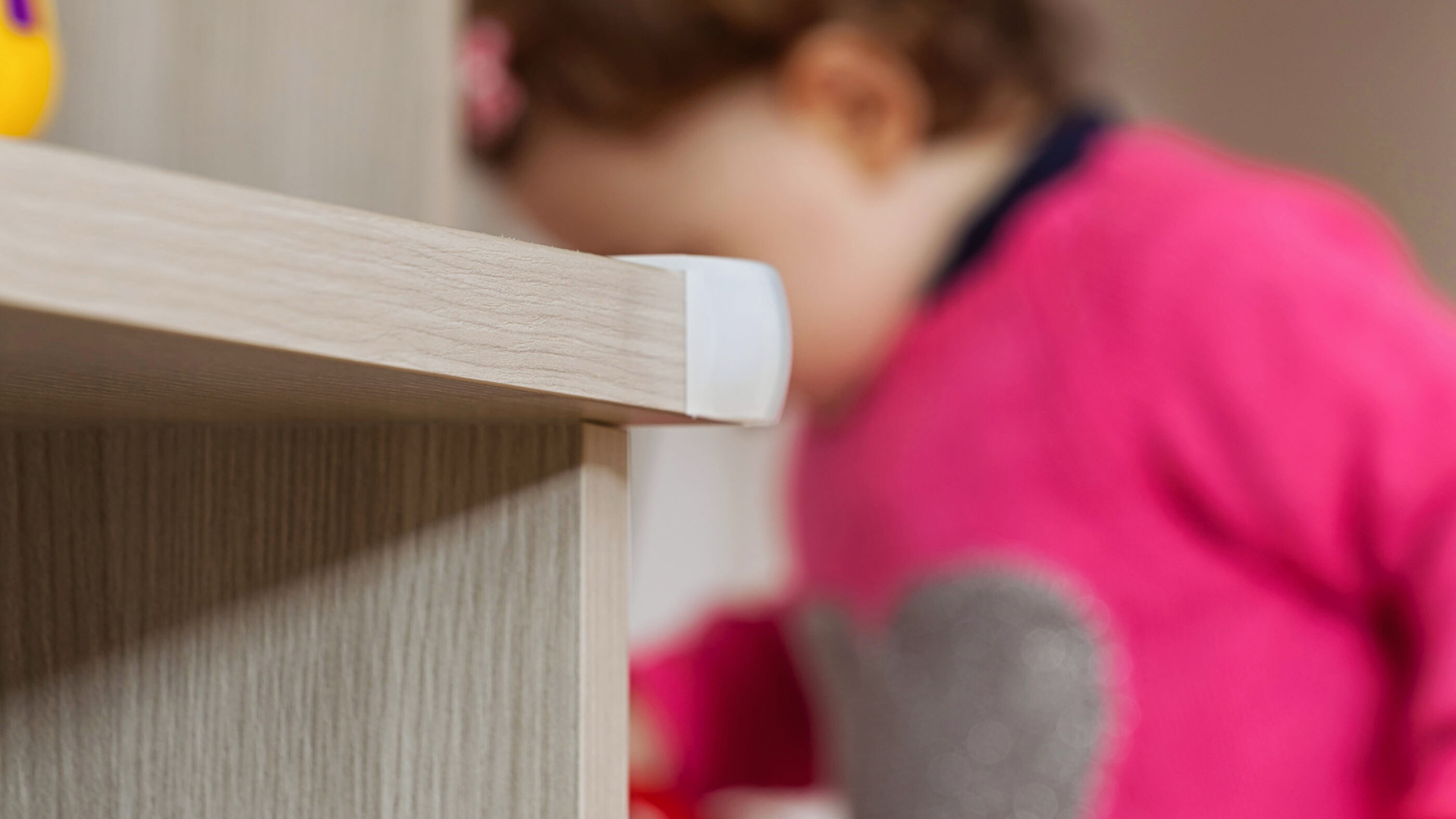
Creating a safe environment for children does not mean sacrificing style. By choosing stylish safety solutions and incorporating clever design elements, parents can effectively childproof their home while maintaining an aesthetic appeal. This balance allows homes to remain inviting and elegant, even with the added precautions for little ones.
Parents often face challenges when it comes to safety features that clash with their décor. Simple modifications, like using decorative storage solutions for toys and choosing furniture with rounded edges, can enhance safety without compromising design. With careful planning, an attractive and safe home is entirely achievable.
Childproofing can feel daunting, but it is possible to achieve both safety and style. Thoughtful choices in colors, materials, and layouts can transform a home into a space that is both functional for children and appealing to adults. Embracing this approach ensures that homes remain beautiful, welcoming, and safe for every family member.
Fundamentals of Stylish Childproofing
Creating a safe home while maintaining aesthetic appeal requires a careful balance. Key strategies include assessing hazards with a design perspective, prioritizing discreet solutions, and blending safety features seamlessly into interior aesthetics.
Assessing Hazards With a Design Eye
When it comes to childproofing, a detailed assessment of hazards is essential. This involves identifying potential risks in various rooms, such as sharp edges, breakable items, and accessible appliances.
Tips for Assessment:
- Inspect furniture for sharp corners, particularly in play areas.
- Evaluate the location of electrical outlets and cords.
- Check for choking hazards like small decorative items within reach.
Keeping design in mind, one can select stylish guards or covers that suit the overall theme. Using materials that blend with existing decor can keep spaces both safe and visually appealing.
Prioritizing Discreet Childproofing Solutions
Childproofing does not need to detract from home aesthetics. Discreet solutions allow for safety without compromising style. Look for items that are functional yet blend into the design.
Examples of Discrete Solutions:
- Outlet Covers: Choose ones that match the wall colors or switch plates.
- Furniture Anchors: Many come in designs that complement furniture styles.
- Cabinet Locks: Opt for options that are hidden or integrated seamlessly.
Utilizing these solutions enables peace of mind while preserving the home’s natural elegance.
Blending Safety With Interior Aesthetics
Creating a safe environment can be stylish. By considering both safety and design, one can achieve an aesthetically pleasing space that is simultaneously child-friendly.
Integrating Safety Features:
- Use decorative storage solutions to hide toys and sharp objects.
- Select soft furnishings with rounded edges that enhance comfort.
- Incorporate area rugs that provide a cushioning effect while matching the room’s decor.
Being intentional with choices in safety features allows a homeowner to craft a visually cohesive environment that supports both adult and child needs.
Furniture and Soft Surface Solutions
Creating a stylish yet childproof home involves selecting the right furniture and soft surfaces. By focusing on items that combine safety and aesthetic appeal, it is possible to maintain a beautiful living space without compromising on child safety.
Selecting Furniture With Rounded Edges
Furniture with rounded edges minimizes the risk of injury in homes with active children. Sharp corners can pose hazards, so opting for designs that feature curves or rounded profiles is essential.
When shopping, look for items such as coffee tables, side tables, and shelving units made from materials like solid wood or foam. These materials are not only durable but also provide a softer impact if a child bumps into them.
Corner guards can also enhance safety. They can be easily attached to sharp furniture edges, adding an extra layer of protection without detracting from the design.
Using Upholstery and Cushions for Safety
Soft upholstery can offer a safe environment for children while complementing modern decor. Fabrics like microfiber and cotton are both stylish and easy to clean, making them ideal choices for households with kids.
Consider selecting upholstered furniture that features removable covers. This allows for quick cleaning of spills or stains, ensuring that the furniture remains presentable.
Cushions can also create safe play zones on the floor. Floor cushions or soft ottomans provide comfortable seating and a safe place for children to play without the risk of injury from hard surfaces.
Decorative Rugs for Traction and Comfort
Rugs serve multiple purposes in a childproof home. Aside from adding an aesthetic touch, they provide traction and comfort that can prevent slips and falls.
Choose rugs with non-slip backs to keep them securely in place. Materials like low-pile chenille are soft but also durable enough to withstand heavy foot traffic.
When selecting colors and patterns, consider those that can hide stains well, such as darker shades or busy designs. These styles blend practicality with visual appeal, ensuring that the rug remains a stylish focal point in the room.
Choosing Stylish Storage for Toys
Effective toy storage helps maintain a tidy environment while ensuring that playthings are easily accessible. Stylish storage solutions can integrate seamlessly into home decor.
Baskets made from natural fibers or decorative bins can hold toys while adding texture to a room. Labels can help children learn where to place their items, encouraging organization from a young age.
Consider furniture pieces with built-in storage, such as ottomans or coffee tables with hidden compartments. These options keep toys out of sight and double as functional pieces of decor, merging safety and style effectively.
Discreet and Modern Safety Features
Home safety can marry functionality with aesthetics. Various modern solutions allow for security measures that blend seamlessly into the home’s design, ensuring a child-friendly environment without compromising style.
Magnetic Cabinet Locks and Magnetic Locks
Magnetic cabinet locks provide a sleek way to secure kitchen and storage spaces. Unlike traditional locks, these are often invisible from the outside, ensuring cabinetry looks intact and stylish. They rely on a small magnet to keep doors secure.
These locks require a special key or magnet to unlock, preventing children from accessing potentially hazardous items. Installation is generally straightforward and does not damage cabinetry. Parents can enjoy peace of mind while maintaining the elegance of their home.
Incorporating Stylish Safety Gates
Safety gates are essential for managing access to potentially dangerous areas like staircases. Modern safety gates now come in a variety of designs and finishes that can complement home décor. Many feature wood or metal finishes that align with contemporary styles.
When selecting a gate, features such as movable or retractable designs are available. This flexibility allows parents to use gates selectively and store them away when not in use. The right safety gate can enhance a space rather than detract from it.
Natural Barriers and Built-In Storage
Using natural barriers presents an elegant solution to childproofing. For example, plants or furniture placement can effectively deter children from wandering into unsafe areas without looking manufactured or forced.
Built-in storage solutions, like benches with storage space, offer functionality while keeping items organized. These pieces can be selected to fit the room’s aesthetic and serve double duty, minimizing clutter while securing items children shouldn’t access.
Clear or Flush Outlet and Edge Protection
Safety features for outlets and edges can be both subtle and effective. Using clear or flush outlet covers minimizes interruption in the visual flow of a room. These options ensure that electrical outlets remain secure without bulky, unsightly covers.
Edge protection can be integrated into furniture design, maintaining a streamlined look while protecting children. Many furniture manufacturers now offer polished edges that prevent accidents without appearing overtly protective, blending safety with style.
Design-Forward Child Safety Enhancements
Creating a safe home while maintaining style requires thoughtful choices in decor and materials. The following enhancements focus on secure arrangements, the use of non-toxic materials, and adaptability for growing families.
Elevating and Securing Decor
To ensure safety without sacrificing style, decorators can elevate and secure decor items. Utilizing wall shelves for decorative pieces keeps them out of reach and reduces the risk of tipping. Opting for anchored furniture, like bookshelves or dressers, adds stability.
Furniture that includes storage solutions can minimize clutter, preventing trips and spills. Consider cabinets with locks for keeping dangerous items, like cleaning supplies, securely stored yet aesthetically pleasing.
Incorporating stylish storage baskets helps maintain a neat look while making toys accessible. These strategies allow for a chic atmosphere that supports a safe environment.
Non-Toxic and Natural Materials
Choosing non-toxic and natural materials is essential for a childproof home. Fabrics such as organic cotton or hemp provide a safe option for upholstery, as they are devoid of harmful chemicals.
Flooring should prioritize safety and comfort; options like bamboo or cork are eco-friendly and resilient against wear. These materials contribute to a healthy indoor environment, reducing exposure to toxins.
When selecting paints and finishes, opting for low-VOC or zero-VOC options protects air quality. This approach not only supports safety but also ensures that aesthetics aren’t compromised.
Adapting as Your Family Grows
Childproofing is not a one-time task; it evolves with the family. As children grow, the home needs to adapt accordingly. It’s important to reassess safety measures regularly.
Incorporating design elements that can serve multiple functions supports both style and safety. For instance, a sturdy coffee table can double as a play space when designed correctly.
Utilizing modular furniture allows families to rearrange as needed, maintaining safety alongside evolving tastes. This flexibility ensures that homes remain chic and practical, no matter the age of their inhabitants.