
Finding unique items for home decor can be a rewarding experience. Decorating with secondhand finds allows individuals to express their style while being environmentally conscious and budget-friendly. Thrift stores, garage sales, and online marketplaces offer treasures that can be transformed into standout pieces in any space.
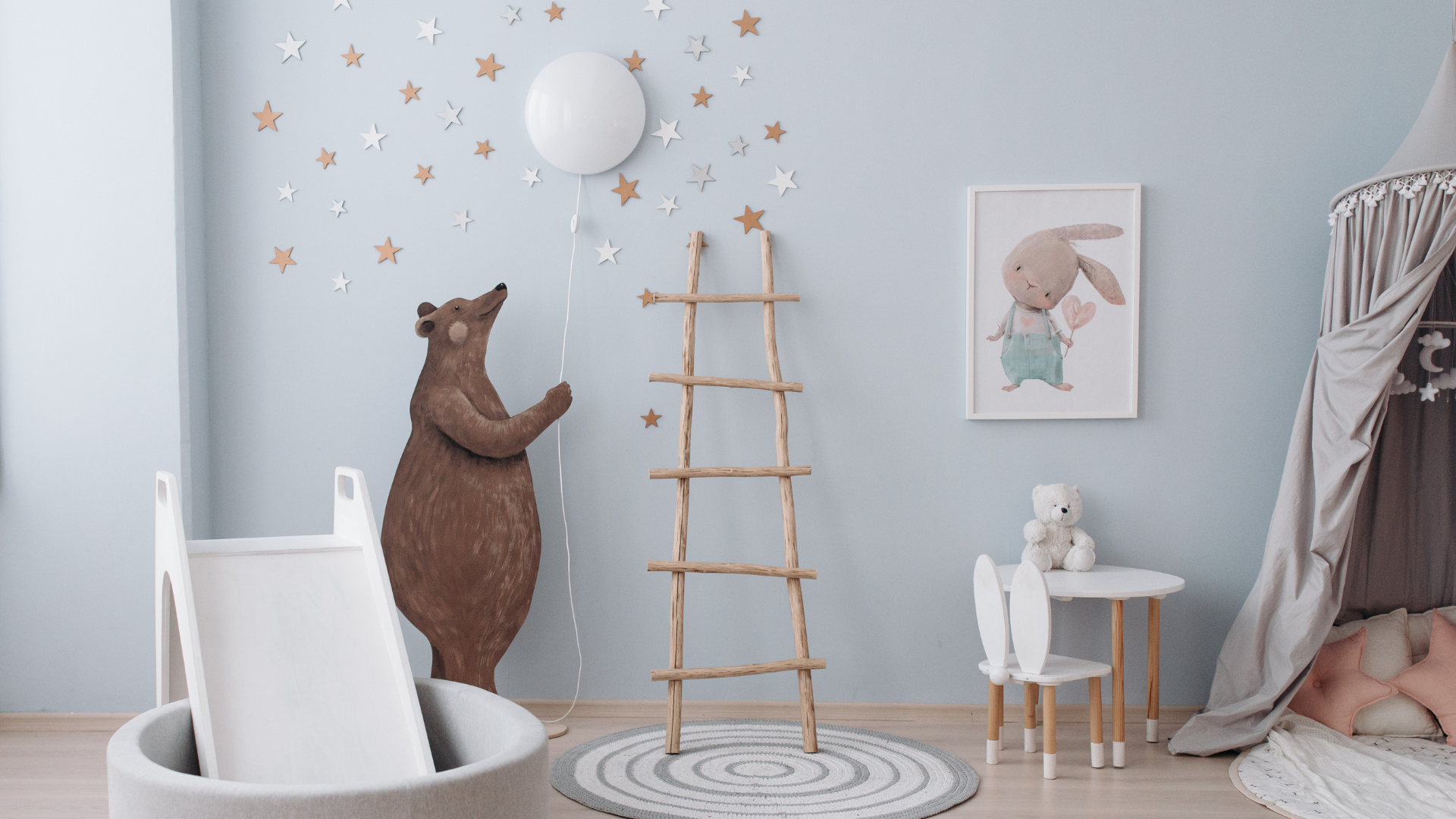
Creativity plays a key role in utilizing these secondhand items. Mixing vintage pieces with modern decor can create an eclectic yet cohesive look. Individuals can turn a rusted ladder into a bookshelf or an old trunk into a coffee table, showcasing their personality and resourcefulness.
Incorporating secondhand finds into home decor also supports sustainable practices. By giving new life to discarded items, people contribute to reducing waste and promote a circular economy. This approach not only enhances personal spaces but also fosters a sense of community and shared value.
Finding Unique Secondhand Finds
Secondhand shopping offers a treasure trove of unique home decor options. Identifying quality pieces and knowing where to look can enhance any space with character and charm.
Best Places to Source Thrift Store Decor
The most promising thrift store finds often come from specific locations.
- Local Thrift Stores: Chains like Goodwill and Salvation Army frequently refresh their inventory. Smaller, independent shops may also offer hidden gems.
- Estate Sales: These can provide high-quality vintage pieces at reasonable prices. Attending early ensures access to the best items.
- Garage Sales: Neighborhood garage sales often have unique, inexpensive items. Look for listings on community boards or online platforms.
- Flea Markets and Swap Meets: These venues typically feature a mix of antiques and upcycled goods. Vendors often negotiate prices, making it a great place for deals.
How to Identify Quality Pieces
Recognizing quality is essential when thrifting.
- Material Matters: Solid wood and metal pieces tend to last longer than plastic and particleboard.
- Condition Check: Inspect items for scratches, stains, or structural damage. Small repairs can be acceptable, but avoid anything too damaged.
- Brand Recognition: Familiarity with reputable brands can help. Names associated with durability often indicate quality craftsmanship.
- Style Compatibility: Consider how a piece fits into existing decor. Unique items should complement the overall aesthetic without feeling out of place.
What to Look For When Thrifting
Successful thrifting requires attention to detail.
- Distinctive Features: Look for items with unique designs, such as unusual shapes or colors, that can serve as conversation starters.
- Functionality: Ensure that the items serve a purpose or can easily be adapted for one.
- Scale and Size: Measure space before shopping. Items should fit comfortably within the intended area without overwhelming it.
- Trendy vs. Timeless: While trendy items can add flair, classic pieces have lasting appeal. Balancing both types in a decor scheme can enhance visual interest.
By targeting the right places and knowing what to watch for, secondhand shopping becomes an enriching experience that transforms any space.
Defining Your Decorating Style With Thrifted Pieces
Utilizing secondhand finds offers an excellent way to express individual style while ensuring a unique decor approach. Focus on blending colors, mixing eras, and selecting key vintage items to create a cohesive atmosphere.
Choosing a Cohesive Color Palette
Establishing a color palette is essential for unifying thrifted finds throughout a space. Start by selecting two to three primary colors that resonate well together.
Using tools like color swatches or digital apps can help visualize how different shades interact. Consider picking colors that complement each other, such as muted tones or soft pastels. This will help vintage pieces harmonize with the overall decor.
Incorporate accents that reflect personal taste and adapt to the existing furnishings. A cohesive palette ties together various elements, allowing for a seamless transition between old and new pieces.
Mixing Old and New Items
Successfully blending vintage and contemporary items can elevate home decor. When integrating thrifted pieces, aim for balance. Large furniture can anchor the room, while smaller decor accents can provide contrast.
Select a few modern items to juxtapose with vintage finds. For example, using a sleek, modern sofa can make a retro coffee table feel even more distinctive.
Establishing a clear visual link, such as matching wood tones or similar textures, can ensure items feel intentional together. This thoughtful combination captures the unique charm of secondhand goods while embracing contemporary aesthetic trends.
Incorporating Statement Vintage Pieces
Incorporating vintage statement pieces can define a space and evoke character. Identify standout items like a bold art piece, a distinctive lamp, or an eye-catching piece of furniture.
These items can serve as focal points that draw attention and spark conversation. They should be strategically placed, such as in prominent areas like the living room or entryway.
Consider the story behind each piece. A vintage find can add depth and interest, enriching the overall decor narrative. By thoughtfully positioning these items, they can effectively anchor the room while allowing for other thrifted treasures to shine.
Creative Styling and Upcycling Ideas
Transforming secondhand finds into stylish decor pieces requires creativity and skill. By focusing on restoring furniture, upcycling accessories, and engaging in DIY projects, one can create unique touches that enhance home aesthetics.
Restoring and Refreshing Furniture
Restoring furniture involves both repair and aesthetic upgrades. Sanding down surfaces prepares them for new finishes. Using chalk paint is popular for its ease of use and matte finish.
When painting, consider the furniture’s original character. Distressing techniques can add charm, particularly to rustic pieces. For a fresh look, reupholstering chairs with vibrant fabric can breathe new life into a tired item.
Functional pieces can be adapted too. Adding new hardware or modifying shapes can enhance both usability and style.
Upcycling Decorative Accessories
Upcycling decorative accessories allows for personalized creativity. Thrift store finds, like vases or trays, can be easily transformed. A spray paint update can shift the focus of an item entirely.
For example, a glass vase can become a striking centerpiece with a metallic coat. Adding embellishments like rope or fabric can also create texture and interest.
Using table linens creatively is another approach. Layering mismatched cloth napkins can set a unique table setting, while placing objects on a stylish tray ties the look together.
DIY Projects for Personal Touches
DIY projects can infuse personality into a home. Creating wall art from secondhand frames allows for unique displays. Painting or adding fabric to the backing can unify a gallery wall.
Building custom shelving from reclaimed wood is another functional DIY. It maximizes vertical space and showcases favorite items. For extra flair, consider using brackets in a statement color.
Engaging with local thrift stores for materials can yield unexpected treasures. Items like wooden crates can easily become versatile storage or side tables when refinished or painted.
Displaying Thrift Store Finds
Displaying finds from thrift stores is an art in itself. Instead of hiding them away, incorporate them into everyday spaces. Grouping items in clusters can enhance visual appeal and storytelling.
Arrange decorative trays with themed objects, such as vintage books alongside potted plants. This method curates a lived-in feel while maintaining style.
Vases can be displayed in various ways. Using them as standalone art pieces or grouped for impact elevates their role in decor. Mixing heights and textures adds interest to arrangements.26/03/2026