The Briggs Posts

How to Sell Your Home for Cash: A Simple Guide to Quick Transactions

Selling your home can often feel daunting, but exploring the option to sell for cash offers a straightforward solution. Cash buyers can streamline the process, allowing you to avoid traditional hurdles such as lengthy mortgage approvals and inspections. This approach not only speeds up the transaction but also often results in a quicker closing, making it an attractive choice for you if you’re looking for a fast and hassle-free sale. With fewer steps involved, you can move on to your next chapter with ease and confidence.

When you opt for a cash offer, you can expect a simplified negotiation process. Cash buyers are typically investors or companies looking to purchase properties quickly, which often leads to offers that are less contingent on financing and more direct. Understanding the dynamics of this process allows you to make informed decisions throughout your selling journey, helping you navigate the process with confidence and clarity.

Ultimately, knowing how to effectively Sell your home for cash can maximize potential profits and minimize selling timelines. By focusing on creating an appealing property presentation and promoting the home to the right audience, you can unlock the advantages of a cash sale while minimizing the stress often associated with traditional home-selling methods.

Understanding Cash Offers

Cash offers are a popular option for homeowners looking to sell quickly and efficiently. A cash offer means that a buyer can purchase the home without needing mortgage approval, which can streamline the transaction.

What Is a Cash Offer

A cash offer refers to a proposal made by a buyer to purchase a property outright, using cash rather than financing through a mortgage. Cash buyers can include individuals, investors, or companies known as iBuyers.

Since there’s no need for bank approval, cash offers can lead to faster closings. This type of offer is advantageous in competitive markets where sellers may prefer quick, uncomplicated sales. Cash offers can also sometimes be lower than market value due to the reduced risk for the buyer.

Benefits of Selling for Cash

Selling a house for cash presents several benefits. First, completing a tampa home sale for cash often results in a faster sale. The absence of financing approvals means fewer delays during the transaction process. Next, sellers can save money on closing costs. Without mortgage-related fees, the overall expense of the sale decreases.

Cash offers typically come with fewer contingencies, resulting in a more straightforward negotiation process. Additionally, many Cash Home Buyers tend to buy houses in their current condition; this can mean that sellers don’t have to go through the hassles of getting maintenance or repairs done on their property.

Another advantage is the reduced risk of the deal falling through. Since cash buyers do not rely on financing, the probability of a sale collapsing due to loan approval issues is minimized.

How Cash Home Sales Work

When engaging in cash home sales, process understanding is vital. First, a home seller typically receives a cash offer after negotiations with buyers or investors. Once accepted, the seller and buyer proceed to draft a purchase agreement. This contract outlines terms, including price and closing dates.

Afterward, an inspection may occur, although it’s not always required. Cash buyers may purchase the home in its current condition, allowing sellers to avoid costly repairs. Closing occurs once all terms are satisfied. This stage often involves meeting at a title company, where the cash payment is transferred, and ownership is recorded. The entire transaction can close within a week, providing sellers with prompt access to funds.

Preparation and Valuation

Preparing a home for sale involves understanding its worth and ensuring it appeals to prospective buyers. This includes conducting a thorough valuation and making any necessary repairs or improvements.

Assessing Your Home’s Worth

To determine a home’s value, owners should start with a comparative market analysis (CMA). This involves researching similar properties in the neighborhood that have sold recently. Key factors to consider include:

  • Square footage
  • Location
  • Amenities
  • Condition

Establishing a fair market value helps set a competitive price. If no repairs are needed, buyers may pay a price closer to the property’s full market value. The 70% rule is also relevant for cash buyers; they often aim to pay about 70% of the market value minus repair costs. This can guide sellers in their pricing strategy.

Important Repairs and Improvements

Before listing a home, addressing necessary repairs can boost its market appeal. Common areas to focus on include:

  • Roofing and plumbing issues
  • Electrical system updates
  • Cosmetic improvements such as paint or flooring

Deciding what repairs to prioritize depends on their return on investment. Basic maintenance can increase buyer interest without over-investing. Sellers should also be cautious of over-improving, as this can negate profit margins. A cost-benefit analysis can aid in determining which repairs are worthwhile.

Staging Your Home for a Quick Sale

Staging enhances a home’s visual appeal, making it easier for buyers to envision their lives in the space. Effective staging tips include:

  • Decluttering to create an open feeling
  • Neutralizing decor to appeal to a wider audience
  • Highlighting key features with furniture placement

Professional staging can be beneficial, but simple DIY changes often work well. Emphasizing natural light and creating an inviting atmosphere can significantly impact buyers’ perceptions. A well-staged home can sell faster and closer to the asking price, making the preparation period crucial.

Navigating the Selling Process

Selling a home for cash involves several important steps. Knowing the right cash buyer and understanding the closing process can significantly impact the experience. It is essential to avoid common pitfalls along the way.

Choosing the Right Cash Buyer

Selecting an appropriate cash buyer is crucial. Cash buyers can include individual investors, house flippers, real estate companies, or investment groups. Each has different motivations and offers.

Key Factors to Consider:

  • Reputation: Look for buyers with positive reviews and a track record of successful transactions.
  • Cash Availability: Confirm they have sufficient funds to complete the purchase without financing.
  • Inspection Contingency: Ensure buyers are willing to bypass or limit inspection requests to streamline the process.

Connecting with multiple cash buyers can provide options and leverage in negotiations. He or she should also be wary of buyers who offer significantly lower prices without justification.

Understanding the Closing Process

The closing process for a cash sale typically involves fewer complexities than traditional sales. Once both parties agree on the price, the following steps occur:

  • Escrow Setup: A neutral escrow company manages the transaction, holding funds until closing.
  • Title Search: Conducted to ensure the seller has a clear title for the property, free of liens.
  • Closing Documents: Both parties must review and sign necessary documents, including the purchase agreement and any disclosures.

The closing date is typically agreed upon during negotiations. He or she should aim for a closing timeline that suits their needs while allowing adequate time for the buyer to conduct due diligence.

Avoiding Common Pitfalls

Awareness of potential pitfalls can lead to a smoother transaction. Sellers should take precautions to avoid issues like:

  • Underestimating Closing Costs: These can include title insurance, transfer taxes, and escrow fees. Knowing these costs in advance helps in budgeting.
  • Neglecting Repairs or Appraisals: Some cash buyers may skip inspections, but neglecting necessary repairs may reduce the sale price or cause complications later.
  • Forgetting to Clear Title issues: Issues related to the property title can delay or derail the closing process. Engaging a title company early can help address any concerns.

By actively managing these aspects, sellers can facilitate a more successful cash sale.

Finalizing the Deal

Successfully finalizing a cash sale involves a few critical steps to ensure a smooth transaction. Key actions include conducting a title search, verifying proof of funds, and signing the final documents. Each of these steps is essential for both the seller’s peace of mind and the efficiency of the closing process.

Completing a Title Search

A title search is crucial when finalizing a home sale. This process verifies ownership and checks for any liens or claims against the property. It is essential to ensure that there are no legal issues that could hinder the transaction.

Sellers typically engage a title company or real estate attorney to conduct this search. They will provide a report detailing any outstanding obligations related to the property. Addressing these issues may be necessary before proceeding to close.

Ensuring a clear title can prevent future disputes and ensure a smooth transfer of ownership to the buyer. This step helps sellers protect their interests and can speed up the process if any issues arise early.

Verifying Proof of Funds

Verification of proof of funds is a vital part of finalizing a cash sale. Buyers must demonstrate their financial capability to complete the purchase without financing. This verification helps sellers avoid delays by confirming the buyer’s ability to perform.

Typically, proof can be shown through a bank statement or a letter from a financial institution. Sellers should request this documentation early in the negotiation process to avoid any potential inconvenience.

A cash buyer often has a competitive edge, particularly in a seller’s market. Establishing proof of funds adds confidence and reassures the seller that the buyer can complete the transaction without complications.

Signing the Final Documents

Once the title search and proof of funds are confirmed, it’s time for the final document signing. This process typically includes the purchase agreement, any disclosures, and the deed transfer. A notary may be present to verify identities and signatures during this step.

Sellers should carefully review all documents to ensure accuracy before signing. Attention to detail is necessary to avoid errors that could cause delays. Once signed, copies of the documents should be distributed to all parties involved.

The final step is often the transfer of funds, concluding the sale. A cash sale allows for faster closing, typically within a matter of days, providing both parties with a simplified and efficient transaction experience.


Interior Design for Beginners: Essential Tips to Transform Your Space

Interior design can seem overwhelming for beginners, but it doesn’t have to be. With a few essential principles and guidelines, anyone can enhance their living space. Understanding the fundamental elements of interior design, such as balance, color, and functionality, empowers individuals to create harmonious and appealing environments.

For those just starting, breaking down the design process into manageable steps can simplify the journey. Exploring styles, selecting the right colors, and choosing furnishings are key aspects that contribute to a cohesive look. By focusing on personal preferences and practical needs, beginners can transform a space effectively.

Moreover, design resources are plentiful, making it easier to gather inspiration and ideas. Websites, blogs, and social media platforms offer a wealth of visuals and tips to help spark creativity. With the right knowledge and inspiration, anyone can create a space that truly reflects their personality and lifestyle.

Getting Started With Interior Design

Establishing a foundation in interior design involves understanding key design principles, assessing the space and individual needs, and avoiding common mistakes that can hinder the design process. By focusing on these areas, beginners can develop a strong sense of style and functionality in any space.

Understanding Key Design Principles

To create a harmonious interior, it’s essential to grasp fundamental design principles. These include:

  • Balance: Achieving visual weight balance through symmetry or asymmetry creates a unified look.
  • Contrast: Incorporating differing elements like color, texture, or scale adds interest and depth.
  • Focal Point: Determining a central feature that draws attention, such as art or furniture, helps anchor the design.
  • Scale and Proportion: Choosing furnishings and accessories that complement the size of the space ensures comfort and flow.

By applying these principles thoughtfully, one enhances the aesthetic appeal and functionality of any room.

Assessing Your Space and Needs

Before diving into design, assessing existing space and personal requirements is critical. This process involves:

  • Evaluating Space: Measure the dimensions of rooms, noting architectural features and natural light sources.
  • Identifying Needs: Consider how each space will be used. This understanding helps in selecting appropriate furniture and layout.
  • Personal Style: Reflect on preferred styles—modern, traditional, eclectic, etc.—to guide choices in colors, materials, and furnishings.

Creating a comprehensive list of needs and priorities aids in solidifying a vision for the space.

Common Interior Design Mistakes To Avoid

Beginners often encounter specific pitfalls in their design journey. Avoiding these common mistakes can lead to better results:

  • Ignoring Scale: Filling small rooms with oversized furniture can create a cramped atmosphere. Choose items that maintain proportional harmony.
  • Lack of Cohesion: Mixing styles without a unifying concept may result in a disjointed appearance. Establish a clear aesthetic direction.
  • Overdecorating: Cluttered spaces can feel chaotic. Aim for simplicity and allow elements to breathe.

By being mindful of these mistakes, individuals can achieve a more polished and cohesive design in their interiors.

Choosing Colors, Materials, and Furniture

Selecting the right colors, materials, and furniture is crucial for creating a cohesive and inviting space. A well-thought-out combination can enhance the aesthetic appeal and functionality of any room.

Selecting a Color Palette

Choosing a color palette begins with understanding how colors affect mood and perception. Designers often use the color wheel as a guide. Colors can be classified as:

  • Warm Colors: Reds, oranges, and yellows promote energy.
  • Cool Colors: Blues, greens, and purples create serenity.
  • Neutral Colors: Grays, whites, and browns serve as a backdrop.

When selecting colors, it’s essential to consider the lighting in the space. Natural light can make colors appear different depending on the time of day. Using a combination of a main color with two or three accent colors can create visual interest. She recommends testing samples on walls to see how they interact with both sunlight and artificial lighting.

Mixing Materials and Textures

Combining various materials and textures adds depth to a space. Different finishes can contrast or complement each other effectively. Common materials include:

  • Wood: Warmth and natural appeal.
  • Metal: Modern and sleek.
  • Fabric: Softens spaces and adds comfort.

To achieve balance, it’s important to mix materials mindfully. For instance, a soft fabric sofa can be paired with a metal coffee table to create contrast. Adding textured elements like cushions or a wool rug enhances the sensory experience. Proper layering can make a room feel inviting and well-designed. Aim for a harmonious blend rather than chaos.

In utility zones or when pursuing an industrial-chic look, metal surfaces can be both practical and stylish. Products such as chequered plate flooring combine a raised pattern for improved traction with aluminium’s light weight and corrosion resistance, making them well suited to stairs, ramps and workshop areas. Because the pattern adds visual texture, it can be used as a focal material or discreetly as a durable transition between spaces. Selecting standard or bespoke sheet sizes helps minimise seams and simplifies installation while improving long-term maintenance and safety.

Planning and Budgeting Your First Project

Planning and budgeting are crucial steps in any interior design project. They help in managing resources effectively and ensuring that the desired results are achieved without unnecessary stress.

Setting Realistic Budgets

Identifying a budget that fits one’s financial situation is essential. It requires assessing available funds and considering all necessary expenses, such as materials, labor, and permits. Creating a detailed budget can involve using a simple spreadsheet with input fields for different categories, including:

  • Materials: Furniture, paint, and flooring.
  • Labor: Costs for hired professionals versus DIY efforts.
  • Permits and Fees: Verification of any legal requirements.

It’s important to include a contingency fund, typically around 10-20% of the total, to address any unexpected costs that may arise during the project. Knowing the deadline for completing the project can also help maintain focus on staying within budget.

Prioritizing Purchases and Renovations

When beginning an interior design project, prioritizing what to buy and renovate is key. It can prevent overspending and ensure that budgets are adhered to. This can be important if upsizing your home with the help of significant renovations. A smart renovation plan can make the transition to a larger space much smoother.

Start by identifying the most essential items and tasks. For example:

  • Must-Have Furnishings: Identify essential furniture pieces needed for functionality.
  • Cosmetic Changes: Plan for aesthetic updates that are less urgent.

Establishing a ranked list of priorities aids in focusing spending on what significantly impacts the space. For each item or renovation, consider a payment plan that fits the budget without causing financial strain. Utilizing a tax professional can also provide insights into any applicable deductions for home improvements.

Working With Professionals Versus DIY

Deciding between hiring professionals or undertaking DIY projects can influence both cost and quality. Engaging skilled experts often ensures top-notch results, particularly for complex tasks such as electrical or plumbing work. Certain specialized jobs, such as sheet metal work, require precision and expertise to guarantee safe, long-lasting outcomes, which can be difficult to achieve through DIY alone. Relying on professionals for these tasks can make your project smoother and give you peace of mind.

On the other hand, DIY projects can be a cost-effective way to add a personal touch. When taking the DIY route, it’s important to assess your skills. Even then, seeking occasional guidance from professionals can help prevent costly mistakes. For many, a hybrid approach—combining DIY efforts with professional support for specialized tasks—offers the best balance between hands-on involvement and expert quality.

Personalizing and Maintaining Your Space

Creating a space that reflects personal taste is essential for comfort and enjoyment. This involves adding unique elements and ensuring they stay relevant through time. Focus on specific ways to personalize and a maintenance routine to keep the space feeling fresh.

Adding Personal Touches

To personalize an interior space, individuals can incorporate artwork that resonates personally. Consider displaying pictures, paintings, or prints from local artists. Furniture choices also matter. Selecting pieces that align with personal style, such as vintage items or modern designs, enhances individuality.

Textiles play a significant role as well. Adding cushions, throws, or area rugs can introduce color and texture. People may also benefit from including collections or souvenirs gathered from their travels. Incorporating these elements creates a narrative that is both distinctive and meaningful.

Beyond these elements, another effective way to add a personal touch is by introducing functional focal points. For example, electric fireplaces available on reputable platforms like fireplaceshops.com often combine warmth, ambiance, and style, creating a cozy environment that reflects personality while enhancing overall design.

Similarly, statement lighting fixtures like designer chandeliers or modern pendant lamps serve as both practical light sources and artistic centerpieces, adding character and personality to the room.

Maintaining Style Over Time

Maintaining the aesthetic requires regular upkeep. Developing a schedule for cleaning and organizing helps preserve the space’s appeal. Regularly assess decor for wear and tear. Items like upholstery or furnishings may need refreshing.

Incorporating versatile furniture allows for easier updates. Items like a neutral sofa can adapt with new accessories over time. Lastly, staying updated with design trends can inspire minor adjustments without complete overhauls. Keeping a mailing address list for local shops offering deals or promotions on decor items can also be helpful.


The Benefits of Regular Handyman Services for Property Management

Managing a property can sometimes feel like juggling-there are always multiple things up in the air. Whether you’re handling a cozy rental home or a bustling commercial space, keeping everything in perfect working order is a never-ending task. Enter the handyman! These versatile professionals can tackle everything from minor repairs to major fixes, ensuring that your property remains in top-notch condition.

Why a Handyman is Your Go-To Person

Think of a handyman in Thornton, CO as your property’s personal superhero. They have a wide range of skills that can cover almost any repair or maintenance job you can think of. Need a light fixture replaced? They’ve got it. A leaky faucet? No problem. Painting a wall? Easy. This versatility is incredibly valuable, especially when unexpected issues pop up-because, let’s be real, they always do!

Saving Time and Money

One of the biggest perks of having a handyman on speed dial is the cost savings. Instead of hiring different specialists for various small tasks, a handyman can handle multiple issues in one go. This not only saves you money but also frees up your time. Plus, regular maintenance by a handyman can prevent minor issues from becoming major, expensive headaches down the line.

  • Quick Fixes – Tackling small repairs before they escalate.
  • Preventative Care – Regular check-ups to keep everything in tip-top shape.
  • One-Stop Shop – A single visit can cover multiple minor repairs.

Titan Air

Boosting Property Value

A well-maintained property not only looks good but also retains or even increases in value. Regular handyman services ensure that everything is in working order, from the plumbing and electrical systems to the aesthetics like paint and landscaping. By reaching out to a reliable plumber, an electrician North Orlando, FL (or elsewhere), and other service providers, you can ensure that the functioning as well the appearance of the property is top notch. This can be particularly important if you’re looking to sell or rent out your property. Potential buyers and tenants are more likely to be attracted to a place that’s been well cared for.

Keeping Tenants Happy

If you manage rental properties, you know that tenant satisfaction is crucial. Happy tenants are more likely to renew their leases, and they might even recommend your property to others. Quick and efficient responses to maintenance requests can make a huge difference. A handyman can handle common tenant issues like broken appliances, minor plumbing problems, and general wear and tear, keeping everyone content.

Common Tenant Issues a Handyman Can Solve

  1. Leaky Faucets – A small drip can be annoying and waste water.
  2. Faulty Light Fixtures – Nobody likes living in the dark.
  3. Squeaky Doors – A little lubrication can go a long way.

Convenience at Your Fingertips

There’s a comforting sense of security in knowing that you have a reliable handyman to call when something goes wrong. Whether it’s an emergency repair or a scheduled maintenance check, having a go-to person simplifies your life. This is especially helpful for those managing multiple properties or busy commercial spaces where downtime can be costly. It is important to keep in mind that whilst handymen are great for every day needs, the big jobs will have to go to the professionals who do these full time. For instance, if your commercial roof is showing signs of wear and tear then you will want to protect your business investment from weather damage with expert roofers.

Long-Term Protection for Your Investment

Your property is a significant investment, and regular maintenance is key to protecting that investment. By keeping everything in good repair, you can avoid costly renovations or replacements in the future. A well-maintained property is also more attractive to tenants and buyers, making it easier to keep occupancy rates high or sell at a good price.

Setting Up a Maintenance Schedule

Creating a maintenance schedule with your handyman can be a game-changer. This schedule can include everything from regular inspections to seasonal maintenance tasks. Not only does this ensure that your property stays in great shape, but it also helps you budget for repairs and upgrades throughout the year. Keep in mind, that in some cases when it comes to commercial services, your handyman may not be the best choice. For instance, running a restaurant, you can call in your handyman for the odd job, but something larger like a HVAC system repair, this will need to go to the experts. You can visit site Green Tex Cooler Solutions to learn more about this process.

Sample Maintenance Schedule

  • Monthly Tasks – Checking smoke detectors, testing alarms, and inspecting plumbing.
  • Seasonal Tasks – Cleaning gutters, servicing HVAC systems, and inspecting the roof.
  • Annual Tasks – Deep cleaning carpets, painting touch-ups, and major appliance check-ups.

Going Green: Eco-Friendly Upgrades

A handyman can also help make your property more eco-friendly. From installing energy-efficient lighting to fixing leaks that waste water, these small changes can have a big impact on both the environment and your utility bills. It’s a win-win situation that also appeals to environmentally conscious tenants or buyers.

Building a Relationship of Trust

Over time, a good handyman becomes more than just a service provider; they become a trusted partner in maintaining your property. They get to know the ins and outs of your space and can offer valuable advice on improvements or potential issues to watch out for. This kind of relationship can be incredibly valuable, providing peace of mind and ensuring that your property remains in excellent condition.

The Bottom Line

Regular handyman services are an invaluable resource for any property manager. They offer a cost-effective, convenient way to keep your property in excellent condition, which can boost property value, keep tenants happy, and protect your investment. Whether it’s fixing a leaky faucet or tackling a more significant repair, having a skilled handyman on your team is a smart move that pays off in the long run.

Top Cornice and Coving Trends for Modern Homes

Modern homes are all about blending style with functionality, and there’s no better way to achieve that than with the right architectural details. Cornices and coving, often overlooked, can transform a space, adding elegance and a touch of sophistication.

Let’s explore the top cornice and coving trends for modern homes.


The Return of Minimalism

Minimalism has made a significant comeback in recent years. Clean lines, simple designs, and a less-is-more philosophy dominate the scene. For cornices and coving, this translates into sleek, unadorned mouldings that seamlessly blend into the ceiling and walls. The focus is on creating a seamless transition that enhances the architectural integrity of the space without overwhelming it. Check out cornice and coving by Keaneys for some ideas, inspiration, and a company who can bring your vision to life.

Key Features:

  • Straight Lines – No intricate patterns, just pure, clean edges.
  • Subtle Profiles – Slim, understated mouldings that add depth without drawing too much attention.
  • Neutral Colours – Whites, off-whites, and subtle greys are popular, keeping in line with the minimalist aesthetic.

Bold Statements with Geometric Patterns

For those who love to make a statement, geometric patterns are the way to go. These designs can add a contemporary twist to any room, creating visual interest and a unique focal point. Geometric coving and cornices often feature repeating shapes like hexagons, triangles, and squares.

Why Geometric Patterns Work:

  • Modern Appeal – Adds a trendy, up-to-date look.
  • Versatility – Works with various decor styles, from industrial to Scandinavian.
  • Dynamic Visuals – Creates a striking visual effect that can enhance both small and large spaces.

Embracing the Classic with a Twist

Traditional designs never really go out of style; they just evolve. Modern homes are now incorporating classic cornice and coving designs but with a contemporary twist. Think ornate patterns but with a slightly modern edge – maybe a simpler palette or a slightly altered shape.

Classic with a Twist Elements:

  • Updated Motifs – Traditional floral or acanthus leaf designs with a modern interpretation.
  • Mixing Materials – Combining traditional plaster with modern materials like wood or metal.
  • Colour Play – Using bold colours on classic designs to create a striking contrast.

Eco-Friendly and Sustainable Choices

Sustainability is a growing trend in home design, and cornices and coving are no exception. Homeowners are increasingly opting for eco-friendly materials that are both stylish and environmentally responsible.

Sustainable Materials Include:

  • Recycled Plaster – Made from reclaimed materials, reducing the environmental footprint.
  • Bamboo – A fast-growing, renewable resource that’s perfect for coving.
  • Reclaimed Wood – Adds character and a story to your home’s architectural details.

Integrated Lighting

Combining lighting with cornices and coving is a brilliant way to add both style and functionality to your space. Integrated lighting can create a soft, ambient glow that enhances the room’s atmosphere. It’s perfect for creating a cosy, inviting feel.

Benefits of Integrated Lighting:

  • Enhanced Ambience – Soft lighting that creates a warm, inviting atmosphere.
  • Space-Saving – Eliminates the need for additional light fixtures.
  • Highlighting Features – Perfect for highlighting architectural features or artwork.

Customisation and Personalisation

Every home is unique, and more homeowners are looking to customise their cornices and coving to reflect their personal style. Custom designs allow for a unique touch that standard options can’t provide. Whether it’s a unique pattern, a specific material, or a custom colour, personalisation is key.

Customisation Ideas:

  • Bespoke Designs – Create your unique pattern or motif.
  • Tailored Colours – Match your coving and cornices to your interior palette.
  • Unique Materials – Mix different materials to create a one-of-a-kind look.

Combining Old and New

One of the most exciting trends is blending old and new elements. This trend allows for a unique aesthetic that combines the charm of traditional design with the clean lines of modern style. It’s about creating a dialogue between the past and the present.

How to Combine Old and New:

  • Juxtaposition – Place modern coving in a room with antique furniture.
  • Colour Contrast – Use traditional cornices in a modern colour.
  • Material Mix – Combine classic plaster with contemporary materials like glass or metal.

Incorporating Technology

In our digital age, even architectural details can benefit from technology. Smart home integration is extending to cornices and coving, with features like built-in speakers and smart lighting systems.

Tech-Savvy Features:

  • Smart Lighting – Control the mood of your room with your smartphone.
  • Built-In Speakers – Perfect for seamless audio experiences.
  • Hidden Wiring – Keep your tech hidden for a clean, uncluttered look.

Finishing Touches: Paint and Texture

Finally, the finishing touches can make all the difference. Textured finishes and unique paint techniques are trending, adding depth and interest to your cornices and coving. From metallic finishes to hand-painted designs, the possibilities are endless.

Popular Finishing Techniques:

  • Metallic Paints – Adds a touch of glamour and sophistication.
  • Textured Finishes – Creates a tactile, visually interesting surface.
  • Hand-Painted Designs – Offers a personalised, artisanal touch.

Bringing It All Together

Choosing the right cornice and coving for your modern home is about understanding your style and the overall feel you want to achieve. Whether you prefer minimalist designs, bold geometric patterns, or a blend of classic and modern, there’s something out there for everyone. Don’t be afraid to experiment and make your home uniquely yours.

Interior Design Trends to Watch: Elevate Your Space in 2025

As the world of interior design evolves, staying updated on the latest trends is essential for creating inspiring spaces. In 2025, key trends include sustainable materials, bold color palettes, and multifunctional furniture that caters to modern lifestyles. These elements not only enhance aesthetics but also reflect a growing awareness of environmental and practical considerations in design.

Designers are increasingly incorporating natural elements and textures to create warmth and a connection to nature. Additionally, the trend toward personalization allows individuals to express unique styles through curated decor choices, making spaces feel more authentic and inviting.

With these trends shaping the future of interior spaces, understanding their impact can empower homeowners and designers alike to make informed decisions. Keeping an eye on these developments will ensure that any space remains stylish and functional in a fast-changing design landscape.

Core Interior Design Trends To Watch

Current trends in interior design focus on incorporating nature, sustainability, and functionality. These elements reflect a growing awareness and responsiveness to lifestyle changes and environmental concerns.

Embracing Biophilic Design

Biophilic design emphasizes the connection between nature and interior spaces. This trend includes large windows for natural light, indoor plants, and integrating natural materials like wood and stone. Designers are using color palettes inspired by the outdoors, such as greens, blues, and earthy tones. This approach aims to promote well-being and reduce stress.

Furniture and layouts are tailored to invite outdoor views, maximizing connection with the environment. Features like vertical gardens and natural light sources enhance the home experience, making it more soothing and restorative.

Rise Of Sustainable Practices

Sustainability in interior design has gained substantial traction. Designers prioritize eco-friendly materials, such as reclaimed wood, recycled metals, and low-VOC paints.

Energy-efficient lighting and appliances are also vital to reducing the environmental footprint. Incorporating sustainable practices extends to sourcing furniture from local artisans, supporting the economy, and minimizing transportation emissions.

The shift towards a circular economy is notable as well, encouraging homeowners to rethink waste and repurpose materials. Sustainable designs can maintain aesthetics while contributing to a healthier planet.

Integration Of Multifunctional Spaces

Multifunctional spaces cater to the evolving needs of modern living. As homes serve multiple purposes, designers create areas that adapt to various activities, such as working, exercising, or entertaining. Innovative furniture solutions, like foldable tables and convertible sofas, enhance space efficiency. For example, some design firms, such as Neatly Dunn, offer services for creating custom closets, pantries, and multipurpose rooms, providing ideas on how underutilized areas can be adapted for more functional use.

Flexibility is key; layout designs should encourage movement and accommodate different uses throughout the day. This trend not only maximizes space but also supports diverse lifestyles and promotes organized living environments.

Materials And Color Palettes Defining Modern Spaces

Modern interiors are increasingly characterized by thoughtful material choices and refined color palettes. A focus on sustainability and an appreciation for natural beauty drive the selection of materials and colors in contemporary design.

Natural And Organic Material Choices

Using natural and organic materials adds an earthy, grounded feel to modern spaces. Popular options include wood, stone, and bamboo, which bring texture and warmth.

Wood: Varieties like oak and walnut are favored for their durability and aesthetic appeal.

Stone: Options such as marble and slate add a sophisticated touch while ensuring longevity.

Bamboo: An eco-friendly alternative, bamboo is lightweight yet strong, suitable for furniture and flooring. Incorporating these materials helps establish a connection to nature, fostering a serene environment.

Earthy Tones And Accent Colors

Earthy tones dominate the color palettes of modern design, creating a calming backdrop. Shades like terracotta, olive green, and warm beige reflect natural elements. Accent Colors: Rich shades like deep blue or rust provide contrast and visual interest.

Combining neutral bases with vibrant accents brings depth without overwhelming the senses. These palettes promote relaxation and balance, making spaces feel both inviting and serene. Utilizing texture and layering within this color scheme can enhance the overall aesthetic.

Sophisticated Use Of Metallics

Metallics are gaining traction in modern interiors, adding a hint of elegance. Finishes like brass, matte black, and brushed nickel are commonly used for fixtures and decor. Brass lends warmth and opulence, while matte black offers a sleek, contemporary edge.

Small metallic accents, such as light fixtures or decorative pieces, introduce a sophisticated gleam without dominating. Balancing metallics with organic materials can create striking contrasts that elevate modern spaces. Using these elements thoughtfully ensures a harmonious blend of warmth and sophistication.

Key Decorative And Functional Elements

Colorful statement lighting, well-chosen curtains, and carefully layered throw pillows with area rugs create a harmonious interior atmosphere. Each of these elements plays a vital role in establishing both aesthetic appeal and functionality within a space.

Statement Lighting Fixtures

Statement lighting fixtures serve as focal points in any room. They can range from elaborate chandeliers to modern pendant lights. When selecting these fixtures, consider the scale and style of the room.

  • Size: Large fixtures suit open areas, while smaller options work well in cozy spaces.
  • Style: Choose designs that complement existing decor, whether through sleek metallic finishes or vibrant colors.

These fixtures not only illuminate but also enhance the overall theme, making them pivotal in modern interior design.

Incorporating Curtains And Window Treatments

Curtains and window treatments impact both light control and privacy. Fabrics such as sheer linen or heavy velvet can transform a room’s atmosphere.

  • Layering: Combining sheer panels with blackout drapes offers flexibility in controlling natural light.
  • Colors and Patterns: Bold patterns can add character, while solid colors create a serene backdrop.

Selecting the right treatments creates a balanced aesthetic while addressing practical needs, enhancing the space’s functionality and style.

Layering With Throw Pillows And Area Rugs

Throw pillows and area rugs can significantly change the look and feel of a room. These elements provide comfort and visual interest through their textures and colors.

  • Pillows: A mix of sizes and patterns can bring dynamism to seating areas.
  • Rugs: Area rugs define spaces and add warmth. Choosing a rug that contrasts or complements colors creates a cohesive look.

Strategically layering these elements adds depth and personality to any interior design scheme, contributing to an inviting atmosphere.

Innovative Patterns And Textures

Current trends highlight the rising popularity of intricate patterns and unique textures in interior design. These elements enhance visual interest and create depth within spaces.

Herringbone Pattern Feature

The herringbone pattern stands out for its distinctive zigzag design, which adds sophistication to any room. Traditionally used in flooring, this pattern is now being applied in various forms, including wallpaper and textiles. It creates a dynamic effect by alternating the direction of each piece. This not only draws the eye but also contributes to the room’s overall texture.

Herringbone patterns can be implemented in different materials, such as wood, tile, or fabric. Each medium offers a unique visual and tactile experience. Incorporating herringbone in design can enhance elegance while also making a bold statement. Careful color selection and material choice can complement various design styles, from contemporary to classic.


Reinvent Your Home: The Benefits of Remodeling Your Basement

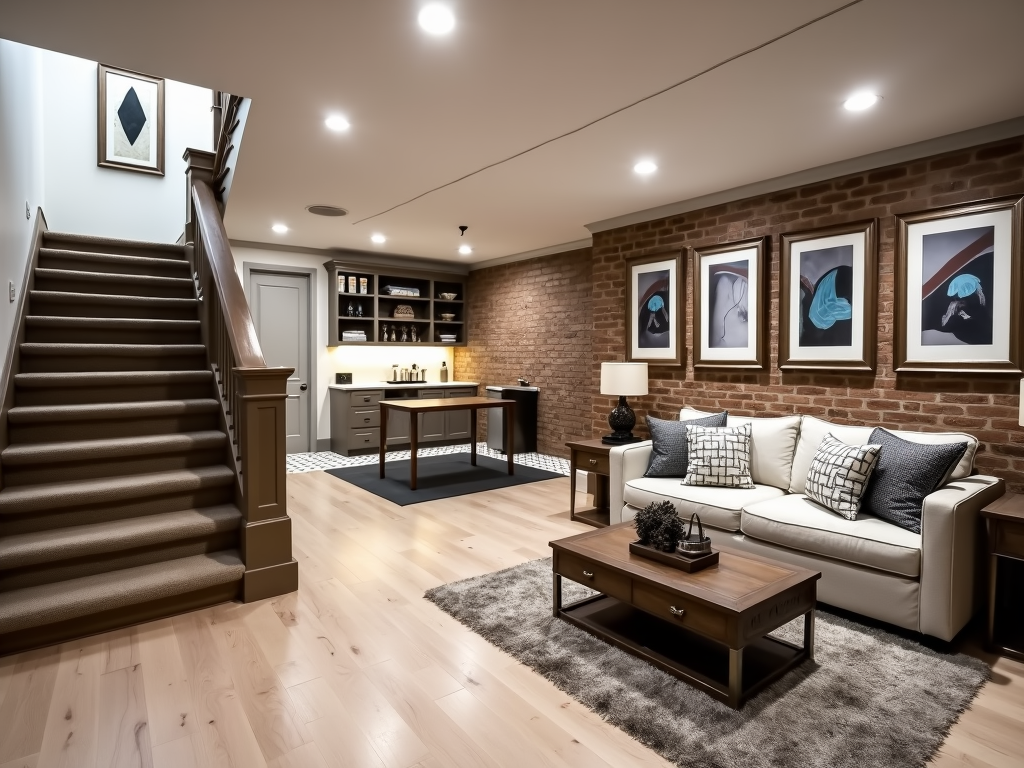
Have you ever wandered into your basement and thought, “This space could be so much more”? If so, you’re not alone. Basements are often the most underutilized areas in our homes, relegated to storage for old furniture, boxes of holiday decorations, and the occasional spider. But what if we told you that your basement holds the key to a plethora of opportunities? Remodeling your basement is a fantastic way to reinvent your home, add value, and create a space that everyone in the family can enjoy. Let’s dive into the benefits of basement remodeling Denver.

Unleash Hidden Potential

More Living Space

One of the most significant benefits of remodeling your basement is the addition of extra living space. Whether your family is growing, you need a home office, or you simply want more room to entertain guests, a finished basement can provide the perfect solution. Imagine having a cozy family room, a stylish game area, or even a private guest suite right below your feet. The possibilities are endless.

Increase Home Value

A well-finished basement can significantly boost the value of your home. Potential buyers often see a finished basement as a bonus, offering more living space without the need for an extension. This can be a major selling point if you ever decide to put your house on the market. In fact, according to some real estate experts, you can expect to recoup around 70% of your investment in a basement remodel when you sell your home.

Enhance Functionality

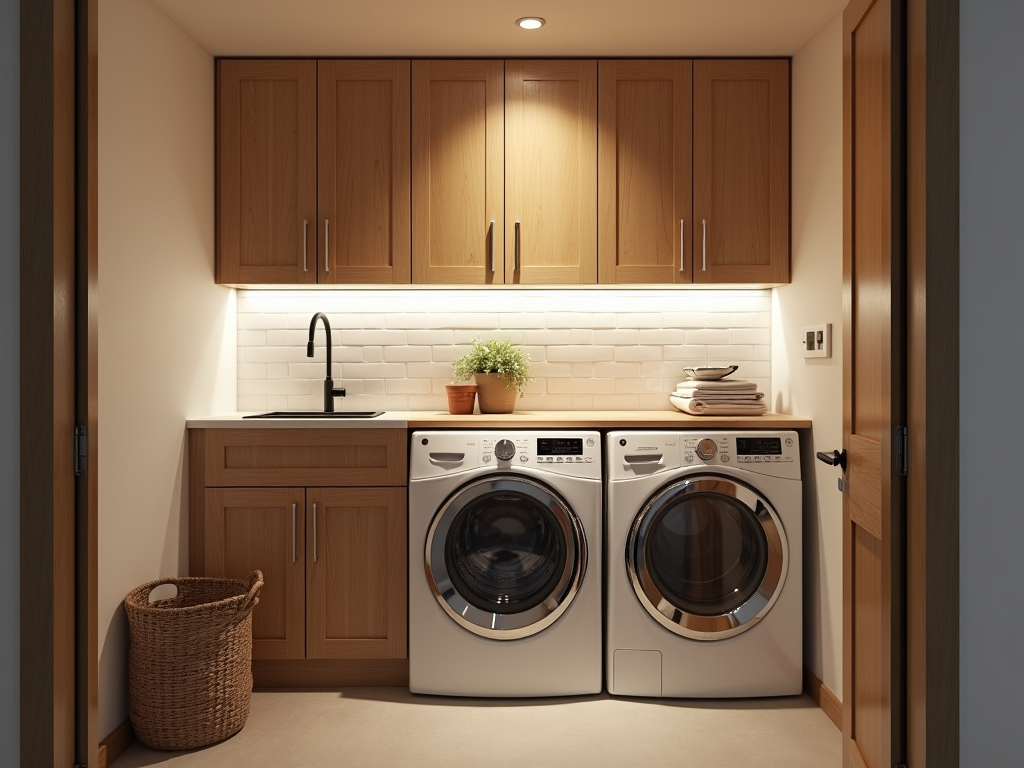
Remodeling your basement can also make your home more functional. From creating dedicated spaces for laundry, storage, or hobbies to installing a second bathroom or kitchenette, you can design the basement to meet your specific needs.

stylish laundry room cabinets

Personalize Your Space


Customization Galore

One of the best parts about remodeling your basement is the ability to customize it to your heart’s content. Unlike other rooms in your house that might already have designated purposes, the basement is a blank canvas. Do you dream of a home theater? Or perhaps a fitness center to keep up with your workout routine? Maybe a craft room where you can unleash your creativity? The basement can be transformed into whatever your heart desires.

Create a Personal Sanctuary

In our busy lives, having a place to unwind is essential. A remodeled basement can serve as your personal sanctuary, away from the hustle and bustle of the main living areas. Think about a serene yoga studio, a tranquil reading nook, or even a music room where you can jam without disturbing the rest of the household.

Improve Energy Efficiency

Better Insulation

Basements are notorious for being chilly and damp. However, during a remodel, you can address these issues by installing proper insulation. This not only makes the basement more comfortable but can also improve the overall energy efficiency of your home.

Modern HVAC Systems

Updating the HVAC system during a basement remodel can also contribute to better energy efficiency. Modern systems are designed to be more energy-efficient and can be integrated seamlessly into your home, providing consistent heating and cooling throughout all levels.

finished basement

Practical Tips for Remodeling Your Basement


Plan Ahead

Before you start knocking down walls and picking out paint colors, take the time to plan your remodel thoroughly. Consider how you want to use the space, what features are most important to you, and your budget. A well-thought-out plan can help you avoid costly mistakes and ensure that the result meets your expectations.

Hire Professionals

While DIY projects can be fun and cost-effective, remodeling a basement is a major undertaking that often requires professional expertise. From plumbing and electrical work to structural modifications, hiring reputable local basement contractors typically ensures the job is done safely and up to code. In addition to these benefits, a well-executed basement remodel can provide additional living space, increase home value, and enhance overall functionality.

Think About Lighting

Basements typically have limited natural light, so incorporating adequate lighting is crucial. A combination of overhead lights, wall sconces, and floor lamps can brighten up the space and make it feel more inviting. Consider using light colors for walls and ceilings to enhance the brightness even further.

Address Moisture Issues

Basements are prone to moisture problems, which can lead to mold and mildew if not properly addressed. Before starting your remodel, check for any signs of water damage and take steps to waterproof the area. Installing a sump pump, sealing cracks, and using moisture-resistant materials can help keep your basement dry and healthy.

Keep Pests Out

An often-overlooked aspect of basement remodeling is pest prevention. Dark, damp areas can attract unwanted visitors like rodents and insects, which can cause damage and create an unhealthy environment. Before finishing your space, inspect for any cracks or gaps where pests could enter and seal them properly. If cockroaches are a concern, especially waterbugs, consider a Local waterbug cockroach treatment to prevent infestations and keep your basement pest-free.

Ideas for Your Basement Remodel

Home Office

In the era of remote work, having a dedicated home office is a must. A basement office can offer the privacy and quiet you need to stay productive.

Guest Suite

Welcome guests with a cozy and comfortable suite. A bedroom, bathroom, and small kitchenette can make them feel right at home.

Fitness Center

Bring the gym to you by setting up a fitness center in your basement. With workout equipment, mats, and mirrors, you can stay fit without leaving the house.

Conclusion

So, roll up your sleeves and get ready to reinvent your home from the ground up!

Minimalist Design Ideas for Modern Living: Transform Your Space with Simplicity

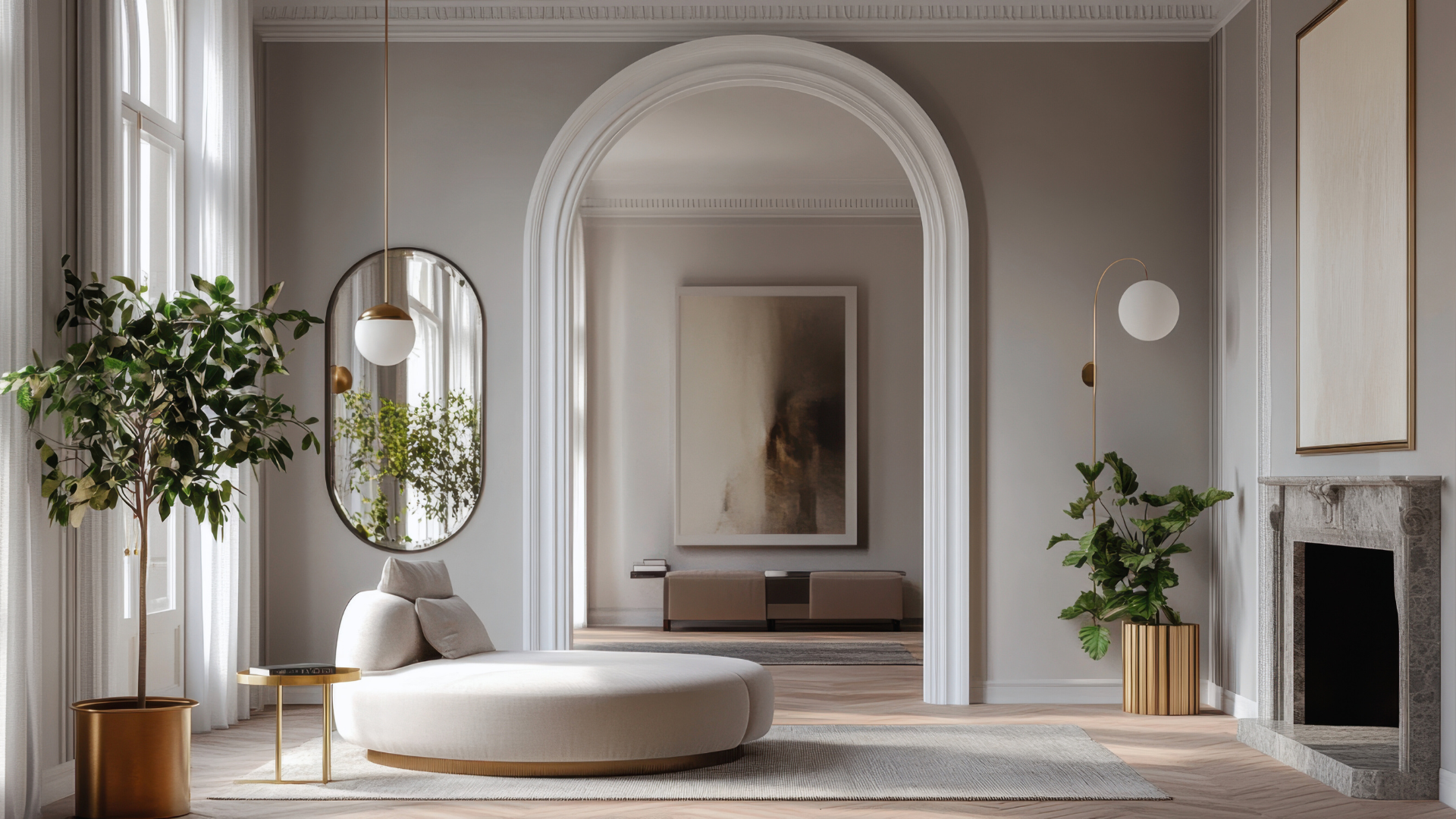
Minimalist design has become a defining trend in modern living, offering a refreshing approach to home decor and lifestyle choices. Embracing simplicity and functionality, minimalist design enhances spaces by reducing clutter and promoting a sense of calm. This design philosophy encourages individuals to focus on quality over quantity, choosing pieces that bring true value and purpose to their environment.

Incorporating minimalist design ideas can transform a home into a serene sanctuary. Using neutral color palettes, sleek furniture, and smart storage solutions allows for an open, airy feel, making spaces more inviting. By prioritizing light and space, one can create an atmosphere that feels both modern and timeless.

As people increasingly seek balance in their lives, adopting minimalist principles can lead to more mindful living. It encourages individuals to assess their belongings and eliminate unnecessary distractions, fostering both tranquility and clarity. Exploring these minimalist design ideas can provide practical inspiration for creating a modern living space that reflects simplicity and sophistication.

Core Principles of Minimalist Design

Minimalist design revolves around the concepts of simplicity, functionality, and clarity. It aims to strip down elements to their essential forms, creating spaces that prioritize purpose and aesthetic appeal.

Emphasizing Simplicity and Functionality

Simplicity is a cornerstone of minimalist design. It involves using only necessary items, avoiding excessive decoration, and selecting pieces that serve a clear purpose. This approach not only enhances aesthetics but also facilitates easier navigation and usability in spaces.

Functionality is equally vital. Every design element should contribute to the overall function of the space. Furniture should offer storage or adaptability, while decor should complement the functionality without cluttering. This principle reinforces the idea that less is more, leading to both visually appealing and practical environments.

Focusing on Essential Elements

In minimalist design, identifying essential elements is crucial. This means choosing a few standout pieces that create impact without overwhelming a space. A carefully selected color palette—often neutral—can enhance a feeling of cohesion.

Textures and materials also play significant roles, as they can add depth without visual chaos. For instance, a single wooden table paired with elegant chairs can serve as a focal point. Essentials should create harmony, leading to spaces that feel balanced and intentional.

Creating Clarity and Focus

Clarity is vital in achieving a minimalist aesthetic. It helps in establishing a strong visual direction, promoting a sense of calm and order. Clean lines, open spaces, and strategically placed decor contribute to achieving clarity.

To create focus, unnecessary distractions should be eliminated. This can be accomplished by minimizing visual clutter and using strategic lighting to highlight particular areas. The result is an environment that fosters concentration and tranquility, where the mind can rest and flourish.

Key Elements of Modern Minimalist Interiors

Modern minimalist interiors emphasize simplicity, functionality, and an uncluttered aesthetic. Key elements include a neutral color palette, the strategic use of negative space, and a focus on natural materials. Quality furniture choices further enhance the serene environment that defines minimalist living.

Neutral Color Palettes and Muted Tones

Neutral color palettes create a calm foundation in minimalist design. Shades like beige, gray, white, and soft pastels are common. They help in reducing visual clutter, promoting a peaceful atmosphere.

Muted tones allow for subtle variation without overwhelming the senses. These shades can enhance the spaciousness of a room, drawing attention away from distractions. By using a limited color palette, the design remains cohesive and sophisticated, fostering a harmonious environment.

Accent colors can be introduced sparingly, ensuring they complement the overall scheme. This approach keeps the space feeling fresh while maintaining minimalist principles.

Incorporating Negative Space and Clean Lines

Negative space is crucial in minimalist interiors. It refers to the empty areas that provide balance and breathing room within a design. Clean lines support this concept, promoting simplicity in forms and shapes. Furniture and architectural elements with sharp, defined edges contribute to a streamlined appearance.

By reducing unnecessary ornamentation, the focus shifts to the beauty of each piece. Good use of negative space also enhances flow and accessibility within a room, allowing for easy movement and interaction. The relationship between positive and negative spaces creates visual interest while maintaining clarity in design.

That said, for homeowners aiming to incorporate these minimalist principles into their existing spaces, remodeling can often serve as an effective way to reshape the environment for improved flow and balance.

Opening up confined layouts, adding built-in storage, or updating outdated finishes could significantly enhance harmony between negative and positive space. Because achieving seamless lines and precise detailing requires expert craftsmanship, working with experienced professionals from reputable firms like APEX Specialty Contracting can help ensure the final result aligns with both the aesthetic and functional goals of a well-executed minimalist design.

Using Natural Materials and Textures

Natural materials play a vital role in minimalist design. Wood, stone, and natural fibers add warmth and depth to interiors while remaining true to the minimalist ethos. Textures can be incorporated through furnishings like rugs, curtains, and cushions. These elements create tactile contrast without adding visual clutter.

Additionally, materials like linen, cotton, and jute resonate with organic beauty. They enhance the calming nature of a space, promoting a connection with the environment. The focus on high-quality, sustainable materials reinforces the value of quality over quantity in interior choices.

Selecting Functional and Quality Furniture

Functional furniture is a cornerstone of minimalist interiors. It balances practicality with aesthetic simplicity, ensuring that pieces serve essential purposes without sacrificing design. Moreover, quality furniture often features multipurpose designs, which reduce the need for excessive items. For instance, a coffee table with storage or a bed with built-in drawers maximizes functionality.

In addition, material selection remains equally important. Sturdy, well-crafted pieces ensure longevity, aligning perfectly with minimalist ideals. By focusing on fewer, high-quality items, each piece can be appreciated individually, minimizing distraction and enhancing the serene ambiance central to minimalist design.

That said, simplifying a space does not always mean removing every non-essential item all at once. Letting go of pieces, especially those with sentimental or long-term value, can be a difficult decision. In such cases, considering storage solutions from trusted local storage companies nearby can often help address this challenge. This approach allows homeowners to maintain a clean, uncluttered environment while preserving cherished furniture and décor for future use.

Minimalist Design Ideas for Every Room

Creating a minimalist environment can transform any space into a serene and functional area. Each room can embody this style by focusing on simplicity, functionality, and careful selection of decor.

Minimalist Living Room Concepts

In a minimalist living room, furniture choices are crucial. Opt for a neutral color palette with soft tones like whites, beiges, or grays. This creates a calming atmosphere and allows for a more spacious feel. Choosing a modular sofa with clean lines maximizes seating without cluttering the space. Incorporate a single statement piece of art to maintain focus while ensuring the room feels inviting.

Simple storage solutions, like floating shelves, keep items organized and visible, promoting an uncluttered look. Accessories should be kept to a minimum, perhaps just a few decorative throw pillows or an indoor plant to add a touch of warmth.

Minimalist Bedroom Inspirations

A minimalist bedroom prioritizes rest and tranquility. To begin with, choose a low-profile bed as the room’s focal point. Opt for bedding in soft, monochromatic colors to enhance the calming effect. Additionally, nightstands should be sleek and functional; designs with built-in storage help minimize surface clutter. To further save space, consider using wall-mounted lamps that keep surfaces clear.

When it comes to decorative accents, include a single piece of artwork or a streamlined mirror that enhances natural or artificial light. Moreover, layered textures in blankets and rugs add depth, maintaining simplicity while enriching the sensory experience without overwhelming the aesthetic.

To maintain the minimalist look beyond decor, it’s important to focus on how the room functions. Maximizing space in a minimalist bedroom relies on thoughtful design and careful furniture choices. For instance, incorporating multi-functional pieces, such as beds with hidden storage or fold-away options, supports an open, uncluttered atmosphere while keeping the room practical for everyday use.

Finally, for those seeking the most efficient layout, consulting experts who specialize in custom storage and bedding solutions from reputable firms like Murphy Beds & Storage Solutions can often be invaluable. These professionals can create tailored designs that suit a room’s dimensions, helping individuals optimize every inch while preserving a clean, minimalist aesthetic.

Minimalist Kitchen Solutions

In a minimalist kitchen, functionality and organization are key. Prioritize open shelving or cabinets with flat surfaces, contributing to a streamlined appearance. Use clear containers for pantry items, promoting visibility and reducing clutter. Focus on essential appliances only. Integrated designs can hide devices within cabinetry, maintaining a clean countertop. Choose a simple, modern faucet and sink for added elegance.

Consider a neutral backsplash made of tiles or a single slab of stone, creating visual interest without being distracting. A minimal dining area can feature just a sturdy table and a couple of chairs, emphasizing simplicity and practicality.

Minimalist Bathroom Approaches

Minimalist bathrooms thrive on simplicity and cleanliness. Begin with a floating vanity to maximize floor space and create an airy feel. Utilize glass shower doors instead of curtains to maintain an open look.

Select fixtures in sleek, modern designs. A single, bold mirror can act as a focal point without overwhelming the decor, while simple wall-mounted shelves allow for storage without taking up too much room.

Opt for a neutral color scheme for tiles and paint, ensuring a cohesive look. Accessories should be functional, such as understated soap dispensers and plush towels, that enhance comfort without detracting from the minimalist design.

Sustaining Minimalism in the Modern Home

Sustaining minimalism involves making intentional choices that promote both simplicity and environmental consciousness. A focus on mindful decisions enhances the aesthetic of a minimalist home while supporting sustainable living practices.

Sustainability and Mindful Choices

In a minimalist home, selecting sustainable materials is crucial. This can include:

  • Recycled materials: Using furniture made from reclaimed wood or recycled metal reduces waste.
  • Natural fibers: Linen, cotton, and wool provide a sustainable alternative to synthetic textiles.
  • Energy-efficient appliances: Choosing energy-efficient options minimizes energy consumption.

Mindfulness extends to purchases. Opting for high-quality items that last longer reduces the frequency of replacements. When decluttering, individuals should donate or recycle items rather than discarding them. This not only keeps living spaces minimal but also minimizes landfill waste.

Maintaining a Minimalist Lifestyle

Maintaining a minimalist lifestyle requires ongoing commitment rather than a one-time effort. To begin with, regular decluttering sessions help ensure that unnecessary items do not gradually find their way back into the home. Setting aside time weekly or monthly to reassess belongings allows individuals to remain intentional about what they choose to keep.

Equally important is the timely disposal of unusable, broken, or waste items. Instead of allowing rubbish to accumulate, addressing it promptly helps preserve a clean and simplified environment. In this regard, staying informed about local waste collection schedules can make the process far more efficient and prevent unnecessary build-up. For example, those living in New York can refer to the nyc trash pickup schedule to ensure items are discarded at the appropriate time and in accordance with local guidelines.

Beyond physical decluttering, cultivating mindful daily habits further reinforces a minimalist lifestyle. Taking a few moments each day to reflect on what truly adds value can prevent impulse purchases and unnecessary accumulation. Similarly, keeping surfaces clear and limiting decorative items helps maintain a calm and balanced aesthetic.

In addition, establishing a capsule wardrobe simplifies clothing choices and promotes sustainability. Investing in a few versatile pieces instead of a large quantity reduces clutter and makes dressing simpler. By adopting these habits, one can effectively sustain a minimalist, modern home.


 

What Are the Best Gifts for Graduations?

It’s that time of year again. Graduation! Whether you’ve been putting off buying the perfect gift or you’re the kind of friend who is always late to everything, we’ve got your back in finding that perfect gift. Whether you want to give them something they can use, something they can use and show off, or something they can wear, we’ve got the top ten gifts everyone will be asking for this year.

The best gifts for graduation are versatile. They should be useful, practical, and something the graduate will keep for a long time. With that in mind, 

Graduation is one of the most exciting and memorable times in a person’s life. Whether somebody is graduating from high school, community college, or a university, a graduation gift can make all the difference to the recipient. Check out these graduation gift ideas that are sure to be appreciated.

Here Are the Great Gifts That Any Graduate Would Love

  • Portable printer – If you’ve ever wished that you could take a standard printer with you to a coffee shop, or on a business trip, with the assurance that it would still work when you got back, you’re going to love the Canon Selphy CP1200. It’s light and small, but it generates high-quality photos—including 4″ x 6″ borderless prints—and it connects to your smartphone for easy sharing.
  • Soda maker – With the graduation season fast approaching, it’s the perfect time to gift the new graduate in your life with a Soda Stream soda maker. Soda makers offer a great way to cut soda out of your diet—and are a healthier alternative to other drink options. A SodaStream soda maker allows you to make your own soda, sparkling water, or even flavored water—all from your own home.
  • Bath towel set – There is nothing better than a new bath towel set. The selection of bath towel sets these days is vast, so you are sure to find one that matches your graduate’s personality. There are so many different designs out there that you are sure to find one that matches their personality.
  • iPad charging cord – Electronics will be a hit, but so will uniquely items. If you’re looking for something practical, choose an iPad charging cord. They’re inexpensive and can be personalized.
  • Tile Pro Tracker – The Tile Pro Tracker is the perfect gift for any graduate. This Bluetooth tracker is the spiritual successor to the Tile Slim and offers all the same features with a few new twists. The Tile Pro can track your items, your pet, and even your keys—all in one device. And even better, you can keep track of everything by pairing the Tile Pro with the Tile Mate app, which shows you the location of your items on a map in real-time.
  • Portable speaker – If there’s one thing almost everyone enjoys doing, it’s listening to music. The UE Boom 2 Portable Bluetooth Speaker allows you to connect any Bluetooth-enabled device to your speaker so that you can stream audio from your smartphone. It makes a great gift for any graduate, whether they are going to college, starting a new job, or just headed off on a summer adventure, and easy to carry.
  • Air fryer – An air fryer is a kitchen gadget that is gaining popularity. It gives you healthy, crispy, and flavorful food, but it’s one of those gifts that graduates in any degree, major, or career field would love.

Graduation season is soon approaching, and with it comes the question: what are the best gifts to get graduates who already have everything? Gift cards, of course! Graduation presents can usually be a little much for someone who has just spent the past four years of her life in school, so a gift card is a perfect solution.


6 Tips for Planning Your Own Wedding

Planning your own wedding seems like a dream come true. However, the reality of planning your wedding is often much different than you originally imagined. When planning a wedding, you must think about the venue, flowers, menu, and invitations. But what if you want to save the planning stress for the big day itself.

Start Early

Starting early with your wedding plans may make sense since you’ll want plenty of time to plan and then schedule all of the key details. Plus, you’ll know the time of year and the weather will be best for your celebration. Early planning also means you can make choices based on what’s available and when instead of waiting until the last minute.

It’s never too late to start planning your wedding, but you don’t want to wait too long. If you wait too long, things could become very stressful and rushed, and it may be too late to find the venue you want, the right people to make your dream wedding come to life, and even the dress you want. Even small but meaningful details, like deciding how to pair your engagement ring and wedding band, can benefit from early planning. This gives you more time to explore styles that complement each other and reflect your taste.

Get Organized

Getting married and getting ready for the big day is an exciting process. But let’s face it, planning a wedding comes with stress, pressure, and responsibilities. You need to take care of numerous tasks such as looking for a good wedding venue, stay arrangements, flowers, cakes, catering, and the list goes on. However, if you are short on time or don’t have someone to help you out, you can opt for all inclusive wedding venues where all the above-listed arrangements are taken care of by the venue authorities. That way, you can have a fun and eventful wedding without worrying about the necessary requirements for the event and your guests.

Pace Yourself

Most people getting married want to relax and enjoy their special day, not freak out about it. After all, this is a once-in-a-lifetime event, and you want everything to be perfect. But, as anyone who has planned a wedding knows, it takes a lot of time, effort, and hard work to pull off one of the most romantic days of your life. So, what does it take to stay sane as you plan a wedding? Here are five tips on how to pace yourself during your wedding planning process.

Stick to a Timeline

Planning a wedding reception is a lot of work, and that doesn’t even cover the months of preparation leading up to the wedding. When it comes to planning a wedding, many couples tend to veer from their original timeline, especially when it comes to inviting guests. This is understandable, of course, since every wedding is different with different guest lists and needs. But there are some general guidelines to follow when planning the guest list, and sticking to a timeline is always a good idea.

Think About Getting a Wedding Planner

If you consider yourself to be organized and detail-oriented, then you may be the perfect candidate for a wedding planner. Wedding planners like Laurie D’Anne Events and similar others, handle all things wedding related: the decorations, the catering, the photography, the entertainment, the guest list, the invitations, and more. They take care of everything, so you don’t have to. The wedding planners under their belts not only have the experience to organize weddings from start to finish, but they also have strong relationships with vendors, meaning they have exclusive deals on everything you need.

Planning a wedding is an exciting time in a couple’s life. After all, it tends to represent the start of their brand-new life together. However, the process can be very stressful, which can sometimes cause tension in relationships and even lead to arguments between the couple. For this reason, many people tend to think that it’s not worth the stress and choose to entrust the task to a professional wedding planner in Ireland (or elsewhere). This can allow them to relax and enjoy the wedding without worrying about whether everything’s going according to plan. That being said, some people have found ways to manage the stress of wedding planning and effectively juggle the different responsibilities that come with it.

Don’t Let the Stress Overshadow Your Excitement.

With wedding season fast approaching, you know it’s time to start planning your nuptials. And while you’re likely already feeling the butterflies in your stomach, it’s important to remember that your honeymoon is merely days away. The happiest days of your life are just around the corner, and it’s important to remember not to let the stress of planning overshadow the excitement.

Planning your own wedding can be as fun and exciting as attending the rehearsal. It’s also important to set realistic expectations, work with a wedding planner or coordinator, and remember that planning a ceremony and reception is a multi-step process with many moving parts. Whether you’re planning a traditional wedding or a modern event, these six tips will help make sure your big day is everything you dreamed it would be.


Smart Storage Solutions for Clutter-Free Living: Maximize Space and Minimize Chaos

Living in a clutter-free environment is essential for both mental clarity and productivity. Smart storage solutions can transform any space, making it easier to stay organized and prioritize peace of mind. By utilizing innovative storage ideas, individuals can effectively reduce clutter and create an inviting atmosphere in their homes.

Incorporating shelving units, multi-functional furniture, and hidden storage can significantly optimize living spaces. These strategies not only enhance organization but also improve overall functionality, allowing residents to enjoy their surroundings without the distraction of disarray.

Exploring smart storage options leads to a more efficient lifestyle, as it encourages mindfulness about what items are kept and how they are stored. Embracing these solutions fosters a calm living space that inspires creativity and comfort.

Understanding the Impact of Clutter

Clutter significantly influences mental well-being, productivity, and the overall organization of your living spaces. Addressing the effects of clutter can lead to a more serene and efficient environment.

Clutter and Mental Well-Being

Clutter has a direct impact on mental clarity. A disorganized space can contribute to feelings of anxiety and stress. Studies indicate that individuals in cluttered environments often experience a cluttered mind.

The visual noise from excess belongings can distract and overwhelm. People may find it challenging to focus on important tasks when surrounded by disorder. Reducing clutter can enhance mental well-being by fostering a sense of control and calm.

The Link Between Cluttered Spaces and Productivity

Cluttered spaces can hinder productivity. Research shows that individuals are less efficient when working in disorganized areas. Items that are out of place can lead to wasted time searching for essentials.

In contrast, a tidy environment promotes focus and efficiency. Clear surfaces and organized shelves allow for better workflow. Implementing smart storage solutions can help maintain order, thereby boosting productivity levels.

Why Decluttering is Essential for a Clutter-Free Home

Decluttering is essential for creating a clutter-free home. It allows you to maintain an organized space, which can enhance the quality of life. Decluttering involves assessing and removing items that are no longer needed or used.

Establishing efficient storage systems contributes to long-term organization. Keeping only the essentials fosters a clearer mind and a more pleasant living environment. Regular decluttering sessions can create a sustainable lifestyle that minimizes clutter reaccumulation.

Core Principles of Smart Storage Solutions

Effective storage solutions revolve around maximizing space, enhancing organization, and utilizing quality items. Key strategies include making the most of available storage areas, investing in functional furniture, utilizing vertical space, and selecting high-quality essentials that promote efficiency.

Assessing and Utilizing Storage Areas

Understanding the various storage areas within your home is essential for effective organization. This includes closets, under-bed space, cabinets, and even hidden nooks. Start by evaluating each area for its potential. Identify what can be stored where based on frequency of use and accessibility. For instance, seasonal items can be stored in hard-to-reach places, while everyday essentials should remain easily accessible.

For larger or overflow items, many homeowners choose to rent self-storage. For flexible options like indoor units, drive-up access, or RV and boat parking, consider exploring nearby storage facilities that offer secure, affordable units with easy access.

Additionally, using clear bins and labeled boxes enhances visibility and simplifies organization. Make use of drawer dividers and shelf organizers to keep smaller items neatly sorted and prevent clutter from accumulating.

If you’re weighing local options for seasonal belongings, moving overflow, or storing recreational vehicles, prioritize facilities that offer straightforward ground-floor access and flexible terms to make retrieval simple. Look for features such as gated access with individual codes, complimentary locks, and a range of unit sizes so you can match the space to what you actually need.

A convenient option is self storage near you, which lists drive-up units, vehicle/RV parking, and month-to-month rentals. Checking those specifics up front helps avoid surprises and ensures the unit supports your decluttering plan.

Beyond traditional fixed units, mobile storage offers a unique level of convenience by bringing the unit directly to your doorstep. This method is particularly effective for those who need to pack at their own pace without the stress of multiple truck trips to a facility.

By opting for Storage Pods For Hire, you can have a secure container delivered to your driveway, allowing for easy loading of furniture or renovation supplies. Once filled, these pods can be kept on-site for immediate access or transported to a secure facility for long-term safekeeping. This flexibility ensures that your storage solution adapts to your specific timeline and spatial constraints.

Incorporating Functional and Multi-Functional Furniture

Investing in functional and multi-functional furniture is a key principle. These pieces can serve multiple purposes, reducing the need for excess items. Examples include ottomans with storage inside or beds equipped with drawers. A coffee table that doubles as a storage unit is also effective.

When choosing furniture, focus on well-designed pieces that blend aesthetic appeal and utility. This can help create a cohesive look while maximizing functionality. Smart furniture choices can significantly contribute to a clutter-free living environment.

Maximizing Vertical Space for Efficient Organization

Vertical space is often underutilized in homes. By focusing on upward organization, more floor space can be freed. Shelves, wall-mounted storage systems, and hooks are practical solutions. For example, installing floating shelves can provide additional storage while keeping items visible and accessible.

Using tall bookcases or cabinets can also make the most of vertical space. Adding hooks or pegboards allows items such as tools or craft supplies to be organized vertically. This approach not only aids in organization but also lends an open feel to spaces.

Selecting High-Quality Storage Essentials

Quality storage essentials play a crucial role in maintaining organization and efficiency. Rather than opting for cheap or flimsy options that require frequent replacement, investing in durable products can be more beneficial. Look for heavy-duty bins, sturdy shelving units, and reliable organizers that withstand your daily use. Choosing materials such as wood or metal offers longevity and stability.

Additionally, reusable storage solutions, like fabric bins or modular systems, can adapt as needs change. Selecting quality items can result in a more organized and enduring storage system, ultimately supporting sustainable living.

Creative Strategies for Clutter-Free Living

Implementing smart storage solutions can dramatically enhance the organization of living spaces. By utilizing functional and decorative storage options, individuals can create a more serene and clutter-free environment.

Baskets and Open Shelving for Everyday Items

Baskets provide a versatile and stylish way to contain everyday items. They can be placed on open shelves, making frequently used items easily accessible. Choosing baskets in various sizes can help categorize your items, from books to toys. Opt for woven materials for a warm, inviting look or metal baskets for a modern aesthetic.

Open shelving complements this setup by allowing visibility while keeping items organized. It prevents clutter from accumulating in drawers and cabinets. Arranging items by color or type can create an appealing visual display while maintaining function. Labels can also be attached to baskets to enhance clarity and efficiency.

Innovative Built-In Storage Ideas

Built-in storage solutions maximize space while blending seamlessly with the home’s architecture. Custom cabinetry can be installed in underutilized areas such as hallways or staircases. This approach offers ample room for storage without sacrificing square footage.

Incorporating features like pull-out shelves or hidden compartments enhances functionality. This design not only provides storage but also maintains a clean aesthetic. Utilizing the vertical space with floor-to-ceiling units can further optimize storage while showcasing decorative items.

Seasonal Storage Solutions for Clothing and Gear

Seasonal storage solutions are essential for managing clothing and gear throughout the year. Clearly defined bins or vacuum-sealed bags can store seasonal clothes, freeing up space in closets. Labeling these containers ensures easy access when the seasons change.

For outdoor gear, consider using shelving units in garages or basements designed for specific items like bikes or seasonal equipment. You could also consider looking for storage units near you to store these items. Rotate these items twice a year to keep them organized. This not only fosters a clutter-free living environment but also makes transitions between seasons smoother.

Sustaining Organization and Long-Term Success

Maintaining an organized space requires ongoing effort and specific practices. By establishing routines and adopting effective maintenance tactics, individuals can ensure their smart storage solutions remain effective over time.

Establishing Regular Decluttering Sessions

Setting aside time for decluttering is essential for sustaining organization. A regular schedule, such as monthly or bi-monthly sessions, helps manage accumulated items. Each session should involve evaluating each area, deciding what to keep, donate, or discard.

Creating a checklist can streamline this process. Items to include might be clothes that haven’t been worn in the past year, outdated documents, or broken items. This method not only simplifies the process but also fosters a habit of continual evaluation.

Developing Good Housekeeping Habits

Good housekeeping habits prevent clutter from accumulating. Simple practices like cleaning surfaces daily and returning items to their designated places can make a significant difference.

Utilizing storage bins or baskets encourages proper organization. Labeling these containers enhances functionality, making it easier to identify spaces for specific items. Checking storage solutions regularly ensures everything is in its proper place and reduces future clutter.

Essential Maintenance Tips for Storage Systems

Maintenance of storage systems is crucial to their effectiveness. Regular inspections help identify wear and tear, whether on shelves, bins, or hooks.

Cleaning these storage solutions should occur periodically. Dust, dirt, and spills can compromise an organization. A simple routine of wiping surfaces and organizing contents can extend the life of these systems. Consider adjusting or upgrading storage solutions as needs change. Adapting to evolving lifestyles prevents the organization from becoming outdated.

Enhancing Functionality With Cleaning Tools

Using the right cleaning tools enhances the maintenance of organized spaces. A basic toolkit should include:

  • Microfiber cloths for dusting
  • Broom and dustpan for quick clean-ups
  • Vacuum cleaner for deeper cleans

Incorporating cleaning tools into daily routines keeps spaces tidy.

Additionally, multi-functional tools, such as a vacuum with attachments for corners and shelves, can improve access and cleanliness. This not only helps maintain decorum but also fosters a sense of ownership in one’s organized space.


Scroll to Top