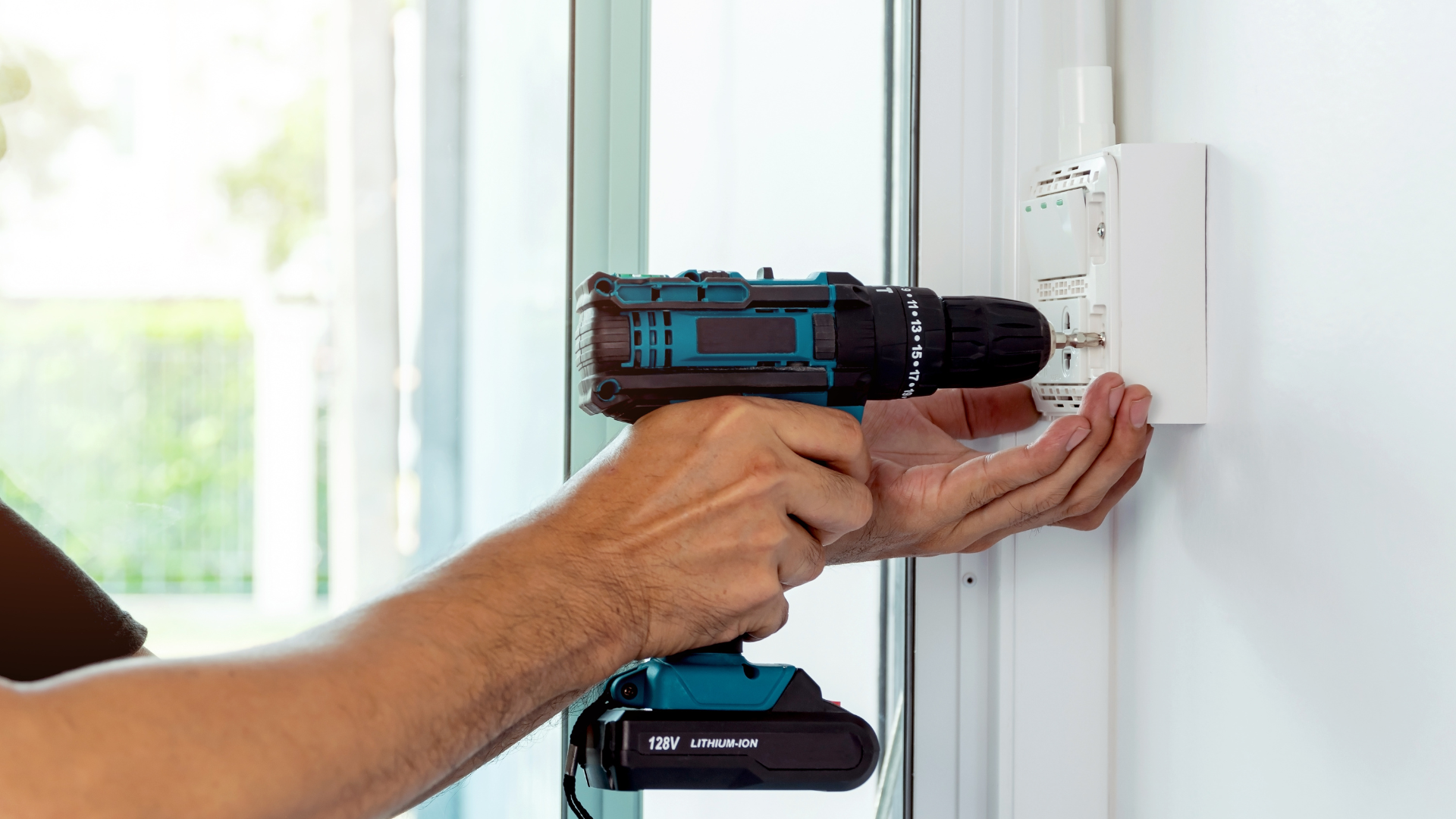
How the Right Timber Can Actually Save You Money Later

When people talk about saving money on building stuff, they usually mean buying cheap materials or doing the work themselves. But sometimes, trying to save money upfront actually makes everything more expensive later. Timber is one of those things where it really matters what kind you use. If you go for the wrong one just because it’s cheaper, it might not hold up—and fixing that kind of mistake costs way more in the long run.

Cheap Timber Doesn’t Stay Cheap

Let’s say you’re building a deck or a shed or even something bigger like part of a house. If you pick the cheapest timber you can find, it might look okay at first. But over time, stuff like rain, wind, and heat can start to mess with it. It might bend, crack, or even rot. Then you have to fix it or replace it—and that’s where the real cost hits.

Using better-quality timber doesn’t mean you’re wasting money. It means you’re avoiding future problems. Good timber stays straight, handles weather better, and lasts longer without falling apart. You don’t have to keep replacing boards or patching things up every few months.

Why the Type of Timber Matters

Not all timber is the same. Some are softer and break easier. Others are tougher and better for outdoor stuff. Some are treated to handle water and bugs. If you’re building something where the weather can be super hot and dry or randomly stormy, you need timber that can handle all that.

That’s why builders often go for materials that are already known to hold up well over time. A good example is James Hardie Timber Supply WA. It’s made for the kind of conditions you get in WA, and pros like using it because they know it won’t fall apart in a year or two.

Good Timber Makes the Job Easier

There’s another thing people don’t always think about. Cheap timber isn’t just weak—it’s usually not cut very well either. That means it might be uneven, warped, or full of splinters and knots. Trying to build with stuff like that is frustrating. Nothing lines up right. You waste time fixing problems that shouldn’t even be there.

Better timber is smoother, straighter, and easier to measure and cut. You get more done, it looks better, and you don’t waste pieces. That saves money too—even if it doesn’t seem like it at first.

You Won’t Have to Pay for Repairs as Often

Once something’s built, you expect it to last, right? But if your timber starts to twist, sag, or split, you’ll have to either fix it or pay someone else to fix it. Even small repairs cost money—especially if they keep happening. It’s like getting a cheap pair of shoes that falls apart every few months. You end up spending more on replacements than if you’d just gotten better shoes in the first place.

With high-quality timber, you avoid most of that. It stays strong and looks good longer. That means fewer repairs, less stress, and more money in your pocket over time.

It Can Even Help Your House Sell for More

If you’re building or fixing something at home, like a patio, fence, or deck, using better timber can actually raise the value of your place. Real estate agents notice that kind of stuff. So do buyers. They can tell when something’s been built properly. If it looks solid and feels like it’s going to last, people are more willing to pay for it.

Cheap, falling-apart timber? Not so much.

So even if you’re not planning to sell right now, using good materials still adds value. It’s one of those things that pays off later—even if you don’t think about it much now.

Some Timber Is Just Built to Last

There’s no magic in timber, but there is good planning. When companies make timber that’s meant to last, they think about stuff like weather, bugs, moisture, and strength. They treat it the right way and make sure every piece meets a solid standard. That’s what sets apart a quality brand of timber from random off-cuts at the hardware store.

Builders don’t pick it because it’s fancy—they pick it because it works. It handles weather conditions without falling apart and saves people money because it stays strong year after year.

What You Should Remember

Buying cheap timber might sound like a good idea at first. But if it breaks down or warps after one summer, you’re paying again—sometimes way more than you saved. Picking the right timber from the start means fewer repairs, less waste, and better results overall.

So if you’re doing any kind of building—big or small—it actually makes more sense to choose timber that’s built to last. It’ll save you money in ways that don’t always show up right away, but definitely matter later.


10 Things Every First-Time Home Buyer Should Know Before Making a Purchase

Buying a home for the first time is an exciting yet daunting experience. Understanding the key steps and considerations can significantly simplify the process for first-time homebuyers. From budgeting effectively to navigating the mortgage landscape, each decision plays a crucial role in achieving homeownership success.

Most first-time buyers may not realize that their purchase involves more than just finding the perfect property. It’s essential to research the local market, comprehend all costs associated with buying a home, and be aware of available assistance programs that can ease the financial burden. Knowledge and preparation can empower buyers to make informed choices.

With the right guidance, first-time homebuyers can turn their dream of homeownership into a reality. They should prioritize gathering information and seeking support to ensure a smooth journey in this significant investment.

Understanding Your Finances

Grasping financial fundamentals is crucial for first-time home buyers. A solid foundation in credit scores, debt-to-income ratios, and budgeting practices can empower informed decisions.

Assessing Your Credit Score

A credit score typically ranges from 300 to 850 and significantly impacts mortgage eligibility. Lenders use this score to evaluate creditworthiness. A score above 700 is generally considered good, while below 600 may limit options.

To improve a credit score, individuals should pay bills on time, reduce outstanding debt, and avoid opening new credit accounts before applying for a mortgage. Free annual credit reports can help buyers track their progress. Monitoring changes can reveal where adjustments are needed.

Calculating Your Debt-to-Income Ratio

The debt-to-income (DTI) ratio measures monthly debts against gross monthly income. Lenders prefer a DTI under 36%, though some may accept up to 43%. A lower DTI indicates better financial health.

To calculate DTI, sum all monthly debt payments, including loans and credit cards, and divide this number by gross monthly income. For example, if a buyer’s debts total $2,000 and their income is $6,000, the DTI would be 33%. Maintaining a low DTI can facilitate mortgage approval and better interest rates.

Budgeting for Monthly Mortgage Payments

Budgeting is essential for managing a mortgage. Monthly payments usually include principal, interest, property taxes, and homeowners’ insurance (PITI).

First-time buyers should estimate their monthly payment using a mortgage calculator. Key factors include:

  • Purchase price of the home
  • Down payment amount
  • Interest rate
  • Loan term (typically 30 years)

Buyers should also account for potential variable costs, such as maintenance and homeowners association (HOA) fees. Creating a detailed budget helps ensure that housing expenses remain manageable and align with financial goals.

Preparing for Your Home Purchase

Before buying a home, it is crucial to understand the financial aspects involved. This includes saving for a down payment, considering down payment assistance, obtaining mortgage pre-approval, and estimating closing costs. These steps can streamline the buying process and enhance readiness.

Saving for a Down Payment

Most mortgage lenders require a down payment, which is typically a percentage of the home’s purchase price. Standard down payments range from 3% to 20%. A larger down payment can lead to lower monthly payments and eliminate private mortgage insurance (PMI).

To save effectively:

  • Create a dedicated savings account for your down payment.
  • Set a monthly savings goal based on your target amount.
  • Consider cutting unnecessary expenses to accelerate your savings.

Utilizing budgeting apps can assist in tracking progress and expenses effectively.

Exploring Down Payment Assistance Programs

Many first-time home buyers may qualify for down payment assistance programs. These programs, often offered by state or local governments, can provide funds to help cover down payment costs.

To explore available options:

  • Research local programs using government websites.
  • Contact housing counselors for personalized information.
  • Attend homebuyer education workshops that may inform participants about grants or loans.

Eligibility requirements can vary, so it is essential to gather the necessary documentation and apply early.

Getting Mortgage Pre-Approval

Mortgage pre-approval is a vital step in the home-buying process. It involves a lender reviewing financial information to determine how much they are willing to lend. This improves credibility with sellers and can expedite closing.

To obtain pre-approval:

  • Gather required documents, such as pay stubs, tax returns, and bank statements.
  • Apply to multiple lenders to compare offers.
  • Assess different loan options based on interest rates and terms.

Pre-approval usually lasts for 60-90 days, so buyers should act promptly once approved.

Estimating Closing Costs

Closing costs are fees associated with finalizing a mortgage and purchasing a home. These typically range from 2% to 5% of the loan amount, so it is essential to plan accordingly.

Common closing costs include:

  • Loan origination fees are charged by the lender.
  • Title insurance protects against title disputes.
  • Appraisal fees to assess the home’s value.

Buyers should receive a Loan Estimate form from their lender, providing a detailed outline of all expected costs. This helps in budgeting effectively for the final purchase.

Finding the Right Property

Identifying an ideal property involves evaluating neighborhoods, engaging with real estate agents, and scheduling comprehensive home inspections. Each step is crucial for making informed decisions during the home-buying process.

Choosing the Best Neighborhoods

Selecting the right neighborhood is just as important as the property itself. Buyers should consider factors such as proximity to work, quality of schools, and local amenities.

Key aspects to evaluate:

  • Safety: Research crime rates to ensure a secure living environment.
  • Community: Explore local events and community activities to gauge the atmosphere.
  • Future Development: Investigate any planned developments that might affect property values.

Engaging with residents can provide insights into the neighborhood’s character, helping potential buyers make an informed choice.

To get a clearer sense of how a neighborhood supports your lifestyle, spend time in local communities and tour model homes to assess design, outdoor spaces, and community amenities firsthand. Many buyers find it helpful to visit new-construction neighborhoods to compare build quality, lot layouts, and outdoor living potential; for example, builders offering new homes in Albuquerque often highlight sun-oriented patios, energy-efficient options, and nearby parks and trails. When on-site, ask about lot orientation and landscaping plans, which influence light and usable outdoor space. These direct visits add practical context to market research and help narrow choices to neighborhoods that suit daily needs.

Working with a Real Estate Agent

A knowledgeable real estate agent is invaluable during the home-buying journey. Agents can help navigate the complexities of the market and identify properties that fit buyers’ criteria.

Benefits of an agent include:

  • Access to Listings: Realtors have access to a wide array of listings, sometimes before they hit the public market.
  • Negotiation Skills: They can negotiate terms that are favorable for their clients.
  • Market Insights: Agents offer insights into property values and trends in different neighborhoods.

This partnership allows buyers to focus on their preferences while the agent handles the logistics. Beyond finding the right property, first-time buyers may also need support in managing their new home. Professional services from Leicester property management firms or those from elsewhere can help in this regard. They can assist with maintenance, tenant management, legal compliance, and safety inspections, ensuring the property is well cared for. This further allows homeowners to enjoy their new home without daily stress. Combining a real estate agent’s expertise with property management support creates a smoother, more enjoyable transition for first-time buyers.

Scheduling a Home Inspection

Before finalizing any purchase, scheduling a home inspection is essential. This step ensures the property is structurally sound, free from major issues, and protected against hidden infestations that may require professional pest control for termites, ants, cockroaches, or rodents. A professional inspection also gives buyers greater confidence in their investment and peace of mind before moving forward.

Important considerations:

  • Qualified Inspectors: Choose inspectors with excellent reviews and relevant experience. It’s always a good idea to work with experienced home inspectors columbia sc (or elsewhere), as they provide a thorough and reliable assessment of the property’s condition.
  • Scope of Inspection: Confirm what is included in the inspection. Key areas such as electrical systems, plumbing, roofing, and the foundation should be evaluated to avoid overlooking costly issues.
  • Inspection Report:Review the findings in detail and don’t hesitate to ask questions. A well-documented report can highlight necessary repairs, safety concerns, and even potential deal breakers.

A thorough inspection can save buyers from unexpected expenses and help set realistic expectations for future renovations.

Navigating Mortgages and Closing

For first-time homebuyers, understanding mortgages and the closing process is crucial. Buyers must focus on comparing mortgage options, grasping mortgage insurance, and planning for future repairs. Each aspect plays an essential role in making informed financial decisions.

Comparing Mortgage Rates and Lenders

When choosing a mortgage, buyers should compare rates and lenders carefully. It’s vital to research various options, looking at interest rates, annual percentage rates (APRs), and lender fees.

Buyers can benefit from using a comparison table to evaluate multiple lenders side-by-side. Here’s a sample format:

Lender Interest Rate APR Fees
Lender A 3.5% 3.7% $1,500
Lender B 3.75% 4.0% $1,000
Lender C 3.6% 3.9% $1,200

Buyers should also inquire about the types of mortgages available, such as fixed-rate versus adjustable-rate loans. This knowledge can help them choose a loan that fits their long-term financial goals.

Understanding Mortgage Insurance

Mortgage insurance is often essential for buyers putting down less than 20%. This insurance helps protect lenders against borrower default. Understanding the types of mortgage insurance is crucial.

Private Mortgage Insurance (PMI) applies to conventional loans. The cost typically ranges from 0.3% to 1.5% of the original loan amount annually.

Federal Housing Administration (FHA) loans require mortgage insurance premiums (MIP), with upfront and monthly costs. Buyers should calculate these costs when assessing their monthly budget and overall financial plan.

Planning for Future Repairs

Homeownership inevitably comes with repair needs. First-time buyers should budget for ongoing maintenance and unexpected repairs.

Setting aside 1% to 2% of the home’s value annually for repairs is a common recommendation. For example, a $300,000 home may require between $3,000 and $6,000 each year for upkeep. Additionally, buyers should prioritize finding a skilled contractor for future repairs. Establishing a relationship with a reliable handyman or contractor early can ease the burden when issues arise. Preparing financially for these elements can significantly enhance the homeownership experience.


Why Sir Walter Grass Is a Top Choice for Home Lawns

Creating a perfect home lawn takes more than regular mowing and the occasional sprinkler run. It all starts with choosing the right grass. If you’re on a mission to transform your yard into a lush, green haven, you might have come across Sir Walter grass. But what makes it such a standout choice? Here, we’ll explore the benefits, care requirements, and unique qualities that make Sir Walter grass one of the top options for home lawns in Australia.


What is Sir Walter Grass?

Let’s start with a quick introduction. Sir Walter Buffalo grass is an Australian-bred turf variety, specifically developed to thrive in the diverse Australian climate. Unlike other turf types, Sir Walter grass Perth is known for its resilience, adaptability, and striking green colour, which it holds year-round with proper care. Its soft, broad leaves are not only easy on bare feet but also great for family-friendly spaces, as they’re gentle for kids and pets.


The Appeal of Sir Walter Grass: Why Homeowners Love It

Sir Walter’s popularity is no coincidence. There are some pretty specific reasons homeowners keep coming back to this grass:

  • Unmatched Durability – Sir Walter grass handles the ups and downs of Australia’s climate, from scorching summers to cool winters. It’s particularly drought-tolerant, making it ideal if you’re looking to conserve water without sacrificing lawn health.
  • Low Maintenance – Who doesn’t love a beautiful lawn without the constant upkeep? Sir Walter requires less fertiliser and only needs mowing around once a week in summer, making it ideal for those who prefer a low-maintenance lawn.
  • Shade Tolerance – Not every grass type can handle shady spots, but Sir Walter thrives in partial shade. With 60–70% shade tolerance, it’s perfect if your yard has large trees or shaded areas near buildings.
  • Self-Repairing Nature – Got patches? No problem. Sir Walter spreads sideways and quickly fills in bare spots, meaning it can recover on its own from regular wear and tear.
  • Pest and Disease Resistance – Thanks to its dense growth, Sir Walter naturally resists many pests and weeds. This characteristic helps reduce the need for harsh chemicals and keeps maintenance time to a minimum.

How to Plant Sir Walter Grass Successfully

Setting up a Sir Walter lawn doesn’t have to be complicated, but getting it right from the start ensures a thriving lawn later. Here’s what you need to know to plant and establish Sir Walter grass effectively.

  1. Preparation is Key: Clear the area of any debris, weeds, or old grass. A clean, level surface gives Sir Walter the best chance to establish roots and grow evenly.
  2. Soil Quality: Ensure your soil is loose and well-draining. Sir Walter can tolerate a range of soils but performs best in soil that’s been enriched with organic matter or a quality lawn starter mix.
  3. Lay Turf Properly: When you’re ready to lay the turf, avoid gaps by placing pieces tightly together. This will help prevent weeds from creeping in and allow for a uniform lawn appearance as the turf knits together.
  4. Water Wisely: After laying your turf, water it generously to help roots take hold. For the first couple of weeks, keep the soil moist but not waterlogged. Once established, Sir Walter requires only occasional watering, especially in summer.
  5. Initial Mowing: Give it a few weeks before the first mow. Once the grass feels well-rooted and firm, mow high to encourage deep roots and thicker growth. Then, continue with regular mowing to keep your lawn looking sharp and healthy.

Caring for Your Sir Walter Lawn: Tips for Long-Term Success

Once your lawn is established, keeping it healthy is relatively straightforward. Here’s a breakdown of the essential care steps for maintaining your Sir Walter grass:

  • Mowing: Sir Walter prefers to be mowed to a height of 2-5 cm. Mow weekly during the warmer months, but you can stretch it to every two weeks in winter when growth slows down.
  • Watering: Despite its drought resistance, Sir Walter appreciates a deep watering during prolonged dry periods. Aim for a soaking every 10–14 days in summer and adjust based on rainfall.
  • Fertilising: For best results, fertilise Sir Walter twice a year – once in spring and again in autumn. Use a slow-release fertiliser to encourage steady growth and maintain colour.
  • Aerating and Dethatching: Over time, Sir Walter can develop a layer of thatch (old, dead grass) that blocks air and water from reaching the roots. Aerate and dethatch your lawn every couple of years to promote healthy root development.

Common Myths About Sir Walter Grass – Cleared Up

As popular as it is, there are a few misconceptions about Sir Walter grass that deserve clarification:

“Sir Walter Needs Lots of Water” 

While it benefits from an occasional deep watering, Sir Walter actually uses less water than many other types. Its drought tolerance makes it a great choice for areas with water restrictions.

“It Can’t Handle Cold Weather” 

This is another common myth. Sir Walter is more cold-tolerant than people think and holds up well in Australian winters, retaining its green colour better than many other varieties.

“Sir Walter Attracts Pests” 

Its dense growth naturally limits pest issues, meaning fewer applications of pest control products are needed.

Why Sir Walter is Worth It

If you’re weighing up grass options, the unique qualities of Sir Walter make it worth the investment. It’s not just about appearances, either. Sir Walter offers both durability and flexibility, making it a practical choice whether your lawn is the centre of family activities or a space to relax. It’s the kind of grass that saves you time and water while keeping your lawn green and inviting. Its ability to thrive in challenging conditions and its minimal maintenance make it ideal for many Australian households.


Transform Your Lawn with Sir Walter

Sir Walter grass offers a combination of beauty, resilience, and ease of care that’s hard to beat. If you’re after a lawn that looks great, requires less work, and stands up to the elements, it’s hard to go past this choice. So, if you’re ready to enjoy a lush, low-maintenance lawn that adds both beauty and value to your home, Sir Walter might just be the answer you’ve been looking for.

How to Choose the Right Fence for Your Home: A Comprehensive Guide

Choosing the right fence for your home can be a bit of a balancing act. You want something that looks good, fits your budget, and serves its purpose. Whether you’re looking for more privacy, increased security, or simply enhancing your curb appeal, there’s a perfect fence out there for you.


What Do You Want the Fence to Do?

The first step in selecting the right fence is understanding what you need it for. Not all fences are built the same, and their functionality can vary widely. So, take a moment to ask yourself: What’s the primary purpose of this fence?

  1. Privacy: Are you looking to keep your backyard conversations private from nosy neighbors?
  2. Security: Do you want something sturdy enough to keep intruders out or pets and children in?
  3. Aesthetic appeal: Maybe you just want a fence that adds a stylish touch to your home’s exterior.
  4. Noise reduction: Some fences are designed to act as sound barriers, helping reduce noise pollution.
  5. Boundaries: Sometimes, a simple demarcation between properties is all that’s needed.

Knowing your main goal will help you narrow down your options significantly. For example, if privacy is one of your main objectives, Trex Fencing seclusions are definitely worth considering. Plus, they offer additional benefits too. So, really think about what you want to achieve and then consider your options.


Different Types of Fencing Materials

Once you know what you need the fence to accomplish, it’s time to consider the materials. Each type of material offers different benefits and drawbacks, so it’s essential to match the material to your needs.

1. Wood Fences

Wood is the classic choice when it comes to fencing. It’s versatile, offering options from rustic to modern designs. You can easily stain or paint wood fences to match your home’s aesthetic. However, wood does require maintenance-staining, painting, and sometimes even replacing boards after they wear out.

  • Pros: Warm and natural appearance, highly customizable.
  • Cons: Prone to rot, insect damage, and warping if not maintained.

2. Vinyl Fences

Vinyl fences have gained popularity for being low-maintenance. They don’t require staining or painting, and they are resistant to pests and rot. Plus, they come in a variety of styles that mimic the look of wood without all the upkeep.

  • Pros: Low maintenance, long-lasting, available in various styles.
  • Cons: Can be more expensive upfront than wood, fewer design options.

3. Aluminum Fences

If you’re looking for a sturdy, stylish, and low-maintenance option, aluminum fencing might be the way to go. It’s a great choice for decorative purposes or securing a pool area. While it doesn’t offer the same level of privacy as wood or vinyl, it excels in terms of security.

  • Pros: Low maintenance, durable, weather-resistant.
  • Cons: Not ideal for privacy, higher upfront cost.

4. Chain-Link Fences

Chain-link fences are highly functional and budget-friendly. They’re often used for keeping pets contained or securing larger areas like backyards. However, they’re not exactly known for their aesthetic appeal. While you can add slats for more privacy, they’re still primarily used for practicality over beauty.

  • Pros: Affordable, easy to install, durable.
  • Cons: Limited privacy and aesthetic appeal, not ideal for front yards.

5. Composite Fences

Composite fencing is made from a mixture of plastic and wood fibers, combining the benefits of both materials. It offers the look of wood without a high level of maintenance, and it’s incredibly durable. However, like vinyl, it can come with a higher price tag.

  • Pros: Low maintenance, wood-like appearance, durable.
  • Cons: Higher upfront cost, limited color options.

Considering Your Budget

When choosing the right fence, your budget will play a big role. The costs can vary based on the material, the size of the fence, and labor for installation. Here’s a rough breakdown:

  • Wood: Mid-range cost but requires maintenance over time, adding to the long-term expense.
  • Vinyl: Higher initial cost, but lower maintenance costs make it more affordable over time.
  • Aluminum: High upfront costs but very low maintenance costs.
  • Chain-link: Most affordable upfront, but less aesthetically pleasing.
  • Composite: On the expensive side, but low maintenance makes it cost-effective in the long run.

Take into account not only the initial purchase price but also the long-term costs of upkeep and repairs.

Height and Design: Don’t Forget to Check Local Regulations

Before you get too far into your decision-making process, you’ll want to check local building codes and homeowners’ association regulations (if applicable). Some areas have restrictions on the height and material of fences, particularly in front yards. Your ideal 6-foot privacy fence might not fly with your local council if there are height restrictions in place.

Also, consider how the design of the fence will complement your home. The right fence can enhance your home’s look, while the wrong one can clash and lower its appeal. After deciding on the material for your fence, you can contact fencing contractors ashford (or elsewhere) to ensure expert installation of durable, well-designed fencing.

Durability and Climate Considerations

Climate plays a big role in how well your fence will perform over time. If you live in an area with extreme weather, you’ll want to choose a material that can withstand the elements.

  • Wood fences can warp in humid climates or rot in areas with heavy rainfall.
  • Vinyl and composite fences hold up well in most climates but may become brittle in extremely cold temperatures.
  • Aluminum fences are rust-resistant, making them ideal for areas with lots of rain or humidity.

Choosing the right fence material for your climate will ensure you don’t have to deal with frequent repairs or replacements.

Installation: DIY or Hire a Pro?

Before moving forward, ask yourself whether you’re comfortable installing the fence yourself or if you’d prefer to hire a professional. Some fences, like chain-link, are easier to install on your own, while others-such as wood and vinyl-may require the expertise of a skilled Fence Builder to ensure they are properly and evenly set up.

Remember, if you’re leaning toward a DIY approach, make sure you have the right tools and enough time to get the job done. However, if you’re unsure or want to guarantee long-lasting results, hiring a professional might be worth the extra expense to ensure your fence stands strong for years to come.

Making the Right Choice

With all the different options available, choosing the right fence can feel overwhelming. But by considering your needs, budget, and local regulations, you’ll be well on your way to making the perfect choice. Take your time, weigh the pros and cons, and enjoy the transformation a new fence can bring to your home!

9 Signs Your Swimming Pool Pump Needs Immediate Repair

A swimming pool is a dream for many, especially when the weather heats up. But keeping that sparkling oasis running smoothly requires a bit of attention. One of the most essential components? The pool pump. It’s the heart of your pool system, circulating water to keep it clean and safe. But like any equipment, pool pumps can develop issues over time. The trick is catching those problems early before they become costly headaches.


1. Unusual Noises

One of the most obvious signs your pool pump is in trouble is a change in sound. If you notice your pump making grinding, screeching, or rattling noises, that’s not normal. Pumps should hum smoothly in the background. Loud, strange noises often point to issues with the motor or bearings. Ignoring these sounds could lead to more severe damage and expensive repairs, which is why you need to look for experts in pump repairs Perth sooner rather than later.


2. Reduced Water Flow

Have you noticed the water flow in your pool seems weaker than usual? A pool pump’s job is to circulate water through the system. If it’s not doing that effectively, it could indicate a blockage, clogged filter, or even an impeller problem. Reduced water flow is a sign that your pump isn’t working efficiently, which could affect the overall cleanliness of your pool.


3. Frequent Tripping of the Circuit Breaker

Does your circuit breaker keep tripping every time your pool pump is on? This is a definite red flag. It’s possible that the pump motor is overheating or drawing too much power. Electrical issues are not something to ignore, as they can lead to more significant problems or even pose safety risks. If you’re constantly resetting the breaker, it’s time to call in a professional to diagnose the problem.


4. Leaking Water

Water leaking from the pump is never a good sign. Pool pumps are designed to be watertight, so if you see puddles around the pump or notice drips, it could indicate a damaged seal, cracked housing, or even loose fittings. A leaking pump will not only waste water but can also lead to bigger issues if not addressed quickly. Get in contact with a Delmarva DE emergency plumber (or a plumber in your area) to take a look and administer a solution as soon as possible.


5. Air in the Pump Basket

When everything is working properly, the pump basket should be full of water. If you see air bubbles in the pump basket, or notice air being sucked into the system, this is a sign of a potential leak somewhere in the suction side of the pump. Air can cause the pump to lose its prime, which means it won’t be able to pull water through the system effectively.


6. Pump Won’t Start or Stops Randomly

If your pump refuses to start or cuts out during operation, there could be a variety of issues at play. Sometimes, it’s a simple electrical problem, but it could also be something more serious, like motor failure or overheating. A pump that doesn’t run consistently is a clear indication that something isn’t right, and it needs immediate attention.


7. Increased Energy Bills

An unexpected rise in energy bills can be an early warning that your pool pump isn’t performing as it should. When pumps lose efficiency, they work harder to maintain circulation, which leads to higher electricity usage. If you’ve noticed a sudden spike in costs, it may be time to have your equipment inspected through a professional pool maintenance and spa service to identify issues early and restore optimal performance.


8. Visible Wear and Tear

Take a close look at your pool pump. Does it look a bit worse for wear? Cracks, rust, and general wear and tear can all indicate that your pump is reaching the end of its life. Over time, exposure to the elements can take its toll on the pump housing and internal components. Regular visual inspections can help you spot these issues before they lead to complete pump failure.


9. Water Isn’t Being Filtered Properly

If you’ve noticed your pool water looking murkier than usual or debris remaining in the water despite running the filter, your pump may not be circulating water efficiently. A faulty pump can’t pull water through the filter correctly, meaning your pool’s filtration system won’t be able to do its job. If your pool’s cleanliness starts to suffer, your pump could be the root of the problem.


What Should You Do If You Spot These Issues?

If you’ve noticed one or more of these signs, it’s best not to delay. Continuing to run a malfunctioning pool pump can cause more damage to the entire pool equipment system, leading to costly repairs down the road. Instead, it’s wise to:

  • Turn off the pump to prevent further damage.
  • Contact a professional to inspect the pump and identify the problem.
  • Get it repaired or replaced promptly, depending on the severity of the issue.

Pool pumps are a critical part of maintaining the health of your swimming pool, so addressing problems early can save you time, money, and frustration.

Keeping Your Pool Pump in Good Health

Like most things, regular maintenance is the key to avoiding bigger problems. To extend the life of your pool pump and keep it running smoothly, consider the following:

  • Regularly clean the filter and remove debris from the pump basket.
  • Check for leaks around the pump regularly.
  • Monitor energy consumption to catch any inefficiencies early.
  • Schedule professional inspections at least once a year to catch any potential issues before they become big problems.

Your pool pump is an investment in your enjoyment and comfort, so don’t ignore it when it starts showing signs of trouble. Keep an eye (and ear) out for these symptoms, and act quickly to keep your pool in perfect condition.

How to Sell Your Home for Cash: A Simple Guide to Quick Transactions

Selling your home can often feel daunting, but exploring the option to sell for cash offers a straightforward solution. Cash buyers can streamline the process, allowing you to avoid traditional hurdles such as lengthy mortgage approvals and inspections. This approach not only speeds up the transaction but also often results in a quicker closing, making it an attractive choice for you if you’re looking for a fast and hassle-free sale. With fewer steps involved, you can move on to your next chapter with ease and confidence.

When you opt for a cash offer, you can expect a simplified negotiation process. Cash buyers are typically investors or companies looking to purchase properties quickly, which often leads to offers that are less contingent on financing and more direct. Understanding the dynamics of this process allows you to make informed decisions throughout your selling journey, helping you navigate the process with confidence and clarity.

Ultimately, knowing how to effectively Sell your home for cash can maximize potential profits and minimize selling timelines. By focusing on creating an appealing property presentation and promoting the home to the right audience, you can unlock the advantages of a cash sale while minimizing the stress often associated with traditional home-selling methods.

Understanding Cash Offers

Cash offers are a popular option for homeowners looking to sell quickly and efficiently. A cash offer means that a buyer can purchase the home without needing mortgage approval, which can streamline the transaction.

What Is a Cash Offer

A cash offer refers to a proposal made by a buyer to purchase a property outright, using cash rather than financing through a mortgage. Cash buyers can include individuals, investors, or companies known as iBuyers.

Since there’s no need for bank approval, cash offers can lead to faster closings. This type of offer is advantageous in competitive markets where sellers may prefer quick, uncomplicated sales. Cash offers can also sometimes be lower than market value due to the reduced risk for the buyer.

Benefits of Selling for Cash

Selling a house for cash presents several benefits. First, completing a tampa home sale for cash often results in a faster sale. The absence of financing approvals means fewer delays during the transaction process. Next, sellers can save money on closing costs. Without mortgage-related fees, the overall expense of the sale decreases.

Cash offers typically come with fewer contingencies, resulting in a more straightforward negotiation process. Additionally, many Cash Home Buyers tend to buy houses in their current condition; this can mean that sellers don’t have to go through the hassles of getting maintenance or repairs done on their property.

Another advantage is the reduced risk of the deal falling through. Since cash buyers do not rely on financing, the probability of a sale collapsing due to loan approval issues is minimized.

How Cash Home Sales Work

When engaging in cash home sales, process understanding is vital. First, a home seller typically receives a cash offer after negotiations with buyers or investors. Once accepted, the seller and buyer proceed to draft a purchase agreement. This contract outlines terms, including price and closing dates.

Afterward, an inspection may occur, although it’s not always required. Cash buyers may purchase the home in its current condition, allowing sellers to avoid costly repairs. Closing occurs once all terms are satisfied. This stage often involves meeting at a title company, where the cash payment is transferred, and ownership is recorded. The entire transaction can close within a week, providing sellers with prompt access to funds.

Preparation and Valuation

Preparing a home for sale involves understanding its worth and ensuring it appeals to prospective buyers. This includes conducting a thorough valuation and making any necessary repairs or improvements.

Assessing Your Home’s Worth

To determine a home’s value, owners should start with a comparative market analysis (CMA). This involves researching similar properties in the neighborhood that have sold recently. Key factors to consider include:

  • Square footage
  • Location
  • Amenities
  • Condition

Establishing a fair market value helps set a competitive price. If no repairs are needed, buyers may pay a price closer to the property’s full market value. The 70% rule is also relevant for cash buyers; they often aim to pay about 70% of the market value minus repair costs. This can guide sellers in their pricing strategy.

Important Repairs and Improvements

Before listing a home, addressing necessary repairs can boost its market appeal. Common areas to focus on include:

  • Roofing and plumbing issues
  • Electrical system updates
  • Cosmetic improvements such as paint or flooring

Deciding what repairs to prioritize depends on their return on investment. Basic maintenance can increase buyer interest without over-investing. Sellers should also be cautious of over-improving, as this can negate profit margins. A cost-benefit analysis can aid in determining which repairs are worthwhile.

Staging Your Home for a Quick Sale

Staging enhances a home’s visual appeal, making it easier for buyers to envision their lives in the space. Effective staging tips include:

  • Decluttering to create an open feeling
  • Neutralizing decor to appeal to a wider audience
  • Highlighting key features with furniture placement

Professional staging can be beneficial, but simple DIY changes often work well. Emphasizing natural light and creating an inviting atmosphere can significantly impact buyers’ perceptions. A well-staged home can sell faster and closer to the asking price, making the preparation period crucial.

Navigating the Selling Process

Selling a home for cash involves several important steps. Knowing the right cash buyer and understanding the closing process can significantly impact the experience. It is essential to avoid common pitfalls along the way.

Choosing the Right Cash Buyer

Selecting an appropriate cash buyer is crucial. Cash buyers can include individual investors, house flippers, real estate companies, or investment groups. Each has different motivations and offers.

Key Factors to Consider:

  • Reputation: Look for buyers with positive reviews and a track record of successful transactions.
  • Cash Availability: Confirm they have sufficient funds to complete the purchase without financing.
  • Inspection Contingency: Ensure buyers are willing to bypass or limit inspection requests to streamline the process.

Connecting with multiple cash buyers can provide options and leverage in negotiations. He or she should also be wary of buyers who offer significantly lower prices without justification.

Understanding the Closing Process

The closing process for a cash sale typically involves fewer complexities than traditional sales. Once both parties agree on the price, the following steps occur:

  • Escrow Setup: A neutral escrow company manages the transaction, holding funds until closing.
  • Title Search: Conducted to ensure the seller has a clear title for the property, free of liens.
  • Closing Documents: Both parties must review and sign necessary documents, including the purchase agreement and any disclosures.

The closing date is typically agreed upon during negotiations. He or she should aim for a closing timeline that suits their needs while allowing adequate time for the buyer to conduct due diligence.

Avoiding Common Pitfalls

Awareness of potential pitfalls can lead to a smoother transaction. Sellers should take precautions to avoid issues like:

  • Underestimating Closing Costs: These can include title insurance, transfer taxes, and escrow fees. Knowing these costs in advance helps in budgeting.
  • Neglecting Repairs or Appraisals: Some cash buyers may skip inspections, but neglecting necessary repairs may reduce the sale price or cause complications later.
  • Forgetting to Clear Title issues: Issues related to the property title can delay or derail the closing process. Engaging a title company early can help address any concerns.

By actively managing these aspects, sellers can facilitate a more successful cash sale.

Finalizing the Deal

Successfully finalizing a cash sale involves a few critical steps to ensure a smooth transaction. Key actions include conducting a title search, verifying proof of funds, and signing the final documents. Each of these steps is essential for both the seller’s peace of mind and the efficiency of the closing process.

Completing a Title Search

A title search is crucial when finalizing a home sale. This process verifies ownership and checks for any liens or claims against the property. It is essential to ensure that there are no legal issues that could hinder the transaction.

Sellers typically engage a title company or real estate attorney to conduct this search. They will provide a report detailing any outstanding obligations related to the property. Addressing these issues may be necessary before proceeding to close.

Ensuring a clear title can prevent future disputes and ensure a smooth transfer of ownership to the buyer. This step helps sellers protect their interests and can speed up the process if any issues arise early.

Verifying Proof of Funds

Verification of proof of funds is a vital part of finalizing a cash sale. Buyers must demonstrate their financial capability to complete the purchase without financing. This verification helps sellers avoid delays by confirming the buyer’s ability to perform.

Typically, proof can be shown through a bank statement or a letter from a financial institution. Sellers should request this documentation early in the negotiation process to avoid any potential inconvenience.

A cash buyer often has a competitive edge, particularly in a seller’s market. Establishing proof of funds adds confidence and reassures the seller that the buyer can complete the transaction without complications.

Signing the Final Documents

Once the title search and proof of funds are confirmed, it’s time for the final document signing. This process typically includes the purchase agreement, any disclosures, and the deed transfer. A notary may be present to verify identities and signatures during this step.

Sellers should carefully review all documents to ensure accuracy before signing. Attention to detail is necessary to avoid errors that could cause delays. Once signed, copies of the documents should be distributed to all parties involved.

The final step is often the transfer of funds, concluding the sale. A cash sale allows for faster closing, typically within a matter of days, providing both parties with a simplified and efficient transaction experience.


The Benefits of Regular Handyman Services for Property Management

Managing a property can sometimes feel like juggling-there are always multiple things up in the air. Whether you’re handling a cozy rental home or a bustling commercial space, keeping everything in perfect working order is a never-ending task. Enter the handyman! These versatile professionals can tackle everything from minor repairs to major fixes, ensuring that your property remains in top-notch condition.

Why a Handyman is Your Go-To Person

Think of a handyman in Thornton, CO as your property’s personal superhero. They have a wide range of skills that can cover almost any repair or maintenance job you can think of. Need a light fixture replaced? They’ve got it. A leaky faucet? No problem. Painting a wall? Easy. This versatility is incredibly valuable, especially when unexpected issues pop up-because, let’s be real, they always do!

Saving Time and Money

One of the biggest perks of having a handyman on speed dial is the cost savings. Instead of hiring different specialists for various small tasks, a handyman can handle multiple issues in one go. This not only saves you money but also frees up your time. Plus, regular maintenance by a handyman can prevent minor issues from becoming major, expensive headaches down the line.

  • Quick Fixes – Tackling small repairs before they escalate.
  • Preventative Care – Regular check-ups to keep everything in tip-top shape.
  • One-Stop Shop – A single visit can cover multiple minor repairs.

Titan Air

Boosting Property Value

A well-maintained property not only looks good but also retains or even increases in value. Regular handyman services ensure that everything is in working order, from the plumbing and electrical systems to the aesthetics like paint and landscaping. By reaching out to a reliable plumber, an electrician North Orlando, FL (or elsewhere), and other service providers, you can ensure that the functioning as well the appearance of the property is top notch. This can be particularly important if you’re looking to sell or rent out your property. Potential buyers and tenants are more likely to be attracted to a place that’s been well cared for.

Keeping Tenants Happy

If you manage rental properties, you know that tenant satisfaction is crucial. Happy tenants are more likely to renew their leases, and they might even recommend your property to others. Quick and efficient responses to maintenance requests can make a huge difference. A handyman can handle common tenant issues like broken appliances, minor plumbing problems, and general wear and tear, keeping everyone content.

Common Tenant Issues a Handyman Can Solve

  1. Leaky Faucets – A small drip can be annoying and waste water.
  2. Faulty Light Fixtures – Nobody likes living in the dark.
  3. Squeaky Doors – A little lubrication can go a long way.

Convenience at Your Fingertips

There’s a comforting sense of security in knowing that you have a reliable handyman to call when something goes wrong. Whether it’s an emergency repair or a scheduled maintenance check, having a go-to person simplifies your life. This is especially helpful for those managing multiple properties or busy commercial spaces where downtime can be costly. It is important to keep in mind that whilst handymen are great for every day needs, the big jobs will have to go to the professionals who do these full time. For instance, if your commercial roof is showing signs of wear and tear then you will want to protect your business investment from weather damage with expert roofers.

Long-Term Protection for Your Investment

Your property is a significant investment, and regular maintenance is key to protecting that investment. By keeping everything in good repair, you can avoid costly renovations or replacements in the future. A well-maintained property is also more attractive to tenants and buyers, making it easier to keep occupancy rates high or sell at a good price.

Setting Up a Maintenance Schedule

Creating a maintenance schedule with your handyman can be a game-changer. This schedule can include everything from regular inspections to seasonal maintenance tasks. Not only does this ensure that your property stays in great shape, but it also helps you budget for repairs and upgrades throughout the year. Keep in mind, that in some cases when it comes to commercial services, your handyman may not be the best choice. For instance, running a restaurant, you can call in your handyman for the odd job, but something larger like a HVAC system repair, this will need to go to the experts. You can visit site Green Tex Cooler Solutions to learn more about this process.

Sample Maintenance Schedule

  • Monthly Tasks – Checking smoke detectors, testing alarms, and inspecting plumbing.
  • Seasonal Tasks – Cleaning gutters, servicing HVAC systems, and inspecting the roof.
  • Annual Tasks – Deep cleaning carpets, painting touch-ups, and major appliance check-ups.

Going Green: Eco-Friendly Upgrades

A handyman can also help make your property more eco-friendly. From installing energy-efficient lighting to fixing leaks that waste water, these small changes can have a big impact on both the environment and your utility bills. It’s a win-win situation that also appeals to environmentally conscious tenants or buyers.

Building a Relationship of Trust

Over time, a good handyman becomes more than just a service provider; they become a trusted partner in maintaining your property. They get to know the ins and outs of your space and can offer valuable advice on improvements or potential issues to watch out for. This kind of relationship can be incredibly valuable, providing peace of mind and ensuring that your property remains in excellent condition.

The Bottom Line

Regular handyman services are an invaluable resource for any property manager. They offer a cost-effective, convenient way to keep your property in excellent condition, which can boost property value, keep tenants happy, and protect your investment. Whether it’s fixing a leaky faucet or tackling a more significant repair, having a skilled handyman on your team is a smart move that pays off in the long run.

Top Cornice and Coving Trends for Modern Homes

Modern homes are all about blending style with functionality, and there’s no better way to achieve that than with the right architectural details. Cornices and coving, often overlooked, can transform a space, adding elegance and a touch of sophistication.

Let’s explore the top cornice and coving trends for modern homes.


The Return of Minimalism

Minimalism has made a significant comeback in recent years. Clean lines, simple designs, and a less-is-more philosophy dominate the scene. For cornices and coving, this translates into sleek, unadorned mouldings that seamlessly blend into the ceiling and walls. The focus is on creating a seamless transition that enhances the architectural integrity of the space without overwhelming it. Check out cornice and coving by Keaneys for some ideas, inspiration, and a company who can bring your vision to life.

Key Features:

  • Straight Lines – No intricate patterns, just pure, clean edges.
  • Subtle Profiles – Slim, understated mouldings that add depth without drawing too much attention.
  • Neutral Colours – Whites, off-whites, and subtle greys are popular, keeping in line with the minimalist aesthetic.

Bold Statements with Geometric Patterns

For those who love to make a statement, geometric patterns are the way to go. These designs can add a contemporary twist to any room, creating visual interest and a unique focal point. Geometric coving and cornices often feature repeating shapes like hexagons, triangles, and squares.

Why Geometric Patterns Work:

  • Modern Appeal – Adds a trendy, up-to-date look.
  • Versatility – Works with various decor styles, from industrial to Scandinavian.
  • Dynamic Visuals – Creates a striking visual effect that can enhance both small and large spaces.

Embracing the Classic with a Twist

Traditional designs never really go out of style; they just evolve. Modern homes are now incorporating classic cornice and coving designs but with a contemporary twist. Think ornate patterns but with a slightly modern edge – maybe a simpler palette or a slightly altered shape.

Classic with a Twist Elements:

  • Updated Motifs – Traditional floral or acanthus leaf designs with a modern interpretation.
  • Mixing Materials – Combining traditional plaster with modern materials like wood or metal.
  • Colour Play – Using bold colours on classic designs to create a striking contrast.

Eco-Friendly and Sustainable Choices

Sustainability is a growing trend in home design, and cornices and coving are no exception. Homeowners are increasingly opting for eco-friendly materials that are both stylish and environmentally responsible.

Sustainable Materials Include:

  • Recycled Plaster – Made from reclaimed materials, reducing the environmental footprint.
  • Bamboo – A fast-growing, renewable resource that’s perfect for coving.
  • Reclaimed Wood – Adds character and a story to your home’s architectural details.

Integrated Lighting

Combining lighting with cornices and coving is a brilliant way to add both style and functionality to your space. Integrated lighting can create a soft, ambient glow that enhances the room’s atmosphere. It’s perfect for creating a cosy, inviting feel.

Benefits of Integrated Lighting:

  • Enhanced Ambience – Soft lighting that creates a warm, inviting atmosphere.
  • Space-Saving – Eliminates the need for additional light fixtures.
  • Highlighting Features – Perfect for highlighting architectural features or artwork.

Customisation and Personalisation

Every home is unique, and more homeowners are looking to customise their cornices and coving to reflect their personal style. Custom designs allow for a unique touch that standard options can’t provide. Whether it’s a unique pattern, a specific material, or a custom colour, personalisation is key.

Customisation Ideas:

  • Bespoke Designs – Create your unique pattern or motif.
  • Tailored Colours – Match your coving and cornices to your interior palette.
  • Unique Materials – Mix different materials to create a one-of-a-kind look.

Combining Old and New

One of the most exciting trends is blending old and new elements. This trend allows for a unique aesthetic that combines the charm of traditional design with the clean lines of modern style. It’s about creating a dialogue between the past and the present.

How to Combine Old and New:

  • Juxtaposition – Place modern coving in a room with antique furniture.
  • Colour Contrast – Use traditional cornices in a modern colour.
  • Material Mix – Combine classic plaster with contemporary materials like glass or metal.

Incorporating Technology

In our digital age, even architectural details can benefit from technology. Smart home integration is extending to cornices and coving, with features like built-in speakers and smart lighting systems.

Tech-Savvy Features:

  • Smart Lighting – Control the mood of your room with your smartphone.
  • Built-In Speakers – Perfect for seamless audio experiences.
  • Hidden Wiring – Keep your tech hidden for a clean, uncluttered look.

Finishing Touches: Paint and Texture

Finally, the finishing touches can make all the difference. Textured finishes and unique paint techniques are trending, adding depth and interest to your cornices and coving. From metallic finishes to hand-painted designs, the possibilities are endless.

Popular Finishing Techniques:

  • Metallic Paints – Adds a touch of glamour and sophistication.
  • Textured Finishes – Creates a tactile, visually interesting surface.
  • Hand-Painted Designs – Offers a personalised, artisanal touch.

Bringing It All Together

Choosing the right cornice and coving for your modern home is about understanding your style and the overall feel you want to achieve. Whether you prefer minimalist designs, bold geometric patterns, or a blend of classic and modern, there’s something out there for everyone. Don’t be afraid to experiment and make your home uniquely yours.

Reinvent Your Home: The Benefits of Remodeling Your Basement

Have you ever wandered into your basement and thought, “This space could be so much more”? If so, you’re not alone. Basements are often the most underutilized areas in our homes, relegated to storage for old furniture, boxes of holiday decorations, and the occasional spider. But what if we told you that your basement holds the key to a plethora of opportunities? Remodeling your basement is a fantastic way to reinvent your home, add value, and create a space that everyone in the family can enjoy. Let’s dive into the benefits of basement remodeling Denver.

Unleash Hidden Potential

More Living Space

One of the most significant benefits of remodeling your basement is the addition of extra living space. Whether your family is growing, you need a home office, or you simply want more room to entertain guests, a finished basement can provide the perfect solution. Imagine having a cozy family room, a stylish game area, or even a private guest suite right below your feet. The possibilities are endless.

Increase Home Value

A well-finished basement can significantly boost the value of your home. Potential buyers often see a finished basement as a bonus, offering more living space without the need for an extension. This can be a major selling point if you ever decide to put your house on the market. In fact, according to some real estate experts, you can expect to recoup around 70% of your investment in a basement remodel when you sell your home.

Enhance Functionality

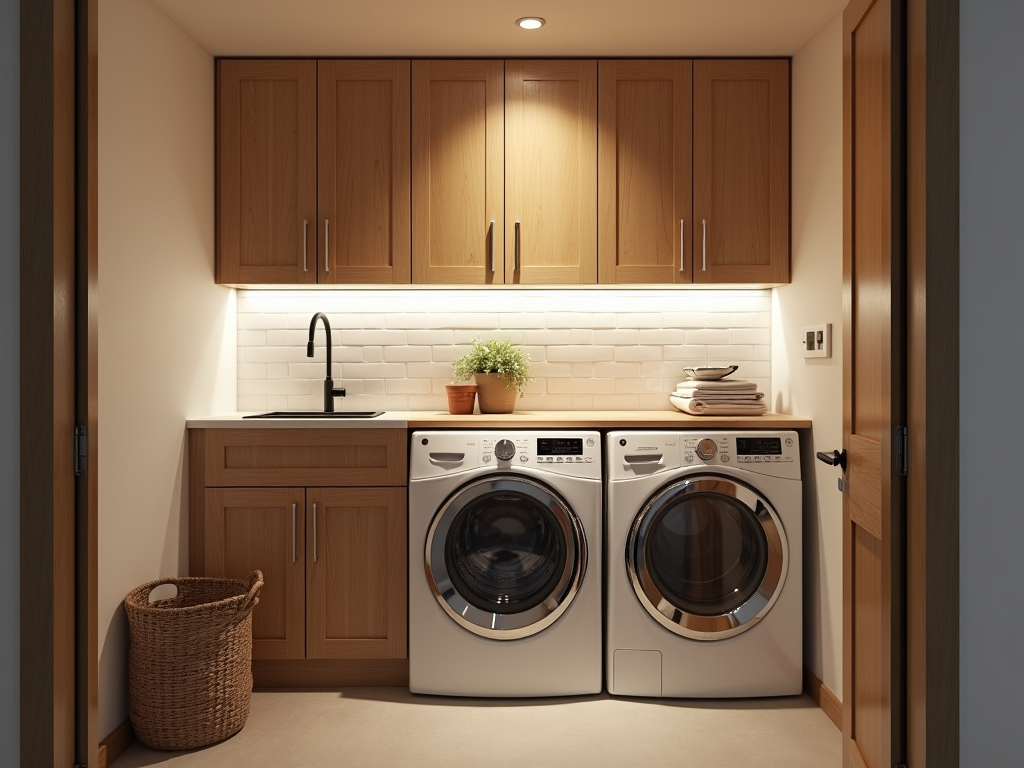
Remodeling your basement can also make your home more functional. From creating dedicated spaces for laundry, storage, or hobbies to installing a second bathroom or kitchenette, you can design the basement to meet your specific needs.

stylish laundry room cabinets

Personalize Your Space


Customization Galore

One of the best parts about remodeling your basement is the ability to customize it to your heart’s content. Unlike other rooms in your house that might already have designated purposes, the basement is a blank canvas. Do you dream of a home theater? Or perhaps a fitness center to keep up with your workout routine? Maybe a craft room where you can unleash your creativity? The basement can be transformed into whatever your heart desires.

Create a Personal Sanctuary

In our busy lives, having a place to unwind is essential. A remodeled basement can serve as your personal sanctuary, away from the hustle and bustle of the main living areas. Think about a serene yoga studio, a tranquil reading nook, or even a music room where you can jam without disturbing the rest of the household.

Improve Energy Efficiency

Better Insulation

Basements are notorious for being chilly and damp. However, during a remodel, you can address these issues by installing proper insulation. This not only makes the basement more comfortable but can also improve the overall energy efficiency of your home.

Modern HVAC Systems

Updating the HVAC system during a basement remodel can also contribute to better energy efficiency. Modern systems are designed to be more energy-efficient and can be integrated seamlessly into your home, providing consistent heating and cooling throughout all levels.

finished basement

Practical Tips for Remodeling Your Basement


Plan Ahead

Before you start knocking down walls and picking out paint colors, take the time to plan your remodel thoroughly. Consider how you want to use the space, what features are most important to you, and your budget. A well-thought-out plan can help you avoid costly mistakes and ensure that the result meets your expectations.

Hire Professionals

While DIY projects can be fun and cost-effective, remodeling a basement is a major undertaking that often requires professional expertise. From plumbing and electrical work to structural modifications, hiring reputable local basement contractors typically ensures the job is done safely and up to code. In addition to these benefits, a well-executed basement remodel can provide additional living space, increase home value, and enhance overall functionality.

Think About Lighting

Basements typically have limited natural light, so incorporating adequate lighting is crucial. A combination of overhead lights, wall sconces, and floor lamps can brighten up the space and make it feel more inviting. Consider using light colors for walls and ceilings to enhance the brightness even further.

Address Moisture Issues

Basements are prone to moisture problems, which can lead to mold and mildew if not properly addressed. Before starting your remodel, check for any signs of water damage and take steps to waterproof the area. Installing a sump pump, sealing cracks, and using moisture-resistant materials can help keep your basement dry and healthy.

Keep Pests Out

An often-overlooked aspect of basement remodeling is pest prevention. Dark, damp areas can attract unwanted visitors like rodents and insects, which can cause damage and create an unhealthy environment. Before finishing your space, inspect for any cracks or gaps where pests could enter and seal them properly. If cockroaches are a concern, especially waterbugs, consider a Local waterbug cockroach treatment to prevent infestations and keep your basement pest-free.

Ideas for Your Basement Remodel

Home Office

In the era of remote work, having a dedicated home office is a must. A basement office can offer the privacy and quiet you need to stay productive.

Guest Suite

Welcome guests with a cozy and comfortable suite. A bedroom, bathroom, and small kitchenette can make them feel right at home.

Fitness Center

Bring the gym to you by setting up a fitness center in your basement. With workout equipment, mats, and mirrors, you can stay fit without leaving the house.

Conclusion

So, roll up your sleeves and get ready to reinvent your home from the ground up!

The Pros and Cons of Buying vs Renting: Making the Right Housing Choice

Deciding between buying and renting a home is one of the most significant housing choices individuals face. Each option comes with distinct benefits and drawbacks that can significantly impact financial health and lifestyle. The choice ultimately boils down to personal circumstances, financial goals, and long-term plans.

Renting offers flexibility and lower upfront costs, making it appealing for those who value mobility or are uncertain about their future. On the other hand, buying can lead to equity building and potential appreciation in property value, providing stability for those ready to commit to a location. Both paths require careful consideration of individual situations and goals.

Navigating the pros and cons of buying versus renting involves evaluating factors such as market conditions, maintenance responsibilities, and lifestyle preferences. Understanding these elements can help individuals make informed choices that align with their needs.

Understanding the Key Differences Between Buying and Renting

Buying and renting differ significantly in terms of financial commitment, investment potential, and lifestyle flexibility. Each option has specific pros and cons that cater to diverse needs and situations.

Financial Commitment and Upfront Costs

Buying a home requires a substantial financial commitment. Upfront costs include the down payment, closing costs, and additional fees such as inspections and appraisals.

Expense Type Buying Renting
Down Payment Typically, 3-20% of the price N/A
Closing Costs 2-5% of the loan amount N/A
Security Deposit N/A Generally, 1 month’s rent

In contrast, renting typically demands a smaller upfront cost, often only a security deposit and the first month’s rent. This lower financial barrier makes renting more accessible for individuals starting or those with limited savings.

Equity Building and Long-Term Investment

Buying a home allows individuals to build equity over time as property values increase and mortgage payments reduce the outstanding loan balance.

  • Equity Growth: As owners pay off their mortgage, they convert paid amounts into ownership stakes.
  • Tax Benefits: Homeowners may qualify for tax deductions on mortgage interest and property taxes.

Renters do not build equity. Monthly payments go to the landlord, offering no return on investment. While renting ensures no maintenance costs or property taxes, it lacks the long-term growth potential associated with homeownership.

Flexibility Versus Stability

Renting offers significant flexibility, ideal for those who may need to relocate frequently. Lease agreements can range from one year to month-to-month options, allowing swift changes in living situations.

Buying a home typically involves a long-term commitment, which can provide stability. Homeowners often remain in their residences for several years, fostering community ties. However, this commitment can limit mobility and involve additional responsibilities like maintenance and repairs, creating challenges for those seeking adaptability.

For many prospective homeowners, condominiums represent a practical middle ground: they offer ownership and community stability while often reducing the maintenance burden associated with single-family homes. Considering options like condos for sale tucson can help buyers locate properties with shared maintenance, on-site amenities, and more predictable monthly costs through HOA fees. This structure can suit those who want to put down roots without taking on extensive upkeep and may also be easier to sell or rent in fluctuating markets. Evaluating condo association rules, reserve funds, and proximity to services ensures the choice matches both financial and lifestyle priorities.

Financial Considerations and Hidden Costs

When evaluating buying versus renting, financial implications play a crucial role. Key expenses arise in the form of monthly payments, maintenance responsibilities, insurance needs, and tax considerations. Understanding these factors helps clarify the long-term impacts of each choice.

Monthly Payments and Ongoing Expenses

Monthly rent typically covers the basic living expenses without additional responsibilities. Renters may pay between $1,000 and $3,000 monthly, depending on the location and type of property. In contrast, mortgage payments comprise the loan principal, interest, and potentially private mortgage insurance (PMI). A homeowner’s monthly payment may be upwards of $1,500, factoring in property taxes, which average around 1.1% of a home’s value.

Renters do not incur property taxes directly but may face rent increases. Owners should budget for additional costs such as utilities, homeowner association fees, and variable interest rates on loans. Properly planning for these costs ensures individuals are not blindsided by unforeseen expenses.

Maintenance and Repairs

Renting often translates to limited responsibility for maintenance and repairs. Landlords typically handle these tasks, relieving renters of unexpected costs. However, tenants should plan for small expenses related to routine upkeep.

Insurance and Protection

Renters typically need renters’ insurance, which averages around $15-$30 per month. This policy protects personal belongings but doesn’t cover the property itself. It serves to safeguard against theft, fire, and certain liabilities.

Homeowners require homeowners’ insurance, which generally costs $100-$200 monthly based on location and coverage level. This policy protects the house structure and personal belongings and may include additional liability coverage. Homeowners must evaluate various insurers and policies for the best rates and comprehensive coverage.

Tax Implications and Benefits

Renters receive no tax benefits, making all payments considered personal expenses. In contrast, homeowners can benefit significantly from tax deductions. Mortgage interest and property taxes are deductible on federal income taxes, which can lead to substantial savings.

Homeowners may also utilize other advantages, such as home equity loans, which provide access to funds for renovations or debt consolidation, offering flexibility. Understanding these tax implications can influence the decision to buy versus rent, as they directly affect long-term financial health.

Lifestyle Factors and Personal Preferences

When deciding between buying and renting, individuals must consider their lifestyle preferences and personal circumstances. Key factors include customization options, mobility, and the desire for stability or community.

Customization and Home Improvements

Homeownership allows for significant customization. Owners can renovate or remodel their property to fit personal tastes, enhancing both function and aesthetics. This level of customization allows those looking for new construction homes in Wilmington NC, or elsewhere, to select everything from the floor plan and materials to the smallest design details before the home is even built. Renters typically face restrictions on modifications. Many leases prohibit major changes, limiting the ability to personalize their living space.

Additionally, homeowners may see financial returns on improvements, as they can increase property value. In contrast, renters cannot recoup costs spent on upgrades in rented properties.

Mobility and Lease Flexibility

Renting often allows for greater mobility. Lease terms can range from month-to-month to annual agreements, enabling individuals to relocate more easily for job opportunities or lifestyle changes.

In contrast, buying a home generally requires a long-term commitment. Owners must consider selling or renting their property, which can be a time-consuming process, particularly in a fluctuating housing market. This flexibility is attractive to younger individuals or those in transient careers, whereas stability appeals more to families or those who value community ties.

Stability, Security, and Community

Homeownership can provide a sense of security. Fixed-rate mortgages protect against fluctuating housing prices and rent increases. Owners often feel a stronger connection to their neighborhood.

Renters may experience sudden rent hikes or changes in property management, creating uncertainty. However, they often benefit from access to communal amenities without the burden of maintenance costs. Stability can influence personal relationships as owners tend to establish deeper roots within their community. Conversely, renters may prioritize flexibility to adapt to evolving life circumstances.

Making the Right Choice for Your Situation

Choosing between buying and renting depends on an individual’s financial situation, long-term goals, and the pros and cons each option presents. These factors play a crucial role in determining what may work best for each person.

Assessing Your Current Finances

Financial considerations significantly influence the decision to buy or rent. An individual should evaluate their current income, expenses, and savings. They must also consider upfront costs. Buying often requires a substantial down payment, closing costs, and ongoing maintenance expenses.

Once these factors are understood, prospective homeowners can explore various homeownership options to find what best suits their needs. For instance, working with a reputable build on your lot builder allows for designing and constructing a home tailored to one’s budget, lifestyle, and long-term financial plans.

Alternatively, some may prefer purchasing a pre-designed home or selecting semi-custom options offered by developers, balancing convenience and personalization.

In contrast, renting generally requires a security deposit and first month’s rent, making it more accessible initially. Therefore, analyzing monthly budgets helps clarify which choice is more affordable. Additionally, understanding credit scores is essential since higher scores often qualify individuals for better mortgage rates, thereby impacting long-term financial commitments.

Evaluating Long-Term Goals

Long-term goals can shape the choice between renting and buying. If an individual plans to stay in one location for several years, buying may be beneficial. It allows for equity building over time. Conversely, if someone anticipates relocating soon, renting provides flexibility without the burden of property sales. This can be advantageous in burgeoning or declining markets.

Additionally, future aspirations, such as starting a family, changing careers, or relocating for work, must be taken into account. These goals affect the need for space, access to schools, lifestyle preferences, and the type of community amenities required. Choosing an area that aligns with those long-term needs is essential. Browsing Alabama Real Estate listings or exploring properties in other states can help individuals compare locations and determine which ones best support their future plans and overall lifestyle goals.

Balancing Pros and Cons

Every decision comes with its own set of pros and cons. When buying, advantages include potential tax benefits and property appreciation. Renting, on the other hand, offers reduced responsibilities concerning maintenance. A helpful way to evaluate these options is to create a simple comparison table:

Aspect Buying Renting
Upfront Cost Higher (down payment + closing) Lower (security deposit)
Equity Grows with property value No equity built
Flexibility Limited by commitment High, allows for quick change
Maintenance Responsibility of the owner Handled by the landlord

Researching local housing markets can also shed light on which option provides the best financial advantage in a given area.

 

Scroll to Top