How to Make Small Spaces Feel Bigger and Brighter: Tips for Enhancing Your Home’s Ambiance

Creating an inviting atmosphere in small spaces can transform how they are perceived. Choosing a lighter color palette, using mirrors strategically, and maximizing natural light are all effective ways to enhance the perception of space and brightness. These techniques not only make areas feel larger but also create a more open and airy environment.

Incorporating multi-functional furniture and decluttering can also contribute significantly to the overall feel of a small room. By selecting pieces that serve more than one purpose and reducing excess items, it becomes easier to maintain an organized and spacious look.

Smart lighting choices can further elevate the ambiance. Utilizing soft, layered lighting helps to create warmth and depth, making any small area feel more expansive.

Harnessing Light to Expand and Brighten Small Spaces

Effective use of light can transform small spaces, making them feel more spacious and inviting. By strategically utilizing natural light and thoughtfully layering artificial lighting, one can achieve a brighter, airier environment. Color choices also play a crucial role in enhancing brightness.

Maximizing Natural Light with Windows and Sheer Curtains

To make the most of natural light, it is essential to keep windows unobstructed. Avoid heavy curtains that block sunlight and choose sheer alternatives instead. Sheer curtains allow light to filter in while maintaining privacy, creating an open feel.

Adding mirrors across from windows can amplify natural light. The reflections help distribute light throughout the room, reducing darkness in corners. Also, consider leaving window sills clear of clutter, which can hinder the entry of light.

Lastly, avoid dark window treatments. Lighter materials in soft shades work best to reflect light while maintaining a soft aesthetic.

Layering Overhead Lights, Floor Lamps, and Tall Floor Lamps

A well-planned lighting configuration can enhance the feeling of space. Incorporate overhead lights that distribute illumination evenly. Ceiling-mounted fixtures should combine with various light sources for optimal brightness.

Floor lamps and tall lamps can fill dark corners and provide additional layers of light. Placing them near seating areas ensures a cozy atmosphere while brightening the room.

Using dimmers on overhead lights allows adjustments based on time of day or mood. Combining warm and cool bulbs can create depth and interest, catering to different activities and fostering versatility in ambiance.

Choosing Light and Neutral Tones for Walls and Decor

Light and neutral tones significantly impact how space appears. Walls painted in soft whites, creams, or light grays create an expansive visual effect. These shades reflect more light, enhancing brightness throughout the room.

Incorporating decorative elements in similar tones—like furniture, rugs, and accessories—maintains a cohesive look. This consistency minimizes visual clutter, making the space feel larger.

Opt for bright-colored accents for contrast. Items like cushions or artwork can add personality without overwhelming the palette. Keeping this balance is key to achieving a spacious feel.

Creating the Illusion of Space: Design Strategies

Utilizing design strategies can significantly enhance the perception of spaciousness in small areas. By incorporating specific elements such as mirrors, transparent furniture, and larger rugs, anyone can effectively create a brighter and more expansive atmosphere.

Using Mirrors to Reflect Light and Enlarge

Mirrors serve as powerful tools in small spaces. They reflect light, which can create an illusion of depth and width. Placing a large mirror opposite a window allows natural light to bounce around the room, brightening the space.

Strategic positioning is key. For instance, using a series of smaller mirrors in a gallery style can add interest while amplifying light. It’s essential to consider the frame style; minimalist frames often work best to maintain a clean aesthetic.

Additionally, mirrored furniture pieces, like coffee tables or accent tables, can further enhance this effect. By reflecting the surroundings, they can make the area appear less cluttered and more open.

Incorporating Acrylic Chairs and Transparent Furniture

Acrylic chairs and transparent furniture offer a practical solution for maximizing small spaces. The transparency allows light to flow freely, giving the impression of more space.

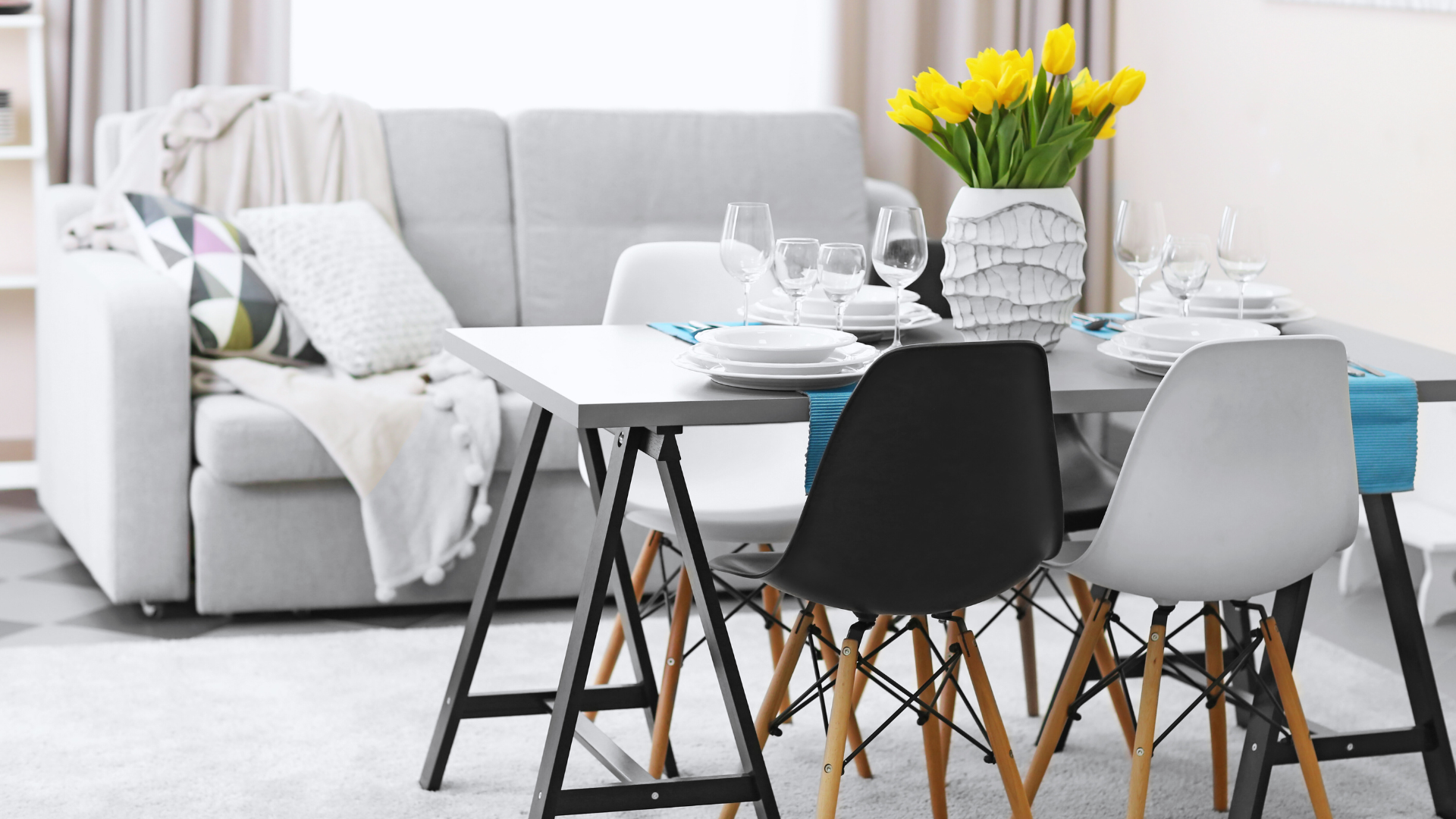
These pieces can be functional and stylish. For example, clear acrylic chairs around a dining table create a modern look while minimizing visual weight. This subtlety helps maintain an airy feeling in smaller rooms.

Choosing transparent furniture means less visual obstruction. This design approach can unify the room’s elements, making the entire area feel more cohesive and larger than it is.

Opting for Large Area Rugs Over Smaller Ones

Choosing a large area rug can fundamentally change the perception of a room. Larger rugs unify furniture and define spaces, making a room feel more open.

When selecting a rug, it’s beneficial to ensure it extends under the main furniture pieces. This design trick allows for a seamless transition and maintains visual continuity.

Patterns and colors also play a significant role. Bold, light-colored rugs can brighten up a room while adding a sense of depth. This approach not only enhances aesthetics but also contributes to an inviting atmosphere.

Making Smart Use of Storage and Furniture

In small spaces, effective use of storage and furniture can create a sense of openness while maintaining functionality. Implementing smart solutions minimizes clutter and optimizes available space. Here are some practical strategies.

Implementing Hidden Storage to Reduce Clutter

Hidden storage is essential in small spaces. It conceals items while maximizing room efficiency. Common options include under-bed storage boxes, ottomans with compartments, and wall-mounted cabinets.

Examples of Hidden Storage:

  • Under-Furniture Storage: Use shallow bins beneath couches or beds.
  • Built-In Cabinets: Design custom cabinets that blend with the walls.
  • Seating with Storage: Choose benches that open for extra space.

These solutions not only tidy a room but also enhance its aesthetic appeal. Keeping visible surfaces clear leads to a notably larger and brighter feel.

Choosing Multifunctional Furniture for Versatility

Multifunctional furniture serves dual purposes, which is valuable in limited spaces. A coffee table can also function as a desk, while a sofa bed provides sleeping arrangements.

Examples of Multifunctional Furniture:

  • Sofa Beds: Ideal for hosting guests in small living areas.
  • Drop-Leaf Tables: Easily expand for dining or fold for saving space.
  • Storage Ottomans: Serve as seating while holding blankets or magazines.

These pieces allow for flexible arrangements without sacrificing style. They contribute significantly to a space’s versatility and efficiency.

Utilizing Vertical Storage to Free Floor Space

Vertical storage draws the eye upward, making a space appear larger. Shelving units and hooks can dramatically increase storage capacity without taking up floor area.

Vertical Storage Solutions:

  • Wall Shelves: Install shelves above furniture to display books or decor.
  • Pegboards: Organize tools or kitchen items while saving counter space.
  • Hanging Racks: Use racks for bicycles or garments to minimize clutter.

By adopting vertical storage ideas, small areas can achieve functionality without feeling constricted. This method not only promotes organization but also maintains a bright and open atmosphere.

Finishing Touches: Accessories and Visual Enhancements

Enhancing small spaces can be effectively achieved through thoughtful accessories and visual elements. By incorporating specific items strategically, one can create an illusion of openness and brightness.

Strategically Placing Hanging Plants

Hanging plants can add life and texture to small areas. They draw the eye upwards, which creates the impression of taller ceilings.

Key Considerations:

  • Type of Plants: Opt for trailing plants like pothos or string of pearls, as they provide lush greenery without taking up floor space.
  • Placement: Hang them near windows for natural light, or in corners to soften hard edges.

Using decorative pots can further enhance visual appeal. Bright colors or metallic finishes can reflect light, contributing to a brighter environment. Regular care ensures plants stay healthy and vibrant.

Maintaining an Organization with Minimal Decor

Clutter can make spaces feel cramped. Maintaining a clean environment with minimal decor fosters a sense of openness.

Organization Tips:

  • Storage Solutions: Use baskets or decorative boxes to hide items while adding style. Choose sleek designs that complement the decor.
  • Wall Shelves: Utilize vertical space with wall-mounted shelves. Displaying a few curated items keeps surfaces uncluttered.

Selecting decor that matches the color scheme helps create a cohesive look. Incorporating mirrors can amplify light and give the illusion of more space.
How to Make Your Entryway More Inviting: Tips for a Warm Welcome Home

Creating an inviting entryway can significantly enhance the overall atmosphere of a home. A well-designed entryway not only serves as a functional space but also sets the tone for the entire house, making guests feel welcomed from the moment they arrive. Small changes, such as adding personal touches or improving organization, can transform a neglected area into a warm and inviting introduction to the home.

When considering how to make the entryway more engaging, homeowners can focus on elements like lighting, decor, and furniture. The right combination can evoke a sense of comfort and style, encouraging guests to feel at ease. By incorporating these thoughtful design choices, the entryway can reflect personal taste while serving as a functional space for daily use.

The importance of first impressions cannot be overstated. A thoughtfully arranged entryway establishes a welcoming environment that resonates with visitors and family alike. Taking the time to enhance this space can make any home feel more approachable and warm.

Prioritizing First Impressions and Entryway Style

The entryway serves as the transition between the outside world and the home, making first impressions crucial. The aesthetics of this area set the tone for visitors. Focusing on curb appeal, cohesive design, and strategic color choices enhances the inviting nature of an entryway.

The Power of Curb Appeal and Front Door Presentation

Curb appeal is the first aspect visitors notice. A well-maintained front door can significantly enhance this appeal. Investing in a new paint job or a stylish front door can create a striking visual effect.

Additional details matter. Consider adding decorative hardware or a welcoming wreath. Simple landscaping, like colorful plants or well-trimmed hedges, draws attention to the entryway.

Lighting plays a role as well. Well-placed outdoor lights not only enhance safety but also highlight architectural features. Taking these steps together contributes to a memorable first impression.

Creating a Cohesive Interior Design Statement

An inviting entryway should reflect the home’s overall design. Consistency in style between the entryway and the rest of the home promotes a seamless transition.

Choosing furniture and decor that aligns with the home’s theme is vital. A modern home might benefit from sleek, minimalistic furnishings. In contrast, a traditional home could incorporate classic details, such as a vintage bench or ornate mirrors.

Functional elements like coat hooks or shoe storage can be integrated stylishly. Utilizing materials that resonate with the home’s overall aesthetic can elevate this space considerably.

Using Color to Set the Tone

Color has the power to influence emotions and can instantly make an entryway feel more inviting. Choosing warm, neutral tones can create a welcoming atmosphere. Shades like soft beige, light gray, or pastel colors appeal to many.

Accents can add character without overwhelming the space. A bold-colored door or vibrant artwork can serve as a focal point. This contrast works well against neutral backgrounds and draws the eye’s attention.

Accessorizing with coordinated textiles, such as a colorful rug or pillows, can also enhance the space. Attention to color allows the entryway to feel cohesive and inviting, encouraging visitors to step inside.

Essential Elements for an Inviting Entryway

An inviting entryway combines comfort and functionality. Key elements contribute to creating a warm welcome, ranging from seating options to lighting solutions.

Incorporating Cozy Seating and Furniture

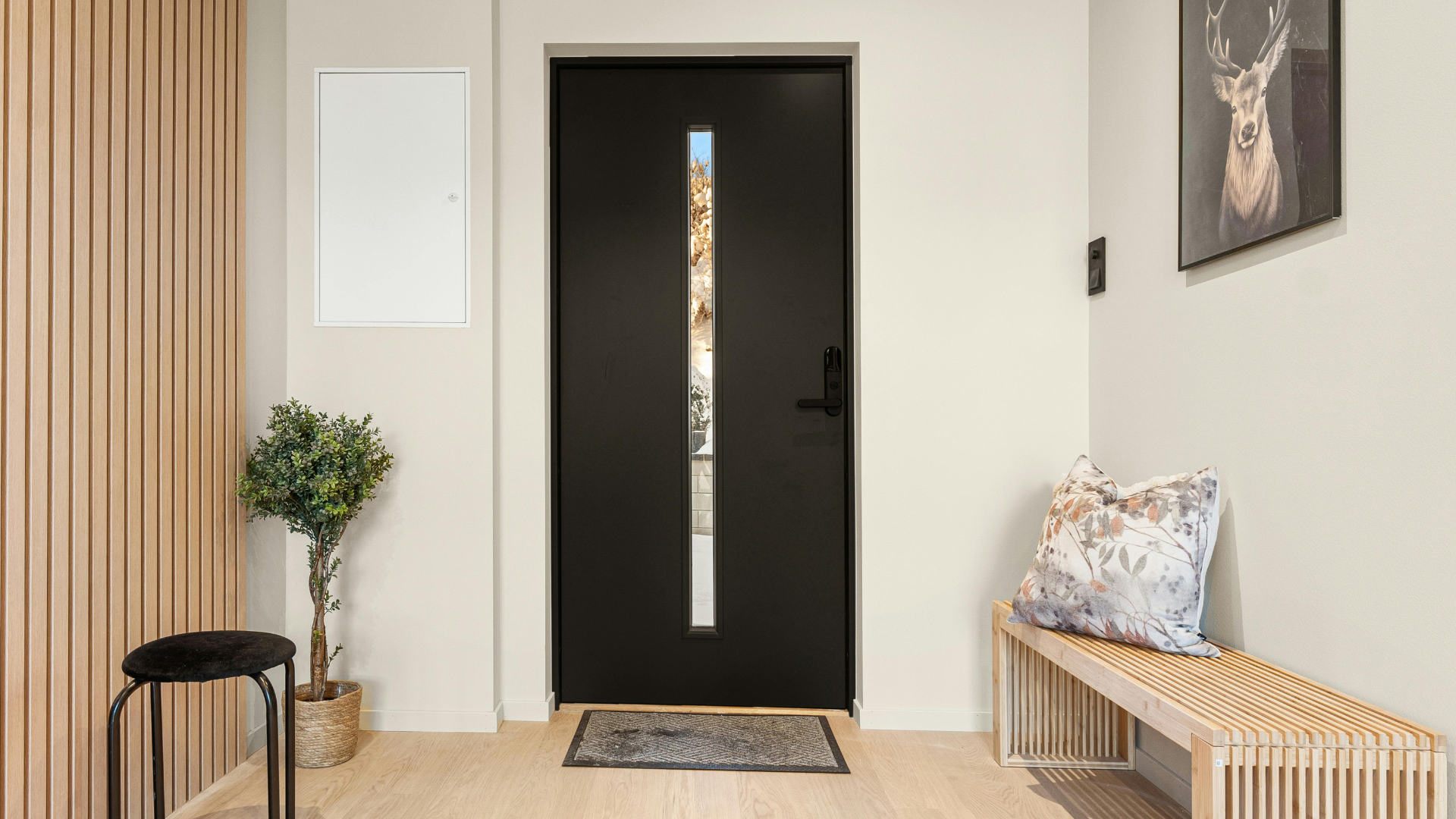
Cozy seating can transform an entryway into an inviting space. A simple bench or a small armchair offers a practical spot for putting on shoes. Consider materials like upholstered cushions for added comfort.

Stylish furniture pieces also enhance the area. A narrow console table can provide a surface for keys and mail. Choosing pieces that reflect the overall style of the home, whether modern or traditional, adds character, too.

Adding decorative pillows or blankets can further boost comfort. It’s essential to ensure that the chosen seating complements the available space without overwhelming it.

Defining the Area with an Area Rug

An area rug serves as a foundation for the entryway. It marks the space and adds a layer of texture. Selecting a rug with colors or patterns that harmonize with the other elements enhances the design.

Opt for materials that are both durable and easy to clean. Natural fibers like jute or outdoor rugs can withstand heavy foot traffic.

A well-placed rug can also absorb sound, creating a peaceful atmosphere. It gives guests a distinct transition from the outdoor environment to the indoor space.

Maximizing Natural Light and Mirrors

Natural light is a vital element in making any space feel open and inviting. Utilize large windows or glass doors to let sunlight flood into the entryway. If privacy is a concern, sheer curtains can maintain brightness while providing coverage.

Incorporating mirrors amplifies natural light. A well-placed mirror reflects sunlight, creating a brighter and more spacious feel. Choose a decorative frame that matches the entry’s decor to enhance aesthetics.

Mirrors also serve practical purposes. They provide a quick glance before leaving the house, ensuring readiness.

Choosing the Perfect Pendant Light

Lighting plays a critical role in setting the mood of an entryway. A pendant light can serve as a striking focal point. Consider styles that complement the overall theme of the home.

Choose fixtures that emit warm light to create a welcoming ambiance. Positioning the light fixture at the right height ensures maximum illumination without overpowering the space.

In addition to aesthetics, energy-efficient bulbs can reduce energy consumption. Balancing style and practicality makes the entryway both inviting and functional.

Decorative Touches and Personalization

Incorporating decorative elements can significantly enhance the entryway’s appeal. Personalized touches create a warm atmosphere, inviting guests as soon as they step indoors. Attention to artwork, wallpaper choices, and seasonal decorations adds character to this space.

Showcasing Artwork and Personal Decor

Displaying artwork is an effective way to inject personality into an entryway. One option is to choose a large statement piece that draws the eye. This could be a painting or a striking photograph.

Framed prints can also create a gallery wall. Mixing different frame styles and sizes adds visual interest. Another option is to incorporate personal items, such as travel souvenirs or handmade crafts.

She works with the color palette and style of the artwork to ensure it aligns with existing decor. This cohesion fosters a welcoming environment while reflecting unique tastes.

Deciding on Wallpaper and Accent Walls

Wallpaper can transform an entryway from ordinary to extraordinary. Choosing vibrant patterns can energize the space, or subtle textures to evoke a calming feel.

Accent walls are another fantastic option. Selecting one wall to paint or wallpaper can create a focal point without overwhelming the space. Options like stripes or textured finishes can elevate simplicity.

It’s essential to consider the rest of the decor. The wallpaper should harmonize with the furniture and other aesthetics. A well-coordinated look enhances the overall impact of the entryway.

Embracing Seasonal Decor for Year-Round Warmth

Seasonal decor keeps the entryway fresh and engaging throughout the year. Simple changes, like swapping out a few decor items, can make a significant difference.

For instance, during autumn, incorporating warm colors and natural elements such as pumpkins or leaves invites the season in. Winter might call for evergreen accents or subtle twinkling lights.

Choosing a few key items to rotate makes it easy to adapt to each season. This approach keeps the space lively and appealing. Personalizing with their favorite seasonal themes enhances the warmth and comfort of the entryway.

Storage and Organization Solutions

Creating an inviting entryway involves effective storage and organization. Optimal solutions enhance functionality while maintaining an aesthetic appeal. This section discusses practical storage ideas and stylish furniture options.

Implementing Creative Storage Solutions

Incorporating innovative storage solutions can transform an entryway. Wall-mounted shelves provide vertical storage and keep items off the floor. They can hold decor, baskets for small items, or shoes, maximizing space.

Hooks and pegs are practical for hanging coats, bags, or keys. Selecting decorative hooks can add character while being functional.

Consider using bench storage, which serves dual purposes. A bench offers a spot to sit when putting on shoes while concealing storage beneath. Boxes or baskets placed under the bench can neatly store accessories.

Finally, multi-functional furniture is critical for small spaces. A console table with drawers can store mail and other essentials while displaying decor to enhance the entryway’s charm.

Functional Yet Stylish Entryway Furniture

Choosing entryway furniture that balances functionality with design is essential. Shoe racks or organizers that blend into the decor can help preserve order. Opt for designs that complement existing furnishings for a cohesive look.

Accent tables or console tables are excellent options. They provide surface space for decor and can contain drawers for organization.

Mirrors are both practical and visually enlarge a space. A well-placed mirror reflects light and makes the area appear larger.

Choosing furniture in durable materials ensures longevity. Additionally, color coordination with other elements in the entryway contributes to a welcoming atmosphere. Select colors that evoke warmth and comfort to enhance the overall appeal.

How to Use Mirrors to Open Up Your Living Space: Expert Tips for Maximum Impact

Mirrors can transform a space in ways that go beyond mere aesthetics. By strategically placing them, individuals can create the illusion of a larger area, enhance natural light, and improve overall flow within a room. Using mirrors effectively can significantly open up a living space, making it feel more airy and inviting.

Incorporating mirrors into a design scheme allows for creative possibilities. They can reflect views, bounce light around, and serve as focal points, drawing attention away from cramped areas. Careful consideration of size, shape, and placement will yield the best results, ensuring that mirrors amplify the room’s potential.

Beyond functionality, mirrors also add a decorative element that complements various design styles. Whether through sleek, modern pieces or vintage finds, they enhance a space’s character while contributing to a feeling of openness. Engaging with mirrors in design enriches the atmosphere, making the living space more enjoyable and visually appealing.

Mirror Placement Strategies for Opening Up Living Spaces

Strategic placement of mirrors can significantly enhance the perception of space and light in a living area. By carefully considering where to position mirrors, one can maximize natural light and create an airy environment.

Positioning Mirrors to Reflect Natural Light

To benefit from natural light, place mirrors opposite windows. This directs sunlight deeper into the room. Using multiple smaller mirrors can also help distribute light more evenly.

Consider the dimensions and angle of the windows; a well-placed mirror can create the illusion of an additional window. Ensure that the frames of the mirrors complement the room’s decor for visual harmony.

The reflective surface should be clean and clear to optimize light reflection. In addition, using mirrors with varying shapes can add visual interest while still promoting brightness.

Maximizing Space With Floor Mirrors and Full-Length Mirrors

Floor mirrors and full-length mirrors offer a practical solution for small living areas. They can visually expand the space by drawing the eye upward and creating a sense of depth.

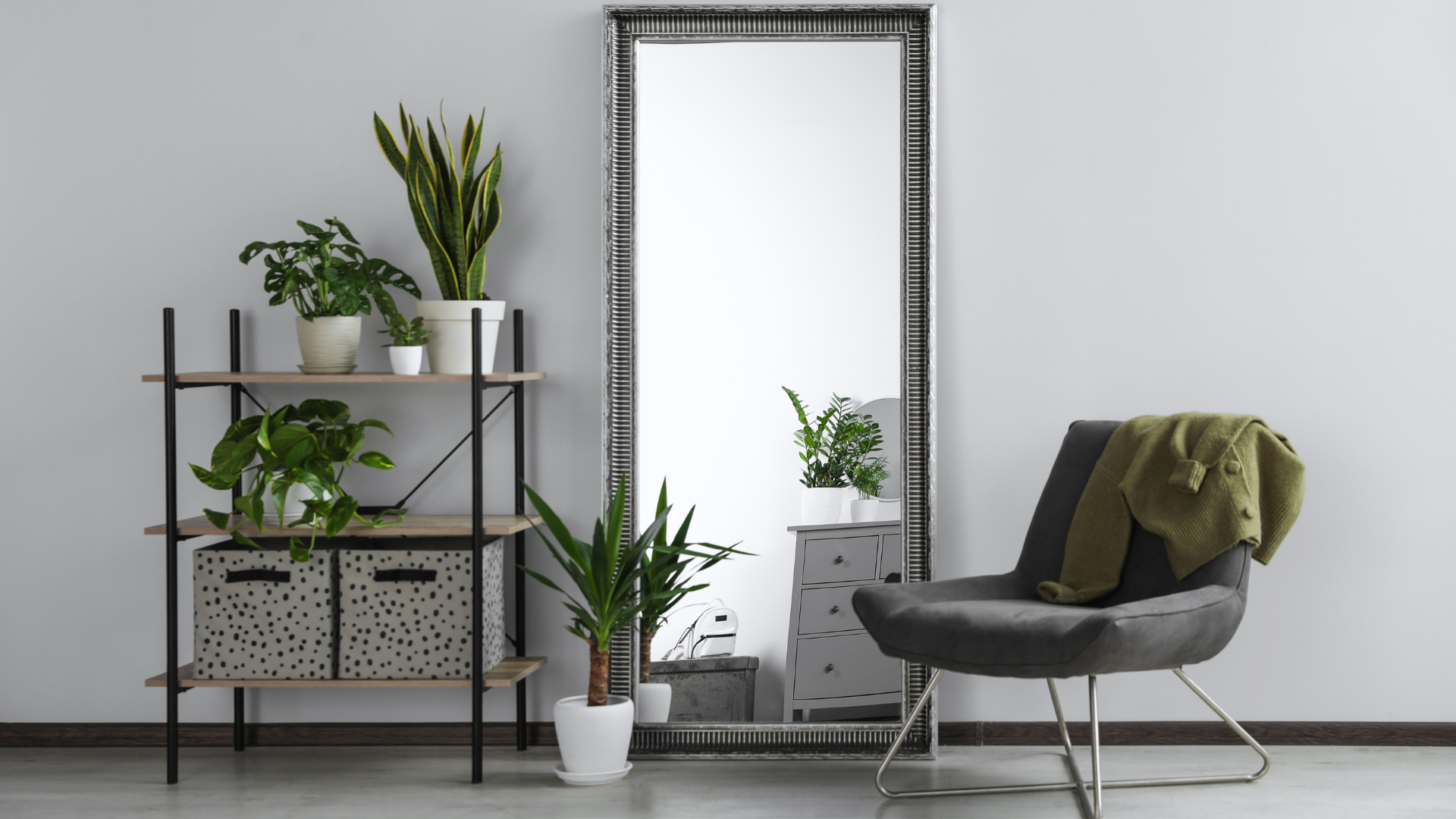
Positioning a large floor mirror in a corner can also enhance the perception of openness. It serves not just a decorative purpose but functions as a reflective element that makes the room feel larger.

Full-length mirrors can be hung on walls in narrow hallways. This tactic allows one to check their appearance while also creating the illusion of a wider passage.

Using Mirrors to Enhance Outdoor Views

Utilizing mirrors to reflect outdoor views will bring nature into the living space. A strategically placed mirror that reflects a garden or park can add vibrancy and depth.

Positioning mirrors to frame a beautiful landscape creates a dynamic focal point. This technique can make a room feel more connected to the outdoors.

Choose mirrors that complement outdoor colors to maintain a cohesive aesthetic. Regular cleaning will ensure that these reflections remain crisp and inviting.

Arranging Mirrors in Hallways and Dark Corners

Hallways and dark corners often feel cramped and neglected. Incorporating mirrors can open up these spaces dramatically.

Start by placing a vertical mirror at the end of a hallway to create a sense of extension. In darker areas, position smaller mirrors to maximize light bouncing into the space.

Consider using mirrored furniture in corners to add both style and light. Mirrors can break the monotony of long walls, offering visual relief and making the area inviting.

Creative Mirror Types and Decorative Approaches

Mirrors offer diverse design options that can enhance a living space. Utilizing unique mirror types and artistic approaches can effectively transform the ambiance and perception of size in a room.

Mirror Clusters and Gallery Walls

Creating mirror clusters involves grouping multiple mirrors of various sizes and shapes on a single wall. This technique adds visual interest and depth to a room.

When selecting mirrors for a gallery wall, it’s essential to consider the frames. They can be uniform or eclectic, depending on the desired aesthetic.

Placement Tips:

  • Arrange them at eye level.
  • Vary sizes for a dynamic look.
  • Use a symmetrical or asymmetrical layout to suit personal style.

A meticulously crafted cluster can serve as an eye-catching focal point that draws attention and creates a sense of openness.

Geometric and Statement Mirrors

Geometric mirrors provide a contemporary edge to design. Their innovative shapes—such as hexagons, triangles, or circles—can break monotony in a living space.

Statement mirrors, often oversized or uniquely designed, can redefine the area they occupy. They not only reflect light but also offer a dramatic flair.

Choosing the Right Style:

  • Consider the room’s existing shapes and lines.
  • Opt for bold colors or interesting textures to complement the décor.
  • Ensure that the mirror’s placement reflects important elements, such as art or furniture.

The striking presence of these mirrors can amplify both style and light.

Utilizing Mirrored Tiles

Mirrored tiles can create a sleek, modern look while enhancing light diffusion in a living space. When installed on walls or backsplashes, they can visually extend the area.

Using mirrored tiles in unexpected spaces, like entryways or accent walls, can elevate a room’s design. They can also be utilized in smaller areas, making them appear larger.

Installation Ideas:

  • Combine with matte finishes for contrast.
  • Use in combination with traditional tiles for added depth.
  • Create a mosaic effect for a personalized touch.

Mirrored tiles add shimmer and sophistication wherever they are applied.

Incorporating Mirrored Furniture in Your Design

Mirrored furniture, such as side tables and dressers, can fuse functionality with style. These pieces reflect light, contributing to the overall brightness of a room.

In addition to being visually appealing, mirrored furniture can serve as a versatile focal point. Their reflective surfaces can enhance other decorative elements.

Styles to Consider:

  • Choose sleek lines for a modern vibe.
  • Opt for ornate designs for a more classical look.
  • Consider the balance of mirrored furniture with other textures in the room.

Strategically placed, mirrored furniture can transform the atmosphere, enhancing the space’s openness and elegance.

Enhancing Light and Ambiance With Mirrors

Mirrors serve as effective tools for brightening spaces and creating a welcoming atmosphere. By strategically positioning mirrors, one can enhance both natural and artificial light, making living areas feel more expansive and inviting.

Strategic Pairing With Artificial Light and Light Fixtures

Placing mirrors near light fixtures amplifies the effect of artificial lighting. When a mirror reflects light from lamps or overhead fixtures, it helps distribute brightness throughout the room.

Suggestions for positioning include:

  • Above side tables: Placing a mirror above a lamp reflects its light, enhancing the ambiance.
  • Opposite windows: Mirrors facing light fixtures can bounce directed light across the space.

This technique ensures a warm glow permeates the room, reducing the need for heavy lighting and contributing to a cozier atmosphere.

Using Mirrors to Maximize and Distribute Light

To maximize the benefits of mirrors, their size and placement are crucial. Larger mirrors can significantly enhance the amount of light reflected, making small areas appear larger and more open.

Key strategies include:

  • Using oversized mirrors: A large mirror can serve as a focal point while doubling light reflection.
  • Angles matter: Position mirrors at angles that capture and reflect light from different sources.

Employing these techniques enables more effective distribution of light, creating vibrant living environments.

Reflective Surfaces for Improved Brightness

Incorporating additional reflective surfaces alongside mirrors can further improve brightness. Surfaces such as glass, polished metals, or glossy finish paint complement mirrors and enhance light flow.

To enhance brightness:

  • Choose glossy finishes for walls: High-gloss paint reflects light, amplifying the effect of mirrors.
  • Integrate metallic decor: Items like brass or chrome can catch and redirect light, enriching the ambiance.

By using these reflective elements intelligently, individuals can create a beautifully lit space that feels open and rejuvenating.

Budget-Friendly Home Upgrades That Add Value Without Breaking the Bank

Homeowners often seek ways to increase their property’s value without breaking the bank. There are several effective strategies to enhance a home’s appeal and market value. Simple upgrades, such as fresh paint, landscaping improvements, and energy-efficient features, can yield significant returns on investment.

Many individuals overlook cost-effective improvements that can transform their living spaces. For example, updating light fixtures or hardware can modernize a home without a hefty price tag. These changes not only improve aesthetics but also create a welcoming environment for potential buyers.

Investing in budget-friendly home upgrades can lead to greater financial rewards in the long run. With the right enhancements, homeowners can boost their property’s desirability and value, making it a smart move in today’s real estate market.

Enhancing Curb Appeal on a Budget

Creating an inviting first impression can significantly boost a home’s market value. Simple upgrades can make a big difference in curb appeal without straining finances.

Updating the Front Door

A front door serves as a focal point of any home’s exterior. Replacing an outdated door can enhance both appearance and security. If a new door isn’t feasible, consider a fresh coat of paint in a bold color to make it stand out. Adding new hardware, such as a modern handle and lock, can also improve its aesthetic.

Homes with appealing front doors often attract potential buyers. This upgrade typically offers a strong return on investment (ROI). Homeowners should keep the style consistent with the property’s overall design to maintain coherence.

Low-Cost Landscaping Ideas

Landscaping plays a crucial role in improving curb appeal. Simple changes like planting seasonal flowers or adding decorative mulch can create a polished look. Trim overgrown bushes and trees to give the yard a well-maintained appearance.

Moreover, installing low-maintenance plants can be budget-friendly and sustainable. Incorporating elements like garden edging or a small stone path can further enhance visual interest. A neat lawn, perhaps achieved through regular mowing and fertilization, also contributes to positive first impressions.

The Impact of Fresh Exterior Paint

A well-chosen exterior paint color can renew a home’s look without major renovations. Fresh paint on the trim, shutters, or even the entire house can transform its character. It is essential to select colors that complement each other and fit within the surrounding neighborhood.

Selecting high-quality paint for longevity can prevent peeling and fading. This upgrade not only enhances curb appeal but can also reflect a higher home value when selling. Regular maintenance of paint ensures the property remains attractive over time.

Affordable Interior Upgrades That Increase Value

Homeowners looking to enhance their property’s value can achieve remarkable results with thoughtful interior upgrades. Strategic improvements in paint, kitchen, lighting, and bathroom fixtures can lead to significant returns on investment.

Transforming Spaces with a Fresh Coat of Paint

Painting remains one of the most cost-effective home improvement projects. A fresh coat of paint can transform tired spaces and create a clean, updated look. Opting for neutral, market-friendly colors often appeals to a broader range of potential buyers.

  • Cost: On average, a gallon of paint costs around $30-$60, and an entire room can be painted for under $200.
  • ROI: According to Zillow, homes with newly painted interiors can command a perceived value increase of up to $2,000.
  • Tip: Tackling DIY painting projects can save labor costs and allow for personalized color choices.

Minor Kitchen Remodels with Big Returns

A minor kitchen remodel can significantly enhance a home’s appeal without the expense of a full renovation. Focusing on key elements can yield impressive returns, such as updating cabinets, countertops, and appliances.

  • Key Updates: Refacing cabinets, adding new hardware, or replacing laminate countertops with quartz can modernize the look and feel.
  • Cost Consideration: A minor kitchen renovation generally costs between $10,000-$15,000 but can have a return on investment of around 80%.
  • Market Insight: Value-added amenities like energy-efficient appliances attract buyers in today’s market.

Modernizing Lighting Fixtures

Upgrading lighting fixtures can dramatically change the ambiance of a home. Modernizing with stylish, energy-efficient options enhances not only aesthetics but also functionality.

  • Fixture Types: Consider track lighting, pendant lights, or LED options that provide both energy savings and improved illumination.
  • Switch Options: Installing dimmer switches allows for adjustable lighting, appealing to potential buyers.
  • Cost vs. Value: While a new light fixture may range from $100-$500, the return can be substantial, as good lighting increases overall home appeal.

Small Bathroom Updates That Make a Difference

Bathrooms can make or break a home sale. Small updates, including new fixtures and improvements in aesthetics, can elevate a bathroom’s look and feel.

  • Important Updates: Replacing faucets, mirrors, and towel bars with modern options can create a fresh environment.
  • Design Elements: Neutral tile choices and stylish vanities promote a clean appearance that appeals to buyers.
  • Cost Insight: Minor bathroom remodels typically cost between $5,000-$10,000, with an ROI ranging from 60-70%. Making these changes can ensure a competitive edge in the market.

Boosting Efficiency and Comfort for Higher ROI

Enhancing a home’s efficiency and comfort can significantly impact its market value. It is possible to make practical upgrades that improve daily living while also yielding a solid return on investment.

Improving Energy Efficiency

Investing in energy-efficient appliances is a smart choice for homeowners seeking higher ROI. Energy Star-rated appliances use less electricity and water, leading to lower utility bills. This not only makes the home more affordable to maintain but also appeals to environmentally conscious buyers.

Incorporating smart home technology, such as programmable thermostats, can further enhance energy efficiency. These devices allow homeowners to control their heating and cooling more effectively, optimizing usage patterns. A home that showcases modern, energy-efficient features often not only sells faster but also at a higher price.

Beyond these appliances and technologies, investing in simple, high-impact upgrades can also significantly improve a home’s energy efficiency. For example, installing full height plantation shutters on windows helps reduce heat loss in winter. Furthermore, it keeps interiors cooler in summer, creating a more comfortable living environment while lowering energy bills.

In a similar vein, adding LED lighting throughout the home is another effective upgrade. LED bulbs use far less electricity than traditional bulbs while providing the same brightness, further enhancing efficiency and increasing appeal to buyers.

Upgrading Insulation and HVAC on a Budget

Improving insulation is a budget-friendly upgrade that contributes significantly to energy efficiency. Proper insulation keeps homes warmer in winter and cooler in summer, ensuring more consistent temperatures throughout the year. This improvement can be achieved through methods like weatherstripping, caulking, or adding insulation to attics and crawl spaces.

A commonly overlooked source of heat loss is the loft hatch itself; upgrading to an insulated, well-sealed access panel can reduce drafts and improve overall attic performance. Many modern options combine multiple insulation layers with draught seals and a low-profile design, making them easy to fit during a loft insulation upgrade without major disruption. For straightforward product choices and specifications that support airtightness, it may be beneficial to research information on plastic loft hatches. Addressing the hatch often complements other measures and helps lower heating costs over time.

Upgrading the HVAC system can also be done affordably. Homeowners can consider small fixes, such as cleaning ducts or replacing filters regularly, which improve air circulation and efficiency. If replacing the system, they can evaluate energy-efficient models that may qualify for rebates, ensuring that the investment pays off in reduced energy bills. Additionally, consulting with local HVAC contractors can also help identify the most cost-effective solutions and ensure the system is installed and maintained properly.

Small Touches: Natural Light and New Knobs

Bringing in natural light can dramatically enhance a home’s atmosphere. Installing larger windows or adding skylights to dark spaces can create a welcoming environment. Homeowners might also consider reflective surfaces or light-colored paint to maximize sunshine.

When considering skylight options, homeowners should look beyond basic units and favour products engineered for durability, energy performance, and code compliance. Bespoke rooflights can be specified to optimise daylighting while minimising heat loss and glare, supporting both comfort and lower lighting costs.

For detailed specifications and examples of safety-tested, code-compliant designs tailored to American roofs, see sites like sunsquareskylights.com. Thoughtful selection and professional installation help ensure skylights enhance aesthetics and deliver measurable long-term energy savings.

Additionally, updating knobs and handles on cabinets and doors is a simple yet effective way to modernize a home’s look. This minor change can refresh an outdated space without significant financial investment. When potential buyers notice these thoughtful details, it can positively influence their perception of the home’s value.

Color Combinations That Instantly Refresh Any Room: A Guide to Transforming Your Space

When it comes to refreshing a room, the right color combinations can have a transformative effect. Bold hues paired with soft neutrals create balance, while complementary colors add vibrancy and energy. By choosing the right palette, any space can feel renewed and inviting.

Colors evoke emotions and change perceptions of space. She can opt for a fresh blue and crisp white for a serene coastal vibe or combine warm yellows and greens for a lively, cheerful atmosphere. Each combination brings its unique essence to the room, making it essential to select colors that resonate personally.

Finding the ideal color pairings requires consideration of the room’s purpose and existing decor. A tranquil bedroom might benefit from muted tones, while a dynamic workspace can thrive with bright pops of color. With the right choices, anyone can create an environment that feels fresh and rejuvenates the spirit.

Understanding the Power of Color Combinations

Color combinations play a crucial role in shaping the ambiance of any room. They can evoke feelings and perceptions, influencing how space is experienced. Selecting the right color palette is essential in creating the desired atmosphere.

How Colors Impact Room Atmosphere

Different colors generate varying moods. For instance, warm colors like reds and yellows create energizing and vibrant spaces, while cool colors such as blues and greens promote calmness and relaxation.

Using contrasting colors can add depth to a room and highlight architectural features. For example, pairing a bold accent color against a neutral backdrop can create a striking focal point. Conversely, harmonious color schemes, where colors blend or complement each other, can invoke a sense of peace and cohesiveness.

The Psychology of Color in Home Decor

The psychology of color significantly influences interior decor choices. Each color can elicit emotional responses, shaping perceptions and interactions within a space.

  • Red: Energy and passion
  • Blue: Serenity and tranquility
  • Yellow: Optimism and warmth
  • Green: Balance and harmony

When considering a color scheme, it’s important to think about how a color may affect mood and behavior. For example, a cozy feel can be achieved through soft, muted colors that create warmth and comfort.

Choosing an Effective Color Palette

Selecting an effective color palette involves assessing the purpose of the room. Spaces meant for relaxation may benefit from softer tones, while areas for entertainment may incorporate bold colors for vibrancy.

A well-balanced palette typically includes a primary color, a secondary color, and accent colors. This combination fosters visual interest. It’s also vital to consider contrast. High contrast can energize a space, while low contrast promotes serenity. Ultimately, blending functionality with aesthetic appeal is key.

Fresh Color Pairings to Instantly Revitalize Spaces

Choosing the right color combinations can significantly enhance the atmosphere of any room. Specific pairings can provide a refreshing ambiance while also creating a harmonious balance.

Classic and Contemporary Blues

Blue is renowned for its calming effects. A range of shades, from pale blue to deeper hues, can be paired to create a sense of tranquility. Soft blues work well as wall colors, providing a soothing backdrop.

Accent colors like lavender or crisp white can elevate the look, adding freshness. For instance, a pale blue with vivid white trim can enhance natural light, making a space appear larger. Benjamin Moore offers various shades that emphasize both classic and modern aesthetics, suitable for diverse tastes.

Soothing Sage and Mint Duos

Sage and mint are excellent for creating a serene environment. These green hues evoke nature, encouraging relaxation.

Combining sage with a lighter mint can create a cohesive and refreshing palette. This duo is especially effective in kitchens and bathrooms, where a light, airy feel is desired. Adding accents in beige or muted taupe can warm up the space. This combination helps ground the greens while maintaining a fresh vibe.

Inviting Beige and Taupe Combinations

Beige and taupe serve as neutral bases that generate warmth in any room. When paired correctly, they can add sophistication without overwhelming the senses. Using a warm beige for walls while incorporating taupe in furniture or accents creates an inviting atmosphere. This combination works well in living areas or bedrooms, promoting comfort and relaxation. To spice up neutral tones, consider adding vibrant accessories like cushions or artwork in brighter colors. This strategy keeps the space lively while maintaining an inviting aesthetic.

Maximizing Refreshment With Creative Accents

Creative accents can significantly enhance a room’s vibrancy. By incorporating eclectic touches and utilizing natural light, one can refresh the atmosphere effectively.

Adding Eclectic Touches With Accent Colours

Accent colours play a pivotal role in transforming a space. Using bold and unexpected shades can create a striking contrast against neutral backgrounds. For example, a bright blue vase can pop against a soft white wall. Incorporating multiple accent colours in a coordinated way adds an eclectic feel.

Here are some ideas for effective accent colours:

  • Throw pillows: Mix patterns and colours to create visual interest.
  • Artwork: Choose pieces that reflect the chosen colour scheme.
  • Rug: Use a vibrant rug to anchor the room.

These touches not only enhance aesthetics but also express personal style.

Utilizing Natural Light to Complement New Schemes

Natural light is a powerful tool in interior design. It can dramatically affect how colours are perceived in a space. Rooms flooded with light can make soft pastels look fresh and invigorating. Conversely, deeper colours may feel richer and more inviting.

To maximize natural light, consider:

  • Mirrors: Placing mirrors strategically reflects light and expands the visual space.
  • Light fabrics: Sheer curtains allow sunlight to filter in while maintaining privacy.
  • Open layouts: Minimizing barriers allows light to flow through various areas.

By thoughtfully integrating these elements, one can enhance the interplay between light and colour, creating a refreshing environment.

Tips for Selecting and Implementing Color Schemes

When selecting and implementing color schemes for a room, it is crucial to consider contrast, the existing wall colors, and the function of the space. The right choices can enhance the overall feel and functionality of any area.

Balancing Contrast for a Cohesive Look

Achieving balance in contrast involves combining light and dark colors effectively. A room that is too dim may feel closed off, while one that is overly bright can seem chaotic.

  • Use a color wheel to identify complementary colors. Shades opposite each other tend to create high contrast.
  • Consider using different textures in the same color family to add depth. For example, matte and glossy finishes can enhance visual appeal without overwhelming the space.
  • Aim for a main color to dominate and two or three accent colors to bring vibrancy. This prevents color overload, ensuring a harmonious atmosphere.

Adapting to Wall Colours and Room Purpose

The existing wall colors significantly impact the choice of new hues. For instance, a room with dark walls benefits from lighter furniture or decor to balance the heaviness.

  • In a home office, cool colors like blues and greens can enhance focus, while warmer colors may stimulate creativity in a crafting space.
  • Breaking down walls with patterns can complement solid colors. Use wallpaper or decals to provide visual interest without overpowering the primary scheme.
  • Assess lighting conditions, as natural light alters how colors are perceived. Consider testing paint samples on walls to observe changes throughout the day.

Leveraging Analytics and Inspiration Sources

Drawing inspiration from analytics and design sources can guide color selection. Social media platforms often showcase trending palettes that resonate with current styles.

  • Use platforms like Pinterest and Instagram to discover popular combinations. Keywords like “refreshing color schemes” yield numerous relevant results.
  • Online tools can analyze user engagement data for popular color themes, helping to narrow down options that appear visually appealing to a broader audience.
  • Data from user interactions or preferences may inform decisions. Tracking which combinations garner more positive feedback enhances the likelihood of making favorable choices for any space.


Easy Ways to Update Your Interior Without Renovation: Simple Tips for a Fresh Look

Updating an interior space doesn’t always require a full renovation. Many people seek simple yet effective ways to refresh their surroundings without the hassle of major construction or high costs. Small changes can make a significant impact, transforming the look and feel of a room with minimal effort.

A few easy strategies can breathe new life into any interior. Swapping out accessories, such as cushions, art, or lighting, offers an immediate update. Rearranging furniture can also create a new layout, enhancing flow and functionality.

Color plays a vital role in interior design. Even just painting an accent wall or adding vibrant decor can change the atmosphere of a room. By incorporating these straightforward methods, anyone can achieve a stylish upgrade without extensive renovations.

Enhance Your Space with Color and Paint

Incorporating color and paint into a space can truly elevate its aesthetic without extensive renovation. Two effective strategies involve refreshing the walls and upgrading cabinetry, both of which can create a significant visual impact.

Refresh Walls with a Fresh Coat of Paint

A fresh coat of paint can completely transform a room. Choosing the right color is crucial; lighter shades can create a sense of openness while darker tones add depth and sophistication.

  • Preparation is Key: Start by preparing the walls. Clean any dust or dirt and patch holes for a smooth surface.
  • Choosing the Right Finish: Consider finishes such as matte, satin, or semi-gloss based on the room’s function. Satin and semi-gloss are ideal for high-traffic areas due to their durability.
  • Creative Techniques: Techniques like accent walls or ombre can add character. An accent wall in a bold color can serve as a focal point.
  • Test Samples: Always test paint samples on the wall to see how the color looks in different lighting throughout the day.

This simple update can breathe new life into tired interiors.

Upgrade Cabinetry without Replacing

Cabinetry can significantly influence a kitchen or bathroom’s appeal. Instead of replacing cabinets, which can be costly, painting them is a practical alternative.

  • Selecting the Right Paint: Use a high-quality paint specifically designed for cabinetry. This ensures a smooth finish and durability.
  • Surface Preparation: Clean the surfaces and consider sanding lightly for better paint adherence. Remove hardware to achieve clean lines.
  • Techniques for Success: Use a sprayer for an even finish or apply with a brush for a more textured look. Multiple thin coats are more effective than one thick coat.
  • Hardware Update: Combining painted cabinets with new hardware can enhance the overall look. Opt for modern handles or knobs to elevate the cabinet design.

These strategies can refresh the space effectively without needing complete replacements.

Transform Lighting and Fixtures

Enhancing the ambiance of a space can be achieved through thoughtful upgrades to lighting and fixtures. By focusing on pendant lights and hardware updates, individuals can significantly alter the interior design and feel of their homes.

Install Pendant Lights for a New Look

Pendant lights serve as striking focal points in any room. They come in various styles, from modern metallic to rustic glass, allowing for personalization that complements existing décor.

Choosing the right size is crucial. A large pendant may overwhelm a small room, while several smaller pendants can create visual interest without cluttering the space. He or she should ensure that the installation height allows for adequate illumination without obstructing sight lines.

Placement matters as well. Hanging pendant lights over dining tables or kitchen islands can create both functionality and style, enhancing the dining experience. Additionally, existing wiring can often be utilized for a seamless update.

Update Hardware and Fixtures

Updating hardware and fixtures can drastically refresh a space’s appearance. Simple changes such as replacing cabinet handles, doorknobs, or light switch plates can make a marked difference without significant investment.

Opt for finishes that align with the overall design theme. For instance, matte black or brushed gold can provide a contemporary feel, while antique brass may suit a vintage aesthetic. When selecting new hardware, it’s helpful to consider the scale and proportion relative to the furniture and architecture.

Incorporating new light fixtures, such as wall sconces or lamps, further elevates the room’s design. These adjustments not only enhance functionality but also contribute to the mood of the interior, showcasing personal style and attention to detail.

However, when these updates involve more complex electrical systems, hiring a professional becomes essential. Changes such as installing new lighting layouts, upgrading wiring, or modifying power sources often require technical expertise to ensure safety and compliance with regulations.

For instance, if the renovation involves upgrading or reconfiguring electrical panels to match the new design, searching online for “electrical panel replacement near me” can help homeowners find qualified experts who can complete the work safely and efficiently.

Add Style with Functional Decor

Incorporating functional decor enhances a space’s aesthetics while also serving practical purposes. This approach makes interiors look inviting and organized without requiring major renovations.

Incorporate Floating Shelves for Versatile Display

Floating shelves are a popular choice in interior design due to their ability to provide both storage and display options. They can be mounted on walls to showcase books, plants, or decorative items, which adds character to a room.

Utilizing different shelf sizes and arranging them in a visually appealing manner helps create a focal point. It is important to consider the color and material of the shelves to ensure they complement existing decor. Placing shelves at varied heights can add visual interest and enhance the room’s overall style. This solution not only keeps items accessible but also frees up floor space, making the area feel larger.

Refresh Textiles and Accessories

Updating textiles can dramatically change the feel of a room with minimal effort. Introducing new throw pillows, blankets, or curtains in fresh colors or patterns can redefine a space. Choosing durable and easy-to-clean materials ensures that the decor remains functional. Mixing different textures, such as combining soft fabrics with metallic or wooden accents, adds depth to the design.

Accessories like rugs and art pieces are also crucial for tying together the room’s theme. They should be selected to harmonize with other elements, creating a cohesive look while maintaining functionality.

Rearrange Furniture for Better Flow

Adjusting furniture placement is a simple yet effective way to refresh a space. By rearranging furniture, it can enhance movement and interaction within a room. It is essential to consider the room’s purpose when moving items. For example, creating an inviting conversation area encourages social interaction.

Maintaining clear pathways improves functionality and makes the space feel more open. Additionally, utilizing multi-functional furniture can help maximize both style and space efficiency.

Simple Updates for Kitchens and Common Areas

Making simple updates in kitchens and common areas can drastically enhance their appeal without large-scale renovations. Focusing on cabinetry and smart organization solutions can create a fresh new look.

Easy Kitchen Makeover Tips

A kitchen makeover can start with cabinetry, as updating cabinets often has the most immediate visual impact. Painting the cabinets in a lighter color can brighten the space significantly, while using semi-gloss paint not only reflects light to enhance the room’s ambiance but also makes cleaning easier in high-use areas.

Adding new hardware to cabinets is another straightforward update. Swapping out old handles and knobs for modern options can refresh the look instantly. Consider brass or matte black finishes for a contemporary touch. Along with color, updating hardware provides a quick and noticeable transformation. Swapping out old handles and knobs for modern options can refresh the look instantly, and finishes such as brass or matte black add a contemporary touch. Open shelving is another practical update to consider. Replacing upper cabinets with shelves displays dishware and creates an airy, open feel, which can make smaller kitchens appear larger and more inviting.

Beyond cabinetry and shelving, flooring plays a key role in both aesthetics and durability. Paying careful attention to flooring enhances the overall look while ensuring the kitchen remains practical for daily use. For instance, wooden floors can benefit from refinishing, which restores their natural beauty, improves durability, and adds comfort underfoot. Homeowners seeking to refresh such wooden kitchen floors can turn to professional services specializing in Floor Sanding East London (or elsewhere), who can expertly restore floors through sanding. Such an approach can revitalize wooden floors, complement newly updated cabinetry, and ensure the entire kitchen feels thoughtfully refreshed.

Maximize Small Spaces with Smart Solutions

In smaller kitchens, maximizing space is crucial. Pull-out shelves or lazy Susans in corner cabinets can improve access. These solutions help utilize every inch effectively. Consider incorporating magnetic strips for knives and metal utensils. This addition frees up drawer space and keeps essentials within reach.

Utilizing vertical space is essential. Tall cabinets or shelving will draw the eye upward, creating an illusion of height. Hooks for pots and pans can also add both style and function. Incorporating these updates does not require extensive work. Small changes can provide significant benefits, making the kitchen both functional and stylish.


How to Boost Your Property Value with Simple Upgrades: Effective Strategies for Homeowners

Many homeowners seek to increase their property’s value without undertaking significant renovations. Simple upgrades can deliver substantial returns, making properties more appealing to potential buyers. Understanding which updates provide the best value can help homeowners make informed decisions.

Upgrades such as fresh paint, landscaping, and kitchen enhancements can transform a space’s appeal. Even small changes, like new fixtures or decluttering, can create a more inviting environment. These adjustments not only enhance aesthetics but also resonate with potential buyers’ preferences.

Investing time or resources into thoughtful upgrades can yield impressive results. By focusing on strategic improvements, homeowners can make their properties stand out in a competitive market. Exploring the options available will empower them to maximize their property value effectively.

Essential Upgrades to Instantly Increase Property Value

Simple upgrades can significantly enhance property value. Focusing on areas like walls, fixtures, and lighting allows for impactful transformations without extensive remodeling.

Refresh Walls With a Fresh Coat of Paint

Applying a fresh coat of paint is one of the easiest and most cost-effective ways to boost value. Neutral colors, such as soft grays or beiges, appeal to a broad audience and create a clean backdrop for potential buyers.

Using high-quality paint ensures durability and a professional finish. One can also consider hiring professional painters in Edmonton (or elsewhere) for the job, to ensure that there are no mishaps. This investment pays off by attracting more buyers and making rooms appear larger and brighter. Consider using semi-gloss paint for trim and moldings to add an elegant touch. In addition to aesthetics, a fresh paint job protects against wear and tear. New paint can hide imperfections and give the entire property a well-maintained appearance.

Upgrade Fixtures and Hardware

Upgrading fixtures and hardware can make a significant difference in a home’s appeal. Modern faucets, cabinet knobs, and light switches add a contemporary feel, enhancing the overall design. Opt for finishes like brushed nickel or matte black, which tend to be popular among buyers. These small details contribute to a modern aesthetic and create a cohesive look throughout the property.

Replacing outdated light fixtures with stylish alternatives can also make a room feel more inviting. Buyers often appreciate the effort put into these minor details, recognizing their impact on property value.

Enhance Lighting for a Modern Look

Good lighting is essential in showcasing a property’s features. Adding layer lighting, such as recessed lights or pendant fixtures, can brighten up key areas and create an inviting atmosphere. Consider installing dimmer switches to allow for adjustable lighting scenarios. This feature adds versatility and increases the perceived value of the home.

Maximize natural light by keeping window treatments light and airy. Clean windows also contribute to a brighter space. A well-lit home not only feels more welcoming but also highlights its best attributes to potential buyers.

Maximizing Curb Appeal for Greater Resale Value

Boosting a property’s curb appeal significantly enhances its resale value. Simple changes to landscaping, front entryways, and exterior surfaces can make a substantial impact.

Improve Landscaping and Outdoor Spaces

A well-maintained yard creates an inviting atmosphere. Start by mowing the lawn regularly and edging along borders. Planting colorful flowers and shrubs adds vibrancy. Consider installing decorative elements like flower beds or planters. Mulching not only improves aesthetics but also retains moisture, benefiting plants. For those who don’t have the time or equipment, professional assistance from Ocala Lawn Mowing services, or from elsewhere, can help in keeping the landscape pristine to give a polished and inviting look all year round.

Key tips:

  • Seasonal Flowers: Choose perennials for low-maintenance beauty.
  • Pathways: Neatly lined pathways guide visitors and enhance the property’s flow.

These improvements make a lasting impression and are worthwhile investments.

Revamp the Front Entryway

The front entryway is the focal point of curb appeal. Updating the front door can completely transform the look of a home. A fresh coat of paint in a bold color can draw attention. Adding new house numbers and a welcome mat creates a friendly environment. Consider enhancing lighting fixtures for both security and design.

Enhancement ideas:

  • Stylish Hardware: Modern handles and locks improve both form and function.
  • Seating Area: If space permits, a small bench or chairs can invite interaction.

These updates lead to a welcoming first impression, boosting resale potential.

Clean and Repair Exterior Surfaces

Maintaining clean exterior surfaces is essential. Pressure washing siding, driveways, and walkways removes dirt and grime, instantly refreshing the home’s appearance. Make any necessary repairs, from fixing broken fences and restoring worn-out siding to ensuring garage doors are fully functional with the help of a reliable garage door repair Greenwich CT or other locations.

Essential tasks:

  • Paint Touch-ups: Address chipped or faded paint to protect against weather damage.
  • Window Cleaning: Sparkling windows enhance visibility and light inside.

Regular upkeep reflects on homeowners’ pride and can significantly improve the property’s marketability.

Simple Interior Upgrades That Sell Your Home Faster

Focusing on specific interior upgrades can significantly enhance a property’s appeal and value. The following enhancements are impactful, straightforward, and often yield a higher return on investment when selling a home.

Modernize Kitchen and Bathroom Details

Updating kitchen and bathroom fixtures can transform outdated spaces. Consider replacing old hardware with contemporary options, such as brushed nickel or matte black finishes. Installing a stylish backsplash can add a modern touch; options like subway tiles or bold patterns work well.

Cabinet refinishing is another effective upgrade, providing a fresh, polished look without complete replacement. New countertops, whether quartz or granite, improve aesthetics and functionality. In bathrooms, consider modern lighting fixtures and water-efficient faucets. Small details make a significant impact. Engaging a professional to install these upgrades can ensure quality and enhance visual appeal.

Add Energy-Efficient Features

Energy-efficient upgrades not only attract environmentally-conscious buyers but also reduce utility costs. Consider installing energy-efficient appliances in the kitchen, which can save money in the long run.

Adding double-pane windows improves insulation, making homes more comfortable and reducing energy consumption. Smart thermostats allow homeowners to control temperatures remotely, offering both convenience and savings. Topping up insulation in attics and walls can further boost energy efficiency. This creates a cozier environment while appealing to buyers looking for sustainable living options.

To evaluate potential gains, homeowners should inspect existing windows for drafts, fogging between panes, or difficulty operating — common signs that replacement will improve comfort and lower bills. Local specialists can provide on-site assessments and recommend appropriate glass, frame, and installation options for a given climate; for Middle Tennessee homeowners, resources such as Willow Window can help outline efficient double-pane replacements and professional installation considerations. Comparing product U-values and warranty terms helps ensure long-term savings. Scheduling a consultation before listing a home often strengthens buyer appeal and resale results.

Optimize Storage and Organization

Effective storage solutions can significantly enhance a home’s functionality and appeal. Adding built-in shelving in living areas and bedrooms creates more space while keeping items organized. Consider implementing closet systems in bedrooms. These can maximize storage and create a more luxurious appearance. Spaces that appear clutter-free attract buyers; hence, decluttering and organizing can make a substantial difference.

In kitchens, adding pull-out shelves or pantry organizers helps utilize space efficiently, enhancing the kitchen’s overall look. These steps can lead to quicker sales and higher offers, making them worthwhile investments.


Why Sir Walter Grass Is a Top Choice for Home Lawns

Creating a perfect home lawn takes more than regular mowing and the occasional sprinkler run. It all starts with choosing the right grass. If you’re on a mission to transform your yard into a lush, green haven, you might have come across Sir Walter grass. But what makes it such a standout choice? Here, we’ll explore the benefits, care requirements, and unique qualities that make Sir Walter grass one of the top options for home lawns in Australia.


What is Sir Walter Grass?

Let’s start with a quick introduction. Sir Walter Buffalo grass is an Australian-bred turf variety, specifically developed to thrive in the diverse Australian climate. Unlike other turf types, Sir Walter grass Perth is known for its resilience, adaptability, and striking green colour, which it holds year-round with proper care. Its soft, broad leaves are not only easy on bare feet but also great for family-friendly spaces, as they’re gentle for kids and pets.


The Appeal of Sir Walter Grass: Why Homeowners Love It

Sir Walter’s popularity is no coincidence. There are some pretty specific reasons homeowners keep coming back to this grass:

  • Unmatched Durability – Sir Walter grass handles the ups and downs of Australia’s climate, from scorching summers to cool winters. It’s particularly drought-tolerant, making it ideal if you’re looking to conserve water without sacrificing lawn health.
  • Low Maintenance – Who doesn’t love a beautiful lawn without the constant upkeep? Sir Walter requires less fertiliser and only needs mowing around once a week in summer, making it ideal for those who prefer a low-maintenance lawn.
  • Shade Tolerance – Not every grass type can handle shady spots, but Sir Walter thrives in partial shade. With 60–70% shade tolerance, it’s perfect if your yard has large trees or shaded areas near buildings.
  • Self-Repairing Nature – Got patches? No problem. Sir Walter spreads sideways and quickly fills in bare spots, meaning it can recover on its own from regular wear and tear.
  • Pest and Disease Resistance – Thanks to its dense growth, Sir Walter naturally resists many pests and weeds. This characteristic helps reduce the need for harsh chemicals and keeps maintenance time to a minimum.

How to Plant Sir Walter Grass Successfully

Setting up a Sir Walter lawn doesn’t have to be complicated, but getting it right from the start ensures a thriving lawn later. Here’s what you need to know to plant and establish Sir Walter grass effectively.

  1. Preparation is Key: Clear the area of any debris, weeds, or old grass. A clean, level surface gives Sir Walter the best chance to establish roots and grow evenly.
  2. Soil Quality: Ensure your soil is loose and well-draining. Sir Walter can tolerate a range of soils but performs best in soil that’s been enriched with organic matter or a quality lawn starter mix.
  3. Lay Turf Properly: When you’re ready to lay the turf, avoid gaps by placing pieces tightly together. This will help prevent weeds from creeping in and allow for a uniform lawn appearance as the turf knits together.
  4. Water Wisely: After laying your turf, water it generously to help roots take hold. For the first couple of weeks, keep the soil moist but not waterlogged. Once established, Sir Walter requires only occasional watering, especially in summer.
  5. Initial Mowing: Give it a few weeks before the first mow. Once the grass feels well-rooted and firm, mow high to encourage deep roots and thicker growth. Then, continue with regular mowing to keep your lawn looking sharp and healthy.

Caring for Your Sir Walter Lawn: Tips for Long-Term Success

Once your lawn is established, keeping it healthy is relatively straightforward. Here’s a breakdown of the essential care steps for maintaining your Sir Walter grass:

  • Mowing: Sir Walter prefers to be mowed to a height of 2-5 cm. Mow weekly during the warmer months, but you can stretch it to every two weeks in winter when growth slows down.
  • Watering: Despite its drought resistance, Sir Walter appreciates a deep watering during prolonged dry periods. Aim for a soaking every 10–14 days in summer and adjust based on rainfall.
  • Fertilising: For best results, fertilise Sir Walter twice a year – once in spring and again in autumn. Use a slow-release fertiliser to encourage steady growth and maintain colour.
  • Aerating and Dethatching: Over time, Sir Walter can develop a layer of thatch (old, dead grass) that blocks air and water from reaching the roots. Aerate and dethatch your lawn every couple of years to promote healthy root development.

Common Myths About Sir Walter Grass – Cleared Up

As popular as it is, there are a few misconceptions about Sir Walter grass that deserve clarification:

“Sir Walter Needs Lots of Water” 

While it benefits from an occasional deep watering, Sir Walter actually uses less water than many other types. Its drought tolerance makes it a great choice for areas with water restrictions.

“It Can’t Handle Cold Weather” 

This is another common myth. Sir Walter is more cold-tolerant than people think and holds up well in Australian winters, retaining its green colour better than many other varieties.

“Sir Walter Attracts Pests” 

Its dense growth naturally limits pest issues, meaning fewer applications of pest control products are needed.

Why Sir Walter is Worth It

If you’re weighing up grass options, the unique qualities of Sir Walter make it worth the investment. It’s not just about appearances, either. Sir Walter offers both durability and flexibility, making it a practical choice whether your lawn is the centre of family activities or a space to relax. It’s the kind of grass that saves you time and water while keeping your lawn green and inviting. Its ability to thrive in challenging conditions and its minimal maintenance make it ideal for many Australian households.


Transform Your Lawn with Sir Walter

Sir Walter grass offers a combination of beauty, resilience, and ease of care that’s hard to beat. If you’re after a lawn that looks great, requires less work, and stands up to the elements, it’s hard to go past this choice. So, if you’re ready to enjoy a lush, low-maintenance lawn that adds both beauty and value to your home, Sir Walter might just be the answer you’ve been looking for.

Interior Design for Beginners: Essential Tips to Transform Your Space

Interior design can seem overwhelming for beginners, but it doesn’t have to be. With a few essential principles and guidelines, anyone can enhance their living space. Understanding the fundamental elements of interior design, such as balance, color, and functionality, empowers individuals to create harmonious and appealing environments.

For those just starting, breaking down the design process into manageable steps can simplify the journey. Exploring styles, selecting the right colors, and choosing furnishings are key aspects that contribute to a cohesive look. By focusing on personal preferences and practical needs, beginners can transform a space effectively.

Moreover, design resources are plentiful, making it easier to gather inspiration and ideas. Websites, blogs, and social media platforms offer a wealth of visuals and tips to help spark creativity. With the right knowledge and inspiration, anyone can create a space that truly reflects their personality and lifestyle.

Getting Started With Interior Design

Establishing a foundation in interior design involves understanding key design principles, assessing the space and individual needs, and avoiding common mistakes that can hinder the design process. By focusing on these areas, beginners can develop a strong sense of style and functionality in any space.

Understanding Key Design Principles

To create a harmonious interior, it’s essential to grasp fundamental design principles. These include:

  • Balance: Achieving visual weight balance through symmetry or asymmetry creates a unified look.
  • Contrast: Incorporating differing elements like color, texture, or scale adds interest and depth.
  • Focal Point: Determining a central feature that draws attention, such as art or furniture, helps anchor the design.
  • Scale and Proportion: Choosing furnishings and accessories that complement the size of the space ensures comfort and flow.

By applying these principles thoughtfully, one enhances the aesthetic appeal and functionality of any room.

Assessing Your Space and Needs

Before diving into design, assessing existing space and personal requirements is critical. This process involves:

  • Evaluating Space: Measure the dimensions of rooms, noting architectural features and natural light sources.
  • Identifying Needs: Consider how each space will be used. This understanding helps in selecting appropriate furniture and layout.
  • Personal Style: Reflect on preferred styles—modern, traditional, eclectic, etc.—to guide choices in colors, materials, and furnishings.

Creating a comprehensive list of needs and priorities aids in solidifying a vision for the space.

Common Interior Design Mistakes To Avoid

Beginners often encounter specific pitfalls in their design journey. Avoiding these common mistakes can lead to better results:

  • Ignoring Scale: Filling small rooms with oversized furniture can create a cramped atmosphere. Choose items that maintain proportional harmony.
  • Lack of Cohesion: Mixing styles without a unifying concept may result in a disjointed appearance. Establish a clear aesthetic direction.
  • Overdecorating: Cluttered spaces can feel chaotic. Aim for simplicity and allow elements to breathe.

By being mindful of these mistakes, individuals can achieve a more polished and cohesive design in their interiors.

Choosing Colors, Materials, and Furniture

Selecting the right colors, materials, and furniture is crucial for creating a cohesive and inviting space. A well-thought-out combination can enhance the aesthetic appeal and functionality of any room.

Selecting a Color Palette

Choosing a color palette begins with understanding how colors affect mood and perception. Designers often use the color wheel as a guide. Colors can be classified as:

  • Warm Colors: Reds, oranges, and yellows promote energy.
  • Cool Colors: Blues, greens, and purples create serenity.
  • Neutral Colors: Grays, whites, and browns serve as a backdrop.

When selecting colors, it’s essential to consider the lighting in the space. Natural light can make colors appear different depending on the time of day. Using a combination of a main color with two or three accent colors can create visual interest. She recommends testing samples on walls to see how they interact with both sunlight and artificial lighting.

Mixing Materials and Textures

Combining various materials and textures adds depth to a space. Different finishes can contrast or complement each other effectively. Common materials include:

  • Wood: Warmth and natural appeal.
  • Metal: Modern and sleek.
  • Fabric: Softens spaces and adds comfort.

To achieve balance, it’s important to mix materials mindfully. For instance, a soft fabric sofa can be paired with a metal coffee table to create contrast. Adding textured elements like cushions or a wool rug enhances the sensory experience. Proper layering can make a room feel inviting and well-designed. Aim for a harmonious blend rather than chaos.

In utility zones or when pursuing an industrial-chic look, metal surfaces can be both practical and stylish. Products such as chequered plate flooring combine a raised pattern for improved traction with aluminium’s light weight and corrosion resistance, making them well suited to stairs, ramps and workshop areas. Because the pattern adds visual texture, it can be used as a focal material or discreetly as a durable transition between spaces. Selecting standard or bespoke sheet sizes helps minimise seams and simplifies installation while improving long-term maintenance and safety.

Planning and Budgeting Your First Project

Planning and budgeting are crucial steps in any interior design project. They help in managing resources effectively and ensuring that the desired results are achieved without unnecessary stress.

Setting Realistic Budgets

Identifying a budget that fits one’s financial situation is essential. It requires assessing available funds and considering all necessary expenses, such as materials, labor, and permits. Creating a detailed budget can involve using a simple spreadsheet with input fields for different categories, including:

  • Materials: Furniture, paint, and flooring.
  • Labor: Costs for hired professionals versus DIY efforts.
  • Permits and Fees: Verification of any legal requirements.

It’s important to include a contingency fund, typically around 10-20% of the total, to address any unexpected costs that may arise during the project. Knowing the deadline for completing the project can also help maintain focus on staying within budget.

Prioritizing Purchases and Renovations

When beginning an interior design project, prioritizing what to buy and renovate is key. It can prevent overspending and ensure that budgets are adhered to. This can be important if upsizing your home with the help of significant renovations. A smart renovation plan can make the transition to a larger space much smoother.

Start by identifying the most essential items and tasks. For example:

  • Must-Have Furnishings: Identify essential furniture pieces needed for functionality.
  • Cosmetic Changes: Plan for aesthetic updates that are less urgent.

Establishing a ranked list of priorities aids in focusing spending on what significantly impacts the space. For each item or renovation, consider a payment plan that fits the budget without causing financial strain. Utilizing a tax professional can also provide insights into any applicable deductions for home improvements.

Working With Professionals Versus DIY

Deciding between hiring professionals or undertaking DIY projects can influence both cost and quality. Engaging skilled experts often ensures top-notch results, particularly for complex tasks such as electrical or plumbing work. Certain specialized jobs, such as sheet metal work, require precision and expertise to guarantee safe, long-lasting outcomes, which can be difficult to achieve through DIY alone. Relying on professionals for these tasks can make your project smoother and give you peace of mind.

On the other hand, DIY projects can be a cost-effective way to add a personal touch. When taking the DIY route, it’s important to assess your skills. Even then, seeking occasional guidance from professionals can help prevent costly mistakes. For many, a hybrid approach—combining DIY efforts with professional support for specialized tasks—offers the best balance between hands-on involvement and expert quality.

Personalizing and Maintaining Your Space

Creating a space that reflects personal taste is essential for comfort and enjoyment. This involves adding unique elements and ensuring they stay relevant through time. Focus on specific ways to personalize and a maintenance routine to keep the space feeling fresh.

Adding Personal Touches

To personalize an interior space, individuals can incorporate artwork that resonates personally. Consider displaying pictures, paintings, or prints from local artists. Furniture choices also matter. Selecting pieces that align with personal style, such as vintage items or modern designs, enhances individuality.

Textiles play a significant role as well. Adding cushions, throws, or area rugs can introduce color and texture. People may also benefit from including collections or souvenirs gathered from their travels. Incorporating these elements creates a narrative that is both distinctive and meaningful.

Beyond these elements, another effective way to add a personal touch is by introducing functional focal points. For example, electric fireplaces available on reputable platforms like fireplaceshops.com often combine warmth, ambiance, and style, creating a cozy environment that reflects personality while enhancing overall design.

Similarly, statement lighting fixtures like designer chandeliers or modern pendant lamps serve as both practical light sources and artistic centerpieces, adding character and personality to the room.

Maintaining Style Over Time

Maintaining the aesthetic requires regular upkeep. Developing a schedule for cleaning and organizing helps preserve the space’s appeal. Regularly assess decor for wear and tear. Items like upholstery or furnishings may need refreshing.

Incorporating versatile furniture allows for easier updates. Items like a neutral sofa can adapt with new accessories over time. Lastly, staying updated with design trends can inspire minor adjustments without complete overhauls. Keeping a mailing address list for local shops offering deals or promotions on decor items can also be helpful.


Top Cornice and Coving Trends for Modern Homes

Modern homes are all about blending style with functionality, and there’s no better way to achieve that than with the right architectural details. Cornices and coving, often overlooked, can transform a space, adding elegance and a touch of sophistication.

Let’s explore the top cornice and coving trends for modern homes.


The Return of Minimalism

Minimalism has made a significant comeback in recent years. Clean lines, simple designs, and a less-is-more philosophy dominate the scene. For cornices and coving, this translates into sleek, unadorned mouldings that seamlessly blend into the ceiling and walls. The focus is on creating a seamless transition that enhances the architectural integrity of the space without overwhelming it. Check out cornice and coving by Keaneys for some ideas, inspiration, and a company who can bring your vision to life.

Key Features:

  • Straight Lines – No intricate patterns, just pure, clean edges.
  • Subtle Profiles – Slim, understated mouldings that add depth without drawing too much attention.
  • Neutral Colours – Whites, off-whites, and subtle greys are popular, keeping in line with the minimalist aesthetic.

Bold Statements with Geometric Patterns

For those who love to make a statement, geometric patterns are the way to go. These designs can add a contemporary twist to any room, creating visual interest and a unique focal point. Geometric coving and cornices often feature repeating shapes like hexagons, triangles, and squares.

Why Geometric Patterns Work:

  • Modern Appeal – Adds a trendy, up-to-date look.
  • Versatility – Works with various decor styles, from industrial to Scandinavian.
  • Dynamic Visuals – Creates a striking visual effect that can enhance both small and large spaces.

Embracing the Classic with a Twist

Traditional designs never really go out of style; they just evolve. Modern homes are now incorporating classic cornice and coving designs but with a contemporary twist. Think ornate patterns but with a slightly modern edge – maybe a simpler palette or a slightly altered shape.

Classic with a Twist Elements:

  • Updated Motifs – Traditional floral or acanthus leaf designs with a modern interpretation.
  • Mixing Materials – Combining traditional plaster with modern materials like wood or metal.
  • Colour Play – Using bold colours on classic designs to create a striking contrast.

Eco-Friendly and Sustainable Choices

Sustainability is a growing trend in home design, and cornices and coving are no exception. Homeowners are increasingly opting for eco-friendly materials that are both stylish and environmentally responsible.

Sustainable Materials Include:

  • Recycled Plaster – Made from reclaimed materials, reducing the environmental footprint.
  • Bamboo – A fast-growing, renewable resource that’s perfect for coving.
  • Reclaimed Wood – Adds character and a story to your home’s architectural details.

Integrated Lighting

Combining lighting with cornices and coving is a brilliant way to add both style and functionality to your space. Integrated lighting can create a soft, ambient glow that enhances the room’s atmosphere. It’s perfect for creating a cosy, inviting feel.

Benefits of Integrated Lighting:

  • Enhanced Ambience – Soft lighting that creates a warm, inviting atmosphere.
  • Space-Saving – Eliminates the need for additional light fixtures.
  • Highlighting Features – Perfect for highlighting architectural features or artwork.

Customisation and Personalisation

Every home is unique, and more homeowners are looking to customise their cornices and coving to reflect their personal style. Custom designs allow for a unique touch that standard options can’t provide. Whether it’s a unique pattern, a specific material, or a custom colour, personalisation is key.

Customisation Ideas:

  • Bespoke Designs – Create your unique pattern or motif.
  • Tailored Colours – Match your coving and cornices to your interior palette.
  • Unique Materials – Mix different materials to create a one-of-a-kind look.

Combining Old and New

One of the most exciting trends is blending old and new elements. This trend allows for a unique aesthetic that combines the charm of traditional design with the clean lines of modern style. It’s about creating a dialogue between the past and the present.

How to Combine Old and New:

  • Juxtaposition – Place modern coving in a room with antique furniture.
  • Colour Contrast – Use traditional cornices in a modern colour.
  • Material Mix – Combine classic plaster with contemporary materials like glass or metal.

Incorporating Technology

In our digital age, even architectural details can benefit from technology. Smart home integration is extending to cornices and coving, with features like built-in speakers and smart lighting systems.

Tech-Savvy Features:

  • Smart Lighting – Control the mood of your room with your smartphone.
  • Built-In Speakers – Perfect for seamless audio experiences.
  • Hidden Wiring – Keep your tech hidden for a clean, uncluttered look.

Finishing Touches: Paint and Texture

Finally, the finishing touches can make all the difference. Textured finishes and unique paint techniques are trending, adding depth and interest to your cornices and coving. From metallic finishes to hand-painted designs, the possibilities are endless.

Popular Finishing Techniques:

  • Metallic Paints – Adds a touch of glamour and sophistication.
  • Textured Finishes – Creates a tactile, visually interesting surface.
  • Hand-Painted Designs – Offers a personalised, artisanal touch.

Bringing It All Together

Choosing the right cornice and coving for your modern home is about understanding your style and the overall feel you want to achieve. Whether you prefer minimalist designs, bold geometric patterns, or a blend of classic and modern, there’s something out there for everyone. Don’t be afraid to experiment and make your home uniquely yours.

Scroll to Top