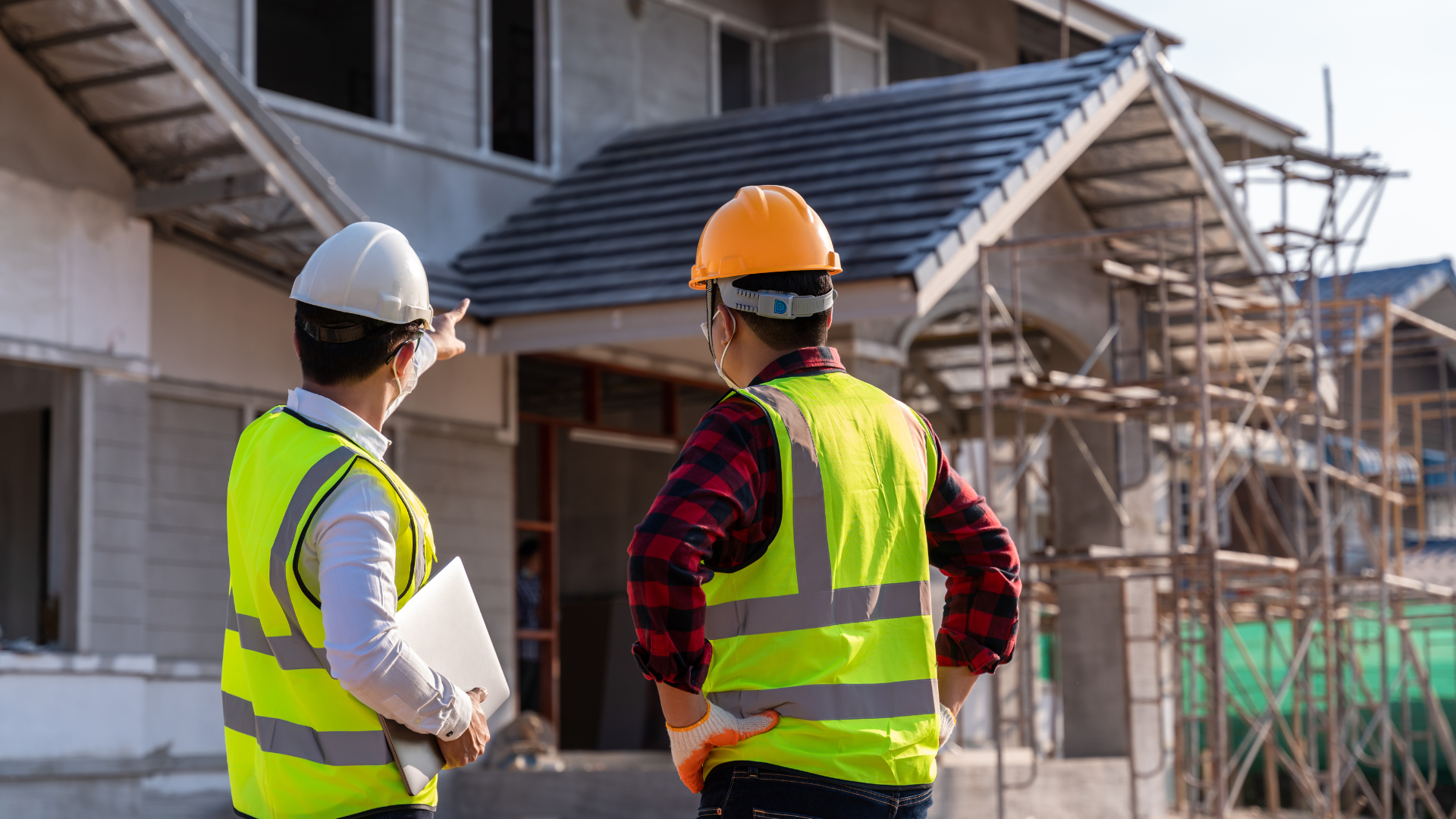

How to Prepare Your Home for Guests: Essential Tips for a Warm Welcome

Preparing a home for guests involves creating a welcoming atmosphere that blends comfort and functionality. A few simple steps can transform any space into an inviting retreat for visitors. From decluttering shared areas to ensuring adequate seating arrangements, thoughtful preparation makes a significant difference in the guest experience.

Attention to detail is essential in this process. She should ensure that the guest bathroom is stocked with essentials like towels and toiletries, as well as providing a few cozy touches such as decorative pillows or fresh flowers in common areas. This not only enhances the aesthetic appeal of the home but also conveys hospitality.

Lastly, planning meals ahead of time can streamline the hosting experience. They might consider accommodating dietary preferences and having snacks or beverages readily available. This level of care demonstrates genuine consideration for guests, making their stay enjoyable and memorable.

Getting Your Home Guest-Ready

Preparing a home for guests involves several key steps to ensure comfort and functionality. This includes organization, cleaning, and addressing any odors while maintaining a welcoming atmosphere.

Declutter and Organize Key Spaces

To begin, it is essential to declutter areas where guests will spend time, such as the living room, dining area, and bathroom. Start by removing unnecessary items from surfaces and furniture.

Here’s a quick list of tasks to consider:

  • Clear countertops and tables of personal items.
  • Organize bookshelves and entertainment areas.
  • Create space in closets for any belongings guests may bring.

Each space should invite relaxation, so eliminate distractions. If needed, use storage bins and baskets for miscellaneous items. This approach ensures that every room appears intentional and prepared for visitors.

Thorough Cleaning of Common Areas

Next, a thorough cleaning of common spaces is vital. Focus on high-traffic areas like the kitchen, living room, and bathrooms.

Prioritize the following tasks:

  • Dust surfaces: Make sure to use microfiber cloths to catch dust effectively.
  • Vacuum carpets: This step refreshes the room and removes allergens.
  • Mop floors: A clean floor enhances the overall appearance and hygiene.

Pay special attention to guest-accessible items, like throw pillows and blankets. Using chalk paint on furniture, if it needs a refresh, can also give a new life to worn surfaces. A clean and inviting environment contributes significantly to guests’ comfort.

Addressing Odors and Ventilation

Finally, addressing odors and ventilation is crucial to ensure pleasant air quality throughout the home. Start by opening windows to allow fresh air circulation, particularly if the area feels stuffy.

Consider these tips:

  • Use air purifiers: They can filter out unwanted smells and allergens.
  • Scented candles or essential oils: These create a welcoming aroma without being overpowering.
  • Regularly check for hidden sources of odors, like trash cans or refrigerator spills.

For the best results, maintain a consistent routine to keep odors at bay, especially in preparation for holiday guests. A well-ventilated space promotes comfort and relaxation, making it ideal for both short and long-term stays.

Preparing Comfortable Guest Rooms

Creating a welcoming environment in the guest room enhances the experience for overnight guests. Specific setups and thoughtful additions contribute to comfort and convenience, ensuring a pleasant stay.

Setting Up the Guest Bedroom

The guest bedroom should be clean and inviting. Fresh linens on the bed create a sense of comfort. A neatly made bed, combined with attractive pillows, enhances the aesthetic.

An alarm clock should be easily accessible, allowing guests to manage their time effortlessly. Consider adding a bedside table or shelf for personal items. Space for luggage, such as a luggage rack, will keep the room tidy. A controllable fan or heating option gives guests control over the room temperature. Ensure adequate lighting, both natural and artificial, to cater to various preferences.

Providing Extra Blankets and Pillows

Offering extra blankets and pillows is essential for guest comfort. Some guests may prefer more support or warmth during their stay. A variety of pillows—such as firm or soft options—can cater to individual preferences. A designated storage space for these items, like a decorative basket or a closet shelf, makes them easy to access. Guests will appreciate the thoughtfulness of having options at their disposal.

Thoughtful Additions for Overnight Guests

Small touches can significantly enhance a guest’s stay. A welcome letter detailing Wi-Fi passwords, nearby attractions, and contact information adds a personal touch.

Stocking the room with light snacks or bottled water can be delightfully unexpected. A small tray of treats or a selection of teas can enhance comfort. Additionally, providing a trash can ensures cleanliness. This small detail makes it easy for guests to manage waste without cluttering the space.

Ensuring Privacy and Security

Privacy is crucial for guest comfort. Window treatments should effectively block light and provide privacy, allowing guests to feel at home.

Beyond privacy, well-chosen window coverings also help control daylight and indoor temperature, useful when guests arrive at different times or prefer a darker sleeping environment. Consider fabrics that offer the right balance between blackout and light-filtering properties, and measure windows carefully to avoid gaps that let light through. .

Professional installers can also recommend materials that dampen outside noise and improve energy efficiency. For tailored solutions and professional installation, consult a local company specializing in Custom Shades to explore the available options.

Also, check locks on doors and windows to ensure security. Guests should feel safe and secure during their stay. Consider placing a small sign outside the door to indicate a guest’s presence. This simple addition can help minimize disturbances.

Creating a Welcoming Guest Bathroom

To create a welcoming guest bathroom, focus on providing clean amenities and easy access to necessities. Attention to detail makes a significant difference in your guests’ comfort and satisfaction.

Making Necessary Renovations

The guest bathroom should function smoothly and feel fresh for every visitor. Replace worn or outdated fixtures like faucets, showerheads, and cabinet handles, and repair or update flooring, grout, or countertops to prevent damage and maintain a polished appearance.

Additionally, subtle additions such as bespoke shower screens for modern homes can elevate the space, giving it a sleek, thoughtfully designed feel. Also, painting the bathroom in a neutral color can enhance the space and create a welcoming atmosphere.

When a minor refresh reveals opportunities for a more comprehensive update, it can be helpful to consult local specialists who understand both design and practical constraints. Experienced teams can recommend moisture-resistant finishes, lighting adjustments, and layout tweaks that preserve a calm, spa-like atmosphere while improving everyday usability.

For homeowners unsure where to begin, searching for bathroom remodelers near meoften highlights companies that prioritise tranquility, durability and sensible budgets. A short consultation will usually clarify which upgrades will deliver the most comfort and longevity for guest-ready bathrooms.

And, for comfort and safety, consider adding non-slip mats, grab bars, or a small step stool for accessibility. Choosing durable, easy-to-clean materials ensures the bathroom stays attractive and guest-ready over time, reducing the need for frequent maintenance.

Stocking Clean Towels and Toiletries

Providing fresh towels can enhance the guest experience. Stock three sets of towels per guest: a bath towel, a hand towel, and a washcloth. Consider opting for cotton or bamboo towels for softness and absorbency.

Include toiletries such as shampoo, conditioner, body wash, and soap. Miniature bottles may be more appealing, allowing guests to try different products. Place these items in a decorative basket or on a shelf for an organized look. Don’t forget essentials like a toothbrush and toothpaste. A small, unbranded option can show thoughtfulness without appearing overly personal.

Beyond the basic toiletries, the visual presentation of these items plays a significant role in establishing a high-end feel. Coordinating the containers and storage solutions can instantly elevate a standard vanity into a curated space. Investing in posh bathroom products like matching soap dispensers and elegant tissue boxes ensures a cohesive aesthetic that resonates with quality.

These small but impactful details demonstrate a commitment to excellence that guests will surely notice and appreciate. This level of refinement transforms a functional bathroom into a sophisticated sanctuary.

Ensuring Accessibility and Essentials

The guest bathroom should have easy access to essential items. Ensure that a functioning plunger is visible and within reach, potentially stored in a discreet bin. Additionally, provide toilet paper in an accessible location. Stock at least two extra rolls in a cabinet or decorative holder.

For comfort, consider placing a small stool for guests who may need assistance. Also, ensure proper lighting in the bathroom. Bright, neutral lighting can enhance visibility and create a welcoming atmosphere. Include a non-slip bath mat to prevent accidents and increase comfort when stepping out of the shower.

You may also choose to enhance the space by installing Bathroom Radiators Ireland or similar heating solutions elsewhere. These radiators help maintain a warm and cosy environment, making the space more pleasant and inviting for guests.

Maintaining Guest Bath Cleanliness

A clean bathroom is crucial for a positive guest experience. Regularly clean fixtures, mirrors, and surfaces to ensure they remain spotless. Consider using natural cleaners to minimize harsh chemicals. Scheduled deep cleaning before guests arrive can help maintain the space effectively. After each guest, perform light cleaning tasks, such as wiping down surfaces and restocking supplies.

Additionally, check for any unpleasant odors and ensure proper ventilation. Implementing these practices keeps the guest bath inviting and pleasant. A well-maintained atmosphere reflects care and consideration for guests.

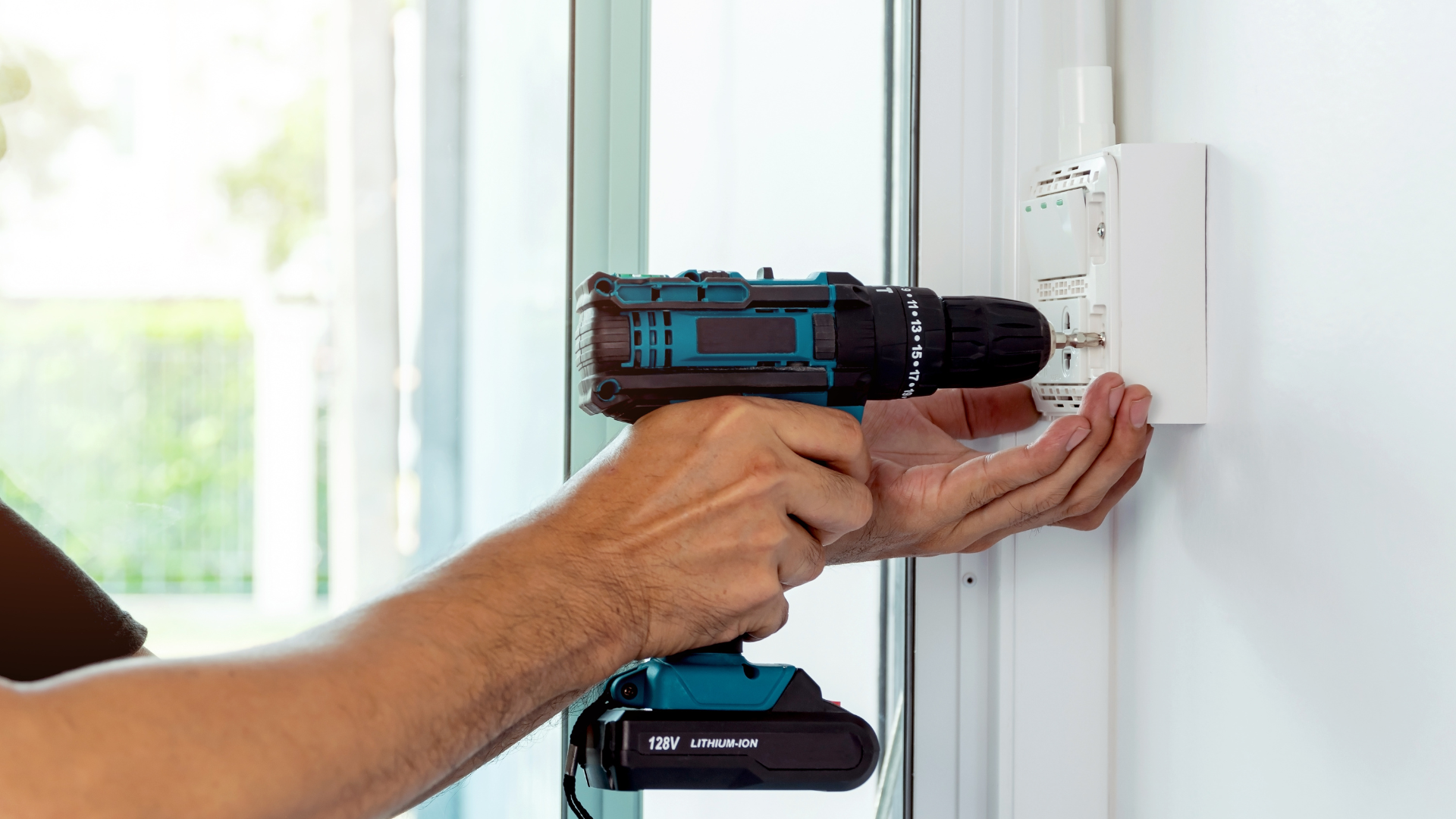
 

How to Sell Your Home for Cash: A Simple Guide to Quick Transactions

Selling your home can often feel daunting, but exploring the option to sell for cash offers a straightforward solution. Cash buyers can streamline the process, allowing you to avoid traditional hurdles such as lengthy mortgage approvals and inspections. This approach not only speeds up the transaction but also often results in a quicker closing, making it an attractive choice for you if you’re looking for a fast and hassle-free sale. With fewer steps involved, you can move on to your next chapter with ease and confidence.

When you opt for a cash offer, you can expect a simplified negotiation process. Cash buyers are typically investors or companies looking to purchase properties quickly, which often leads to offers that are less contingent on financing and more direct. Understanding the dynamics of this process allows you to make informed decisions throughout your selling journey, helping you navigate the process with confidence and clarity.

Ultimately, knowing how to effectively Sell your home for cash can maximize potential profits and minimize selling timelines. By focusing on creating an appealing property presentation and promoting the home to the right audience, you can unlock the advantages of a cash sale while minimizing the stress often associated with traditional home-selling methods.

Understanding Cash Offers

Cash offers are a popular option for homeowners looking to sell quickly and efficiently. A cash offer means that a buyer can purchase the home without needing mortgage approval, which can streamline the transaction.

What Is a Cash Offer

A cash offer refers to a proposal made by a buyer to purchase a property outright, using cash rather than financing through a mortgage. Cash buyers can include individuals, investors, or companies known as iBuyers.

Since there’s no need for bank approval, cash offers can lead to faster closings. This type of offer is advantageous in competitive markets where sellers may prefer quick, uncomplicated sales. Cash offers can also sometimes be lower than market value due to the reduced risk for the buyer.

Benefits of Selling for Cash

Selling a house for cash presents several benefits. First, completing a tampa home sale for cash often results in a faster sale. The absence of financing approvals means fewer delays during the transaction process. Next, sellers can save money on closing costs. Without mortgage-related fees, the overall expense of the sale decreases.

Cash offers typically come with fewer contingencies, resulting in a more straightforward negotiation process. Additionally, many Cash Home Buyers tend to buy houses in their current condition; this can mean that sellers don’t have to go through the hassles of getting maintenance or repairs done on their property.

Another advantage is the reduced risk of the deal falling through. Since cash buyers do not rely on financing, the probability of a sale collapsing due to loan approval issues is minimized.

How Cash Home Sales Work

When engaging in cash home sales, process understanding is vital. First, a home seller typically receives a cash offer after negotiations with buyers or investors. Once accepted, the seller and buyer proceed to draft a purchase agreement. This contract outlines terms, including price and closing dates.

Afterward, an inspection may occur, although it’s not always required. Cash buyers may purchase the home in its current condition, allowing sellers to avoid costly repairs. Closing occurs once all terms are satisfied. This stage often involves meeting at a title company, where the cash payment is transferred, and ownership is recorded. The entire transaction can close within a week, providing sellers with prompt access to funds.

Preparation and Valuation

Preparing a home for sale involves understanding its worth and ensuring it appeals to prospective buyers. This includes conducting a thorough valuation and making any necessary repairs or improvements.

Assessing Your Home’s Worth

To determine a home’s value, owners should start with a comparative market analysis (CMA). This involves researching similar properties in the neighborhood that have sold recently. Key factors to consider include:

  • Square footage
  • Location
  • Amenities
  • Condition

Establishing a fair market value helps set a competitive price. If no repairs are needed, buyers may pay a price closer to the property’s full market value. The 70% rule is also relevant for cash buyers; they often aim to pay about 70% of the market value minus repair costs. This can guide sellers in their pricing strategy.

Important Repairs and Improvements

Before listing a home, addressing necessary repairs can boost its market appeal. Common areas to focus on include:

  • Roofing and plumbing issues
  • Electrical system updates
  • Cosmetic improvements such as paint or flooring

Deciding what repairs to prioritize depends on their return on investment. Basic maintenance can increase buyer interest without over-investing. Sellers should also be cautious of over-improving, as this can negate profit margins. A cost-benefit analysis can aid in determining which repairs are worthwhile.

Staging Your Home for a Quick Sale

Staging enhances a home’s visual appeal, making it easier for buyers to envision their lives in the space. Effective staging tips include:

  • Decluttering to create an open feeling
  • Neutralizing decor to appeal to a wider audience
  • Highlighting key features with furniture placement

Professional staging can be beneficial, but simple DIY changes often work well. Emphasizing natural light and creating an inviting atmosphere can significantly impact buyers’ perceptions. A well-staged home can sell faster and closer to the asking price, making the preparation period crucial.

Navigating the Selling Process

Selling a home for cash involves several important steps. Knowing the right cash buyer and understanding the closing process can significantly impact the experience. It is essential to avoid common pitfalls along the way.

Choosing the Right Cash Buyer

Selecting an appropriate cash buyer is crucial. Cash buyers can include individual investors, house flippers, real estate companies, or investment groups. Each has different motivations and offers.

Key Factors to Consider:

  • Reputation: Look for buyers with positive reviews and a track record of successful transactions.
  • Cash Availability: Confirm they have sufficient funds to complete the purchase without financing.
  • Inspection Contingency: Ensure buyers are willing to bypass or limit inspection requests to streamline the process.

Connecting with multiple cash buyers can provide options and leverage in negotiations. He or she should also be wary of buyers who offer significantly lower prices without justification.

Understanding the Closing Process

The closing process for a cash sale typically involves fewer complexities than traditional sales. Once both parties agree on the price, the following steps occur:

  • Escrow Setup: A neutral escrow company manages the transaction, holding funds until closing.
  • Title Search: Conducted to ensure the seller has a clear title for the property, free of liens.
  • Closing Documents: Both parties must review and sign necessary documents, including the purchase agreement and any disclosures.

The closing date is typically agreed upon during negotiations. He or she should aim for a closing timeline that suits their needs while allowing adequate time for the buyer to conduct due diligence.

Avoiding Common Pitfalls

Awareness of potential pitfalls can lead to a smoother transaction. Sellers should take precautions to avoid issues like:

  • Underestimating Closing Costs: These can include title insurance, transfer taxes, and escrow fees. Knowing these costs in advance helps in budgeting.
  • Neglecting Repairs or Appraisals: Some cash buyers may skip inspections, but neglecting necessary repairs may reduce the sale price or cause complications later.
  • Forgetting to Clear Title issues: Issues related to the property title can delay or derail the closing process. Engaging a title company early can help address any concerns.

By actively managing these aspects, sellers can facilitate a more successful cash sale.

Finalizing the Deal

Successfully finalizing a cash sale involves a few critical steps to ensure a smooth transaction. Key actions include conducting a title search, verifying proof of funds, and signing the final documents. Each of these steps is essential for both the seller’s peace of mind and the efficiency of the closing process.

Completing a Title Search

A title search is crucial when finalizing a home sale. This process verifies ownership and checks for any liens or claims against the property. It is essential to ensure that there are no legal issues that could hinder the transaction.

Sellers typically engage a title company or real estate attorney to conduct this search. They will provide a report detailing any outstanding obligations related to the property. Addressing these issues may be necessary before proceeding to close.

Ensuring a clear title can prevent future disputes and ensure a smooth transfer of ownership to the buyer. This step helps sellers protect their interests and can speed up the process if any issues arise early.

Verifying Proof of Funds

Verification of proof of funds is a vital part of finalizing a cash sale. Buyers must demonstrate their financial capability to complete the purchase without financing. This verification helps sellers avoid delays by confirming the buyer’s ability to perform.

Typically, proof can be shown through a bank statement or a letter from a financial institution. Sellers should request this documentation early in the negotiation process to avoid any potential inconvenience.

A cash buyer often has a competitive edge, particularly in a seller’s market. Establishing proof of funds adds confidence and reassures the seller that the buyer can complete the transaction without complications.

Signing the Final Documents

Once the title search and proof of funds are confirmed, it’s time for the final document signing. This process typically includes the purchase agreement, any disclosures, and the deed transfer. A notary may be present to verify identities and signatures during this step.

Sellers should carefully review all documents to ensure accuracy before signing. Attention to detail is necessary to avoid errors that could cause delays. Once signed, copies of the documents should be distributed to all parties involved.

The final step is often the transfer of funds, concluding the sale. A cash sale allows for faster closing, typically within a matter of days, providing both parties with a simplified and efficient transaction experience.


The Benefits of Regular Handyman Services for Property Management

Managing a property can sometimes feel like juggling-there are always multiple things up in the air. Whether you’re handling a cozy rental home or a bustling commercial space, keeping everything in perfect working order is a never-ending task. Enter the handyman! These versatile professionals can tackle everything from minor repairs to major fixes, ensuring that your property remains in top-notch condition.

Why a Handyman is Your Go-To Person

Think of a handyman in Thornton, CO as your property’s personal superhero. They have a wide range of skills that can cover almost any repair or maintenance job you can think of. Need a light fixture replaced? They’ve got it. A leaky faucet? No problem. Painting a wall? Easy. This versatility is incredibly valuable, especially when unexpected issues pop up-because, let’s be real, they always do!

Saving Time and Money

One of the biggest perks of having a handyman on speed dial is the cost savings. Instead of hiring different specialists for various small tasks, a handyman can handle multiple issues in one go. This not only saves you money but also frees up your time. Plus, regular maintenance by a handyman can prevent minor issues from becoming major, expensive headaches down the line.

  • Quick Fixes – Tackling small repairs before they escalate.
  • Preventative Care – Regular check-ups to keep everything in tip-top shape.
  • One-Stop Shop – A single visit can cover multiple minor repairs.

Titan Air

Boosting Property Value

A well-maintained property not only looks good but also retains or even increases in value. Regular handyman services ensure that everything is in working order, from the plumbing and electrical systems to the aesthetics like paint and landscaping. By reaching out to a reliable plumber, an electrician North Orlando, FL (or elsewhere), and other service providers, you can ensure that the functioning as well the appearance of the property is top notch. This can be particularly important if you’re looking to sell or rent out your property. Potential buyers and tenants are more likely to be attracted to a place that’s been well cared for.

Keeping Tenants Happy

If you manage rental properties, you know that tenant satisfaction is crucial. Happy tenants are more likely to renew their leases, and they might even recommend your property to others. Quick and efficient responses to maintenance requests can make a huge difference. A handyman can handle common tenant issues like broken appliances, minor plumbing problems, and general wear and tear, keeping everyone content.

Common Tenant Issues a Handyman Can Solve

  1. Leaky Faucets – A small drip can be annoying and waste water.
  2. Faulty Light Fixtures – Nobody likes living in the dark.
  3. Squeaky Doors – A little lubrication can go a long way.

Convenience at Your Fingertips

There’s a comforting sense of security in knowing that you have a reliable handyman to call when something goes wrong. Whether it’s an emergency repair or a scheduled maintenance check, having a go-to person simplifies your life. This is especially helpful for those managing multiple properties or busy commercial spaces where downtime can be costly. It is important to keep in mind that whilst handymen are great for every day needs, the big jobs will have to go to the professionals who do these full time. For instance, if your commercial roof is showing signs of wear and tear then you will want to protect your business investment from weather damage with expert roofers.

Long-Term Protection for Your Investment

Your property is a significant investment, and regular maintenance is key to protecting that investment. By keeping everything in good repair, you can avoid costly renovations or replacements in the future. A well-maintained property is also more attractive to tenants and buyers, making it easier to keep occupancy rates high or sell at a good price.

Setting Up a Maintenance Schedule

Creating a maintenance schedule with your handyman can be a game-changer. This schedule can include everything from regular inspections to seasonal maintenance tasks. Not only does this ensure that your property stays in great shape, but it also helps you budget for repairs and upgrades throughout the year. Keep in mind, that in some cases when it comes to commercial services, your handyman may not be the best choice. For instance, running a restaurant, you can call in your handyman for the odd job, but something larger like a HVAC system repair, this will need to go to the experts. You can visit site Green Tex Cooler Solutions to learn more about this process.

Sample Maintenance Schedule

  • Monthly Tasks – Checking smoke detectors, testing alarms, and inspecting plumbing.
  • Seasonal Tasks – Cleaning gutters, servicing HVAC systems, and inspecting the roof.
  • Annual Tasks – Deep cleaning carpets, painting touch-ups, and major appliance check-ups.

Going Green: Eco-Friendly Upgrades

A handyman can also help make your property more eco-friendly. From installing energy-efficient lighting to fixing leaks that waste water, these small changes can have a big impact on both the environment and your utility bills. It’s a win-win situation that also appeals to environmentally conscious tenants or buyers.

Building a Relationship of Trust

Over time, a good handyman becomes more than just a service provider; they become a trusted partner in maintaining your property. They get to know the ins and outs of your space and can offer valuable advice on improvements or potential issues to watch out for. This kind of relationship can be incredibly valuable, providing peace of mind and ensuring that your property remains in excellent condition.

The Bottom Line

Regular handyman services are an invaluable resource for any property manager. They offer a cost-effective, convenient way to keep your property in excellent condition, which can boost property value, keep tenants happy, and protect your investment. Whether it’s fixing a leaky faucet or tackling a more significant repair, having a skilled handyman on your team is a smart move that pays off in the long run.

Top Cornice and Coving Trends for Modern Homes

Modern homes are all about blending style with functionality, and there’s no better way to achieve that than with the right architectural details. Cornices and coving, often overlooked, can transform a space, adding elegance and a touch of sophistication.

Let’s explore the top cornice and coving trends for modern homes.


The Return of Minimalism

Minimalism has made a significant comeback in recent years. Clean lines, simple designs, and a less-is-more philosophy dominate the scene. For cornices and coving, this translates into sleek, unadorned mouldings that seamlessly blend into the ceiling and walls. The focus is on creating a seamless transition that enhances the architectural integrity of the space without overwhelming it. Check out cornice and coving by Keaneys for some ideas, inspiration, and a company who can bring your vision to life.

Key Features:

  • Straight Lines – No intricate patterns, just pure, clean edges.
  • Subtle Profiles – Slim, understated mouldings that add depth without drawing too much attention.
  • Neutral Colours – Whites, off-whites, and subtle greys are popular, keeping in line with the minimalist aesthetic.

Bold Statements with Geometric Patterns

For those who love to make a statement, geometric patterns are the way to go. These designs can add a contemporary twist to any room, creating visual interest and a unique focal point. Geometric coving and cornices often feature repeating shapes like hexagons, triangles, and squares.

Why Geometric Patterns Work:

  • Modern Appeal – Adds a trendy, up-to-date look.
  • Versatility – Works with various decor styles, from industrial to Scandinavian.
  • Dynamic Visuals – Creates a striking visual effect that can enhance both small and large spaces.

Embracing the Classic with a Twist

Traditional designs never really go out of style; they just evolve. Modern homes are now incorporating classic cornice and coving designs but with a contemporary twist. Think ornate patterns but with a slightly modern edge – maybe a simpler palette or a slightly altered shape.

Classic with a Twist Elements:

  • Updated Motifs – Traditional floral or acanthus leaf designs with a modern interpretation.
  • Mixing Materials – Combining traditional plaster with modern materials like wood or metal.
  • Colour Play – Using bold colours on classic designs to create a striking contrast.

Eco-Friendly and Sustainable Choices

Sustainability is a growing trend in home design, and cornices and coving are no exception. Homeowners are increasingly opting for eco-friendly materials that are both stylish and environmentally responsible.

Sustainable Materials Include:

  • Recycled Plaster – Made from reclaimed materials, reducing the environmental footprint.
  • Bamboo – A fast-growing, renewable resource that’s perfect for coving.
  • Reclaimed Wood – Adds character and a story to your home’s architectural details.

Integrated Lighting

Combining lighting with cornices and coving is a brilliant way to add both style and functionality to your space. Integrated lighting can create a soft, ambient glow that enhances the room’s atmosphere. It’s perfect for creating a cosy, inviting feel.

Benefits of Integrated Lighting:

  • Enhanced Ambience – Soft lighting that creates a warm, inviting atmosphere.
  • Space-Saving – Eliminates the need for additional light fixtures.
  • Highlighting Features – Perfect for highlighting architectural features or artwork.

Customisation and Personalisation

Every home is unique, and more homeowners are looking to customise their cornices and coving to reflect their personal style. Custom designs allow for a unique touch that standard options can’t provide. Whether it’s a unique pattern, a specific material, or a custom colour, personalisation is key.

Customisation Ideas:

  • Bespoke Designs – Create your unique pattern or motif.
  • Tailored Colours – Match your coving and cornices to your interior palette.
  • Unique Materials – Mix different materials to create a one-of-a-kind look.

Combining Old and New

One of the most exciting trends is blending old and new elements. This trend allows for a unique aesthetic that combines the charm of traditional design with the clean lines of modern style. It’s about creating a dialogue between the past and the present.

How to Combine Old and New:

  • Juxtaposition – Place modern coving in a room with antique furniture.
  • Colour Contrast – Use traditional cornices in a modern colour.
  • Material Mix – Combine classic plaster with contemporary materials like glass or metal.

Incorporating Technology

In our digital age, even architectural details can benefit from technology. Smart home integration is extending to cornices and coving, with features like built-in speakers and smart lighting systems.

Tech-Savvy Features:

  • Smart Lighting – Control the mood of your room with your smartphone.
  • Built-In Speakers – Perfect for seamless audio experiences.
  • Hidden Wiring – Keep your tech hidden for a clean, uncluttered look.

Finishing Touches: Paint and Texture

Finally, the finishing touches can make all the difference. Textured finishes and unique paint techniques are trending, adding depth and interest to your cornices and coving. From metallic finishes to hand-painted designs, the possibilities are endless.

Popular Finishing Techniques:

  • Metallic Paints – Adds a touch of glamour and sophistication.
  • Textured Finishes – Creates a tactile, visually interesting surface.
  • Hand-Painted Designs – Offers a personalised, artisanal touch.

Bringing It All Together

Choosing the right cornice and coving for your modern home is about understanding your style and the overall feel you want to achieve. Whether you prefer minimalist designs, bold geometric patterns, or a blend of classic and modern, there’s something out there for everyone. Don’t be afraid to experiment and make your home uniquely yours.

Reinvent Your Home: The Benefits of Remodeling Your Basement

Have you ever wandered into your basement and thought, “This space could be so much more”? If so, you’re not alone. Basements are often the most underutilized areas in our homes, relegated to storage for old furniture, boxes of holiday decorations, and the occasional spider. But what if we told you that your basement holds the key to a plethora of opportunities? Remodeling your basement is a fantastic way to reinvent your home, add value, and create a space that everyone in the family can enjoy. Let’s dive into the benefits of basement remodeling Denver.

Unleash Hidden Potential

More Living Space

One of the most significant benefits of remodeling your basement is the addition of extra living space. Whether your family is growing, you need a home office, or you simply want more room to entertain guests, a finished basement can provide the perfect solution. Imagine having a cozy family room, a stylish game area, or even a private guest suite right below your feet. The possibilities are endless.

Increase Home Value

A well-finished basement can significantly boost the value of your home. Potential buyers often see a finished basement as a bonus, offering more living space without the need for an extension. This can be a major selling point if you ever decide to put your house on the market. In fact, according to some real estate experts, you can expect to recoup around 70% of your investment in a basement remodel when you sell your home.

Enhance Functionality

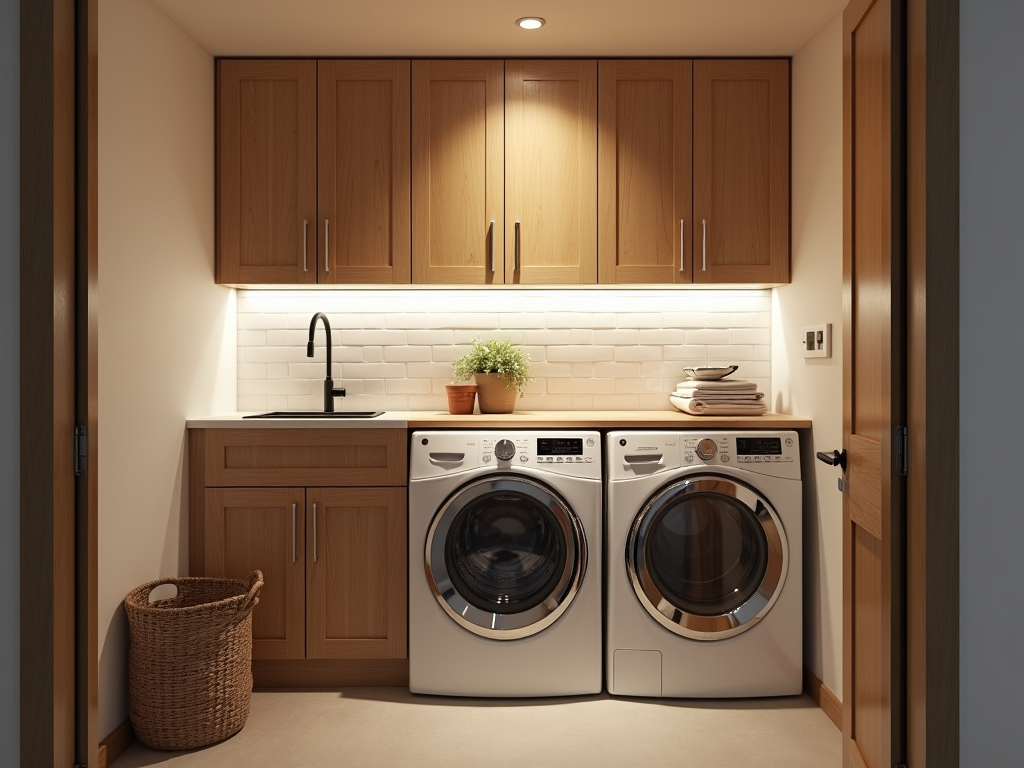
Remodeling your basement can also make your home more functional. From creating dedicated spaces for laundry, storage, or hobbies to installing a second bathroom or kitchenette, you can design the basement to meet your specific needs.

stylish laundry room cabinets

Personalize Your Space


Customization Galore

One of the best parts about remodeling your basement is the ability to customize it to your heart’s content. Unlike other rooms in your house that might already have designated purposes, the basement is a blank canvas. Do you dream of a home theater? Or perhaps a fitness center to keep up with your workout routine? Maybe a craft room where you can unleash your creativity? The basement can be transformed into whatever your heart desires.

Create a Personal Sanctuary

In our busy lives, having a place to unwind is essential. A remodeled basement can serve as your personal sanctuary, away from the hustle and bustle of the main living areas. Think about a serene yoga studio, a tranquil reading nook, or even a music room where you can jam without disturbing the rest of the household.

Improve Energy Efficiency

Better Insulation

Basements are notorious for being chilly and damp. However, during a remodel, you can address these issues by installing proper insulation. This not only makes the basement more comfortable but can also improve the overall energy efficiency of your home.

Modern HVAC Systems

Updating the HVAC system during a basement remodel can also contribute to better energy efficiency. Modern systems are designed to be more energy-efficient and can be integrated seamlessly into your home, providing consistent heating and cooling throughout all levels.

finished basement

Practical Tips for Remodeling Your Basement


Plan Ahead

Before you start knocking down walls and picking out paint colors, take the time to plan your remodel thoroughly. Consider how you want to use the space, what features are most important to you, and your budget. A well-thought-out plan can help you avoid costly mistakes and ensure that the result meets your expectations.

Hire Professionals

While DIY projects can be fun and cost-effective, remodeling a basement is a major undertaking that often requires professional expertise. From plumbing and electrical work to structural modifications, hiring reputable local basement contractors typically ensures the job is done safely and up to code. In addition to these benefits, a well-executed basement remodel can provide additional living space, increase home value, and enhance overall functionality.

Think About Lighting

Basements typically have limited natural light, so incorporating adequate lighting is crucial. A combination of overhead lights, wall sconces, and floor lamps can brighten up the space and make it feel more inviting. Consider using light colors for walls and ceilings to enhance the brightness even further.

Address Moisture Issues

Basements are prone to moisture problems, which can lead to mold and mildew if not properly addressed. Before starting your remodel, check for any signs of water damage and take steps to waterproof the area. Installing a sump pump, sealing cracks, and using moisture-resistant materials can help keep your basement dry and healthy.

Keep Pests Out

An often-overlooked aspect of basement remodeling is pest prevention. Dark, damp areas can attract unwanted visitors like rodents and insects, which can cause damage and create an unhealthy environment. Before finishing your space, inspect for any cracks or gaps where pests could enter and seal them properly. If cockroaches are a concern, especially waterbugs, consider a Local waterbug cockroach treatment to prevent infestations and keep your basement pest-free.

Ideas for Your Basement Remodel

Home Office

In the era of remote work, having a dedicated home office is a must. A basement office can offer the privacy and quiet you need to stay productive.

Guest Suite

Welcome guests with a cozy and comfortable suite. A bedroom, bathroom, and small kitchenette can make them feel right at home.

Fitness Center

Bring the gym to you by setting up a fitness center in your basement. With workout equipment, mats, and mirrors, you can stay fit without leaving the house.

Conclusion

So, roll up your sleeves and get ready to reinvent your home from the ground up!

Designing with Light: Enhancing Your Home

Creating a warm, inviting atmosphere in your home involves more than just picking out the right furniture or paint colors. One often overlooked element that can transform the ambiance of any space is lighting.


Understanding the Importance of Lighting

Proper lighting can:

  • Set the Mood: Different types of lighting can evoke various emotions and create different atmospheres within a space.
  • Highlight Features: Well-placed lighting can draw attention to architectural details, artwork, or other focal points in a room.
  • Enhance Functionality: Effective lighting design ensures that each area of your home is adequately illuminated for its intended use.
  • Boost Aesthetic Appeal: Thoughtfully chosen lighting fixtures can add style and character to your home decor.

Maximizing Natural Light

Natural light is a valuable asset in any home, providing warmth and vitality while reducing the need for artificial lighting during the day. Here’s how you can make the most of natural light:


1. Optimize Window Placement:

Position furniture and other obstacles away from windows to allow light to penetrate freely into the room.


2. Choose Light-Colored Window Treatments:

Opt for sheer curtains or blinds that allow sunlight to filter through while still providing privacy.


3. Install Skylights or Sun Tunnels:

These features can bring natural light into areas of your home that may be lacking in windows, such as bathrooms or hallways.


4. Consider a Louvered Roof:

A louvered roof is a versatile outdoor structure that can be adjusted to control the amount of sunlight entering your home. With adjustable louvers, you can regulate sunlight and airflow, creating the perfect balance of shade and brightness.


Layering Lighting for Ambiance

In addition to natural light, it’s essential to incorporate artificial lighting sources to create depth and ambiance within your home. Here are some layering techniques to consider:


1. Ambient Lighting:

This is the primary source of light in a room and should provide overall illumination. Options include recessed ceiling lights, track lighting, or pendant fixtures.


2. Task Lighting:

Task lighting is focused on specific areas where activities such as reading, cooking, or working take place. Examples include desk lamps, under-cabinet lighting in the kitchen, or vanity lights in the bathroom.


3. Accent Lighting:

Accent lighting highlights architectural features, artwork, or decorative elements. This can be achieved with track lighting, wall sconces, or picture lights.


4. Mood Lighting:

Mood lighting adds ambiance and can be adjusted to suit different occasions or moods. Dimmer switches, candles, or decorative lamps with soft, diffused light are excellent options.


Choosing the Right Fixtures

The type of lighting fixtures you choose can make a significant difference in the overall look and feel of your home. Consider the following factors when selecting fixtures:

  • Style: Choose fixtures that complement your home’s decor and architectural style.
  • Size: Ensure that fixtures are appropriately sized for the space they will occupy.
  • Brightness: Select bulbs with the appropriate wattage for the desired level of illumination.
  • Energy Efficiency: Opt for LED or CFL bulbs to save energy and reduce utility costs.

Incorporating Smart Lighting Technology

Harnessing the power of technology can enhance the functionality and convenience of your lighting system. Smart lighting options allow you to:

  • Control Lighting Remotely: Adjust brightness, color, and timing using smartphone apps or voice commands.
  • Set Customized Scenes: Create preset lighting scenes for different activities or times of day.
  • Monitor Energy Usage: Track energy consumption and optimize lighting settings to save money and reduce environmental impact.

Conclusion

By embracing natural light, layering different lighting elements, carefully selecting fixtures, and embracing innovative smart technology, you can craft a lighting setup that not only enhances the atmosphere but also resonates with your individual lifestyle and preferences.


Frequently Asked Questions (FAQ)

What are some common mistakes to avoid when designing with light? Steering clear of some typical pitfalls can make all the difference in your lighting design. Be sure not to overlook the beauty of natural light, avoid harsh or insufficient lighting options, and always consider the specific activities and needs of each room. Striking the right balance between practicality and atmosphere is key, all while keeping energy efficiency and personal taste in mind.

How can I create a cohesive lighting design throughout my home? Crafting a unified lighting design is akin to painting a masterpiece – it requires careful consideration and attention to detail. Take into account the flow and function of your space, ensuring a harmonious relationship between different areas. Aim for a mix of ambient, task, accent, and mood lighting, maintaining consistency in style and color temperature throughout. Don’t be afraid to experiment with different techniques and fixtures to achieve the desired ambiance in every corner of your home.

Top Home Improvements To Consider In 2024

From creating your own backyard oasis to embracing sustainable upgrades, let’s dive into the top home improvements to consider in 2024, with a refreshing twist on our number one choice – the pool!


1. Dive Into Luxury: Installing a Pool

Picture this: lazy summer days spent lounging by your very own pool, sipping on ice-cold lemonade while soaking up the sun’s rays. Sounds enticing, doesn’t it? A pool from the likes of Pinnacle Pools & Spas isn’t just a home improvement; it’s a lifestyle upgrade. It provides a space for relaxation, exercise, and entertainment, all in the comfort of your own backyard.

Benefits of Installing a Pool:

  • Increased Property Value: A well-maintained pool can significantly enhance the value of your home, making it a desirable asset for potential buyers.
  • Health and Wellness: Swimming is not only a fun activity but also a great form of exercise. Having a pool at home encourages regular physical activity and promotes overall health and well-being.
  • Entertainment Hub: Hosting summer parties or family gatherings becomes a breeze with a pool as the focal point. It’s the perfect setting for creating lasting memories with loved ones.

Considerations Before Installing a Pool:

  • Budget: While the allure of a pool is undeniable, it’s essential to consider the initial installation costs, as well as ongoing maintenance expenses.
  • Space: Evaluate the size and layout of your backyard to determine the most suitable location for the pool. Consider factors such as sunlight exposure, landscaping, and proximity to existing structures.
  • Regulations: Check local regulations and obtain any necessary permits before proceeding with the installation. Compliance with safety standards and zoning laws is crucial for a hassle-free experience.

2. Embrace Eco-Friendly Upgrades: Solar Panels and Energy-Efficient Appliances

In an era of heightened environmental awareness, eco-friendly home improvements have become increasingly popular. Not only do they reduce your carbon footprint, but they also contribute to long-term cost savings on utility bills. Consider incorporating solar panels to harness renewable energy or upgrading to energy-efficient appliances for enhanced sustainability.

Benefits of Eco-Friendly Upgrades:

  • Lower Energy Costs: Solar panels harness the power of the sun to generate electricity, reducing reliance on traditional energy sources and lowering utility bills.
  • Environmental Impact: By reducing energy consumption and reliance on non-renewable resources, eco-friendly upgrades help mitigate environmental degradation and combat climate change.
  • Long-Term Savings: While the initial investment may seem significant, the long-term savings associated with lower utility bills and potential tax incentives make eco-friendly upgrades a financially prudent choice.

3. Create Outdoor Living Spaces: Decking, Patio, and Garden Enhancements

Transform your outdoor space into a tranquil retreat with the addition of decking, a patio, or lush garden enhancements. Outdoor living areas provide a seamless extension of your indoor space, allowing you to enjoy nature and fresh air without sacrificing comfort and convenience. When it comes to designing your patio area, you can either leave it open or opt for an enclosure. If the latter sounds more your scene, then you will want to take a look at a business that provides patio enclosures in Greenville, or wherever you live, so that you can get the design of your dreams.

Ideas for Outdoor Living Spaces:

  • Decking: Whether it’s a cozy wooden deck or a sleek composite alternative, decking adds visual appeal and functional space for outdoor dining, relaxation, and entertainment.
  • Patio: Create a welcoming patio area with comfortable seating, decorative lighting, and vibrant potted plants. It’s the perfect spot for al fresco meals or evening gatherings with friends and family.
  • Garden Enhancements: Elevate your garden with lush landscaping, vibrant flowers, and tranquil water features. Incorporate pathways, seating areas, and decorative elements to enhance the overall aesthetic appeal. To further maintain this beauty, consider hiring timely inspections such as water line checkups, tap replacements or Trenchless Sewer Repair for any necessary underground work. This step can minimize disruption, allowing you to preserve your garden’s design while ensuring your sewer lines are in top condition.

4. Smart Home Integration: Voice-Activated Devices and Home Automation

Welcome to the era of smart homes, where convenience and connectivity reign supreme. Embrace the latest technology trends by integrating voice-activated devices and home automation systems into your living space. From controlling lighting and temperature to managing security cameras and entertainment systems, the possibilities are endless.

Advantages of Smart Home Integration:

  • Convenience: Streamline daily tasks and routines with voice-activated commands and automated schedules. From adjusting thermostat settings to ordering groceries, smart home technology puts control at your fingertips.
  • Energy Efficiency: Optimize energy usage and reduce utility costs by monitoring and controlling appliances, lighting, and heating/cooling systems remotely.
  • Enhanced Security: Stay connected and informed with real-time alerts and surveillance capabilities. Smart home devices offer peace of mind by providing comprehensive security solutions for your property.

5. Revitalize Your Kitchen and Bathrooms: Modern Fixtures and Stylish Upgrades

The kitchen and bathrooms are often considered the heart of the home, serving as focal points for daily activities and social gatherings. Give these spaces a fresh new look with modern fixtures, stylish upgrades, and functional enhancements.

Tips for Kitchen and Bathroom Renovations:

  • Upgrade Appliances: Invest in energy-efficient appliances and smart technology to streamline cooking and cleaning tasks in the kitchen. Consider sleek design elements and high-quality materials for a contemporary aesthetic.
  • Enhance Storage: Maximize space and organization with custom cabinetry, built-in shelving, and innovative storage solutions. Keep countertops clutter-free for a clean and functional workspace.
  • Luxurious Touches: Elevate the ambiance of your bathrooms with spa-like features such as rainfall showers, freestanding tubs, and premium fixtures. Incorporate stylish tiles, lighting, and accessories for a cohesive and inviting atmosphere.

No matter which kitchen or bathroom renovations you decide to undertake, remember to engage the help of a reputable bathroom contractor to ensure that the work is completed to the highest standard. Additionally, if you do end up committing to a radical renovation plan, be sure to search for the best construction dumpster rental in your area so that your property remains tidy throughout any ongoing building works. This way, once the renovations are complete, you can enjoy your newly remodeled spaces as soon as possible.

6. Focus on Curb Appeal: Landscaping and Exterior Upgrades

First impressions matter, and the exterior of your home sets the stage for what’s inside. Enhance curb appeal by investing in landscaping and exterior upgrades that create a welcoming and visually appealing facade.

Tips for Enhancing Curb Appeal:

  • Lush Landscaping: Plant vibrant flowers, shrubs, and trees to add color and texture to your outdoor space. Incorporate mulch, rocks, and decorative elements for added visual interest.
  • Exterior Upgrades: Upgrade your home’s exterior with fresh paint, new siding, or updated roofing. Revitalize your dull yard with the help of a company offering softwash house washing services to return your siding, decks, and pavers to their former glory. Enhance architectural features with decorative accents and lighting fixtures for added curb appeal.

Conclusion

Whether you’re dreaming of a backyard pool oasis, embracing eco-friendly upgrades, or incorporating smart home technology, the possibilities are endless in 2024. So why wait? Start envisioning your dream home today and make it a reality this year!

Emergency Plumbing Services: When to Call a 24/7 Plumber

Let’s talk about something we all hope we never have to deal with but inevitably might: plumbing emergencies. You know, those moments when water starts gushing out of nowhere, or your toilet decides to stage a rebellion right in the middle of the night. It’s every homeowner’s nightmare, but fear not! In this guide, we’ll discuss everything you need to know about emergency plumbing services and when it’s time to dial up that 24/7 plumber. Keep in mind that if there is any damage after a plumber has come and sorted the issue, you may need to call a service like Protegrity Restoration to come in and assess the aftermath so you can get the proper support.

Understanding Plumbing Emergencies

First things first, what exactly constitutes a plumbing emergency? Well, if it’s a situation that can’t wait until the next business day or until your regular plumber is available, then it’s probably an emergency. Think burst pipes, overflowing toilets, or sudden water leaks that could cause serious damage to your home if left unchecked. In such cases, it’s essential to contact a professional service, such as the one available at https://callmilestone.com/, to ensure the issue is addressed promptly and efficiently.

Signs You Need Emergency Plumbing Services

Now, let’s delve into the nitty-gritty of when to call in the cavalry, aka the 24/7 plumber. Here are some signs that you might be facing a plumbing emergency:

  1. Flooding: If water is pooling up in your home and threatening to turn your living room into an indoor swimming pool, it’s time to pick up that phone and contact a plumber in Belrose.
  2. No Hot Water: Sure, cold showers can be invigorating, but not when it’s due to a malfunctioning water heater. A lack of hot water, especially in colder months, is definitely a plumbing emergency.
  3. Sewage Backup: If sewage is backing up into your sinks, showers, or toilets, it’s not just gross – it’s a health hazard. This calls for emergency plumbing services pronto.
  4. Burst Pipes: This is every homeowner’s worst nightmare. If you hear the sound of rushing water or notice water stains on your walls or ceiling, don’t wait to take action. Reach out for help immediately by getting in touch with Drainage Services from Express Drainage Solutions, or a similar company. They can quickly address the issue and help to prevent any further damage.
  5. Gas Leaks: Gas leaks are extremely dangerous and require immediate attention. If you smell gas or suspect a leak, evacuate your home and call both your gas company and a plumber.

What to Expect from Emergency Plumbing Services

So, you’ve decided to bite the bullet and call a 24/7 plumber. What can you expect once help arrives? Here’s a quick rundown:

  1. Prompt Response: Emergency plumbers understand the urgency of the situation and will typically arrive at your doorstep in no time.
  2. Assessment: The plumber will assess the situation and determine the best course of action to mitigate the damage and restore your plumbing system to working order.
  3. Repairs: Once the plumber has identified the problem, they’ll get to work on fixing it. This might involve repairing or replacing damaged pipes, unclogging drains, or addressing any other issues causing the emergency.
  4. Preventive Measures: In addition to addressing the immediate problem, a good plumber will also provide recommendations for preventing future emergencies. This might include regular maintenance, installing flood sensors, or upgrading outdated plumbing fixtures.


DIY vs. Calling a Pro

Now, I know we all like to fancy ourselves as handypersons, but when it comes to plumbing emergencies, it’s usually best to leave it to the professionals. Sure, you can try to stem the tide with a bucket or turn off the water main, but for anything beyond that, it’s time to call in reinforcements. If you’re in need of an emergency plumber, then search for ’emergency Plumber Rancho Santa Fe‘ (or elsewhere relevant) and read through the most highly reviewed results.

 
Preventing Plumbing Emergencies

Of course, the best way to deal with plumbing emergencies is to prevent them from happening in the first place. Here are some tips to keep your plumbing system running smoothly:

  • Regular Maintenance: Schedule annual inspections with a qualified plumber to catch any potential issues before they escalate into emergencies.
  • Watch What You Flush: Avoid flushing anything other than toilet paper down the toilet, and be mindful of what goes down the kitchen sink drain to prevent clogs.
  • Protect Your Pipes: Insulate exposed pipes during colder months to prevent freezing and bursting.
  • Know Your Water Main: Familiarize yourself with the location of your water main and how to shut it off in case of emergencies.


FAQs About Emergency Plumbing Services

Q: Are emergency plumbing services more expensive? A: While emergency plumbing services may cost more than scheduled appointments, the cost of water damage from a plumbing emergency far outweighs the price of calling in a pro.

Q: Can I wait until regular business hours to call a plumber? A: It’s best to err on the side of caution and call for emergency plumbing services if you’re facing a situation that could cause significant damage to your home if left untreated.

Q: How can I find a reliable 24/7 plumber? A: Ask for recommendations from friends or family, read online reviews, and make sure the plumber is licensed and insured before hiring them.

In Conclusion

Nobody wants to deal with a plumbing emergency, but knowing when to call a 24/7 plumber can save you time, money, and a whole lot of stress. Remember, when in doubt, don’t hesitate to pick up that phone and dial for help. Your home – and your sanity – will thank you for it!

Home Buying Checklist: Essential Factors to Consider

Buying a home is one of the most significant decisions you’ll ever make. It’s not just a financial investment; it’s a place where you’ll create memories, build your life, and make it your own. However, this journey can be both exciting and daunting. To ensure you make a well-informed decision, we’ve put together an essential home buying checklist that covers everything you need to consider before taking the plunge.


Budgeting: The Foundation of Your Home Purchase


1. Determine Your Budget

Before you start exploring homes, it’s crucial to establish a clear budget. Consider your income, expenses, and savings. Ensure that you have enough funds for a down payment, closing costs, and potential unexpected expenses.


2. Get Pre-approved for a Mortgage

Getting pre-approved for a mortgage gives you a clear idea of how much you can borrow. It also makes you a more attractive buyer to sellers, as they know you’re serious and financially capable.


Location Matters: Choosing the Right Neighborhood


3. Identify Your Preferred Neighborhood

Location is key when buying a home. Consider factors like commute times, proximity to schools, parks, and amenities, and the overall safety of the area. Visit the neighborhood at different times of the day to get a feel for it. When viewing homes for sale washington mo, be sure to look at the proximity to essential amenities like schools, hospitals, and shopping centers which make day-to-day life easier and more enjoyable.


4. Research Local Schools

Even if you don’t have children, the quality of local schools can impact your property’s value. Research the schools in the area, for example, the best schools in GTA, and their ratings to make an informed decision. On the other hand, for families with young children, access to quality education is often a top priority when purchasing a home. Why? Well, not many will be enthusiastic in sending their children across larger distances in order for them to access quality education. They’d rather send the kids to a school in the local town, provided that the quality is reputable. For instance, many parents in Montgomeryville may find themselves researching “preschool education in Montgomeryville, PA” as part of their home-buying process, especially if the schools happen to be located in that particular vicinity. As such, a comprehensive approach to assessing a location helps ensure that your new home will meet both your current needs and future aspirations for your family.


Property Essentials: What to Look for in a Home


5. Define Your Must-Haves

Create a list of non-negotiable features you want in your new home, such as the number of bedrooms, bathrooms, and any specific amenities. This will help you narrow down your options.


6. Evaluate the Property’s Condition

When touring homes, pay close attention to the condition of the property. Look for signs of wear and tear, potential maintenance issues, and any necessary repairs or upgrades.


7. Inspect the Neighborhood

Take a stroll around the neighborhood to assess factors like noise levels, traffic, and overall appeal. Talk to potential neighbors to get a sense of the community.


Financial Aspects: Navigating the Money Matters


8. Factor in Additional Costs

Besides the purchase price, consider ongoing expenses like property taxes, insurance, and utility bills. These costs can significantly impact your monthly budget.


9. Negotiate Effectively

Don’t hesitate to negotiate the price with the seller. Be prepared to make a reasonable offer and be open to counteroffers. A skilled real estate agent can be a valuable asset during negotiations.


Legal Matters: Ensuring a Smooth Transaction


10. Review the Contract Thoroughly

Read and understand every detail of the purchase contract before signing. If there are any confusing clauses or terms, seek legal advice to ensure you’re protected.


11. Complete a Home Inspection

A professional home inspection is a crucial step in the buying process. It can uncover hidden issues that may not be visible during your initial visits. Make sure to get mold testing done during the process of your home inspection. Extensive mold can quickly become a matter of health concern and can also cause serious damage to the property which can turn into costly repairs, if not dealt with on time. Additionally, don’t forget to also get the exterior looked into as well. You want to make sure that no external issues are going to have a knock on effect inside your home. For instance, it might be a good idea to call in denver sewer inspection experts, or ones like them, if you suspect that there might be an issue with the sewer line that can then create a leak under the foundation. It is better to be safe than sorry.


12. Be Mindful of Contingencies

Contingencies in your contract, such as a financing contingency or appraisal contingency, can protect you if unexpected issues arise. Understand their implications fully.


Future-Proofing: Planning for the Long Term


13. Think About Resale Value

While your new home should suit your current needs, it’s also essential to consider its resale value. Trends can change, and you want to ensure your investment remains sound.


14. Assess Your Long-Term Goals

Consider how this home aligns with your long-term goals. Are you planning to stay for a few years or make it your forever home? Your plans should influence your decision.


The Human Touch: Finding the Right Real Estate Agent


15. Choose the Right Real Estate Agent

A skilled real estate agent can simplify the home-buying process and help you find the perfect property. Look for someone with local knowledge, experience, and a good reputation.


Bonus Tips for a Smoother Home Buying Experience

Now that you have the essentials covered, here are some bonus tips to make your home buying experience even smoother:


16. Don’t Rush

Take your time throughout the process. Rushing into a decision can lead to regrets. Be patient and wait for the right opportunity.


17. Research Property Values

Understanding property values in your chosen neighborhood can help you make an informed offer. Don’t overpay for a home based on emotions alone.


18. Get a Second Opinion

It’s always a good idea to bring a trusted friend or family member with you when viewing properties. They may notice things you missed.


19. Consider Future Plans

Think about how your life may change in the coming years. Will your family grow? Will you need extra space? Factor in potential future needs.


20. Read Reviews

If you’re considering a condo or a property within a community, read reviews from current residents to get insights into the living experience.”‹


Final Thoughts

Remember that patience and thorough research are your allies in making the right decision.

Budgeting for Your Dream Home: Tips for Cost-Effective House Building

Ah, the dream of building your own home! It’s like crafting a personal piece of paradise. But let’s be real: the road to creating your haven can be littered with budget pitfalls and expense landmines. Fear not! I’m here to share some savvy tips to keep your bank account smiling as you embark on this exciting journey.


Understanding Your Budget

1. Start with a Clear Picture

First things first, get a grip on your finances. How much can you really afford to spend? This isn’t just about the money you have in the bank; consider your stable income, ongoing expenses, and yes, those sneaky little emergencies that like to pop up unannounced. You also need to look at the costs in your area too, for example, the average cost to build a house in PA, so you know what you’re working with.

2. Dream Big, Plan Smart

Dream home doesn’t mean a fantasy castle (unless you can afford one, then by all means!). Balance your desires with reality. Companies like Kopper Creek Homes Montrose (or other similar services elsewhere) tend to specialize in helping homeowners achieve their dream homes while staying within budget. They understand that smart planning is key to realizing your vision. For instance, you might be asking yourself if you would like to have a marble foyer. That is a great option but maybe opt for less expensive tiles especially if you plan on budgeting. As such, with expert guidance, you can prioritize luxury elements while making savvy choices in other areas, ensuring your dream home is both beautiful and attainable.

Choosing the Right Team

3. The Golden Rule of Hiring

Building a solid team for any construction project is crucial, involving architects, builders, and contractors. However, it’s essential not to settle for the first option you come across. Conduct thorough research, compare different professionals, and don’t hesitate to negotiate terms that work best for your project and budget. Keep in mind that the highest price doesn’t necessarily guarantee the best outcome. Instead, prioritize expertise, reliability, and a track record of successful projects. By investing time in selecting the right team members, including a skilled general contractor, you ensure that your construction project progresses smoothly and achieves the desired results within your means.

4. Communication is Key

It’s crucial to ensure that your team understands and shares your vision clearly. Clearly articulate your expectations and objectives from the outset, leaving no room for ambiguity. Keep communication channels open and encourage regular updates and feedback from all team members. Misunderstandings in construction projects can lead to costly delays, errors, or rework, impacting both the timeline and budget. By fostering a collaborative environment where everyone is aligned on the project’s goals and details, you enhance the likelihood of a successful outcome. Effective communication ensures that everyone is on the same page, minimizing misunderstandings and maximizing efficiency throughout the construction process.

Designing on a Budget

5. Function Over Frills

When planning the construction of speculative or custom homes in Chester County, PA, or one in your location, it’s essential to prioritize functionality over purely aesthetic considerations. While features like extra-large windows may appear visually striking, it’s crucial to assess whether they serve a practical purpose beyond enhancing the appearance. Consider factors such as natural light distribution, energy efficiency, and how the space will be utilized daily.

6. Energy Efficiency for the Win

Think long-term savings. Energy-efficient designs might cost more upfront, but they’ll save you a bundle in the long run. For instance, well-insulated walls and windows can minimize heating and cooling costs throughout the year by maintaining consistent indoor temperatures. Similarly, energy-efficient appliances use less electricity or water, reducing monthly utility expenses. These savings accumulate over the years, offsetting the initial higher costs of energy-efficient upgrades.

Managing the Building Process

7. Stay on Top of Things

Regular site visits during construction are essential for ensuring project success and preventing costly mistakes. By regularly inspecting the construction site, you can actively monitor progress, assess work quality, and address any potential issues or discrepancies before they escalate.

8. Flexibility Saves Money

Be flexible. Sometimes, things won’t go as planned. Adapting can save you more than insisting on something that’s proving to be a budget buster.

Finishing Touches

9. DIY Decor

When it comes to interior decoration, your creativity can save you tons. DIY projects can be fun and give your home a unique touch.

10. Second-Hand Treasures

Don’t underestimate thrift stores and flea markets. Some of the best, most character-filled items can be found for a fraction of the cost of new ones.

Expanded Budgeting Insights

11. Future-Proofing Your Home

Think about the future. Will your family grow? Might you need a home office later? Designing with future needs in mind can save you from expensive remodeling down the line.

12. Insurance and Taxes

Don’t forget the less exciting but crucial aspects like property taxes and insurance. These can significantly impact your overall budget, so factor them in early.

In-Depth Team Selection

13. Check References Thoroughly

Before signing on the dotted line with a contractor or architect, dive deep into their references. Happy former clients are usually a good sign of a job well done.

14. Emphasize Local Expertise

Local builders often have insights into cost-saving materials and design elements that are specific to your area’s climate and geography.

Smart Design Choices

15. Multi-Functional Spaces

Incorporating multi-functional rooms in your home design offers practicality and efficiency, particularly in optimizing space and budget. For example, a guest room that doubles as a study serves dual purposes without the need for separate dedicated spaces. This approach not only saves on square footage but also reduces construction costs associated with building additional rooms.

16. Opt for Timeless Over Trendy

Choose designs that are timeless. Timeless designs have enduring appeal that transcends passing trends, ensuring that your home maintains its aesthetic charm and value over the years without becoming dated.
Trendy designs, while appealing initially, can quickly become outdated as design trends evolve. This can necessitate costly updates or renovations to keep up with current styles, which may not align with your long-term vision or budget.

Construction Management

17. Understand Material Costs

Get a basic understanding of material costs. This knowledge helps in making informed decisions and can prevent being overcharged.

18. Regular Budget Reviews

Regular budget reviews during the construction phase are essential for proactive financial management. By scheduling these reviews at key milestones, such as before starting new phases or after completing significant portions of the project, you can effectively monitor expenses and identify potential budget overruns early on.

Eco-Friendly and Cost-Effective

19. Rainwater Harvesting Systems

Installing a rainwater harvesting system is a sustainable choice that offers both environmental benefits and cost savings. This system collects rainwater from rooftops or other surfaces, storing it for future use in landscaping, irrigation, or even household purposes like toilet flushing or laundry.

20. Use Local Materials

Opt for locally sourced materials. It offers dual benefits: it reduces transportation costs and is environmentally friendly. By choosing materials sourced nearby, you minimize the carbon footprint associated with transportation, as well as support local businesses and economies.

The Final Stages

21. Landscaping on a Budget

Landscaping can be done gradually. You can start with foundational elements, such as establishing a basic lawn and perhaps planting a few trees or shrubs. It can create a functional and aesthetically pleasing landscape while managing costs over time. Also, begin by assessing your immediate needs and priorities for the outdoor area. This could involve clearing and leveling the terrain, seeding or laying sod for a lawn, and installing basic irrigation if necessary. These foundational steps provide a clean canvas for future landscaping projects. By partnering with a reputable Landscaping company, you can turn this vision into reality. They can provide expertise in planning and executing landscaping projects, ensuring that each element, from lawn installation to plantings and irrigation, everything is handled professionally.

22. Quality Over Quantity

When furnishing your home, prioritizing quality over quantity is a wise approach. Opting for a few well-made pieces rather than numerous lower-quality ones ensures that your furniture not only looks good but also lasts longer and performs better over time.

Wrapping It Up

23. Celebrate the Small Wins

Enjoy the process! Each step brings you closer to your dream home. From conceptualizing the initial design to finalizing construction details, every decision and progress made brings you closer to realizing your vision.

24. Patience Pays Off

In the realm of home building, patience proves invaluable. Rushing decisions can frequently result in unforeseen expenses and complications. When you take your time to carefully consider each step, you allow for thorough planning and assessment of options.

Conclusion

Building your dream home doesn’t have to be a wallet-draining nightmare. With smart planning, a clear budget, and a dash of creativity, you can turn the home of your dreams into a beautiful reality. So, roll up your sleeves, put on your thinking cap, and let’s make that dream home happen without breaking the bank! ğŸ-︟’°ğŸ

Scroll to Top