
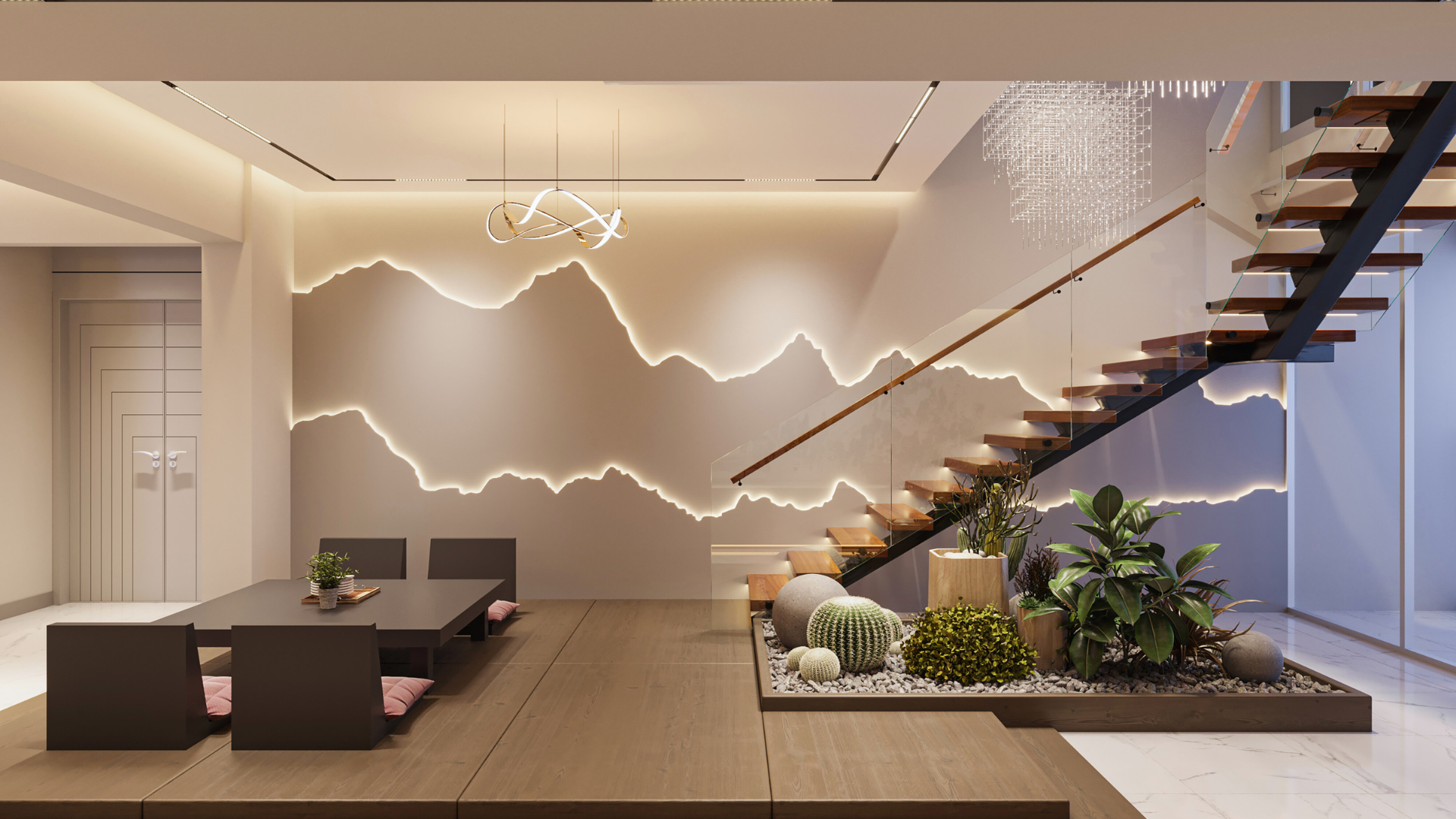
Interior design can seem overwhelming for beginners, but it doesn’t have to be. With a few essential principles and guidelines, anyone can enhance their living space. Understanding the fundamental elements of interior design, such as balance, color, and functionality, empowers individuals to create harmonious and appealing environments.
For those just starting, breaking down the design process into manageable steps can simplify the journey. Exploring styles, selecting the right colors, and choosing furnishings are key aspects that contribute to a cohesive look. By focusing on personal preferences and practical needs, beginners can transform a space effectively.
Moreover, design resources are plentiful, making it easier to gather inspiration and ideas. Websites, blogs, and social media platforms offer a wealth of visuals and tips to help spark creativity. With the right knowledge and inspiration, anyone can create a space that truly reflects their personality and lifestyle.
Getting Started With Interior Design
Establishing a foundation in interior design involves understanding key design principles, assessing the space and individual needs, and avoiding common mistakes that can hinder the design process. By focusing on these areas, beginners can develop a strong sense of style and functionality in any space.
Understanding Key Design Principles
To create a harmonious interior, it’s essential to grasp fundamental design principles. These include:
- Balance: Achieving visual weight balance through symmetry or asymmetry creates a unified look.
- Contrast: Incorporating differing elements like color, texture, or scale adds interest and depth.
- Focal Point: Determining a central feature that draws attention, such as art or furniture, helps anchor the design.
- Scale and Proportion: Choosing furnishings and accessories that complement the size of the space ensures comfort and flow.
By applying these principles thoughtfully, one enhances the aesthetic appeal and functionality of any room.
Assessing Your Space and Needs
Before diving into design, assessing existing space and personal requirements is critical. This process involves:
- Evaluating Space: Measure the dimensions of rooms, noting architectural features and natural light sources.
- Identifying Needs: Consider how each space will be used. This understanding helps in selecting appropriate furniture and layout.
- Personal Style: Reflect on preferred styles—modern, traditional, eclectic, etc.—to guide choices in colors, materials, and furnishings.
Creating a comprehensive list of needs and priorities aids in solidifying a vision for the space.
Common Interior Design Mistakes To Avoid
Beginners often encounter specific pitfalls in their design journey. Avoiding these common mistakes can lead to better results:
- Ignoring Scale: Filling small rooms with oversized furniture can create a cramped atmosphere. Choose items that maintain proportional harmony.
- Lack of Cohesion: Mixing styles without a unifying concept may result in a disjointed appearance. Establish a clear aesthetic direction.
- Overdecorating: Cluttered spaces can feel chaotic. Aim for simplicity and allow elements to breathe.
By being mindful of these mistakes, individuals can achieve a more polished and cohesive design in their interiors.
Choosing Colors, Materials, and Furniture
Selecting the right colors, materials, and furniture is crucial for creating a cohesive and inviting space. A well-thought-out combination can enhance the aesthetic appeal and functionality of any room.
Selecting a Color Palette
Choosing a color palette begins with understanding how colors affect mood and perception. Designers often use the color wheel as a guide. Colors can be classified as:
- Warm Colors: Reds, oranges, and yellows promote energy.
- Cool Colors: Blues, greens, and purples create serenity.
- Neutral Colors: Grays, whites, and browns serve as a backdrop.
When selecting colors, it’s essential to consider the lighting in the space. Natural light can make colors appear different depending on the time of day. Using a combination of a main color with two or three accent colors can create visual interest. She recommends testing samples on walls to see how they interact with both sunlight and artificial lighting.
Mixing Materials and Textures
Combining various materials and textures adds depth to a space. Different finishes can contrast or complement each other effectively. Common materials include:
- Wood: Warmth and natural appeal.
- Metal: Modern and sleek.
- Fabric: Softens spaces and adds comfort.
To achieve balance, it’s important to mix materials mindfully. For instance, a soft fabric sofa can be paired with a metal coffee table to create contrast. Adding textured elements like cushions or a wool rug enhances the sensory experience. Proper layering can make a room feel inviting and well-designed. Aim for a harmonious blend rather than chaos.
In utility zones or when pursuing an industrial-chic look, metal surfaces can be both practical and stylish. Products such as chequered plate flooring combine a raised pattern for improved traction with aluminium’s light weight and corrosion resistance, making them well suited to stairs, ramps and workshop areas. Because the pattern adds visual texture, it can be used as a focal material or discreetly as a durable transition between spaces. Selecting standard or bespoke sheet sizes helps minimise seams and simplifies installation while improving long-term maintenance and safety.
Planning and Budgeting Your First Project
Planning and budgeting are crucial steps in any interior design project. They help in managing resources effectively and ensuring that the desired results are achieved without unnecessary stress.
Setting Realistic Budgets
Identifying a budget that fits one’s financial situation is essential. It requires assessing available funds and considering all necessary expenses, such as materials, labor, and permits. Creating a detailed budget can involve using a simple spreadsheet with input fields for different categories, including:
- Materials: Furniture, paint, and flooring.
- Labor: Costs for hired professionals versus DIY efforts.
- Permits and Fees: Verification of any legal requirements.
It’s important to include a contingency fund, typically around 10-20% of the total, to address any unexpected costs that may arise during the project. Knowing the deadline for completing the project can also help maintain focus on staying within budget.
Prioritizing Purchases and Renovations
When beginning an interior design project, prioritizing what to buy and renovate is key. It can prevent overspending and ensure that budgets are adhered to. This can be important if upsizing your home with the help of significant renovations. A smart renovation plan can make the transition to a larger space much smoother.
Start by identifying the most essential items and tasks. For example:
- Must-Have Furnishings: Identify essential furniture pieces needed for functionality.
- Cosmetic Changes: Plan for aesthetic updates that are less urgent.
Establishing a ranked list of priorities aids in focusing spending on what significantly impacts the space. For each item or renovation, consider a payment plan that fits the budget without causing financial strain. Utilizing a tax professional can also provide insights into any applicable deductions for home improvements.
Working With Professionals Versus DIY
Deciding between hiring professionals or undertaking DIY projects can influence both cost and quality. Engaging skilled experts often ensures top-notch results, particularly for complex tasks such as electrical or plumbing work. Certain specialized jobs, such as sheet metal work, require precision and expertise to guarantee safe, long-lasting outcomes, which can be difficult to achieve through DIY alone. Relying on professionals for these tasks can make your project smoother and give you peace of mind.
On the other hand, DIY projects can be a cost-effective way to add a personal touch. When taking the DIY route, it’s important to assess your skills. Even then, seeking occasional guidance from professionals can help prevent costly mistakes. For many, a hybrid approach—combining DIY efforts with professional support for specialized tasks—offers the best balance between hands-on involvement and expert quality.
Personalizing and Maintaining Your Space
Creating a space that reflects personal taste is essential for comfort and enjoyment. This involves adding unique elements and ensuring they stay relevant through time. Focus on specific ways to personalize and a maintenance routine to keep the space feeling fresh.
Adding Personal Touches
To personalize an interior space, individuals can incorporate artwork that resonates personally. Consider displaying pictures, paintings, or prints from local artists. Furniture choices also matter. Selecting pieces that align with personal style, such as vintage items or modern designs, enhances individuality.
Textiles play a significant role as well. Adding cushions, throws, or area rugs can introduce color and texture. People may also benefit from including collections or souvenirs gathered from their travels. Incorporating these elements creates a narrative that is both distinctive and meaningful.
Beyond these elements, another effective way to add a personal touch is by introducing functional focal points. For example, electric fireplaces available on reputable platforms like fireplaceshops.com often combine warmth, ambiance, and style, creating a cozy environment that reflects personality while enhancing overall design.
Similarly, statement lighting fixtures like designer chandeliers or modern pendant lamps serve as both practical light sources and artistic centerpieces, adding character and personality to the room.
Maintaining Style Over Time
Maintaining the aesthetic requires regular upkeep. Developing a schedule for cleaning and organizing helps preserve the space’s appeal. Regularly assess decor for wear and tear. Items like upholstery or furnishings may need refreshing.
Incorporating versatile furniture allows for easier updates. Items like a neutral sofa can adapt with new accessories over time. Lastly, staying updated with design trends can inspire minor adjustments without complete overhauls. Keeping a mailing address list for local shops offering deals or promotions on decor items can also be helpful.