
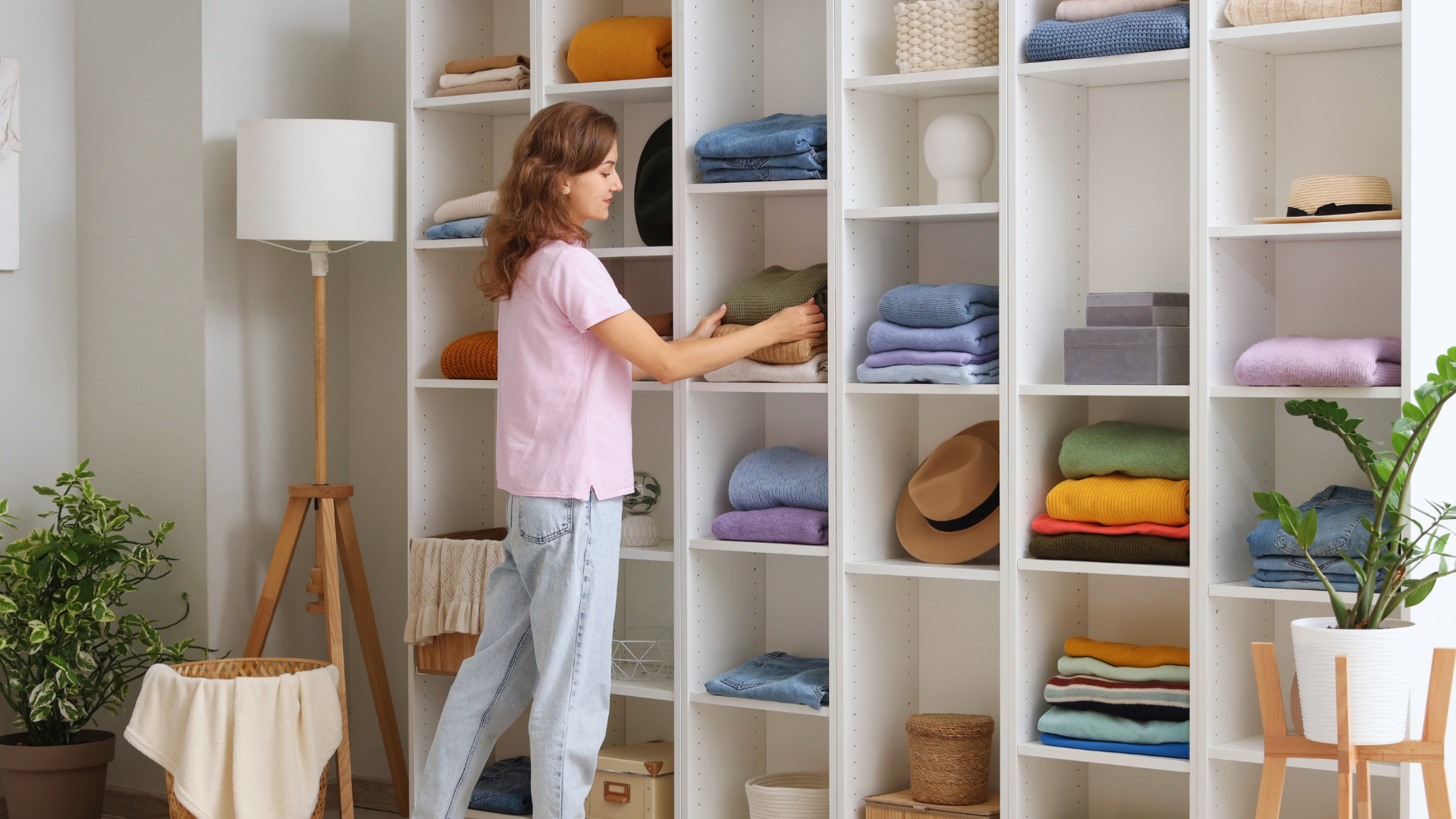
For many, a cluttered closet can become a source of frustration and lost time. Organizing a closet effectively can create more space and simplify daily routines. With a few strategic steps, one can transform an overcrowded area into an efficient storage solution.
Understanding the importance of decluttering is crucial. Identifying items that are no longer needed allows for a more streamlined approach to organization. Sorting clothes by category and frequency of use can significantly enhance accessibility.
Incorporating storage solutions, such as bins or shelving, optimizes every inch of available space. Utilizing vertical space with hooks or over-the-door organizers can also make a substantial difference. Simple changes can lead to a much more functional and enjoyable closet experience.
Declutter and Prepare Your Closet
To maximize closet space, starting with decluttering is essential. This process involves removing unnecessary items, sorting clothing and accessories, and thoroughly cleaning and measuring the space available.
Remove Unworn and Outgrown Items
The first step in decluttering is to assess each item in the closet. She should identify clothing that hasn’t been worn in the last year or does not fit.
- Make a decision: Keep, donate, or discard.
- Use a box or bag for donations and another for damaged items.
A professional organizer often recommends the one-year rule to maintain a functional closet. Items that are not used regularly take up valuable space. By making these decisions, she clears out clutter and creates room for functional items.
Sort and Categorize Clothing and Accessories
Next, she should categorize what’s left. Group items according to their type and frequency of use.
- For example:
-
- Seasonal: Summer, winter, and transitional pieces.
- Type: Tops, pants, dresses, and accessories.
Utilizing storage bins or dividers can further streamline organization. Labeling each bin demystifies finding specific items. This process not only optimizes space but also makes it easier to maintain organization in the future.
Clean and Measure Closet Space
Once decluttering is complete, cleaning is crucial. Start by dusting shelves and wiping down surfaces. This ensures a fresh start in the newly organized space.
Next, measure the closet dimensions. Understanding height, width, and depth allows for better use of space. She can then determine if additional storage solutions are necessary, such as shelving units or specialized hangers. Properly measuring helps in planning for effective closet organization.
Maximize Closet Layout for More Space
A well-planned closet layout can greatly enhance storage efficiency. Strategic use of rods, shelves, and vertical space plays a crucial role in maximizing available space.
Install Additional Closet Rods
Adding extra closet rods can significantly increase hanging space. This is particularly useful for items like shirts, pants, and dresses that benefit from being hung.
Consider placing a second rod below the primary one to create a double-hang section. This doubles the hanging capacity without occupying additional floor space. For optimal use, install one rod at waist height for longer garments and a second one above it for shorter items.
Tip: Use matching hangers for a uniform look and to maximize spacing. This minimizes wasted space and keeps everything neat.
Optimize Closet Shelves and Dividers
Shelves are essential for maximizing vertical space in a closet. Installing adjustable shelves allows for customizable height, accommodating various items from shoes to boxes.
Incorporating shelf dividers can keep stacks of clothes organized. They prevent items from toppling over and ensure easy access.
Corner shelves can utilize otherwise wasted space. This is beneficial for storing shoes, accessories, or unused items. A well-organized shelf layout can also make daily selections more efficient and less time-consuming.
Utilize Floor and Vertical Storage
Floor space is often underutilized. Using bins, baskets, or storage boxes can keep items organized while freeing up visual clutter. This is ideal for seasonal clothing or shoes used infrequently.
Maximizing vertical storage is crucial. Consider wall-mounted racks or hooks for bags and accessories. This not only increases storage but also keeps items within easy reach.
Implementing tall shelves can provide ample room for storage, from bins to stacked boxes. Floating shelves are another option, offering a stylish way to display decor or store smaller items.
Smart Storage Solutions and Tools
Effective storage solutions can significantly enhance closet organization. Choosing the right tools and techniques is essential for maximizing space and maintaining orderliness.
Choose Slimline Hangers for Efficiency
Slimline hangers are an excellent choice for saving space. Their sleek design allows clothes to hang more closely together without compromising accessibility. For heavier items, such as coats or jackets, consider sturdy velvet hangers, which provide grip and prevent slipping.
Utilizing slimline hangers can increase vertical space by allowing users to fit more garments on a single rod. A simple rotation of hangers can also help keep clothing visible and within reach. This method promotes a tidy appearance and makes outfits easy to assemble at a glance.
Use Storage Bins and Vacuum-Sealed Bags
Storage bins are versatile and can store seasonal clothes or less frequently used items. Clear plastic bins allow for easy visibility, while fabric bins provide a chic aesthetic. Labeling each bin can help maintain organization, ensuring users can quickly find what they need.
Vacuum-sealed bags offer another smart solution for space-saving. These bags compress clothing and linens, reducing their volume by up to 75%. They’re ideal for bulky items or winter coats, allowing ample space for other essentials. Utilizing both storage bins and vacuum-sealed bags can vastly increase available closet space.
Organize Shoes and Accessories
Shoe racks are critical for maintaining shoe organization. Opt for tiered shoe racks or vertical storage solutions to utilize height effectively. These racks can store multiple pairs while keeping shoes visible and easily accessible.
Accessories also need organized storage. Small bins or drawer dividers can neatly separate items like belts, ties, and jewelry. Consider using a designated area for hats and scarves, utilizing hooks or small bins to avoid clutter. This method ensures a clean, accessible area for all accessories.
Leverage Wall Hooks and Door Storage
Wall hooks are an underrated tool for closet organization. They can hold bags, scarves, or even jewelry, making them both practical and decorative. Placing hooks at various heights maximizes wall space and creates an inviting appearance.
Door storage is another effective area to utilize. Over-the-door shoe organizers or hooks can free up floor space and provide easy access to everyday items. Adding a full-length mirror on the back of the door can serve dual purposes—offering functionality while enhancing the closet’s aesthetic. Using vertical space creatively can transform how a closet operates.
Maintain an Organized and Spacious Closet
Creating an organized closet requires ongoing effort. Effective strategies, such as rotating seasonal items and establishing a routine, can help sustain an organized and spacious environment.
Rotate and Store Seasonal Items
Seasonal clothing can take up valuable space if not managed properly. To optimize closet space, designate storage bins for off-season items. Label each bin clearly to make retrieval easy when the season changes.
Storage Tips:
- Use Clear Bins: Allows for easy visibility of contents.
- Vacuum-Seal Bags: Reduce bulk for seasonal coats and comforters.
- Vertical Space: Utilize closet shelves for bins, keeping the floor clear.
Seasonal rotation minimizes clutter and makes it easier to find what’s needed throughout the year. Regularly assess the contents to ensure items are current and relevant.
Develop a Regular Organization Routine
Maintaining an organized closet requires consistency. Implementing a routine can prevent clutter from accumulating. Designate time each month to reassess items and reorganize as necessary.
Routine Steps:
- Weekly Check: Spend 10-15 minutes placing items back in their designated spots.
- Monthly Review: Identify items that may be worn out or unused and consider donation.
- Seasonal Refresh: Re-evaluate contents during seasonal changes to rotate out and store appropriately.
By following these steps, an organized closet becomes more manageable. A regular routine also makes it easier to keep track of closet shelves, ensuring everything is in its place.