
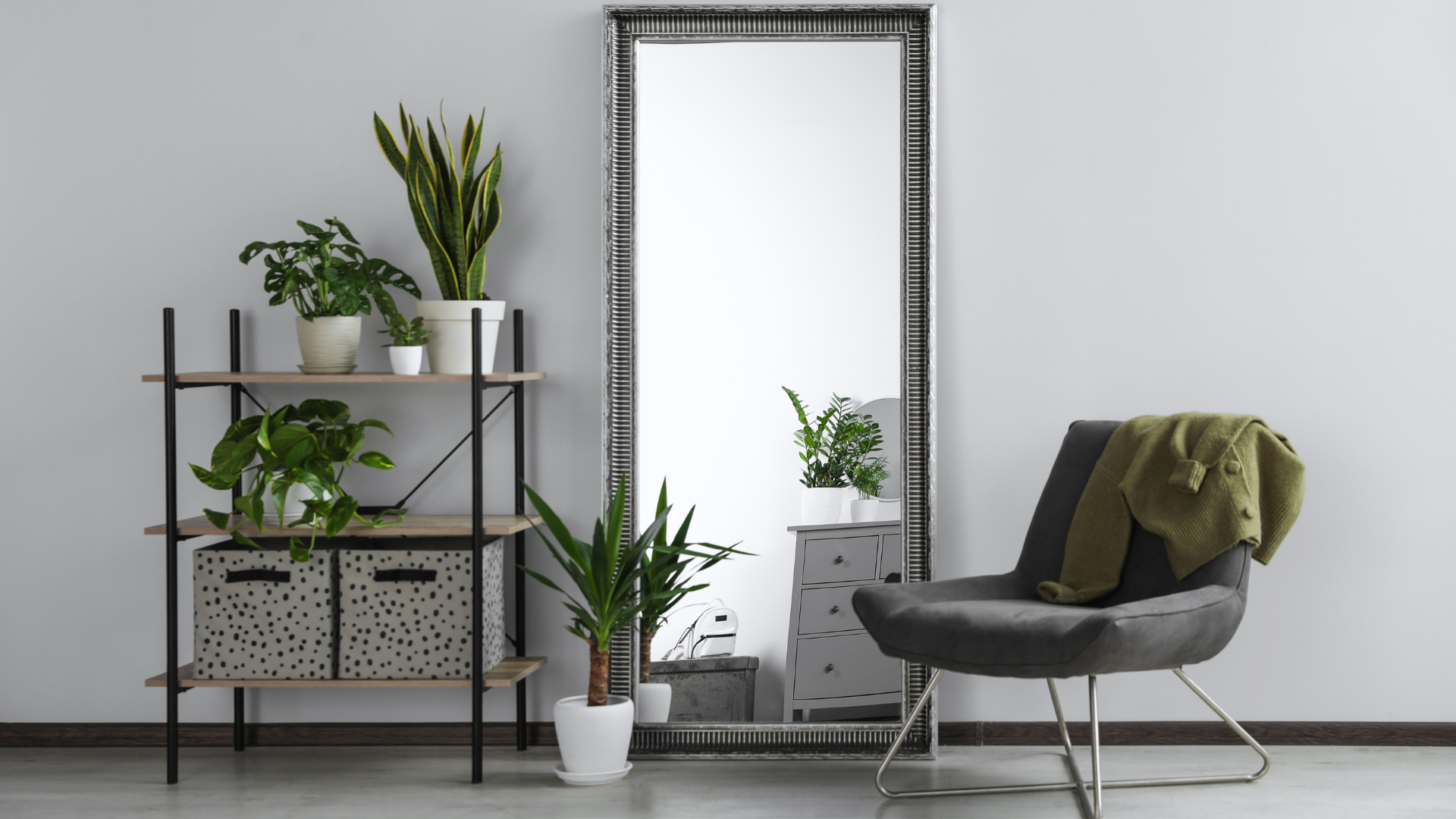
Mirrors can transform a space in ways that go beyond mere aesthetics. By strategically placing them, individuals can create the illusion of a larger area, enhance natural light, and improve overall flow within a room. Using mirrors effectively can significantly open up a living space, making it feel more airy and inviting.
Incorporating mirrors into a design scheme allows for creative possibilities. They can reflect views, bounce light around, and serve as focal points, drawing attention away from cramped areas. Careful consideration of size, shape, and placement will yield the best results, ensuring that mirrors amplify the room’s potential.
Beyond functionality, mirrors also add a decorative element that complements various design styles. Whether through sleek, modern pieces or vintage finds, they enhance a space’s character while contributing to a feeling of openness. Engaging with mirrors in design enriches the atmosphere, making the living space more enjoyable and visually appealing.
Mirror Placement Strategies for Opening Up Living Spaces
Strategic placement of mirrors can significantly enhance the perception of space and light in a living area. By carefully considering where to position mirrors, one can maximize natural light and create an airy environment.
Positioning Mirrors to Reflect Natural Light
To benefit from natural light, place mirrors opposite windows. This directs sunlight deeper into the room. Using multiple smaller mirrors can also help distribute light more evenly.
Consider the dimensions and angle of the windows; a well-placed mirror can create the illusion of an additional window. Ensure that the frames of the mirrors complement the room’s decor for visual harmony.
The reflective surface should be clean and clear to optimize light reflection. In addition, using mirrors with varying shapes can add visual interest while still promoting brightness.
Maximizing Space With Floor Mirrors and Full-Length Mirrors
Floor mirrors and full-length mirrors offer a practical solution for small living areas. They can visually expand the space by drawing the eye upward and creating a sense of depth.
Positioning a large floor mirror in a corner can also enhance the perception of openness. It serves not just a decorative purpose but functions as a reflective element that makes the room feel larger.
Full-length mirrors can be hung on walls in narrow hallways. This tactic allows one to check their appearance while also creating the illusion of a wider passage.
Using Mirrors to Enhance Outdoor Views
Utilizing mirrors to reflect outdoor views will bring nature into the living space. A strategically placed mirror that reflects a garden or park can add vibrancy and depth.
Positioning mirrors to frame a beautiful landscape creates a dynamic focal point. This technique can make a room feel more connected to the outdoors.
Choose mirrors that complement outdoor colors to maintain a cohesive aesthetic. Regular cleaning will ensure that these reflections remain crisp and inviting.
Arranging Mirrors in Hallways and Dark Corners
Hallways and dark corners often feel cramped and neglected. Incorporating mirrors can open up these spaces dramatically.
Start by placing a vertical mirror at the end of a hallway to create a sense of extension. In darker areas, position smaller mirrors to maximize light bouncing into the space.
Consider using mirrored furniture in corners to add both style and light. Mirrors can break the monotony of long walls, offering visual relief and making the area inviting.
Creative Mirror Types and Decorative Approaches
Mirrors offer diverse design options that can enhance a living space. Utilizing unique mirror types and artistic approaches can effectively transform the ambiance and perception of size in a room.
Mirror Clusters and Gallery Walls
Creating mirror clusters involves grouping multiple mirrors of various sizes and shapes on a single wall. This technique adds visual interest and depth to a room.
When selecting mirrors for a gallery wall, it’s essential to consider the frames. They can be uniform or eclectic, depending on the desired aesthetic.
Placement Tips:
- Arrange them at eye level.
- Vary sizes for a dynamic look.
- Use a symmetrical or asymmetrical layout to suit personal style.
A meticulously crafted cluster can serve as an eye-catching focal point that draws attention and creates a sense of openness.
Geometric and Statement Mirrors
Geometric mirrors provide a contemporary edge to design. Their innovative shapes—such as hexagons, triangles, or circles—can break monotony in a living space.
Statement mirrors, often oversized or uniquely designed, can redefine the area they occupy. They not only reflect light but also offer a dramatic flair.
Choosing the Right Style:
- Consider the room’s existing shapes and lines.
- Opt for bold colors or interesting textures to complement the décor.
- Ensure that the mirror’s placement reflects important elements, such as art or furniture.
The striking presence of these mirrors can amplify both style and light.
Utilizing Mirrored Tiles
Mirrored tiles can create a sleek, modern look while enhancing light diffusion in a living space. When installed on walls or backsplashes, they can visually extend the area.
Using mirrored tiles in unexpected spaces, like entryways or accent walls, can elevate a room’s design. They can also be utilized in smaller areas, making them appear larger.
Installation Ideas:
- Combine with matte finishes for contrast.
- Use in combination with traditional tiles for added depth.
- Create a mosaic effect for a personalized touch.
Mirrored tiles add shimmer and sophistication wherever they are applied.
Incorporating Mirrored Furniture in Your Design
Mirrored furniture, such as side tables and dressers, can fuse functionality with style. These pieces reflect light, contributing to the overall brightness of a room.
In addition to being visually appealing, mirrored furniture can serve as a versatile focal point. Their reflective surfaces can enhance other decorative elements.
Styles to Consider:
- Choose sleek lines for a modern vibe.
- Opt for ornate designs for a more classical look.
- Consider the balance of mirrored furniture with other textures in the room.
Strategically placed, mirrored furniture can transform the atmosphere, enhancing the space’s openness and elegance.
Enhancing Light and Ambiance With Mirrors
Mirrors serve as effective tools for brightening spaces and creating a welcoming atmosphere. By strategically positioning mirrors, one can enhance both natural and artificial light, making living areas feel more expansive and inviting.
Strategic Pairing With Artificial Light and Light Fixtures
Placing mirrors near light fixtures amplifies the effect of artificial lighting. When a mirror reflects light from lamps or overhead fixtures, it helps distribute brightness throughout the room.
Suggestions for positioning include:
- Above side tables: Placing a mirror above a lamp reflects its light, enhancing the ambiance.
- Opposite windows: Mirrors facing light fixtures can bounce directed light across the space.
This technique ensures a warm glow permeates the room, reducing the need for heavy lighting and contributing to a cozier atmosphere.
Using Mirrors to Maximize and Distribute Light
To maximize the benefits of mirrors, their size and placement are crucial. Larger mirrors can significantly enhance the amount of light reflected, making small areas appear larger and more open.
Key strategies include:
- Using oversized mirrors: A large mirror can serve as a focal point while doubling light reflection.
- Angles matter: Position mirrors at angles that capture and reflect light from different sources.
Employing these techniques enables more effective distribution of light, creating vibrant living environments.
Reflective Surfaces for Improved Brightness
Incorporating additional reflective surfaces alongside mirrors can further improve brightness. Surfaces such as glass, polished metals, or glossy finish paint complement mirrors and enhance light flow.
To enhance brightness:
- Choose glossy finishes for walls: High-gloss paint reflects light, amplifying the effect of mirrors.
- Integrate metallic decor: Items like brass or chrome can catch and redirect light, enriching the ambiance.
By using these reflective elements intelligently, individuals can create a beautifully lit space that feels open and rejuvenating.
