

The Benefits of Regular Handyman Services for Property Management

Managing a property can sometimes feel like juggling-there are always multiple things up in the air. Whether you’re handling a cozy rental home or a bustling commercial space, keeping everything in perfect working order is a never-ending task. Enter the handyman! These versatile professionals can tackle everything from minor repairs to major fixes, ensuring that your property remains in top-notch condition.

Why a Handyman is Your Go-To Person

Think of a handyman in Thornton, CO as your property’s personal superhero. They have a wide range of skills that can cover almost any repair or maintenance job you can think of. Need a light fixture replaced? They’ve got it. A leaky faucet? No problem. Painting a wall? Easy. This versatility is incredibly valuable, especially when unexpected issues pop up-because, let’s be real, they always do!

Saving Time and Money

One of the biggest perks of having a handyman on speed dial is the cost savings. Instead of hiring different specialists for various small tasks, a handyman can handle multiple issues in one go. This not only saves you money but also frees up your time. Plus, regular maintenance by a handyman can prevent minor issues from becoming major, expensive headaches down the line.

  • Quick Fixes – Tackling small repairs before they escalate.
  • Preventative Care – Regular check-ups to keep everything in tip-top shape.
  • One-Stop Shop – A single visit can cover multiple minor repairs.
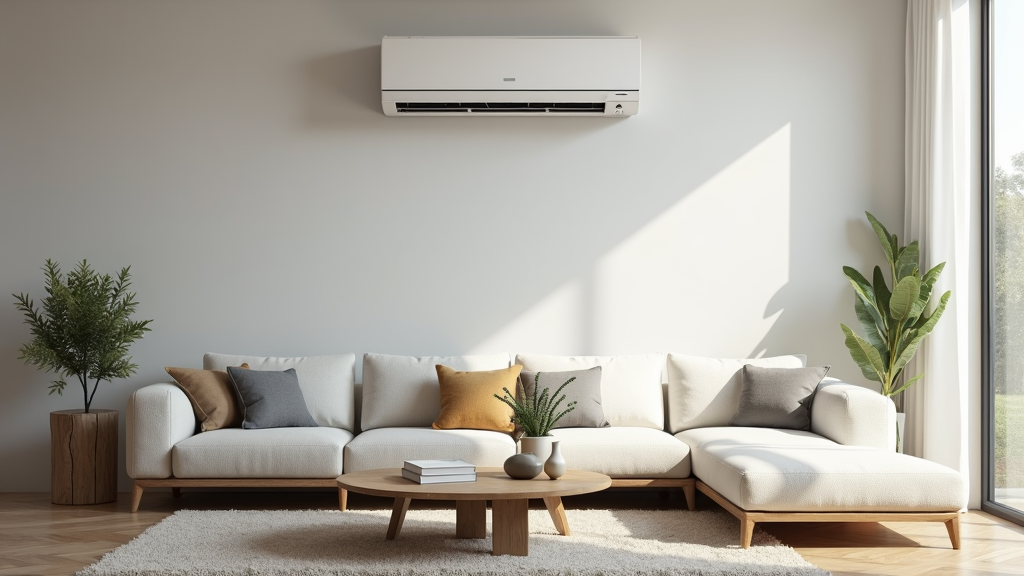
Titan Air

Boosting Property Value

A well-maintained property not only looks good but also retains or even increases in value. Regular handyman services ensure that everything is in working order, from the plumbing and electrical systems to the aesthetics like paint and landscaping. By reaching out to a reliable plumber, an electrician North Orlando, FL (or elsewhere), and other service providers, you can ensure that the functioning as well the appearance of the property is top notch. This can be particularly important if you’re looking to sell or rent out your property. Potential buyers and tenants are more likely to be attracted to a place that’s been well cared for.

Keeping Tenants Happy

If you manage rental properties, you know that tenant satisfaction is crucial. Happy tenants are more likely to renew their leases, and they might even recommend your property to others. Quick and efficient responses to maintenance requests can make a huge difference. A handyman can handle common tenant issues like broken appliances, minor plumbing problems, and general wear and tear, keeping everyone content.

Common Tenant Issues a Handyman Can Solve

  1. Leaky Faucets – A small drip can be annoying and waste water.
  2. Faulty Light Fixtures – Nobody likes living in the dark.
  3. Squeaky Doors – A little lubrication can go a long way.

Convenience at Your Fingertips

There’s a comforting sense of security in knowing that you have a reliable handyman to call when something goes wrong. Whether it’s an emergency repair or a scheduled maintenance check, having a go-to person simplifies your life. This is especially helpful for those managing multiple properties or busy commercial spaces where downtime can be costly. It is important to keep in mind that whilst handymen are great for every day needs, the big jobs will have to go to the professionals who do these full time. For instance, if your commercial roof is showing signs of wear and tear then you will want to protect your business investment from weather damage with expert roofers.

Long-Term Protection for Your Investment

Your property is a significant investment, and regular maintenance is key to protecting that investment. By keeping everything in good repair, you can avoid costly renovations or replacements in the future. A well-maintained property is also more attractive to tenants and buyers, making it easier to keep occupancy rates high or sell at a good price.

Setting Up a Maintenance Schedule

Creating a maintenance schedule with your handyman can be a game-changer. This schedule can include everything from regular inspections to seasonal maintenance tasks. Not only does this ensure that your property stays in great shape, but it also helps you budget for repairs and upgrades throughout the year. Keep in mind, that in some cases when it comes to commercial services, your handyman may not be the best choice. For instance, running a restaurant, you can call in your handyman for the odd job, but something larger like a HVAC system repair, this will need to go to the experts. You can visit site Green Tex Cooler Solutions to learn more about this process.

Sample Maintenance Schedule

  • Monthly Tasks – Checking smoke detectors, testing alarms, and inspecting plumbing.
  • Seasonal Tasks – Cleaning gutters, servicing HVAC systems, and inspecting the roof.
  • Annual Tasks – Deep cleaning carpets, painting touch-ups, and major appliance check-ups.

Going Green: Eco-Friendly Upgrades

A handyman can also help make your property more eco-friendly. From installing energy-efficient lighting to fixing leaks that waste water, these small changes can have a big impact on both the environment and your utility bills. It’s a win-win situation that also appeals to environmentally conscious tenants or buyers.

Building a Relationship of Trust

Over time, a good handyman becomes more than just a service provider; they become a trusted partner in maintaining your property. They get to know the ins and outs of your space and can offer valuable advice on improvements or potential issues to watch out for. This kind of relationship can be incredibly valuable, providing peace of mind and ensuring that your property remains in excellent condition.

The Bottom Line

Regular handyman services are an invaluable resource for any property manager. They offer a cost-effective, convenient way to keep your property in excellent condition, which can boost property value, keep tenants happy, and protect your investment. Whether it’s fixing a leaky faucet or tackling a more significant repair, having a skilled handyman on your team is a smart move that pays off in the long run.
Top Cornice and Coving Trends for Modern Homes

Modern homes are all about blending style with functionality, and there’s no better way to achieve that than with the right architectural details. Cornices and coving, often overlooked, can transform a space, adding elegance and a touch of sophistication.

Let’s explore the top cornice and coving trends for modern homes.


The Return of Minimalism

Minimalism has made a significant comeback in recent years. Clean lines, simple designs, and a less-is-more philosophy dominate the scene. For cornices and coving, this translates into sleek, unadorned mouldings that seamlessly blend into the ceiling and walls. The focus is on creating a seamless transition that enhances the architectural integrity of the space without overwhelming it. Check out cornice and coving by Keaneys for some ideas, inspiration, and a company who can bring your vision to life.

Key Features:

  • Straight Lines – No intricate patterns, just pure, clean edges.
  • Subtle Profiles – Slim, understated mouldings that add depth without drawing too much attention.
  • Neutral Colours – Whites, off-whites, and subtle greys are popular, keeping in line with the minimalist aesthetic.

Bold Statements with Geometric Patterns

For those who love to make a statement, geometric patterns are the way to go. These designs can add a contemporary twist to any room, creating visual interest and a unique focal point. Geometric coving and cornices often feature repeating shapes like hexagons, triangles, and squares.

Why Geometric Patterns Work:

  • Modern Appeal – Adds a trendy, up-to-date look.
  • Versatility – Works with various decor styles, from industrial to Scandinavian.
  • Dynamic Visuals – Creates a striking visual effect that can enhance both small and large spaces.

Embracing the Classic with a Twist

Traditional designs never really go out of style; they just evolve. Modern homes are now incorporating classic cornice and coving designs but with a contemporary twist. Think ornate patterns but with a slightly modern edge – maybe a simpler palette or a slightly altered shape.

Classic with a Twist Elements:

  • Updated Motifs – Traditional floral or acanthus leaf designs with a modern interpretation.
  • Mixing Materials – Combining traditional plaster with modern materials like wood or metal.
  • Colour Play – Using bold colours on classic designs to create a striking contrast.

Eco-Friendly and Sustainable Choices

Sustainability is a growing trend in home design, and cornices and coving are no exception. Homeowners are increasingly opting for eco-friendly materials that are both stylish and environmentally responsible.

Sustainable Materials Include:

  • Recycled Plaster – Made from reclaimed materials, reducing the environmental footprint.
  • Bamboo – A fast-growing, renewable resource that’s perfect for coving.
  • Reclaimed Wood – Adds character and a story to your home’s architectural details.

Integrated Lighting

Combining lighting with cornices and coving is a brilliant way to add both style and functionality to your space. Integrated lighting can create a soft, ambient glow that enhances the room’s atmosphere. It’s perfect for creating a cosy, inviting feel.

Benefits of Integrated Lighting:

  • Enhanced Ambience – Soft lighting that creates a warm, inviting atmosphere.
  • Space-Saving – Eliminates the need for additional light fixtures.
  • Highlighting Features – Perfect for highlighting architectural features or artwork.

Customisation and Personalisation

Every home is unique, and more homeowners are looking to customise their cornices and coving to reflect their personal style. Custom designs allow for a unique touch that standard options can’t provide. Whether it’s a unique pattern, a specific material, or a custom colour, personalisation is key.

Customisation Ideas:

  • Bespoke Designs – Create your unique pattern or motif.
  • Tailored Colours – Match your coving and cornices to your interior palette.
  • Unique Materials – Mix different materials to create a one-of-a-kind look.

Combining Old and New

One of the most exciting trends is blending old and new elements. This trend allows for a unique aesthetic that combines the charm of traditional design with the clean lines of modern style. It’s about creating a dialogue between the past and the present.

How to Combine Old and New:

  • Juxtaposition – Place modern coving in a room with antique furniture.
  • Colour Contrast – Use traditional cornices in a modern colour.
  • Material Mix – Combine classic plaster with contemporary materials like glass or metal.

Incorporating Technology

In our digital age, even architectural details can benefit from technology. Smart home integration is extending to cornices and coving, with features like built-in speakers and smart lighting systems.

Tech-Savvy Features:

  • Smart Lighting – Control the mood of your room with your smartphone.
  • Built-In Speakers – Perfect for seamless audio experiences.
  • Hidden Wiring – Keep your tech hidden for a clean, uncluttered look.

Finishing Touches: Paint and Texture

Finally, the finishing touches can make all the difference. Textured finishes and unique paint techniques are trending, adding depth and interest to your cornices and coving. From metallic finishes to hand-painted designs, the possibilities are endless.

Popular Finishing Techniques:

  • Metallic Paints – Adds a touch of glamour and sophistication.
  • Textured Finishes – Creates a tactile, visually interesting surface.
  • Hand-Painted Designs – Offers a personalised, artisanal touch.

Bringing It All Together

Choosing the right cornice and coving for your modern home is about understanding your style and the overall feel you want to achieve. Whether you prefer minimalist designs, bold geometric patterns, or a blend of classic and modern, there’s something out there for everyone. Don’t be afraid to experiment and make your home uniquely yours.

Interior Design Trends to Watch: Elevate Your Space in 2025

As the world of interior design evolves, staying updated on the latest trends is essential for creating inspiring spaces. In 2025, key trends include sustainable materials, bold color palettes, and multifunctional furniture that caters to modern lifestyles. These elements not only enhance aesthetics but also reflect a growing awareness of environmental and practical considerations in design.

Designers are increasingly incorporating natural elements and textures to create warmth and a connection to nature. Additionally, the trend toward personalization allows individuals to express unique styles through curated decor choices, making spaces feel more authentic and inviting.

With these trends shaping the future of interior spaces, understanding their impact can empower homeowners and designers alike to make informed decisions. Keeping an eye on these developments will ensure that any space remains stylish and functional in a fast-changing design landscape.

Core Interior Design Trends To Watch

Current trends in interior design focus on incorporating nature, sustainability, and functionality. These elements reflect a growing awareness and responsiveness to lifestyle changes and environmental concerns.

Embracing Biophilic Design

Biophilic design emphasizes the connection between nature and interior spaces. This trend includes large windows for natural light, indoor plants, and integrating natural materials like wood and stone. Designers are using color palettes inspired by the outdoors, such as greens, blues, and earthy tones. This approach aims to promote well-being and reduce stress.

Furniture and layouts are tailored to invite outdoor views, maximizing connection with the environment. Features like vertical gardens and natural light sources enhance the home experience, making it more soothing and restorative.

Rise Of Sustainable Practices

Sustainability in interior design has gained substantial traction. Designers prioritize eco-friendly materials, such as reclaimed wood, recycled metals, and low-VOC paints.

Energy-efficient lighting and appliances are also vital to reducing the environmental footprint. Incorporating sustainable practices extends to sourcing furniture from local artisans, supporting the economy, and minimizing transportation emissions.

The shift towards a circular economy is notable as well, encouraging homeowners to rethink waste and repurpose materials. Sustainable designs can maintain aesthetics while contributing to a healthier planet.

Integration Of Multifunctional Spaces

Multifunctional spaces cater to the evolving needs of modern living. As homes serve multiple purposes, designers create areas that adapt to various activities, such as working, exercising, or entertaining. Innovative furniture solutions, like foldable tables and convertible sofas, enhance space efficiency. Home offices are integrated into living areas, making remote work seamless.

Flexibility is key; layout designs should encourage movement and accommodate different uses throughout the day. This trend not only maximizes space but also supports diverse lifestyles and promotes organized living environments.

Materials And Color Palettes Defining Modern Spaces

Modern interiors are increasingly characterized by thoughtful material choices and refined color palettes. A focus on sustainability and an appreciation for natural beauty drive the selection of materials and colors in contemporary design.

Natural And Organic Material Choices

Using natural and organic materials adds an earthy, grounded feel to modern spaces. Popular options include wood, stone, and bamboo, which bring texture and warmth.

Wood: Varieties like oak and walnut are favored for their durability and aesthetic appeal.

Stone: Options such as marble and slate add a sophisticated touch while ensuring longevity.

Bamboo: An eco-friendly alternative, bamboo is lightweight yet strong, suitable for furniture and flooring. Incorporating these materials helps establish a connection to nature, fostering a serene environment.

Earthy Tones And Accent Colors

Earthy tones dominate the color palettes of modern design, creating a calming backdrop. Shades like terracotta, olive green, and warm beige reflect natural elements. Accent Colors: Rich shades like deep blue or rust provide contrast and visual interest.

Combining neutral bases with vibrant accents brings depth without overwhelming the senses. These palettes promote relaxation and balance, making spaces feel both inviting and serene. Utilizing texture and layering within this color scheme can enhance the overall aesthetic.

Sophisticated Use Of Metallics

Metallics are gaining traction in modern interiors, adding a hint of elegance. Finishes like brass, matte black, and brushed nickel are commonly used for fixtures and decor. Brass lends warmth and opulence, while matte black offers a sleek, contemporary edge.

Small metallic accents, such as light fixtures or decorative pieces, introduce a sophisticated gleam without dominating. Balancing metallics with organic materials can create striking contrasts that elevate modern spaces. Using these elements thoughtfully ensures a harmonious blend of warmth and sophistication.

Key Decorative And Functional Elements

Colorful statement lighting, well-chosen curtains, and carefully layered throw pillows with area rugs create a harmonious interior atmosphere. Each of these elements plays a vital role in establishing both aesthetic appeal and functionality within a space.

Statement Lighting Fixtures

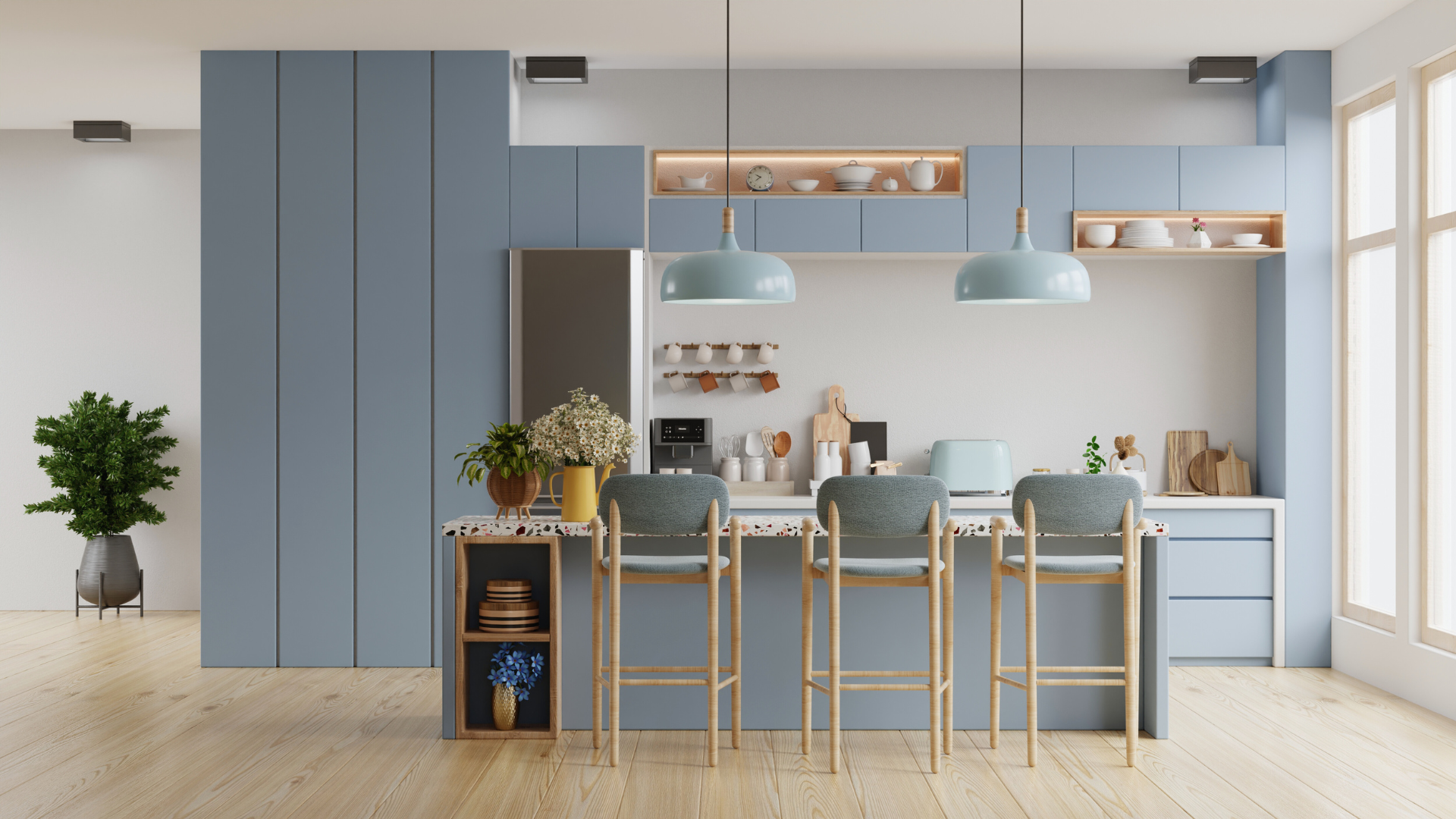
Statement lighting fixtures serve as focal points in any room. They can range from elaborate chandeliers to modern pendant lights. When selecting these fixtures, consider the scale and style of the room.

  • Size: Large fixtures suit open areas, while smaller options work well in cozy spaces.
  • Style: Choose designs that complement existing decor, whether through sleek metallic finishes or vibrant colors.

These fixtures not only illuminate but also enhance the overall theme, making them pivotal in modern interior design.

Incorporating Curtains And Window Treatments

Curtains and window treatments impact both light control and privacy. Fabrics such as sheer linen or heavy velvet can transform a room’s atmosphere.

  • Layering: Combining sheer panels with blackout drapes offers flexibility in controlling natural light.
  • Colors and Patterns: Bold patterns can add character, while solid colors create a serene backdrop.

Selecting the right treatments creates a balanced aesthetic while addressing practical needs, enhancing the space’s functionality and style.

Layering With Throw Pillows And Area Rugs

Throw pillows and area rugs can significantly change the look and feel of a room. These elements provide comfort and visual interest through their textures and colors.

  • Pillows: A mix of sizes and patterns can bring dynamism to seating areas.
  • Rugs: Area rugs define spaces and add warmth. Choosing a rug that contrasts or complements colors creates a cohesive look.

Strategically layering these elements adds depth and personality to any interior design scheme, contributing to an inviting atmosphere.

Innovative Patterns And Textures

Current trends highlight the rising popularity of intricate patterns and unique textures in interior design. These elements enhance visual interest and create depth within spaces.

Herringbone Pattern Feature

The herringbone pattern stands out for its distinctive zigzag design, which adds sophistication to any room. Traditionally used in flooring, this pattern is now being applied in various forms, including wallpaper and textiles. It creates a dynamic effect by alternating the direction of each piece. This not only draws the eye but also contributes to the room’s overall texture.

Herringbone patterns can be implemented in different materials, such as wood, tile, or fabric. Each medium offers a unique visual and tactile experience. Incorporating herringbone in design can enhance elegance while also making a bold statement. Careful color selection and material choice can complement various design styles, from contemporary to classic.


Scroll to Top