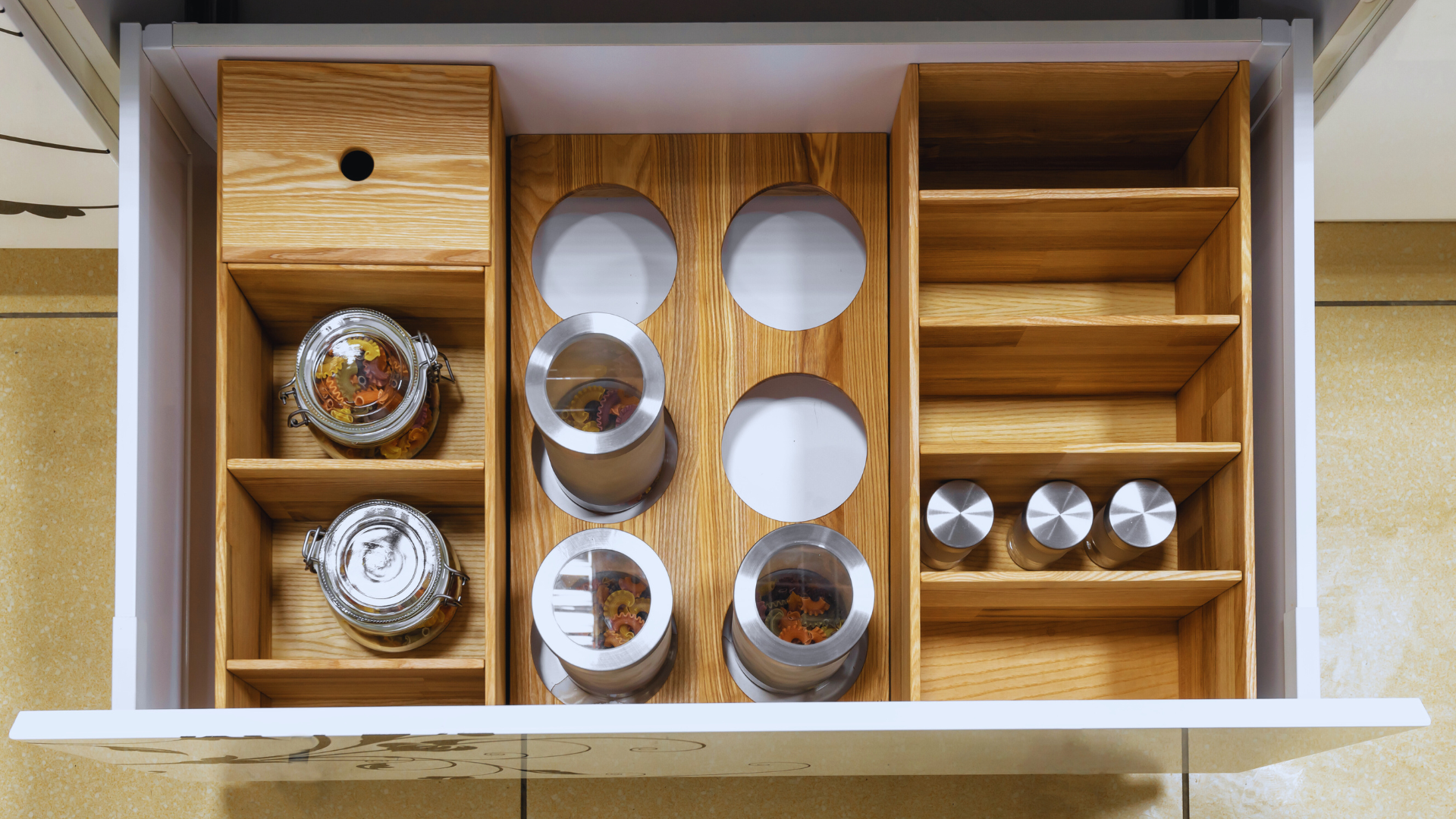
Living in a clutter-free environment is essential for both mental clarity and productivity. Smart storage solutions can transform any space, making it easier to stay organized and prioritize peace of mind. By utilizing innovative storage ideas, individuals can effectively reduce clutter and create an inviting atmosphere in their homes.
Incorporating shelving units, multi-functional furniture, and hidden storage can significantly optimize living spaces. These strategies not only enhance organization but also improve overall functionality, allowing residents to enjoy their surroundings without the distraction of disarray.
Exploring smart storage options leads to a more efficient lifestyle, as it encourages mindfulness about what items are kept and how they are stored. Embracing these solutions fosters a calm living space that inspires creativity and comfort.
Understanding the Impact of Clutter
Clutter significantly influences mental well-being, productivity, and the overall organization of your living spaces. Addressing the effects of clutter can lead to a more serene and efficient environment.
Clutter and Mental Well-Being
Clutter has a direct impact on mental clarity. A disorganized space can contribute to feelings of anxiety and stress. Studies indicate that individuals in cluttered environments often experience a cluttered mind.
The visual noise from excess belongings can distract and overwhelm. People may find it challenging to focus on important tasks when surrounded by disorder. Reducing clutter can enhance mental well-being by fostering a sense of control and calm.
The Link Between Cluttered Spaces and Productivity
Cluttered spaces can hinder productivity. Research shows that individuals are less efficient when working in disorganized areas. Items that are out of place can lead to wasted time searching for essentials.
In contrast, a tidy environment promotes focus and efficiency. Clear surfaces and organized shelves allow for better workflow. Implementing smart storage solutions can help maintain order, thereby boosting productivity levels.
Why Decluttering is Essential for a Clutter-Free Home
Decluttering is essential for creating a clutter-free home. It allows you to maintain an organized space, which can enhance the quality of life. Decluttering involves assessing and removing items that are no longer needed or used.
Establishing efficient storage systems contributes to long-term organization. Keeping only the essentials fosters a clearer mind and a more pleasant living environment. Regular decluttering sessions can create a sustainable lifestyle that minimizes clutter reaccumulation.
Core Principles of Smart Storage Solutions
Effective storage solutions revolve around maximizing space, enhancing organization, and utilizing quality items. Key strategies include making the most of available storage areas, investing in functional furniture, utilizing vertical space, and selecting high-quality essentials that promote efficiency.
Assessing and Utilizing Storage Areas
Understanding the various storage areas within your home is essential for effective organization. This includes closets, under-bed space, cabinets, and even hidden nooks. Start by evaluating each area for its potential. Identify what can be stored where based on frequency of use and accessibility. For instance, seasonal items can be stored in hard-to-reach places, while everyday essentials should remain easily accessible.
For larger or overflow items, many homeowners choose to rent self-storage. For flexible options like indoor units, drive-up access, or RV and boat parking, consider exploring nearby storage facilities that offer secure, affordable units with easy access.
Additionally, using clear bins and labeled boxes enhances visibility and simplifies organization. Make use of drawer dividers and shelf organizers to keep smaller items neatly sorted and prevent clutter from accumulating.
If you’re weighing local options for seasonal belongings, moving overflow, or storing recreational vehicles, prioritize facilities that offer straightforward ground-floor access and flexible terms to make retrieval simple. Look for features such as gated access with individual codes, complimentary locks, and a range of unit sizes so you can match the space to what you actually need.
A convenient option is self storage near you, which lists drive-up units, vehicle/RV parking, and month-to-month rentals. Checking those specifics up front helps avoid surprises and ensures the unit supports your decluttering plan.
Beyond traditional fixed units, mobile storage offers a unique level of convenience by bringing the unit directly to your doorstep. This method is particularly effective for those who need to pack at their own pace without the stress of multiple truck trips to a facility.
By opting for Storage Pods For Hire, you can have a secure container delivered to your driveway, allowing for easy loading of furniture or renovation supplies. Once filled, these pods can be kept on-site for immediate access or transported to a secure facility for long-term safekeeping. This flexibility ensures that your storage solution adapts to your specific timeline and spatial constraints.
Incorporating Functional and Multi-Functional Furniture
Investing in functional and multi-functional furniture is a key principle. These pieces can serve multiple purposes, reducing the need for excess items. Examples include ottomans with storage inside or beds equipped with drawers. A coffee table that doubles as a storage unit is also effective.
When choosing furniture, focus on well-designed pieces that blend aesthetic appeal and utility. This can help create a cohesive look while maximizing functionality. Smart furniture choices can significantly contribute to a clutter-free living environment.
Maximizing Vertical Space for Efficient Organization
Vertical space is often underutilized in homes. By focusing on upward organization, more floor space can be freed. Shelves, wall-mounted storage systems, and hooks are practical solutions. For example, installing floating shelves can provide additional storage while keeping items visible and accessible.
Using tall bookcases or cabinets can also make the most of vertical space. Adding hooks or pegboards allows items such as tools or craft supplies to be organized vertically. This approach not only aids in organization but also lends an open feel to spaces.
Selecting High-Quality Storage Essentials
Quality storage essentials play a crucial role in maintaining organization and efficiency. Rather than opting for cheap or flimsy options that require frequent replacement, investing in durable products can be more beneficial. Look for heavy-duty bins, sturdy shelving units, and reliable organizers that withstand your daily use. Choosing materials such as wood or metal offers longevity and stability.
Additionally, reusable storage solutions, like fabric bins or modular systems, can adapt as needs change. Selecting quality items can result in a more organized and enduring storage system, ultimately supporting sustainable living.
Creative Strategies for Clutter-Free Living
Implementing smart storage solutions can dramatically enhance the organization of living spaces. By utilizing functional and decorative storage options, individuals can create a more serene and clutter-free environment.
Baskets and Open Shelving for Everyday Items
Baskets provide a versatile and stylish way to contain everyday items. They can be placed on open shelves, making frequently used items easily accessible. Choosing baskets in various sizes can help categorize your items, from books to toys. Opt for woven materials for a warm, inviting look or metal baskets for a modern aesthetic.
Open shelving complements this setup by allowing visibility while keeping items organized. It prevents clutter from accumulating in drawers and cabinets. Arranging items by color or type can create an appealing visual display while maintaining function. Labels can also be attached to baskets to enhance clarity and efficiency.
Innovative Built-In Storage Ideas
Built-in storage solutions maximize space while blending seamlessly with the home’s architecture. Custom cabinetry can be installed in underutilized areas such as hallways or staircases. This approach offers ample room for storage without sacrificing square footage.
Incorporating features like pull-out shelves or hidden compartments enhances functionality. This design not only provides storage but also maintains a clean aesthetic. Utilizing the vertical space with floor-to-ceiling units can further optimize storage while showcasing decorative items.
Seasonal Storage Solutions for Clothing and Gear
Seasonal storage solutions are essential for managing clothing and gear throughout the year. Clearly defined bins or vacuum-sealed bags can store seasonal clothes, freeing up space in closets. Labeling these containers ensures easy access when the seasons change.
For outdoor gear, consider using shelving units in garages or basements designed for specific items like bikes or seasonal equipment. You could also consider looking for storage units near you to store these items. Rotate these items twice a year to keep them organized. This not only fosters a clutter-free living environment but also makes transitions between seasons smoother.
Sustaining Organization and Long-Term Success
Maintaining an organized space requires ongoing effort and specific practices. By establishing routines and adopting effective maintenance tactics, individuals can ensure their smart storage solutions remain effective over time.
Establishing Regular Decluttering Sessions
Setting aside time for decluttering is essential for sustaining organization. A regular schedule, such as monthly or bi-monthly sessions, helps manage accumulated items. Each session should involve evaluating each area, deciding what to keep, donate, or discard.
Creating a checklist can streamline this process. Items to include might be clothes that haven’t been worn in the past year, outdated documents, or broken items. This method not only simplifies the process but also fosters a habit of continual evaluation.
Developing Good Housekeeping Habits
Good housekeeping habits prevent clutter from accumulating. Simple practices like cleaning surfaces daily and returning items to their designated places can make a significant difference.
Utilizing storage bins or baskets encourages proper organization. Labeling these containers enhances functionality, making it easier to identify spaces for specific items. Checking storage solutions regularly ensures everything is in its proper place and reduces future clutter.
Essential Maintenance Tips for Storage Systems
Maintenance of storage systems is crucial to their effectiveness. Regular inspections help identify wear and tear, whether on shelves, bins, or hooks.
Cleaning these storage solutions should occur periodically. Dust, dirt, and spills can compromise an organization. A simple routine of wiping surfaces and organizing contents can extend the life of these systems. Consider adjusting or upgrading storage solutions as needs change. Adapting to evolving lifestyles prevents the organization from becoming outdated.
Enhancing Functionality With Cleaning Tools
Using the right cleaning tools enhances the maintenance of organized spaces. A basic toolkit should include:
- Microfiber cloths for dusting
- Broom and dustpan for quick clean-ups
- Vacuum cleaner for deeper cleans
Incorporating cleaning tools into daily routines keeps spaces tidy.
Additionally, multi-functional tools, such as a vacuum with attachments for corners and shelves, can improve access and cleanliness. This not only helps maintain decorum but also fosters a sense of ownership in one’s organized space.