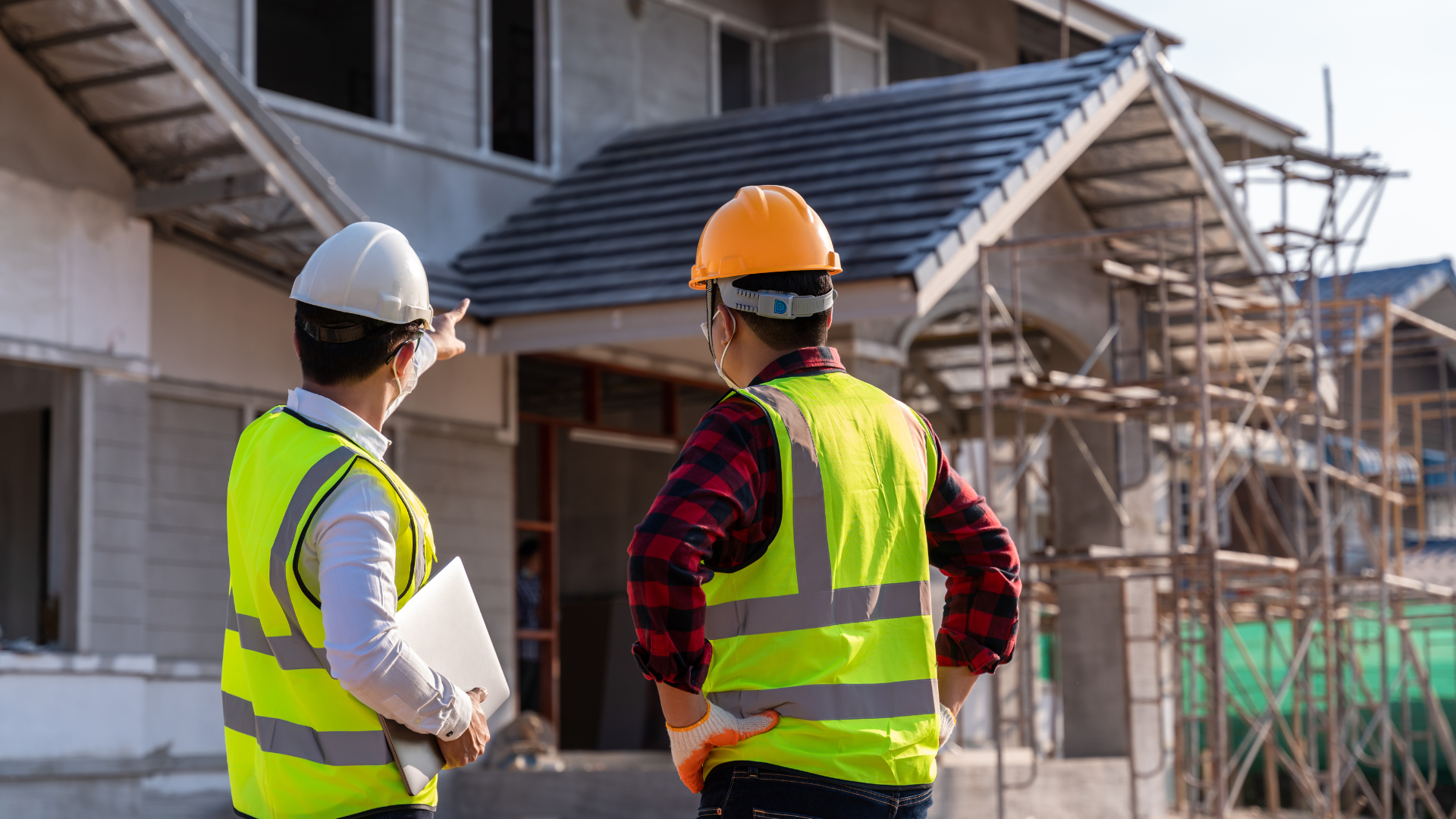

Understanding Current Real Estate Trends in the US: Insights for Buyers and Investors

Current real estate trends in the U.S. reflect a complex landscape shaped by various economic factors and shifting buyer preferences. Purchasing activity is influenced by interest rates, housing supply, and demographic changes, which all play critical roles in the market’s direction. As potential homebuyers navigate this environment, understanding these trends becomes crucial for making informed decisions.

Recent data indicates that housing prices continue to fluctuate, often driven by varying levels of demand across different regions. Cities experiencing job growth tend to see increased competition for homes, while others may struggle with an oversupply. This dynamic can create both opportunities and challenges for buyers and sellers alike.

Additionally, shifts in work habits and lifestyles are influencing real estate preferences. With more individuals working remotely, there is a noticeable demand for larger homes in suburban areas. Recognizing these patterns will help readers grasp the current state of the real estate market and anticipate future developments.

Overview of Current U.S. Real Estate Market Conditions

The current real estate market in the U.S. is characterized by fluctuating demand and varying supply dynamics. A closer examination of key drivers, recent developments, and regional differences provides a clearer picture of market conditions.

Key Market Drivers

Several factors are influencing the real estate market in 2025. Low mortgage rates continue to attract buyers, boosting demand, even as inflation concerns linger. Increased remote work has shifted preferences towards suburban and rural areas where home prices may be lower.

Supply chain issues are affecting construction, limiting new home builds, and further tightening the market. In addition, demographic trends, including millennials reaching home-buying age, are adding pressure. The demand for properties is particularly strong in states like Florida, which has seen an influx of residents from high-cost regions.

Recent Market Trends in 2025

Market trends through the early months of 2025 reveal notable shifts. Home prices have shown resilience, with April 2025 data indicating a year-over-year increase of approximately 5%. Despite economic uncertainties, home values remain strong, especially in high-demand areas.

Sales volume has also fluctuated, with March 2025 showing a slight decline in transactions as buyers face affordability issues. Market conditions are still favorable for sellers, leading to competitive bidding environments in many regions. Condominiums and multifamily units are gaining attention as buyers seek alternative living arrangements, thereby expanding options in the housing market.

Regional Variations

Regional differences are significant within the U.S. real estate market. Florida, for instance, continues to experience robust demand driven by its favorable climate and tax advantages. The rise in home prices has made affordability a concern, pushing some buyers towards more affordable areas or different housing types.

In contrast, more traditional markets like the Northeast are feeling the effects of slower transaction volumes. High home values combined with limited inventory have created challenges for both first-time and seasoned buyers.

The West Coast has experienced similar patterns, with high demand in tech-driven cities. However, the supply constraints are leading to fluctuations in availability and price stability. Understanding these variations can help investors and buyers make informed decisions in the current landscape.

For those focused on high-demand coastal or luxury markets, pairing national trends with hyperlocal data is essential for realistic expectations. Localized resources that compile neighborhood data, recent sales and market reports make it easier to assess timing and pricing in specific towns. For example, a dedicated local site like La Jolla Real Estate provides neighborhood guides and up-to-date sales information tailored to La Jolla’s unique coastal market. Consulting those resources alongside broader trends helps buyers and sellers make better-informed choices.

Economic Factors Influencing Real Estate Trends

Current economic conditions significantly impact real estate trends. Key factors include interest rates and the Federal Reserve’s policy regarding inflation, which together shape the landscape for buyers and sellers alike.

Interest Rates and Borrowing Costs

Interest rates directly affect mortgage rates, which in turn influence borrowing costs for homebuyers. When rates rise, the cost of financing a home increases. This scenario can deter prospective buyers from purchasing homes, leading to a decrease in demand.

For example, a 1% increase in interest rates can lead to a significant rise in monthly mortgage payments. As borrowing becomes more expensive, home affordability declines, impacting housing prices. In high-interest environments, buyers may opt for smaller homes or delay purchases, further affecting market dynamics.

Federal Reserve Policy and Inflation Impact

The Federal Reserve plays a crucial role in managing inflation through its monetary policy. When inflation rises, the Fed may decide to increase interest rates to stabilize the economy. Higher rates can curtail spending and investment, creating uncertainty in the housing market.

Economic uncertainty often results in fluctuations in buyer confidence. As home prices adjust to higher borrowing costs, sellers may face challenges in attracting buyers. This dynamic leads to a more cautious approach in real estate transactions, influencing overall market activity and trend trajectories.

Supply, Demand, and Pricing Dynamics

The dynamics of supply and demand significantly influence pricing trends in the real estate market. Current shifts in home sales, inventory levels, and construction costs shape the landscape for buyers and sellers alike.

Home Sales and Inventory

Recent data indicates that existing home sales have fluctuated, with many markets experiencing a tight inventory. In many areas, low inventory continues to create competitive conditions, leading to quicker sales. New home sales are also contributing to the dynamics, as builders attempt to meet demand. As of mid-2025, the months of supply available for sale remain lower than historical averages. Lower inventory pushes buyers to act quickly, often resulting in bidding wars.

For homeowners weighing whether now is the right time to list, understanding all selling options is important. In tight markets or when timelines are constrained, sellers may consider alternatives to the traditional listing process—such as cash buyers that purchase properties as-is to provide fast closings and reduce carrying costs. Comparing these routes can help owners decide between listing for market price versus accepting a quicker, certain sale. For more information on companies that specialize in quick purchases, homeowners can review available homes for sale options and typical timelines.

Trends in Home Prices

Home prices have seen a notable increase in recent years. Driven by persistent demand and limited supply, median home values have risen substantially. In some regions, growth has exceeded normal appreciation rates due to isolated market conditions.

Price appreciation is not uniform across the country, with some metropolitan areas experiencing sharper increases. Affordable housing challenges can emerge, particularly in markets where salaries do not keep pace with rising costs.

Construction Activity and Costs

Construction activity plays a critical role in shaping market conditions. Builders are responding to demand but face challenges related to labor shortages and increased material costs. These factors can delay project timelines and inflate overall construction costs.

Furthermore, rising interest rates can also impact the construction sector. Higher borrowing costs affect developers’ decisions, potentially leading to reduced new builds in the market. Understanding these dynamics is essential for stakeholders at all levels in navigating the complexities of the current real estate market.

Emerging Opportunities and Risks for Real Estate Investors

Investors in the U.S. real estate market face a mix of opportunities and risks. Understanding the dynamics at play can guide strategic decision-making and enhance potential returns.

Real Estate Investment Strategies

Diversification remains a key strategy for investors. By spreading investments across different property types—residential, commercial, and industrial—investors can mitigate risks associated with market fluctuations.

Emerging trends include increased interest in short-term rentals and adaptive reuse projects. The growing popularity of platforms like Airbnb creates opportunities for residential investors. Additionally, transforming outdated properties for modern needs can attract strong tenant demand.

Real estate investors should also consider location analytics. Tools that analyze urban development trends can identify underserved markets. Investing in areas with pending infrastructure improvements could lead to significant appreciation in property values.

Commercial Property and Retail Spaces

The commercial real estate sector is currently influenced by shifts in consumer behavior. With the rise of e-commerce, traditional retail spaces are facing challenges. Investors must assess the viability of retail locations and consider alternative uses for these properties. Mixed-use developments have gained traction, combining retail, residential, and office spaces. This blend can boost foot traffic and increase overall revenue.

Alongside location and tenant mix, the physical condition of a property—particularly the roof—can materially affect operating costs and tenant retention. Proactive roof maintenance reduces the risk of leaks, business interruptions, and costly emergency replacements, which is a key consideration for owners of large retail and mixed-use buildings. Property managers operating in Arizona often rely on local service providers for timely inspections and claim support, such as commercial roof repair Phoenix Arizona services. Including roof condition in due diligence and budgeting helps preserve asset value and avoid unexpected capital expenditures.

Moreover, curb appeal often plays a crucial role in the performance of commercial and retail properties. A well-maintained exterior creates a positive first impression, attracts tenants, and increases customer traffic. For instance, enhancing a property’s appearance with strategic outdoor lighting can improve visibility, safety, and overall appeal, especially when installed by experienced professionals from reputable firms like Bay Lighting who understand the lighting needs. Similarly, upgrading exterior signage, landscaping, or facade elements can further elevate the property’s image, supporting stronger tenant retention and higher rental value.

Moreover, market research indicates that certain retail segments, such as grocery and discount stores, continue to thrive. Investing in these resilient retail types may offer better returns amidst declining demand for traditional retail. Additionally, urbanization trends suggest a growing need for adaptive commercial spaces. Properties that can easily transition to meet evolving market demands will likely present lower risks.


 

Home Buying Checklist: Essential Factors to Consider

Buying a home is one of the most significant decisions you’ll ever make. It’s not just a financial investment; it’s a place where you’ll create memories, build your life, and make it your own. However, this journey can be both exciting and daunting. To ensure you make a well-informed decision, we’ve put together an essential home buying checklist that covers everything you need to consider before taking the plunge.


Budgeting: The Foundation of Your Home Purchase


1. Determine Your Budget

Before you start exploring homes, it’s crucial to establish a clear budget. Consider your income, expenses, and savings. Ensure that you have enough funds for a down payment, closing costs, and potential unexpected expenses.


2. Get Pre-approved for a Mortgage

Getting pre-approved for a mortgage gives you a clear idea of how much you can borrow. It also makes you a more attractive buyer to sellers, as they know you’re serious and financially capable.


Location Matters: Choosing the Right Neighborhood


3. Identify Your Preferred Neighborhood

Location is key when buying a home. Consider factors like commute times, proximity to schools, parks, and amenities, and the overall safety of the area. Visit the neighborhood at different times of the day to get a feel for it. When viewing homes for sale washington mo, be sure to look at the proximity to essential amenities like schools, hospitals, and shopping centers which make day-to-day life easier and more enjoyable.


4. Research Local Schools

Even if you don’t have children, the quality of local schools can impact your property’s value. Research the schools in the area, for example, the best schools in GTA, and their ratings to make an informed decision. On the other hand, for families with young children, access to quality education is often a top priority when purchasing a home. Why? Well, not many will be enthusiastic in sending their children across larger distances in order for them to access quality education. They’d rather send the kids to a school in the local town, provided that the quality is reputable. For instance, many parents in Montgomeryville may find themselves researching “preschool education in Montgomeryville, PA” as part of their home-buying process, especially if the schools happen to be located in that particular vicinity. As such, a comprehensive approach to assessing a location helps ensure that your new home will meet both your current needs and future aspirations for your family.


Property Essentials: What to Look for in a Home


5. Define Your Must-Haves

Create a list of non-negotiable features you want in your new home, such as the number of bedrooms, bathrooms, and any specific amenities. This will help you narrow down your options.


6. Evaluate the Property’s Condition

When touring homes, pay close attention to the condition of the property. Look for signs of wear and tear, potential maintenance issues, and any necessary repairs or upgrades.


7. Inspect the Neighborhood

Take a stroll around the neighborhood to assess factors like noise levels, traffic, and overall appeal. Talk to potential neighbors to get a sense of the community.


Financial Aspects: Navigating the Money Matters


8. Factor in Additional Costs

Besides the purchase price, consider ongoing expenses like property taxes, insurance, and utility bills. These costs can significantly impact your monthly budget.


9. Negotiate Effectively

Don’t hesitate to negotiate the price with the seller. Be prepared to make a reasonable offer and be open to counteroffers. A skilled real estate agent can be a valuable asset during negotiations.


Legal Matters: Ensuring a Smooth Transaction


10. Review the Contract Thoroughly

Read and understand every detail of the purchase contract before signing. If there are any confusing clauses or terms, seek legal advice to ensure you’re protected.


11. Complete a Home Inspection

A professional home inspection is a crucial step in the buying process. It can uncover hidden issues that may not be visible during your initial visits. Make sure to get mold testing done during the process of your home inspection. Extensive mold can quickly become a matter of health concern and can also cause serious damage to the property which can turn into costly repairs, if not dealt with on time. Additionally, don’t forget to also get the exterior looked into as well. You want to make sure that no external issues are going to have a knock on effect inside your home. For instance, it might be a good idea to call in denver sewer inspection experts, or ones like them, if you suspect that there might be an issue with the sewer line that can then create a leak under the foundation. It is better to be safe than sorry.


12. Be Mindful of Contingencies

Contingencies in your contract, such as a financing contingency or appraisal contingency, can protect you if unexpected issues arise. Understand their implications fully.


Future-Proofing: Planning for the Long Term


13. Think About Resale Value

While your new home should suit your current needs, it’s also essential to consider its resale value. Trends can change, and you want to ensure your investment remains sound.


14. Assess Your Long-Term Goals

Consider how this home aligns with your long-term goals. Are you planning to stay for a few years or make it your forever home? Your plans should influence your decision.


The Human Touch: Finding the Right Real Estate Agent


15. Choose the Right Real Estate Agent

A skilled real estate agent can simplify the home-buying process and help you find the perfect property. Look for someone with local knowledge, experience, and a good reputation.


Bonus Tips for a Smoother Home Buying Experience

Now that you have the essentials covered, here are some bonus tips to make your home buying experience even smoother:


16. Don’t Rush

Take your time throughout the process. Rushing into a decision can lead to regrets. Be patient and wait for the right opportunity.


17. Research Property Values

Understanding property values in your chosen neighborhood can help you make an informed offer. Don’t overpay for a home based on emotions alone.


18. Get a Second Opinion

It’s always a good idea to bring a trusted friend or family member with you when viewing properties. They may notice things you missed.


19. Consider Future Plans

Think about how your life may change in the coming years. Will your family grow? Will you need extra space? Factor in potential future needs.


20. Read Reviews

If you’re considering a condo or a property within a community, read reviews from current residents to get insights into the living experience.”‹


Final Thoughts

Remember that patience and thorough research are your allies in making the right decision.

What Types of Gifts Can You Give a High School Graduate?

Graduation time is almost here, and the exciting gift of gift-giving comes with that. Graduation gifts are very important and shouldn’t be taken lightly. You want to show appreciation to the person who worked hard to graduate with their class.

High school graduation is an exciting time for seniors, but it’s also a time of reflection. What type of gifts should you give to this newly minted adult or graduate? Your graduate is ready for a celebration, and gift choices should reflect this: a banquet or dinner party, a gift basket filled with delights like gourmet candy or fine chocolates, or even a spa day to potentially help them unwind after the busy school year. Other thoughtful options might include a tech gadget to assist them in their next educational or career step, or personalized memorabilia to remind them of this special milestone.

Here Are the Unique Gift Ideas for High School Graduate

Crossbody Cell Phone Purse

High school grads are proud and happy to be moving out of high school and entering the real world. If you’re looking to present a gift that is going to impress a college graduate, then a crossbody purse is the gift to give. This purse will give her a new sense of style and functionality.

Actual Handwriting Bracelet

Since graduation gifts should be personal, try giving a gift that the receiver can keep forever: a bracelet. The bracelet can be a mainstay, or you can add a personal touch by including a hand-addressed card in the package.

Laptop Backpack

A laptop backpack makes a wonderful graduation gift. Not only do laptop backpacks help your graduate carry their laptop around safely, but they can also store books, folders, tablets, and other school supplies.

Collectibles

Collectibles make for some of the best gifts for graduating students, offering a personalized touch that celebrates their interests. Whether they’re One Piece fans who cherish katana replicas available at Ancient Warrior or Potterheads who adore quirky bobbleheads, the options are endless. From limited edition figures to themed merchandise, these gifts show thoughtfulness while reflecting their fandoms. With so many choices, collectibles provide the perfect blend of sentimentality and style for any graduate.

Sports Gear

For high school graduates who love staying active or are heading to college, sports gear makes an excellent gift. Whether they’re passionate about a specific sport or simply enjoy casual games with friends, high-quality equipment can inspire them to keep pursuing their hobbies. Items like a versatile gym bag, a durable water bottle, or specialized gear for their favorite sport are thoughtful options. If they’ve recently picked up trendy activities like pickleball, you could explore pickleball paddle reviews to find the best options tailored to their skill level. A gift that supports their active lifestyle is both practical and encouraging.

Personalized Shower Caddy

For high school graduates, graduation gifts are very personal. Personalized gifts have made it easier than ever to remember your graduation in years to come. The Shower Caddy Store’s Personalized Graduation Gift Sets are the perfect gift to give the graduates to help them get organized in their new apartment. This set includes a towel bar, a rotary soap dish, a toothbrush holder, and a bar soap holder.

A Spa Gift Card

How about gifting something a little different from the usual graduation gifts? A spa gift card could be a thoughtful and unique way to celebrate a graduate’s big achievement. They may have never experienced something like this before, making it the perfect opportunity. After all the pressure of school and exams, a spa gift card can give them the chance to unwind and relax. You could choose a gift card for a rejuvenating facial or a swedish massage in Cherry Hill, NJ, or elsewhere. It really depends on the type of pampering you think they would enjoy or what the graduate would appreciate most.

Weighted Blanket

To further celebrate this accomplishment, you may want to find a gift to show the graduate how special they are to you. One option would be a weighted blanket, which is typically used to reduce stress and anxiety. Weighted blankets are not cheap; it is possible to find discount versions, but having a good-quality blanket is important for optimal results.

PowerCore 20100 Charger

Do you have an older person in your life who will soon graduate from high school or college? If that’s the case, you probably want them to get a gift that’s more than just another case for their cellphone. Instead, get them a PowerCore 20100 charger. This is a rechargeable backup battery that’s small enough to fit in a purse, briefcase, backpack, or even inside a laptop bag. It lasts for up to 8 hours, and its accompanying charger is small enough to fit inside a laptop bag, briefcase, or backpack.

Hatch Restore

The school years are long, and the memories made are forever. Hatch Restore wants to capture these memories with a leather journal made just for high school seniors. This journal will give graduates a way to record their accomplishments, interests, and future plans. The leather cover is durable and stylish, and inside are 192 pages of blank paper, as well as a section for photographs. A leather pen is included as well.

The day your child graduates from high school can feel like it’s already come too soon. Maybe you were expecting it, but it’s still one of the biggest days of your life when you officially become an adult.


Budgeting for Your Dream Home: Tips for Cost-Effective House Building

Ah, the dream of building your own home! It’s like crafting a personal piece of paradise. But let’s be real: the road to creating your haven can be littered with budget pitfalls and expense landmines. Fear not! I’m here to share some savvy tips to keep your bank account smiling as you embark on this exciting journey.


Understanding Your Budget

1. Start with a Clear Picture

First things first, get a grip on your finances. How much can you really afford to spend? This isn’t just about the money you have in the bank; consider your stable income, ongoing expenses, and yes, those sneaky little emergencies that like to pop up unannounced. You also need to look at the costs in your area too, for example, the average cost to build a house in PA, so you know what you’re working with.

2. Dream Big, Plan Smart

Dream home doesn’t mean a fantasy castle (unless you can afford one, then by all means!). Balance your desires with reality. Companies like Kopper Creek Homes Montrose (or other similar services elsewhere) tend to specialize in helping homeowners achieve their dream homes while staying within budget. They understand that smart planning is key to realizing your vision. For instance, you might be asking yourself if you would like to have a marble foyer. That is a great option but maybe opt for less expensive tiles especially if you plan on budgeting. As such, with expert guidance, you can prioritize luxury elements while making savvy choices in other areas, ensuring your dream home is both beautiful and attainable.

Choosing the Right Team

3. The Golden Rule of Hiring

Building a solid team for any construction project is crucial, involving architects, builders, and contractors. However, it’s essential not to settle for the first option you come across. Conduct thorough research, compare different professionals, and don’t hesitate to negotiate terms that work best for your project and budget. Keep in mind that the highest price doesn’t necessarily guarantee the best outcome. Instead, prioritize expertise, reliability, and a track record of successful projects. By investing time in selecting the right team members, including a skilled general contractor, you ensure that your construction project progresses smoothly and achieves the desired results within your means.

4. Communication is Key

It’s crucial to ensure that your team understands and shares your vision clearly. Clearly articulate your expectations and objectives from the outset, leaving no room for ambiguity. Keep communication channels open and encourage regular updates and feedback from all team members. Misunderstandings in construction projects can lead to costly delays, errors, or rework, impacting both the timeline and budget. By fostering a collaborative environment where everyone is aligned on the project’s goals and details, you enhance the likelihood of a successful outcome. Effective communication ensures that everyone is on the same page, minimizing misunderstandings and maximizing efficiency throughout the construction process.

Designing on a Budget

5. Function Over Frills

When planning the construction of speculative or custom homes in Chester County, PA, or one in your location, it’s essential to prioritize functionality over purely aesthetic considerations. While features like extra-large windows may appear visually striking, it’s crucial to assess whether they serve a practical purpose beyond enhancing the appearance. Consider factors such as natural light distribution, energy efficiency, and how the space will be utilized daily.

6. Energy Efficiency for the Win

Think long-term savings. Energy-efficient designs might cost more upfront, but they’ll save you a bundle in the long run. For instance, well-insulated walls and windows can minimize heating and cooling costs throughout the year by maintaining consistent indoor temperatures. Similarly, energy-efficient appliances use less electricity or water, reducing monthly utility expenses. These savings accumulate over the years, offsetting the initial higher costs of energy-efficient upgrades.

Managing the Building Process

7. Stay on Top of Things

Regular site visits during construction are essential for ensuring project success and preventing costly mistakes. By regularly inspecting the construction site, you can actively monitor progress, assess work quality, and address any potential issues or discrepancies before they escalate.

8. Flexibility Saves Money

Be flexible. Sometimes, things won’t go as planned. Adapting can save you more than insisting on something that’s proving to be a budget buster.

Finishing Touches

9. DIY Decor

When it comes to interior decoration, your creativity can save you tons. DIY projects can be fun and give your home a unique touch.

10. Second-Hand Treasures

Don’t underestimate thrift stores and flea markets. Some of the best, most character-filled items can be found for a fraction of the cost of new ones.

Expanded Budgeting Insights

11. Future-Proofing Your Home

Think about the future. Will your family grow? Might you need a home office later? Designing with future needs in mind can save you from expensive remodeling down the line.

12. Insurance and Taxes

Don’t forget the less exciting but crucial aspects like property taxes and insurance. These can significantly impact your overall budget, so factor them in early.

In-Depth Team Selection

13. Check References Thoroughly

Before signing on the dotted line with a contractor or architect, dive deep into their references. Happy former clients are usually a good sign of a job well done.

14. Emphasize Local Expertise

Local builders often have insights into cost-saving materials and design elements that are specific to your area’s climate and geography.

Smart Design Choices

15. Multi-Functional Spaces

Incorporating multi-functional rooms in your home design offers practicality and efficiency, particularly in optimizing space and budget. For example, a guest room that doubles as a study serves dual purposes without the need for separate dedicated spaces. This approach not only saves on square footage but also reduces construction costs associated with building additional rooms.

16. Opt for Timeless Over Trendy

Choose designs that are timeless. Timeless designs have enduring appeal that transcends passing trends, ensuring that your home maintains its aesthetic charm and value over the years without becoming dated.
Trendy designs, while appealing initially, can quickly become outdated as design trends evolve. This can necessitate costly updates or renovations to keep up with current styles, which may not align with your long-term vision or budget.

Construction Management

17. Understand Material Costs

Get a basic understanding of material costs. This knowledge helps in making informed decisions and can prevent being overcharged.

18. Regular Budget Reviews

Regular budget reviews during the construction phase are essential for proactive financial management. By scheduling these reviews at key milestones, such as before starting new phases or after completing significant portions of the project, you can effectively monitor expenses and identify potential budget overruns early on.

Eco-Friendly and Cost-Effective

19. Rainwater Harvesting Systems

Installing a rainwater harvesting system is a sustainable choice that offers both environmental benefits and cost savings. This system collects rainwater from rooftops or other surfaces, storing it for future use in landscaping, irrigation, or even household purposes like toilet flushing or laundry.

20. Use Local Materials

Opt for locally sourced materials. It offers dual benefits: it reduces transportation costs and is environmentally friendly. By choosing materials sourced nearby, you minimize the carbon footprint associated with transportation, as well as support local businesses and economies.

The Final Stages

21. Landscaping on a Budget

Landscaping can be done gradually. You can start with foundational elements, such as establishing a basic lawn and perhaps planting a few trees or shrubs. It can create a functional and aesthetically pleasing landscape while managing costs over time. Also, begin by assessing your immediate needs and priorities for the outdoor area. This could involve clearing and leveling the terrain, seeding or laying sod for a lawn, and installing basic irrigation if necessary. These foundational steps provide a clean canvas for future landscaping projects. By partnering with a reputable Landscaping company, you can turn this vision into reality. They can provide expertise in planning and executing landscaping projects, ensuring that each element, from lawn installation to plantings and irrigation, everything is handled professionally.

22. Quality Over Quantity

When furnishing your home, prioritizing quality over quantity is a wise approach. Opting for a few well-made pieces rather than numerous lower-quality ones ensures that your furniture not only looks good but also lasts longer and performs better over time.

Wrapping It Up

23. Celebrate the Small Wins

Enjoy the process! Each step brings you closer to your dream home. From conceptualizing the initial design to finalizing construction details, every decision and progress made brings you closer to realizing your vision.

24. Patience Pays Off

In the realm of home building, patience proves invaluable. Rushing decisions can frequently result in unforeseen expenses and complications. When you take your time to carefully consider each step, you allow for thorough planning and assessment of options.

Conclusion

Building your dream home doesn’t have to be a wallet-draining nightmare. With smart planning, a clear budget, and a dash of creativity, you can turn the home of your dreams into a beautiful reality. So, roll up your sleeves, put on your thinking cap, and let’s make that dream home happen without breaking the bank! ğŸ-︟’°ğŸ

Scroll to Top