
Top Home Improvements To Consider In 2024

From creating your own backyard oasis to embracing sustainable upgrades, let’s dive into the top home improvements to consider in 2024, with a refreshing twist on our number one choice – the pool!


1. Dive Into Luxury: Installing a Pool

Picture this: lazy summer days spent lounging by your very own pool, sipping on ice-cold lemonade while soaking up the sun’s rays. Sounds enticing, doesn’t it? A pool from the likes of Pinnacle Pools & Spas isn’t just a home improvement; it’s a lifestyle upgrade. It provides a space for relaxation, exercise, and entertainment, all in the comfort of your own backyard.

Benefits of Installing a Pool:

  • Increased Property Value: A well-maintained pool can significantly enhance the value of your home, making it a desirable asset for potential buyers.
  • Health and Wellness: Swimming is not only a fun activity but also a great form of exercise. Having a pool at home encourages regular physical activity and promotes overall health and well-being.
  • Entertainment Hub: Hosting summer parties or family gatherings becomes a breeze with a pool as the focal point. It’s the perfect setting for creating lasting memories with loved ones.

Considerations Before Installing a Pool:

  • Budget: While the allure of a pool is undeniable, it’s essential to consider the initial installation costs, as well as ongoing maintenance expenses.
  • Space: Evaluate the size and layout of your backyard to determine the most suitable location for the pool. Consider factors such as sunlight exposure, landscaping, and proximity to existing structures.
  • Regulations: Check local regulations and obtain any necessary permits before proceeding with the installation. Compliance with safety standards and zoning laws is crucial for a hassle-free experience.

2. Embrace Eco-Friendly Upgrades: Solar Panels and Energy-Efficient Appliances

In an era of heightened environmental awareness, eco-friendly home improvements have become increasingly popular. Not only do they reduce your carbon footprint, but they also contribute to long-term cost savings on utility bills. Consider incorporating solar panels to harness renewable energy or upgrading to energy-efficient appliances for enhanced sustainability.

Benefits of Eco-Friendly Upgrades:

  • Lower Energy Costs: Solar panels harness the power of the sun to generate electricity, reducing reliance on traditional energy sources and lowering utility bills.
  • Environmental Impact: By reducing energy consumption and reliance on non-renewable resources, eco-friendly upgrades help mitigate environmental degradation and combat climate change.
  • Long-Term Savings: While the initial investment may seem significant, the long-term savings associated with lower utility bills and potential tax incentives make eco-friendly upgrades a financially prudent choice.

3. Create Outdoor Living Spaces: Decking, Patio, and Garden Enhancements

Transform your outdoor space into a tranquil retreat with the addition of decking, a patio, or lush garden enhancements. Outdoor living areas provide a seamless extension of your indoor space, allowing you to enjoy nature and fresh air without sacrificing comfort and convenience. When it comes to designing your patio area, you can either leave it open or opt for an enclosure. If the latter sounds more your scene, then you will want to take a look at a business that provides patio enclosures in Greenville, or wherever you live, so that you can get the design of your dreams.

Ideas for Outdoor Living Spaces:

  • Decking: Whether it’s a cozy wooden deck or a sleek composite alternative, decking adds visual appeal and functional space for outdoor dining, relaxation, and entertainment.
  • Patio: Create a welcoming patio area with comfortable seating, decorative lighting, and vibrant potted plants. It’s the perfect spot for al fresco meals or evening gatherings with friends and family.
  • Garden Enhancements: Elevate your garden with lush landscaping, vibrant flowers, and tranquil water features. Incorporate pathways, seating areas, and decorative elements to enhance the overall aesthetic appeal. To further maintain this beauty, consider hiring timely inspections such as water line checkups, tap replacements or Trenchless Sewer Repair for any necessary underground work. This step can minimize disruption, allowing you to preserve your garden’s design while ensuring your sewer lines are in top condition.

4. Smart Home Integration: Voice-Activated Devices and Home Automation

Welcome to the era of smart homes, where convenience and connectivity reign supreme. Embrace the latest technology trends by integrating voice-activated devices and home automation systems into your living space. From controlling lighting and temperature to managing security cameras and entertainment systems, the possibilities are endless.

Advantages of Smart Home Integration:

  • Convenience: Streamline daily tasks and routines with voice-activated commands and automated schedules. From adjusting thermostat settings to ordering groceries, smart home technology puts control at your fingertips.
  • Energy Efficiency: Optimize energy usage and reduce utility costs by monitoring and controlling appliances, lighting, and heating/cooling systems remotely.
  • Enhanced Security: Stay connected and informed with real-time alerts and surveillance capabilities. Smart home devices offer peace of mind by providing comprehensive security solutions for your property.

5. Revitalize Your Kitchen and Bathrooms: Modern Fixtures and Stylish Upgrades

The kitchen and bathrooms are often considered the heart of the home, serving as focal points for daily activities and social gatherings. Give these spaces a fresh new look with modern fixtures, stylish upgrades, and functional enhancements.

Tips for Kitchen and Bathroom Renovations:

  • Upgrade Appliances: Invest in energy-efficient appliances and smart technology to streamline cooking and cleaning tasks in the kitchen. Consider sleek design elements and high-quality materials for a contemporary aesthetic.
  • Enhance Storage: Maximize space and organization with custom cabinetry, built-in shelving, and innovative storage solutions. Keep countertops clutter-free for a clean and functional workspace.
  • Luxurious Touches: Elevate the ambiance of your bathrooms with spa-like features such as rainfall showers, freestanding tubs, and premium fixtures. Incorporate stylish tiles, lighting, and accessories for a cohesive and inviting atmosphere.

No matter which kitchen or bathroom renovations you decide to undertake, remember to engage the help of a reputable bathroom contractor to ensure that the work is completed to the highest standard. Additionally, if you do end up committing to a radical renovation plan, be sure to search for the best construction dumpster rental in your area so that your property remains tidy throughout any ongoing building works. This way, once the renovations are complete, you can enjoy your newly remodeled spaces as soon as possible.

6. Focus on Curb Appeal: Landscaping and Exterior Upgrades

First impressions matter, and the exterior of your home sets the stage for what’s inside. Enhance curb appeal by investing in landscaping and exterior upgrades that create a welcoming and visually appealing facade.

Tips for Enhancing Curb Appeal:

  • Lush Landscaping: Plant vibrant flowers, shrubs, and trees to add color and texture to your outdoor space. Incorporate mulch, rocks, and decorative elements for added visual interest.
  • Exterior Upgrades: Upgrade your home’s exterior with fresh paint, new siding, or updated roofing. Revitalize your dull yard with the help of a company offering softwash house washing services to return your siding, decks, and pavers to their former glory. Enhance architectural features with decorative accents and lighting fixtures for added curb appeal.

Conclusion

Whether you’re dreaming of a backyard pool oasis, embracing eco-friendly upgrades, or incorporating smart home technology, the possibilities are endless in 2024. So why wait? Start envisioning your dream home today and make it a reality this year!

Emergency Plumbing Services: When to Call a 24/7 Plumber

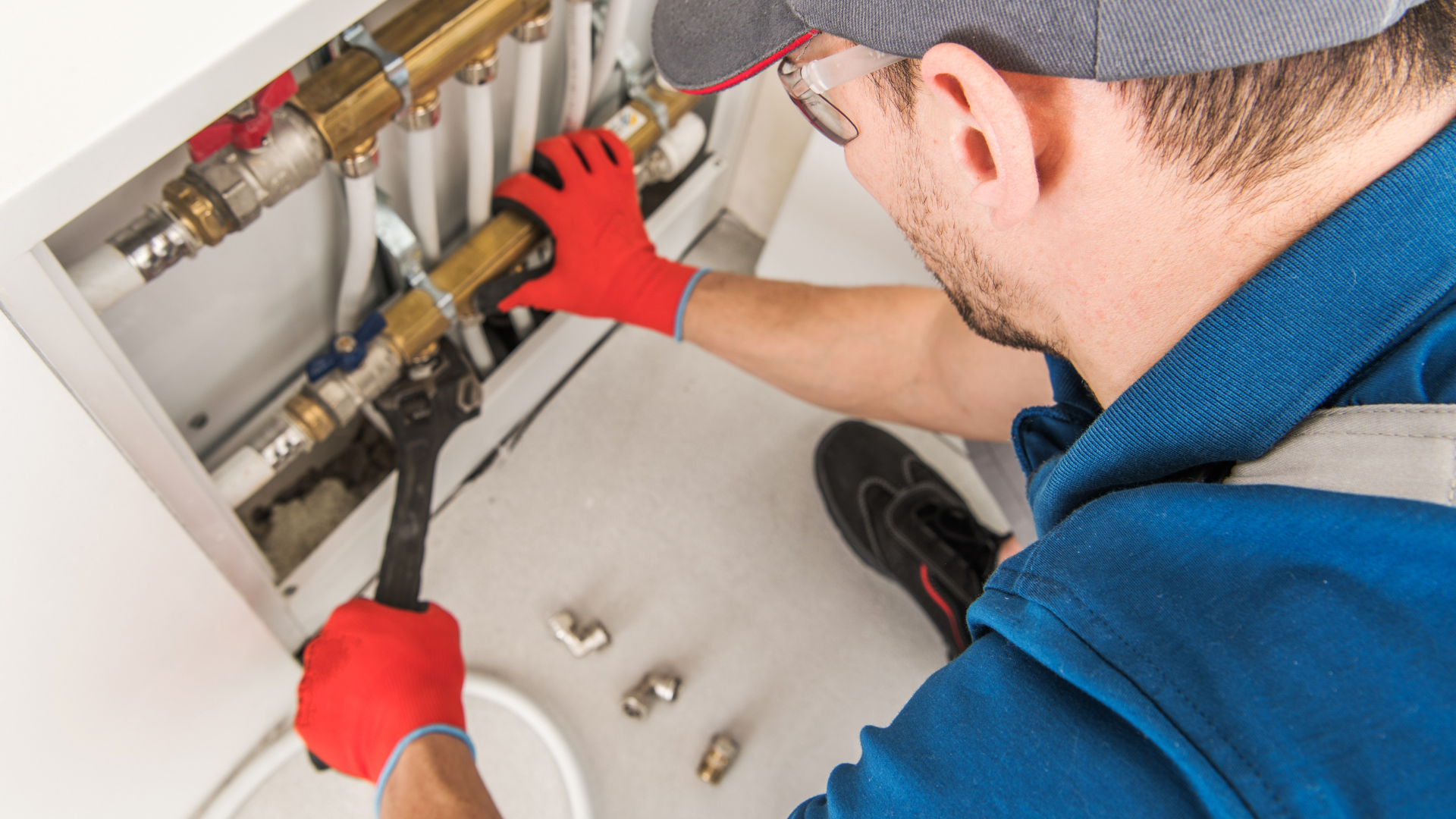
Let’s talk about something we all hope we never have to deal with but inevitably might: plumbing emergencies. You know, those moments when water starts gushing out of nowhere, or your toilet decides to stage a rebellion right in the middle of the night. It’s every homeowner’s nightmare, but fear not! In this guide, we’ll discuss everything you need to know about emergency plumbing services and when it’s time to dial up that 24/7 plumber. Keep in mind that if there is any damage after a plumber has come and sorted the issue, you may need to call a service like Protegrity Restoration to come in and assess the aftermath so you can get the proper support.

Understanding Plumbing Emergencies

First things first, what exactly constitutes a plumbing emergency? Well, if it’s a situation that can’t wait until the next business day or until your regular plumber is available, then it’s probably an emergency. Think burst pipes, overflowing toilets, or sudden water leaks that could cause serious damage to your home if left unchecked. In such cases, it’s essential to contact a professional service, such as the one available at https://callmilestone.com/, to ensure the issue is addressed promptly and efficiently.

Signs You Need Emergency Plumbing Services

Now, let’s delve into the nitty-gritty of when to call in the cavalry, aka the 24/7 plumber. Here are some signs that you might be facing a plumbing emergency:

  1. Flooding: If water is pooling up in your home and threatening to turn your living room into an indoor swimming pool, it’s time to pick up that phone and contact a plumber in Belrose.
  2. No Hot Water: Sure, cold showers can be invigorating, but not when it’s due to a malfunctioning water heater. A lack of hot water, especially in colder months, is definitely a plumbing emergency.
  3. Sewage Backup: If sewage is backing up into your sinks, showers, or toilets, it’s not just gross – it’s a health hazard. This calls for emergency plumbing services pronto.
  4. Burst Pipes: This is every homeowner’s worst nightmare. If you hear the sound of rushing water or notice water stains on your walls or ceiling, don’t wait to take action. Reach out for help immediately by getting in touch with Drainage Services from Express Drainage Solutions, or a similar company. They can quickly address the issue and help to prevent any further damage.
  5. Gas Leaks: Gas leaks are extremely dangerous and require immediate attention. If you smell gas or suspect a leak, evacuate your home and call both your gas company and a plumber.

What to Expect from Emergency Plumbing Services

So, you’ve decided to bite the bullet and call a 24/7 plumber. What can you expect once help arrives? Here’s a quick rundown:

  1. Prompt Response: Emergency plumbers understand the urgency of the situation and will typically arrive at your doorstep in no time.
  2. Assessment: The plumber will assess the situation and determine the best course of action to mitigate the damage and restore your plumbing system to working order.
  3. Repairs: Once the plumber has identified the problem, they’ll get to work on fixing it. This might involve repairing or replacing damaged pipes, unclogging drains, or addressing any other issues causing the emergency.
  4. Preventive Measures: In addition to addressing the immediate problem, a good plumber will also provide recommendations for preventing future emergencies. This might include regular maintenance, installing flood sensors, or upgrading outdated plumbing fixtures.


DIY vs. Calling a Pro

Now, I know we all like to fancy ourselves as handypersons, but when it comes to plumbing emergencies, it’s usually best to leave it to the professionals. Sure, you can try to stem the tide with a bucket or turn off the water main, but for anything beyond that, it’s time to call in reinforcements. If you’re in need of an emergency plumber, then search for ’emergency Plumber Rancho Santa Fe‘ (or elsewhere relevant) and read through the most highly reviewed results.

 
Preventing Plumbing Emergencies

Of course, the best way to deal with plumbing emergencies is to prevent them from happening in the first place. Here are some tips to keep your plumbing system running smoothly:

  • Regular Maintenance: Schedule annual inspections with a qualified plumber to catch any potential issues before they escalate into emergencies.
  • Watch What You Flush: Avoid flushing anything other than toilet paper down the toilet, and be mindful of what goes down the kitchen sink drain to prevent clogs.
  • Protect Your Pipes: Insulate exposed pipes during colder months to prevent freezing and bursting.
  • Know Your Water Main: Familiarize yourself with the location of your water main and how to shut it off in case of emergencies.


FAQs About Emergency Plumbing Services

Q: Are emergency plumbing services more expensive? A: While emergency plumbing services may cost more than scheduled appointments, the cost of water damage from a plumbing emergency far outweighs the price of calling in a pro.

Q: Can I wait until regular business hours to call a plumber? A: It’s best to err on the side of caution and call for emergency plumbing services if you’re facing a situation that could cause significant damage to your home if left untreated.

Q: How can I find a reliable 24/7 plumber? A: Ask for recommendations from friends or family, read online reviews, and make sure the plumber is licensed and insured before hiring them.

In Conclusion

Nobody wants to deal with a plumbing emergency, but knowing when to call a 24/7 plumber can save you time, money, and a whole lot of stress. Remember, when in doubt, don’t hesitate to pick up that phone and dial for help. Your home – and your sanity – will thank you for it!

Understanding Current Real Estate Trends in the US: Insights for Buyers and Investors

Current real estate trends in the U.S. reflect a complex landscape shaped by various economic factors and shifting buyer preferences. Purchasing activity is influenced by interest rates, housing supply, and demographic changes, which all play critical roles in the market’s direction. As potential homebuyers navigate this environment, understanding these trends becomes crucial for making informed decisions.

Recent data indicates that housing prices continue to fluctuate, often driven by varying levels of demand across different regions. Cities experiencing job growth tend to see increased competition for homes, while others may struggle with an oversupply. This dynamic can create both opportunities and challenges for buyers and sellers alike.

Additionally, shifts in work habits and lifestyles are influencing real estate preferences. With more individuals working remotely, there is a noticeable demand for larger homes in suburban areas. Recognizing these patterns will help readers grasp the current state of the real estate market and anticipate future developments.

Overview of Current U.S. Real Estate Market Conditions

The current real estate market in the U.S. is characterized by fluctuating demand and varying supply dynamics. A closer examination of key drivers, recent developments, and regional differences provides a clearer picture of market conditions.

Key Market Drivers

Several factors are influencing the real estate market in 2025. Low mortgage rates continue to attract buyers, boosting demand, even as inflation concerns linger. Increased remote work has shifted preferences towards suburban and rural areas where home prices may be lower.

Supply chain issues are affecting construction, limiting new home builds, and further tightening the market. In addition, demographic trends, including millennials reaching home-buying age, are adding pressure. The demand for properties is particularly strong in states like Florida, which has seen an influx of residents from high-cost regions.

Recent Market Trends in 2025

Market trends through the early months of 2025 reveal notable shifts. Home prices have shown resilience, with April 2025 data indicating a year-over-year increase of approximately 5%. Despite economic uncertainties, home values remain strong, especially in high-demand areas.

Sales volume has also fluctuated, with March 2025 showing a slight decline in transactions as buyers face affordability issues. Market conditions are still favorable for sellers, leading to competitive bidding environments in many regions. Condominiums and multifamily units are gaining attention as buyers seek alternative living arrangements, thereby expanding options in the housing market.

Regional Variations

Regional differences are significant within the U.S. real estate market. Florida, for instance, continues to experience robust demand driven by its favorable climate and tax advantages. The rise in home prices has made affordability a concern, pushing some buyers towards more affordable areas or different housing types.

In contrast, more traditional markets like the Northeast are feeling the effects of slower transaction volumes. High home values combined with limited inventory have created challenges for both first-time and seasoned buyers.

The West Coast has experienced similar patterns, with high demand in tech-driven cities. However, the supply constraints are leading to fluctuations in availability and price stability. Understanding these variations can help investors and buyers make informed decisions in the current landscape.

For those focused on high-demand coastal or luxury markets, pairing national trends with hyperlocal data is essential for realistic expectations. Localized resources that compile neighborhood data, recent sales and market reports make it easier to assess timing and pricing in specific towns. For example, a dedicated local site like La Jolla Real Estate provides neighborhood guides and up-to-date sales information tailored to La Jolla’s unique coastal market. Consulting those resources alongside broader trends helps buyers and sellers make better-informed choices.

Economic Factors Influencing Real Estate Trends

Current economic conditions significantly impact real estate trends. Key factors include interest rates and the Federal Reserve’s policy regarding inflation, which together shape the landscape for buyers and sellers alike.

Interest Rates and Borrowing Costs

Interest rates directly affect mortgage rates, which in turn influence borrowing costs for homebuyers. When rates rise, the cost of financing a home increases. This scenario can deter prospective buyers from purchasing homes, leading to a decrease in demand.

For example, a 1% increase in interest rates can lead to a significant rise in monthly mortgage payments. As borrowing becomes more expensive, home affordability declines, impacting housing prices. In high-interest environments, buyers may opt for smaller homes or delay purchases, further affecting market dynamics.

Federal Reserve Policy and Inflation Impact

The Federal Reserve plays a crucial role in managing inflation through its monetary policy. When inflation rises, the Fed may decide to increase interest rates to stabilize the economy. Higher rates can curtail spending and investment, creating uncertainty in the housing market.

Economic uncertainty often results in fluctuations in buyer confidence. As home prices adjust to higher borrowing costs, sellers may face challenges in attracting buyers. This dynamic leads to a more cautious approach in real estate transactions, influencing overall market activity and trend trajectories.

Supply, Demand, and Pricing Dynamics

The dynamics of supply and demand significantly influence pricing trends in the real estate market. Current shifts in home sales, inventory levels, and construction costs shape the landscape for buyers and sellers alike.

Home Sales and Inventory

Recent data indicates that existing home sales have fluctuated, with many markets experiencing a tight inventory. In many areas, low inventory continues to create competitive conditions, leading to quicker sales. New home sales are also contributing to the dynamics, as builders attempt to meet demand. As of mid-2025, the months of supply available for sale remain lower than historical averages. Lower inventory pushes buyers to act quickly, often resulting in bidding wars.

For homeowners weighing whether now is the right time to list, understanding all selling options is important. In tight markets or when timelines are constrained, sellers may consider alternatives to the traditional listing process—such as cash buyers that purchase properties as-is to provide fast closings and reduce carrying costs. Comparing these routes can help owners decide between listing for market price versus accepting a quicker, certain sale. For more information on companies that specialize in quick purchases, homeowners can review available homes for sale options and typical timelines.

Trends in Home Prices

Home prices have seen a notable increase in recent years. Driven by persistent demand and limited supply, median home values have risen substantially. In some regions, growth has exceeded normal appreciation rates due to isolated market conditions.

Price appreciation is not uniform across the country, with some metropolitan areas experiencing sharper increases. Affordable housing challenges can emerge, particularly in markets where salaries do not keep pace with rising costs.

Construction Activity and Costs

Construction activity plays a critical role in shaping market conditions. Builders are responding to demand but face challenges related to labor shortages and increased material costs. These factors can delay project timelines and inflate overall construction costs.

Furthermore, rising interest rates can also impact the construction sector. Higher borrowing costs affect developers’ decisions, potentially leading to reduced new builds in the market. Understanding these dynamics is essential for stakeholders at all levels in navigating the complexities of the current real estate market.

Emerging Opportunities and Risks for Real Estate Investors

Investors in the U.S. real estate market face a mix of opportunities and risks. Understanding the dynamics at play can guide strategic decision-making and enhance potential returns.

Real Estate Investment Strategies

Diversification remains a key strategy for investors. By spreading investments across different property types—residential, commercial, and industrial—investors can mitigate risks associated with market fluctuations.

Emerging trends include increased interest in short-term rentals and adaptive reuse projects. The growing popularity of platforms like Airbnb creates opportunities for residential investors. Additionally, transforming outdated properties for modern needs can attract strong tenant demand.

Real estate investors should also consider location analytics. Tools that analyze urban development trends can identify underserved markets. Investing in areas with pending infrastructure improvements could lead to significant appreciation in property values.

Commercial Property and Retail Spaces

The commercial real estate sector is currently influenced by shifts in consumer behavior. With the rise of e-commerce, traditional retail spaces are facing challenges. Investors must assess the viability of retail locations and consider alternative uses for these properties. Mixed-use developments have gained traction, combining retail, residential, and office spaces. This blend can boost foot traffic and increase overall revenue.

Alongside location and tenant mix, the physical condition of a property—particularly the roof—can materially affect operating costs and tenant retention. Proactive roof maintenance reduces the risk of leaks, business interruptions, and costly emergency replacements, which is a key consideration for owners of large retail and mixed-use buildings. Property managers operating in Arizona often rely on local service providers for timely inspections and claim support, such as commercial roof repair Phoenix Arizona services. Including roof condition in due diligence and budgeting helps preserve asset value and avoid unexpected capital expenditures.

Moreover, curb appeal often plays a crucial role in the performance of commercial and retail properties. A well-maintained exterior creates a positive first impression, attracts tenants, and increases customer traffic. For instance, enhancing a property’s appearance with strategic outdoor lighting can improve visibility, safety, and overall appeal, especially when installed by experienced professionals from reputable firms like Bay Lighting who understand the lighting needs. Similarly, upgrading exterior signage, landscaping, or facade elements can further elevate the property’s image, supporting stronger tenant retention and higher rental value.

Moreover, market research indicates that certain retail segments, such as grocery and discount stores, continue to thrive. Investing in these resilient retail types may offer better returns amidst declining demand for traditional retail. Additionally, urbanization trends suggest a growing need for adaptive commercial spaces. Properties that can easily transition to meet evolving market demands will likely present lower risks.


Home Buying Checklist: Essential Factors to Consider

Buying a home is one of the most significant decisions you’ll ever make. It’s not just a financial investment; it’s a place where you’ll create memories, build your life, and make it your own. However, this journey can be both exciting and daunting. To ensure you make a well-informed decision, we’ve put together an essential home buying checklist that covers everything you need to consider before taking the plunge.


Budgeting: The Foundation of Your Home Purchase


1. Determine Your Budget

Before you start exploring homes, it’s crucial to establish a clear budget. Consider your income, expenses, and savings. Ensure that you have enough funds for a down payment, closing costs, and potential unexpected expenses.


2. Get Pre-approved for a Mortgage

Getting pre-approved for a mortgage gives you a clear idea of how much you can borrow. It also makes you a more attractive buyer to sellers, as they know you’re serious and financially capable.


Location Matters: Choosing the Right Neighborhood


3. Identify Your Preferred Neighborhood

Location is key when buying a home. Consider factors like commute times, proximity to schools, parks, and amenities, and the overall safety of the area. Visit the neighborhood at different times of the day to get a feel for it. When viewing homes for sale washington mo, be sure to look at the proximity to essential amenities like schools, hospitals, and shopping centers which make day-to-day life easier and more enjoyable.


4. Research Local Schools

Even if you don’t have children, the quality of local schools can impact your property’s value. Research the schools in the area, for example, the best schools in GTA, and their ratings to make an informed decision. On the other hand, for families with young children, access to quality education is often a top priority when purchasing a home. Why? Well, not many will be enthusiastic in sending their children across larger distances in order for them to access quality education. They’d rather send the kids to a school in the local town, provided that the quality is reputable. For instance, many parents in Montgomeryville may find themselves researching “preschool education in Montgomeryville, PA” as part of their home-buying process, especially if the schools happen to be located in that particular vicinity. As such, a comprehensive approach to assessing a location helps ensure that your new home will meet both your current needs and future aspirations for your family.


Property Essentials: What to Look for in a Home


5. Define Your Must-Haves

Create a list of non-negotiable features you want in your new home, such as the number of bedrooms, bathrooms, and any specific amenities. This will help you narrow down your options.


6. Evaluate the Property’s Condition

When touring homes, pay close attention to the condition of the property. Look for signs of wear and tear, potential maintenance issues, and any necessary repairs or upgrades.


7. Inspect the Neighborhood

Take a stroll around the neighborhood to assess factors like noise levels, traffic, and overall appeal. Talk to potential neighbors to get a sense of the community.


Financial Aspects: Navigating the Money Matters


8. Factor in Additional Costs

Besides the purchase price, consider ongoing expenses like property taxes, insurance, and utility bills. These costs can significantly impact your monthly budget.


9. Negotiate Effectively

Don’t hesitate to negotiate the price with the seller. Be prepared to make a reasonable offer and be open to counteroffers. A skilled real estate agent can be a valuable asset during negotiations.


Legal Matters: Ensuring a Smooth Transaction


10. Review the Contract Thoroughly

Read and understand every detail of the purchase contract before signing. If there are any confusing clauses or terms, seek legal advice to ensure you’re protected.


11. Complete a Home Inspection

A professional home inspection is a crucial step in the buying process. It can uncover hidden issues that may not be visible during your initial visits. Make sure to get mold testing done during the process of your home inspection. Extensive mold can quickly become a matter of health concern and can also cause serious damage to the property which can turn into costly repairs, if not dealt with on time. Additionally, don’t forget to also get the exterior looked into as well. You want to make sure that no external issues are going to have a knock on effect inside your home. For instance, it might be a good idea to call in denver sewer inspection experts, or ones like them, if you suspect that there might be an issue with the sewer line that can then create a leak under the foundation. It is better to be safe than sorry.


12. Be Mindful of Contingencies

Contingencies in your contract, such as a financing contingency or appraisal contingency, can protect you if unexpected issues arise. Understand their implications fully.


Future-Proofing: Planning for the Long Term


13. Think About Resale Value

While your new home should suit your current needs, it’s also essential to consider its resale value. Trends can change, and you want to ensure your investment remains sound.


14. Assess Your Long-Term Goals

Consider how this home aligns with your long-term goals. Are you planning to stay for a few years or make it your forever home? Your plans should influence your decision.


The Human Touch: Finding the Right Real Estate Agent


15. Choose the Right Real Estate Agent

A skilled real estate agent can simplify the home-buying process and help you find the perfect property. Look for someone with local knowledge, experience, and a good reputation.


Bonus Tips for a Smoother Home Buying Experience

Now that you have the essentials covered, here are some bonus tips to make your home buying experience even smoother:


16. Don’t Rush

Take your time throughout the process. Rushing into a decision can lead to regrets. Be patient and wait for the right opportunity.


17. Research Property Values

Understanding property values in your chosen neighborhood can help you make an informed offer. Don’t overpay for a home based on emotions alone.


18. Get a Second Opinion

It’s always a good idea to bring a trusted friend or family member with you when viewing properties. They may notice things you missed.


19. Consider Future Plans

Think about how your life may change in the coming years. Will your family grow? Will you need extra space? Factor in potential future needs.


20. Read Reviews

If you’re considering a condo or a property within a community, read reviews from current residents to get insights into the living experience.”‹


Final Thoughts

Remember that patience and thorough research are your allies in making the right decision.

Budgeting for Your Dream Home: Tips for Cost-Effective House Building

Ah, the dream of building your own home! It’s like crafting a personal piece of paradise. But let’s be real: the road to creating your haven can be littered with budget pitfalls and expense landmines. Fear not! I’m here to share some savvy tips to keep your bank account smiling as you embark on this exciting journey.


Understanding Your Budget

1. Start with a Clear Picture

First things first, get a grip on your finances. How much can you really afford to spend? This isn’t just about the money you have in the bank; consider your stable income, ongoing expenses, and yes, those sneaky little emergencies that like to pop up unannounced. You also need to look at the costs in your area too, for example, the average cost to build a house in PA, so you know what you’re working with.

2. Dream Big, Plan Smart

Dream home doesn’t mean a fantasy castle (unless you can afford one, then by all means!). Balance your desires with reality. Companies like Kopper Creek Homes Montrose (or other similar services elsewhere) tend to specialize in helping homeowners achieve their dream homes while staying within budget. They understand that smart planning is key to realizing your vision. For instance, you might be asking yourself if you would like to have a marble foyer. That is a great option but maybe opt for less expensive tiles especially if you plan on budgeting. As such, with expert guidance, you can prioritize luxury elements while making savvy choices in other areas, ensuring your dream home is both beautiful and attainable.

Choosing the Right Team

3. The Golden Rule of Hiring

Building a solid team for any construction project is crucial, involving architects, builders, and contractors. However, it’s essential not to settle for the first option you come across. Conduct thorough research, compare different professionals, and don’t hesitate to negotiate terms that work best for your project and budget. Keep in mind that the highest price doesn’t necessarily guarantee the best outcome. Instead, prioritize expertise, reliability, and a track record of successful projects. By investing time in selecting the right team members, including a skilled general contractor, you ensure that your construction project progresses smoothly and achieves the desired results within your means.

4. Communication is Key

It’s crucial to ensure that your team understands and shares your vision clearly. Clearly articulate your expectations and objectives from the outset, leaving no room for ambiguity. Keep communication channels open and encourage regular updates and feedback from all team members. Misunderstandings in construction projects can lead to costly delays, errors, or rework, impacting both the timeline and budget. By fostering a collaborative environment where everyone is aligned on the project’s goals and details, you enhance the likelihood of a successful outcome. Effective communication ensures that everyone is on the same page, minimizing misunderstandings and maximizing efficiency throughout the construction process.

Designing on a Budget

5. Function Over Frills

When planning the construction of speculative or custom homes in Chester County, PA, or one in your location, it’s essential to prioritize functionality over purely aesthetic considerations. While features like extra-large windows may appear visually striking, it’s crucial to assess whether they serve a practical purpose beyond enhancing the appearance. Consider factors such as natural light distribution, energy efficiency, and how the space will be utilized daily.

6. Energy Efficiency for the Win

Think long-term savings. Energy-efficient designs might cost more upfront, but they’ll save you a bundle in the long run. For instance, well-insulated walls and windows can minimize heating and cooling costs throughout the year by maintaining consistent indoor temperatures. Similarly, energy-efficient appliances use less electricity or water, reducing monthly utility expenses. These savings accumulate over the years, offsetting the initial higher costs of energy-efficient upgrades.

Managing the Building Process

7. Stay on Top of Things

Regular site visits during construction are essential for ensuring project success and preventing costly mistakes. By regularly inspecting the construction site, you can actively monitor progress, assess work quality, and address any potential issues or discrepancies before they escalate.

8. Flexibility Saves Money

Be flexible. Sometimes, things won’t go as planned. Adapting can save you more than insisting on something that’s proving to be a budget buster.

Finishing Touches

9. DIY Decor

When it comes to interior decoration, your creativity can save you tons. DIY projects can be fun and give your home a unique touch.

10. Second-Hand Treasures

Don’t underestimate thrift stores and flea markets. Some of the best, most character-filled items can be found for a fraction of the cost of new ones.

Expanded Budgeting Insights

11. Future-Proofing Your Home

Think about the future. Will your family grow? Might you need a home office later? Designing with future needs in mind can save you from expensive remodeling down the line.

12. Insurance and Taxes

Don’t forget the less exciting but crucial aspects like property taxes and insurance. These can significantly impact your overall budget, so factor them in early.

In-Depth Team Selection

13. Check References Thoroughly

Before signing on the dotted line with a contractor or architect, dive deep into their references. Happy former clients are usually a good sign of a job well done.

14. Emphasize Local Expertise

Local builders often have insights into cost-saving materials and design elements that are specific to your area’s climate and geography.

Smart Design Choices

15. Multi-Functional Spaces

Incorporating multi-functional rooms in your home design offers practicality and efficiency, particularly in optimizing space and budget. For example, a guest room that doubles as a study serves dual purposes without the need for separate dedicated spaces. This approach not only saves on square footage but also reduces construction costs associated with building additional rooms.

16. Opt for Timeless Over Trendy

Choose designs that are timeless. Timeless designs have enduring appeal that transcends passing trends, ensuring that your home maintains its aesthetic charm and value over the years without becoming dated.
Trendy designs, while appealing initially, can quickly become outdated as design trends evolve. This can necessitate costly updates or renovations to keep up with current styles, which may not align with your long-term vision or budget.

Construction Management

17. Understand Material Costs

Get a basic understanding of material costs. This knowledge helps in making informed decisions and can prevent being overcharged.

18. Regular Budget Reviews

Regular budget reviews during the construction phase are essential for proactive financial management. By scheduling these reviews at key milestones, such as before starting new phases or after completing significant portions of the project, you can effectively monitor expenses and identify potential budget overruns early on.

Eco-Friendly and Cost-Effective

19. Rainwater Harvesting Systems

Installing a rainwater harvesting system is a sustainable choice that offers both environmental benefits and cost savings. This system collects rainwater from rooftops or other surfaces, storing it for future use in landscaping, irrigation, or even household purposes like toilet flushing or laundry.

20. Use Local Materials

Opt for locally sourced materials. It offers dual benefits: it reduces transportation costs and is environmentally friendly. By choosing materials sourced nearby, you minimize the carbon footprint associated with transportation, as well as support local businesses and economies.

The Final Stages

21. Landscaping on a Budget

Landscaping can be done gradually. You can start with foundational elements, such as establishing a basic lawn and perhaps planting a few trees or shrubs. It can create a functional and aesthetically pleasing landscape while managing costs over time. Also, begin by assessing your immediate needs and priorities for the outdoor area. This could involve clearing and leveling the terrain, seeding or laying sod for a lawn, and installing basic irrigation if necessary. These foundational steps provide a clean canvas for future landscaping projects. By partnering with a reputable Landscaping company, you can turn this vision into reality. They can provide expertise in planning and executing landscaping projects, ensuring that each element, from lawn installation to plantings and irrigation, everything is handled professionally.

22. Quality Over Quantity

When furnishing your home, prioritizing quality over quantity is a wise approach. Opting for a few well-made pieces rather than numerous lower-quality ones ensures that your furniture not only looks good but also lasts longer and performs better over time.

Wrapping It Up

23. Celebrate the Small Wins

Enjoy the process! Each step brings you closer to your dream home. From conceptualizing the initial design to finalizing construction details, every decision and progress made brings you closer to realizing your vision.

24. Patience Pays Off

In the realm of home building, patience proves invaluable. Rushing decisions can frequently result in unforeseen expenses and complications. When you take your time to carefully consider each step, you allow for thorough planning and assessment of options.

Conclusion

Building your dream home doesn’t have to be a wallet-draining nightmare. With smart planning, a clear budget, and a dash of creativity, you can turn the home of your dreams into a beautiful reality. So, roll up your sleeves, put on your thinking cap, and let’s make that dream home happen without breaking the bank! ğŸ-︟’°ğŸ

Elevate Your Property with Custom Iron Railings

When it comes to home improvement, there’s a timeless element that effortlessly blends aesthetics with functionality: custom iron railings. These ornate additions not only enhance the curb appeal of your property but also provide a sturdy and durable safety feature. Let’s dive into the world of custom iron railings and explore how they can elevate the style and substance of your home.


1. The Artistry of Custom Iron Railings

Imagine walking up to your home and being greeted by a stunning display of artistry in the form of custom iron railings in NY. Unlike mass-produced alternatives, these railings can be tailored to match your unique taste and the architectural nuances of your property. Craftsmen pour their expertise into creating intricate designs, turning a simple functional element into a work of art.


2. Tailored to Your Taste

One of the standout features of custom iron railings is the ability to reflect your personal style. Whether you lean towards classic elegance or prefer a more contemporary vibe, these railings can be designed to seamlessly integrate with your overall aesthetic. The options are limitless, from sleek and minimalistic designs to ornate patterns that make a bold statement.


3. Durability Beyond Compare

Beyond their aesthetic appeal, custom iron railings are renowned for their durability. Unlike their wooden or plastic counterparts, iron railings stand the test of time, resisting the elements with grace. This longevity not only ensures a wise investment but also minimizes the need for frequent replacements or repairs, adding to the overall cost-effectiveness.


4. Safety and Security

Beyond the visual allure, custom iron railings serve a crucial role in ensuring the safety and security of your home. Their robust construction provides a formidable barrier, preventing accidents and offering peace of mind. Whether you have a sprawling staircase or a charming balcony, these railings can be customized to meet safety standards without compromising on style.


5. Low Maintenance, High Impact

In the hustle and bustle of modern life, the last thing anyone wants is a home improvement project that demands constant attention. Custom iron railings, fortunately, require minimal maintenance. A periodic wipe down or a fresh coat of paint every few years is usually sufficient to keep them looking as good as new, allowing you to enjoy their beauty without the hassle.


6. Enhancing Curb Appeal

Your home’s exterior sets the tone for what lies within, and custom iron railings play a pivotal role in enhancing curb appeal. Working with professionals such as Sterling Builders Group, can ensure that your railing designs are both stylish and durable, adding lasting value to your property. Whether you’re aiming to impress potential buyers or simply want to relish the joy of coming home to a visually stunning property, these railings make a memorable statement.

In addition to custom railings, you can enhance your home’s exterior even more by incorporating landscaping and gardening services that include design, installation, and maintenance. A well-maintained garden with vibrant flower beds and strategically placed shrubs could beautifully complement the elegance of custom iron railings.

For instance, a pathway leading to your entrance can create an inviting approach that highlights both the railings and the surrounding landscape. By combining custom railings with professional landscaping, you could not only boost your home’s curb appeal but also create an outdoor space that reflects your style while increasing property value and enhancing your enjoyment of your surroundings.


7. A Sustainable Choice

In an era where sustainability is a growing concern, opting for custom iron railings aligns with eco-friendly practices. Iron is a recyclable material, making these railings an environmentally conscious choice. By choosing durability and recyclability, you contribute to a more sustainable future without compromising on style. Similarly, when undertaking home improvements, installing new windows for home can enhance your sustainable design by improving energy efficiency, and boosting the overall aesthetic appeal of your living space.
 

8. The Installation Process: Seamless and Efficient

You might be envisioning a tedious and disruptive installation process, but fear not. Experienced craftsmen ensure that the installation of custom iron railings is a seamless and efficient endeavor. With minimal disruption to your daily life, you can witness the transformation of your property unfold without the hassle commonly associated with major home improvement projects.


9. Beyond Boundaries: Versatility in Application

The versatility of custom iron railings extends far beyond conventional outdoor staircases. Picture this: a charming garden bridge adorned with delicately designed railings, or a rooftop terrace framed by sturdy yet elegant iron barriers. These versatile additions can be tailored for various applications, allowing you to infuse a touch of sophistication into every corner of your property. Whether it’s a whimsical balcony or a practical handrail for a sloping pathway, the adaptability of custom iron railings knows no bounds. When paired with timber frame glazed doors and windows from companies like The Belgravia Group, these elements can create a seamless, stylish look that enhances your home’s overall appeal. With thoughtful design and expert craftsmanship, your home will exude sophistication and charm, perfectly blending timeless beauty with modern practicality.


10. Collaborate and Create: The Personalized Design Experience

Embarking on the journey of enhancing your property with custom iron railings is not just a transaction; it’s a collaborative design experience. Work closely with skilled craftsmen who are passionate about bringing your vision to life. From the initial concept to the finishing touches, you have the opportunity to contribute your ideas and preferences, ensuring that the end result is a true reflection of your style and personality. This personalized touch adds a layer of connection to your home improvement project, making it a memorable and enjoyable experience.


In Conclusion: Elevating Homes with Elegance and Practicality

Custom iron railings stand as a testament to the harmonious blend of elegance and practicality. Beyond their aesthetic appeal, these additions contribute to the safety, durability, and sustainability of your home. So, if you’re looking to make a lasting impression and elevate your property to new heights, consider the timeless allure of custom iron railings. After all, your home deserves nothing but the best.

What to Ask Your Real Estate Agent Before Buying: Essential Questions for Informed Decisions

Choosing the right real estate agent can significantly impact the home-buying experience. Buyers need to ask informed questions to ensure they understand the market and the process. Buyers should inquire about the agent’s experience, knowledge of the local market, and the resources they offer to help find the right home.

Effective communication is key in any real estate transaction. Asking how the agent plans to keep the buyer informed throughout the process can highlight their commitment and transparency. Buyers may also want to assess the agent’s negotiation skills and strategies, which can ultimately save them money and time.

Understanding the agent’s approach to the buying process is crucial. Questions about their past client experiences and references can provide insight into what to expect. By asking the right questions, buyers can ensure they have a knowledgeable partner guiding them through one of life’s most significant investments.

Understanding Your Real Estate Agent’s Role and Expertise

Real estate agents play a critical role in the home-buying process. Their expertise and knowledge can significantly impact a buyer’s experience and outcomes. Understanding the agent’s experience and specializations helps buyers make informed decisions.

Agent Experience and Licensing

A buyer should evaluate the experience level of their San Francisco real estate agent (provided that’s where they are looking to purchase their property). Full-time agents typically have more exposure to the market compared to part-time agents. Checking if the agent holds a valid real estate license is essential, as this credential ensures they are legally recognized to conduct transactions.

Questions to consider include:

  • How many transactions has the agent completed in the past year?
  • What type of transactions does the agent typically handle? (e.g., first homes, investment properties)
  • Does the agent work independently or for a real estate broker?

Experience often translates to better negotiating power and insight into local market trends.

Specializations and Local Knowledge

Agents often have specializations that can benefit buyers. For instance, some agents focus on specific neighborhoods, while others specialize in certain types of properties. Local market knowledge is vital. Agents familiar with various neighborhoods can provide insights into;

  • Pricing trends
  • School districts
  • Community amenities

A knowledgeable agent can utilize the MLS (Multiple Listing Service) effectively to find properties that meet a buyer’s criteria. Understanding these aspects enables buyers to engage with the real estate market more effectively.

Assessing Your Financial Preparedness for Homebuying

Financial readiness is crucial in the homebuying process. Homebuyers must evaluate their budgets and secure mortgage preapproval to make informed decisions.

Establishing a Realistic Budget

Creating a budget is essential for any homebuyer. This budget should factor in not only the home price but also additional costs such as property taxes, homeowners’ insurance, and maintenance.

A common guideline is that housing costs should not exceed 28% of a buyer’s gross monthly income. It’s crucial to determine a comfortable price range. Buyers can use tools like online mortgage calculators to estimate monthly payments based on various loan types and interest rates.

Key expenses to include:

  • Down payment
  • Closing costs
  • Moving expenses

Assessing financial information, including savings and income stability, will support setting a realistic budget.

Navigating Mortgage Preapproval and Lenders

Mortgage preapproval is a critical step in the buying process. It provides homebuyers with a clear understanding of how much they can afford and strengthens their position when making offers. Homebuyers should compare different mortgage lenders to find favorable rates. Gathering necessary documentation, such as income verification and credit history, is vital to obtain a preapproval letter.

A healthy credit score typically above 620 improves chances for better interest rates. Lenders assess credit scores to determine loan eligibility and terms.

Steps for obtaining preapproval:

  • Choose potential lenders.
  • Gather financial documents.
  • Apply for preapproval.

This process not only clarifies financial standing but also prepares buyers for the competitive market of real estate transactions.

Critical Questions to Ask About Properties and the Market

When considering a home purchase, understanding the condition of the property and the market dynamics is crucial. Asking the right questions can provide valuable insights and assist in making an informed decision.

Evaluating Property Condition and Inspections

Inquiring about the condition of a property is essential for identifying potential issues, including plumbing concerns that might require emergency plumbing services. Buyers should ask if there have been any recent inspections and request related reports.

Key questions include:

  • What is the age of the roof and major systems (HVAC, plumbing, electrical)?
  • Are there any known repairs or renovations?
  • Has the property had pest inspections?

Beyond reviewing reports and asking questions, buyers should pay close attention to the property’s structural condition. Even well-maintained homes can have hidden foundation issues that may not be immediately visible. For example, minor cracks in walls or ceilings, uneven floors, doors that stick or don’t close properly, and water pooling around the foundation can all indicate underlying problems. To address these concerns, consulting specialists for foundation repair in San Juan Capistrano or other locations, can help identify and fix issues early, ensuring the property remains safe and its value is protected.

Understanding Market Dynamics and Pricing

Real estate professionals can provide insights into current market conditions. Buyers should ask about the type of market they are entering, whether it is a seller’s market, a buyer’s market, or a balanced market.

Important questions include:

  • What is the comparative market analysis (CMA) for similar properties?
  • How long have homes been on the market in this area?
  • What are the average closing costs and commissions?

These inquiries can help buyers determine if a listing is fairly priced and whether it represents the best deal.

Exploring Neighborhood Insights

The neighborhood plays a significant role in property value and quality of life. Buyers should collect information about local amenities, safety, and the types of properties available. For example, exploring homes for sale in Radnor school district and elsewhere, can give buyers a sense of the variety of layouts, styles, and price points in a desirable area.

Questions to consider include:

  • What are the nearby schools’ ratings?
  • How accessible are public transportation and major highways?
  • What is the neighborhood’s demographic and community vibe?

Gathering neighborhood insights can greatly influence the decision-making process and enhance satisfaction with the purchase.

Negotiating and Closing the Real Estate Transaction

Negotiating the terms of a real estate transaction is crucial for securing the best deal. Understanding the closing process and associated costs helps clients make informed decisions.

Negotiation Strategies and Offers

Effective negotiation strategies are essential for clients looking to maximize their investment. It’s vital to research comparable properties to substantiate offers. This includes evaluating recent sales and market trends, which can strengthen their position.

Clients should consider making an initial offer lower than the asking price while maintaining a reasonable range to avoid alienating sellers. Counteroffers often shape the negotiation and provide space for adjustment.

When negotiating, clients need to communicate clearly with their real estate agent about their priorities, such as price, contingencies, and closing dates. This clarity helps align expectations and fosters effective negotiation.

Understanding Closing Processes and Costs

The closing process is the final step in completing a real estate transaction. Clients must be familiar with several key elements, such as a review of all legal documents and final payment arrangements. Closing costs typically range from 2% to 5% of the purchase price, including lender fees, title insurance, and escrow fees. Clients should request a detailed estimate of these costs early in the process to avoid surprises.

Additionally, he or she should understand the timeline of closing, which generally takes 30 to 60 days. Preparing all necessary documentation in advance expedites the process and ensures a smooth transaction.


How to Sell Your Home to an iBuyer

At this point, you probably think it would be a pretty simple process to sell your home to an iBuyer. It’s always great when everything is easy, but selling your home to an iBuyer is not as simple as it seems. For starters, iBuyer companies purchase homes in as-is condition, which means they don’t pay for repairs. So, while you’re motivated to sell your home, the last thing you want is to deal with a repairman in your new house. But even if your house isn’t in bad shape, the iBuyer company may still not be interested in it, depending on its condition.

The housing market is picking up, and it’s a seller’s market in some areas of the country. This means selling your home may be easier than you think. However, first things first: you’ll need to know how to sell your home to an iBuyer, also known as a real estate buying firm. This type of firm will buy your home from you directly—without listing it on the market. So, if you’ve found the perfect house, you’ll want to know how to sell to them. You can visit sites like http://www.sellmyhousefastnortheast.com to learn more about the exact process of selling your house.

That said, selling your home to an iBuyer, also known as a buyer’s agent, is an appealing option. Buying your home is stressful enough as it is, but adding the pressure of selling it on your own or working with an agent who won’t guarantee a sale can be infuriating. However, when you work with an iBuyer, you don’t have to worry about selling your home. You can focus on finding a new place to live.

As the housing market strengthens, particularly in a seller’s market, ensuring your home is in prime condition could become crucial for attracting buyers. Roofing repairs are among the most significant improvements you can make. A well-maintained roof not only protects the home but could also enhance its curb appeal, which is critical when attracting potential buyers. Hiring professionals specializing in Roofing in Hillsboro or elsewhere could help with this.

Additionally, other improvements could also significantly enhance your home’s value before selling. For instance, landscaping is another important area to consider. A well-maintained yard with trimmed hedges, fresh mulch, and vibrant flowers creates a welcoming first impression. Buyers are often drawn to homes that look inviting from the outside since curb appeal tends to play a vital role in their decision-making process. Together, these improvements could lead to quicker sales and potentially higher offers, especially when selling to an iBuyer who values move-in-ready homes. 

Selling your house to an iBuyer might seem like a pretty straightforward proposition. After all, they offer an easy and quick way to sell, right? Well, yes and no. And that answer depends on where you live. Of course, your options are probably quite limited if you’re in a major city or college town. If you live in a rural area, however, you’ll find that buying and selling homes is very different in those places.

Many homeowners seek a truly universal solution for selling their property without the usual complications. This often leads them to direct cash home buyers who specialize in purchasing houses in any condition, offering a truly hassle-free experience. Such services provide a clear, no-obligation path to a quick sale, ensuring fair offers and fast closings. For those looking for a straightforward process, regardless of their home’s state or market conditions, exploring options like grandlakehomebuyers.com can be incredibly beneficial. This approach eliminates the need for repairs, showings, or agent commissions, simplifying the entire transaction and providing peace of mind.

Home sellers are enjoying the benefits of working with iBuyer companies. When working with an iBuyer, sellers can sell their home to a company instead of a traditional home buyer. This benefits the seller because they get to keep all of the equity in their home instead of being forced to sell it off to a traditional buyer.

It can be helpful to focus on local cash-buying options and verify how they handle timelines, fees, and paperwork before deciding. Look for companies that publish clear turnaround times, outline closing costs, and provide references from recent sellers so you can compare offers meaningfully. Local specialists such as Easy Exit Home Buyers Illinois often explain typical steps for an as-is sale and what sellers should expect at each stage. Treat that information as part of your research alongside independent valuations and referrals to make a confident choice.

Buying and selling a home can be a stressful experience. Unless you are a cash buyer, you must sell your home first, which can be a long process. If you are selling a home, it can be even harder since you need to find the right buyer. You have more options than just putting your home on the market and letting buyers come to you. You can also decide to sell it yourself. You can sell your home to an investor who can close fast and pay cash. Cash home buyer sites generally offer a faster alternative by buying homes for cash, often closing in a matter of days. This type of sale is called a “we buy houses” transaction and can make the selling and buying process much simpler.

Selling a house the traditional way is hard. More so if you have a stubborn mortgage, have uncooperative tenants, or are behind on the payments. iBuyThatHouse.com is an alternative to selling your house the traditional way. They purchase houses for cash, meaning no traditional listing on a realtor’s website and waiting for a buyer to come along. We’ll even pay all the closing costs and handle all the paperwork, so you don’t have to worry about anything.

Selling your home to an investor group like iBuyer allows you to use the cash quickly. iBuyer specializes in buying homes directly from homeowners so that you can sell your home quickly, easily, and without a real estate agent, saving you thousands of dollars.

Trying to sell your home the traditional way can be a long and frustrating process. It might not happen as quickly as you want, and you might be discouraged by the lack of offers you receive. If you’re tired of waiting and trying to sell your home the traditional way, consider selling your home to an iBuyer. You have two options for selling: the traditional sale or to an iBuyer.

The Future of Kitchen Design: Innovations and Trends

The heart of every home, the kitchen, is undergoing a fascinating transformation as we step into the future of kitchen design. In this blog post, we’ll explore some exciting innovations and trends that are reshaping the way we think about kitchens. From two islands in one kitchen to sustainable materials and smart appliances, the kitchen of tomorrow is a place where form meets function with a dash of style and comfort.

Trend 1: Two Islands, One Kitchen

Imagine a kitchen with not one, but two islands! It’s a trend that’s making waves in the world of kitchen design. Here’s why kitchens with two islands are catching on:

  1. Increased Workspace: Having two islands means more countertop space to work on. Whether you’re preparing a family dinner or hosting a gathering, extra workspace is always a plus.
  2. Multifunctional Zones: One island can be dedicated to meal prep, while the other serves as a breakfast bar or a space for guests to gather around. It creates a seamless flow in the kitchen.
  3. Design Aesthetics: Two islands can be designed in different styles, materials, or colors, adding visual interest and character to the kitchen.
  4. Entertaining Made Easy: When you have two islands, it’s easier to keep the cooking area separate from the social space, making it a breeze to entertain while you cook.

Trend 2: Sustainable Materials Take Center Stage

In the future, making kitchens sustainable is really important. People who own homes and designers are starting to use eco-friendly materials more and more. They do this because it’s good for the environment and it looks nice too. Even when homeowners work with renovation experts, like the ones at www.bkpatterson.co.nz, they often talk about using sustainable materials in their kitchen designs. Here are some of the sustainable materials that are among the top choices:

  • Bamboo Countertops: Bamboo is a rapidly renewable resource that’s gaining popularity as a countertop material. It’s durable, stylish, and eco-friendly.
  • Recycled Glass Backsplashes: Glass backsplashes made from recycled bottles and jars are not only visually stunning but also reduce waste and energy consumption.
  • Cork Flooring: Cork is not just for wine bottles; it’s also an excellent flooring choice. It’s soft underfoot, resistant to moisture, and harvested from sustainable cork oak trees.
  • Reclaimed Wood Cabinets: Reclaimed wood brings warmth and character to your kitchen. Using wood from old barns or factories reduces the demand for new timber.

Trend 3: The Rise of Smart Appliances

In the modern era, the kitchen of tomorrow emphasizes convenience and efficiency. It’s becoming increasingly common for people to turn to Luxury Designer Kitchens From Nicholas Anthony or similar companies to revolutionize cooking experiences and interactions within kitchen spaces. Here are some exciting advancements:

  • Connected Refrigerators: These refrigerators can let you know when you’re running low on certain items, helping you create shopping lists. Some even have built-in cameras so you can see what’s inside without opening the door.
  • Voice-Activated Controls: Imagine telling your oven to preheat or asking your fridge for a recipe while your hands are covered in flour. Voice-activated controls make it possible.
  • Induction Cooktops: Induction cooktops are not only energy-efficient but also safer to use. They heat up instantly and cool down quickly, reducing the risk of burns.
  • Smart Faucets: Smart faucets with touchless controls not only save water but also make cleaning up a breeze.

Trend 4: Minimalism and Open Shelving

Simplicity is the name of the game in the future of kitchen design. Minimalist kitchens with open shelving are becoming increasingly popular for several reasons:

  • Airy and Spacious Feel: Open shelving creates an open and spacious atmosphere, making your kitchen feel less cluttered.
  • Easy Access: With open shelves, everything you need is within arm’s reach, making cooking and meal prep more efficient.
  • Showcasing Decor: Open shelves allow you to display your favorite dishes, cookware, and decorative items, adding a personal touch to your kitchen.
  • Less Maintenance: Cabinets with doors require handles and knobs, which can collect dirt and grime. Open shelving is easy to clean and maintain.

Trend 5: Mixed Materials for Texture and Contrast

Kitchen designers are embracing the concept of mixing and matching materials to create visual interest and depth in kitchen spaces. Here’s how:

  • Contrasting Countertops: Pairing dark countertops with light cabinets or vice versa creates a striking contrast that adds drama to your kitchen.
  • Textured Backsplashes: Textured backsplashes made from materials like subway tiles, shiplap, or 3D tiles add dimension to your kitchen walls.
  • Matte Finishes: Matte finishes on appliances and Kitchen and Bathroom Cabinets are gaining popularity due to their modern and sleek appearance.
  • Metallic Accents: Copper, brass, and black stainless steel are making a comeback as accents in kitchen hardware, faucets, and lighting fixtures.

Trend 6: Integrated Technology for a Seamless Look

In the future, technology in the kitchen is seamlessly integrated into the design, rather than standing out as an eyesore. Here’s how it’s being done:

  • Hidden Charging Stations: Charging stations for devices are concealed within drawers or cabinets, keeping your kitchen clutter-free.
  • Under-Cabinet Lighting: LED lighting strips under cabinets provide both functional illumination and a touch of modernity to your kitchen.
  • Appliance Garages: Appliance garages are cleverly designed storage areas that keep countertop appliances out of sight when not in use.
  • Smart Storage Solutions: Cabinets with pull-out shelves, pantry organizers, and deep drawers maximize storage and keep everything in its place.

Trend 7: Biophilic Design for a Natural Touch

Biophilic design, which incorporates natural elements into the kitchen, is gaining traction for its calming and inviting ambiance:

  • Indoor Plants: Bringing in potted plants or herbs adds a refreshing touch of greenery to your kitchen, improving air quality and reducing stress.
  • Natural Light: Designing kitchens to maximize natural light through large windows or skylights creates a warm and inviting atmosphere.
  • Organic Materials: Using materials like wood, stone, and natural fibers in your kitchen design adds a tactile connection to nature.

Nevertheless, if we are not happy with how our kitchen looks or functions, no worries! Remodeling opens up a world of possibilities. With smart appliances making tasks easier, a mix of materials adding charm, and open shelving bringing simplicity, a reliable Kitchen remodeling company can build us a kitchen that’s more than just a cooking space. Whether we want to make it more efficient, update its style, or just give it a fresh feel, remodeling allows us customize our kitchen to suit our changing tastes and needs.

As we peer into the future of kitchen design, we see a world where functionality, sustainability, and aesthetics come together seamlessly. From the convenience of smart appliances to the beauty of mixed materials and the simplicity of open shelving, these trends are shaping kitchens that are not just spaces for cooking but also for living, entertaining, and creating cherished memories.

So, whether you’re planning a kitchen remodel or simply daydreaming about your dream kitchen, these innovations and trends are sure to inspire you to create a kitchen that’s perfect for your needs and style.

How to Boost Curb Appeal: Enhance Your Home’s Value

When it comes to homeownership, the exterior of your property is just as important as the interior. The curb appeal of your home is the first impression that visitors and potential buyers get, and it can significantly influence their perception of the property’s value and overall appeal. A well-maintained and attractive exterior can instantly elevate the aesthetic appeal of your home, making it more inviting and potentially increasing its market value.

There are several key elements that contribute to a home’s exterior appeal. A lush, well-manicured lawn sets the stage, creating a welcoming and inviting atmosphere. Strategically placed lighting can highlight architectural features and landscaping while also enhancing safety and security. Outdoor living spaces, such as a deck, a patio, or even an Inground pool, provide additional areas for relaxation and entertainment, adding to the overall appeal and functionality of the property. The right combination of these elements can transform your home’s exterior into a true showpiece, leaving a lasting impression on all who visit.

Boosting Curb Appeal: Practical Tips

  1. Landscaping Magic

Landscaping is one of the most effective ways to enhance your home’s curb appeal. Well-manicured lawns, colorful flower beds, and neatly trimmed shrubs can instantly transform your property. Here are some landscaping tips to consider:

– Lawn Care: Keep your lawn healthy and green by regular mowing, fertilizing, and addressing any bare patches.

– Flower Beds: Plant seasonal flowers that add bursts of color throughout the year. Mulch the beds to maintain a polished look.

– Tree and Shrub Pruning: Trim overgrown branches and bushes to create a tidy and inviting appearance.

– Pathways and Driveway: Repair any cracks or uneven surfaces, and consider adding decorative elements like pavers or edging.

Before carrying out any landscaping process, it’s a good idea to get a lay of the land. If there’s any foliage around, getting a tree surveyor to take a look at it could help you decide what to do. You can assess the health of your trees and then make a decision regarding the removal or preservation of the trees.

  1. Exterior Paint

A fresh coat of paint can work wonders for your home’s curb appeal. Choose a color scheme that complements your landscaping and the overall style of your home. Pay attention to the following areas:

– Front Door: Make your entrance stand out with a bold and welcoming door color.

– Exterior Walls: Repaint if necessary, and ensure there are no visible signs of peeling or cracking paint.

– Trim and Shutters: These details should be in good condition and ideally contrast with the main color of your home.

  1. Plantation Shutters: A Stylish Addition

One of the standout ways to enhance your home’s curb appeal and add value to your home is by installing plantation shutters. These versatile window coverings not only provide privacy and light control but also add a touch of elegance to your home’s exterior. Here’s why plantation shutters are an excellent choice:

– Curb Appeal: Plantation shutters have a timeless and sophisticated look that instantly elevates the exterior of your home. They create a sense of symmetry and balance that is visually appealing.

– Energy Efficiency: These shutters can also improve your home’s energy efficiency by providing insulation. They help regulate the indoor temperature, keeping your home cooler in the summer and warmer in the winter.

– Durability: Plantation shutters are built to last. They can withstand various weather conditions, ensuring your investment pays off in the long run.

– Privacy and Security: Apart from their aesthetic benefits, these shutters offer privacy and security for your home, which is an added advantage.

  1. Lighting

Proper outdoor lighting can enhance both the safety and aesthetics of your home. Consider the following:

– Entryway Lighting: Illuminate your front door and entryway with stylish fixtures. This not only looks appealing but also improves safety at night.

– Pathway Lighting: Install path lights along walkways to guide visitors and create a welcoming atmosphere.

– Accent Lighting: Use outdoor lighting to highlight architectural features, trees, or other focal points in your landscaping.

  1. Pool Maintenance

Owning a pool brings the obligation of consistent maintenance to uphold its cleanliness, safety, and durability. Ignoring this duty can lead to numerous complications like algae outbreaks, water imbalance, and equipment malfunctions. Therefore, establishing a regular maintenance regimen with the help of companies that offer immaculate Pool service is indispensable.

– Water Chemistry: It’s crucial to maintain proper water chemistry by frequently testing and adjusting pH levels, chlorine levels, alkalinity, and calcium hardness. Additionally, regular skimming, brushing, and vacuuming are imperative to eliminate debris and thwart algae growth.

– Equipment Maintenance: Conducting routine inspections and upkeep on pool equipment is essential. Cleaning the filter, examining pumps, motors, and heaters for signs of wear or damage, and addressing any issues promptly are all crucial steps.

-Other Maintenance Tasks: This encompasses maintaining the correct water levels, cleaning pool covers, and winterizing the pool as necessary. By proactively managing maintenance, you can sidestep costly repairs, prolong your pool and equipment’s lifespan, and ensure a pristine and secure swimming environment.

  1. Front Porch Makeover

Your front porch is a focal point of your home’s exterior. Give it a makeover by considering the following:

– Furniture: Invest in outdoor furniture that complements your home’s style. A cozy seating area or a porch swing can make your home feel more inviting.

– Décor: Add decorative elements such as potted plants, outdoor rugs, and colorful cushions to create a welcoming atmosphere.

– Maintenance: Ensure that your porch is in good condition by repairing any damaged boards, railings, or steps.

  1. Clean and Maintain

Regular maintenance is key to preserving your home’s curb appeal. Here are some essential tasks:

– Clean Exterior Surfaces: Pressure wash the siding, decks, and any concrete surfaces to remove dirt, mold, and stains.

– Window Cleaning: Clean your windows, including the plantation shutters, to allow maximum natural light to shine through.

– Gutter Maintenance: Keep your gutters clean and in good repair to prevent water damage and maintain a neat appearance.

– Roof Inspection: Periodically inspect your roof for any missing or damaged shingles. Address issues promptly to avoid further damage.

  1. Personal Touch

Adding personal touches to your home’s exterior can make it feel more unique and inviting:
– Propane-Fueled Fireplace: Adding a propane-fueled fireplace to your outdoor space is a great way to create warmth and ambiance without the hassle of a traditional wood-burning fireplace. In this regard, companies like Wendt Propane and Oil can help install the tank and provide the fuel you need to keep your outdoor fireplace running smoothly.

– Front Door Décor: Hang a wreath, install a seasonal doormat, or add a decorative door knocker to personalize your front door.

– Mailbox Makeover: If you have a mailbox at the curb, give it a fresh coat of paint or replace it with a stylish one that complements your home’s aesthetic.

A Step-by-Step Plan to Boost Curb Appeal

Creating a plan and tackling curb appeal enhancements step by step can make the process more manageable. Here’s a simple guide to get you started:

Step 1: Evaluate Your Property

Begin by taking a critical look at your home’s exterior. Identify areas that need improvement, from landscaping to paint and everything in between.

Step 2: Set a Budget

Determine how much you’re willing to invest in your curb appeal project. Allocate your budget to different areas based on priority.

Step 3: Plan Your Landscaping

Decide on the plants, flowers, and landscaping elements you want to incorporate. Create a planting schedule if needed.

Step 4: Exterior Repairs

Address any necessary repairs, such as fixing cracks, replacing damaged siding, or repairing your front porch.

Step 5: Painting and Shutters

Choose your exterior paint colors and consider installing plantation shutters to enhance the overall look of your home.

Step 6: Lighting

Select outdoor lighting fixtures and install them strategically to highlight your home’s best features.

Step 7: Front Porch Transformation

Decorate your front porch with comfortable and inviting furniture, and add personal touches to make it feel like home.

Step 8: Regular Maintenance

Establish a maintenance routine to keep your curb appeal looking fresh year-round.

Conclusion

Boosting your home’s curb appeal is a rewarding endeavor that not only enhances your property’s value but also creates a warm and inviting atmosphere. From landscaping and exterior paint to the addition of elegant plantation shutters, there are numerous ways to transform your home’s exterior.

Scroll to Top