Interior Design Trends to Watch: Elevate Your Space in 2025

As the world of interior design evolves, staying updated on the latest trends is essential for creating inspiring spaces. In 2025, key trends include sustainable materials, bold color palettes, and multifunctional furniture that caters to modern lifestyles. These elements not only enhance aesthetics but also reflect a growing awareness of environmental and practical considerations in design.

Designers are increasingly incorporating natural elements and textures to create warmth and a connection to nature. Additionally, the trend toward personalization allows individuals to express unique styles through curated decor choices, making spaces feel more authentic and inviting.

With these trends shaping the future of interior spaces, understanding their impact can empower homeowners and designers alike to make informed decisions. Keeping an eye on these developments will ensure that any space remains stylish and functional in a fast-changing design landscape.

Core Interior Design Trends To Watch

Current trends in interior design focus on incorporating nature, sustainability, and functionality. These elements reflect a growing awareness and responsiveness to lifestyle changes and environmental concerns.

Embracing Biophilic Design

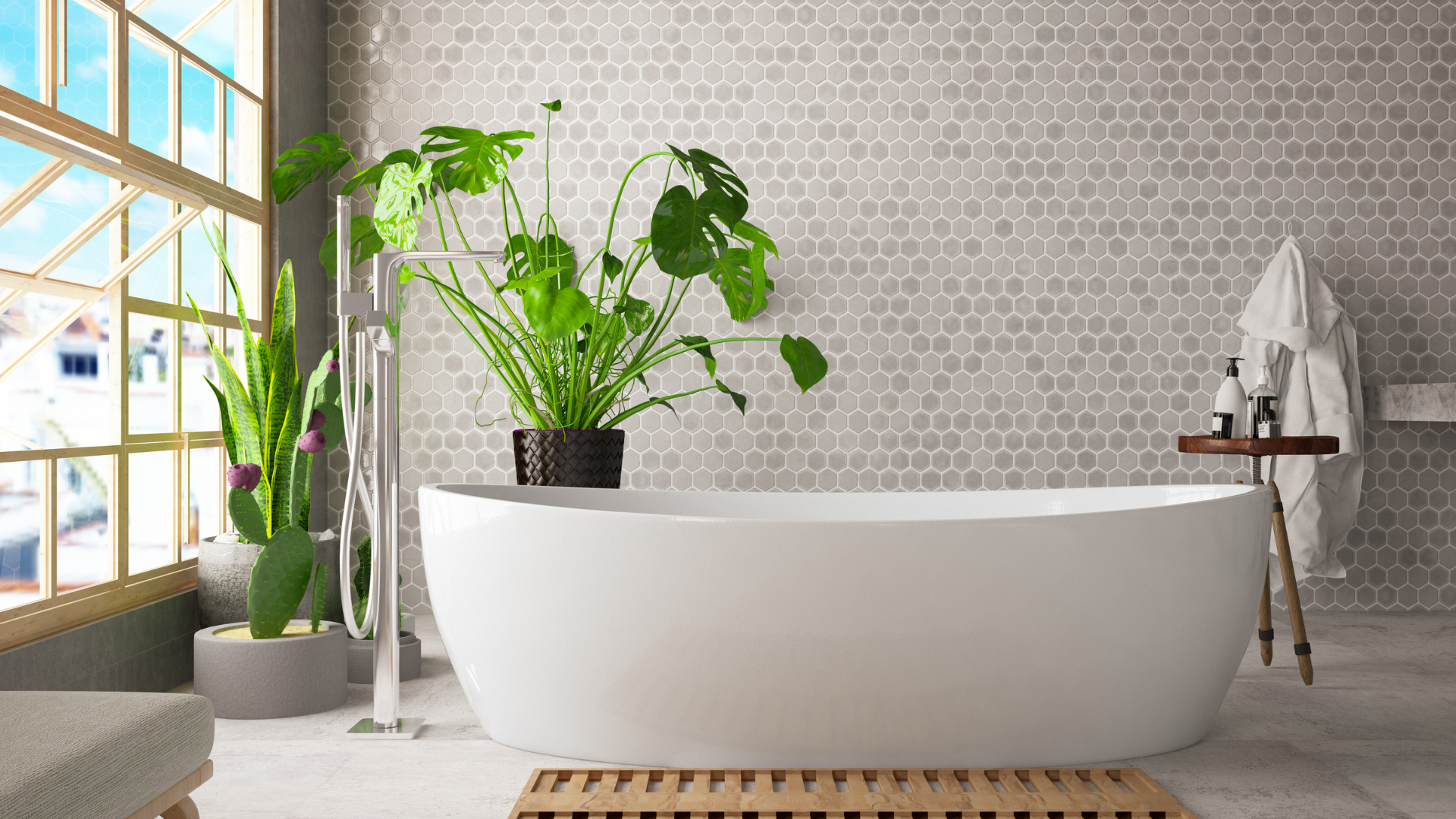
Biophilic design emphasizes the connection between nature and interior spaces. This trend includes large windows for natural light, indoor plants, and integrating natural materials like wood and stone. Designers are using color palettes inspired by the outdoors, such as greens, blues, and earthy tones. This approach aims to promote well-being and reduce stress.

Furniture and layouts are tailored to invite outdoor views, maximizing connection with the environment. Features like vertical gardens and natural light sources enhance the home experience, making it more soothing and restorative.

Rise Of Sustainable Practices

Sustainability in interior design has gained substantial traction. Designers prioritize eco-friendly materials, such as reclaimed wood, recycled metals, and low-VOC paints.

Energy-efficient lighting and appliances are also vital to reducing the environmental footprint. Incorporating sustainable practices extends to sourcing furniture from local artisans, supporting the economy, and minimizing transportation emissions.

The shift towards a circular economy is notable as well, encouraging homeowners to rethink waste and repurpose materials. Sustainable designs can maintain aesthetics while contributing to a healthier planet.

Integration Of Multifunctional Spaces

Multifunctional spaces cater to the evolving needs of modern living. As homes serve multiple purposes, designers create areas that adapt to various activities, such as working, exercising, or entertaining. Innovative furniture solutions, like foldable tables and convertible sofas, enhance space efficiency. Home offices are integrated into living areas, making remote work seamless.

Flexibility is key; layout designs should encourage movement and accommodate different uses throughout the day. This trend not only maximizes space but also supports diverse lifestyles and promotes organized living environments.

Materials And Color Palettes Defining Modern Spaces

Modern interiors are increasingly characterized by thoughtful material choices and refined color palettes. A focus on sustainability and an appreciation for natural beauty drive the selection of materials and colors in contemporary design.

Natural And Organic Material Choices

Using natural and organic materials adds an earthy, grounded feel to modern spaces. Popular options include wood, stone, and bamboo, which bring texture and warmth.

Wood: Varieties like oak and walnut are favored for their durability and aesthetic appeal.

Stone: Options such as marble and slate add a sophisticated touch while ensuring longevity.

Bamboo: An eco-friendly alternative, bamboo is lightweight yet strong, suitable for furniture and flooring. Incorporating these materials helps establish a connection to nature, fostering a serene environment.

Earthy Tones And Accent Colors

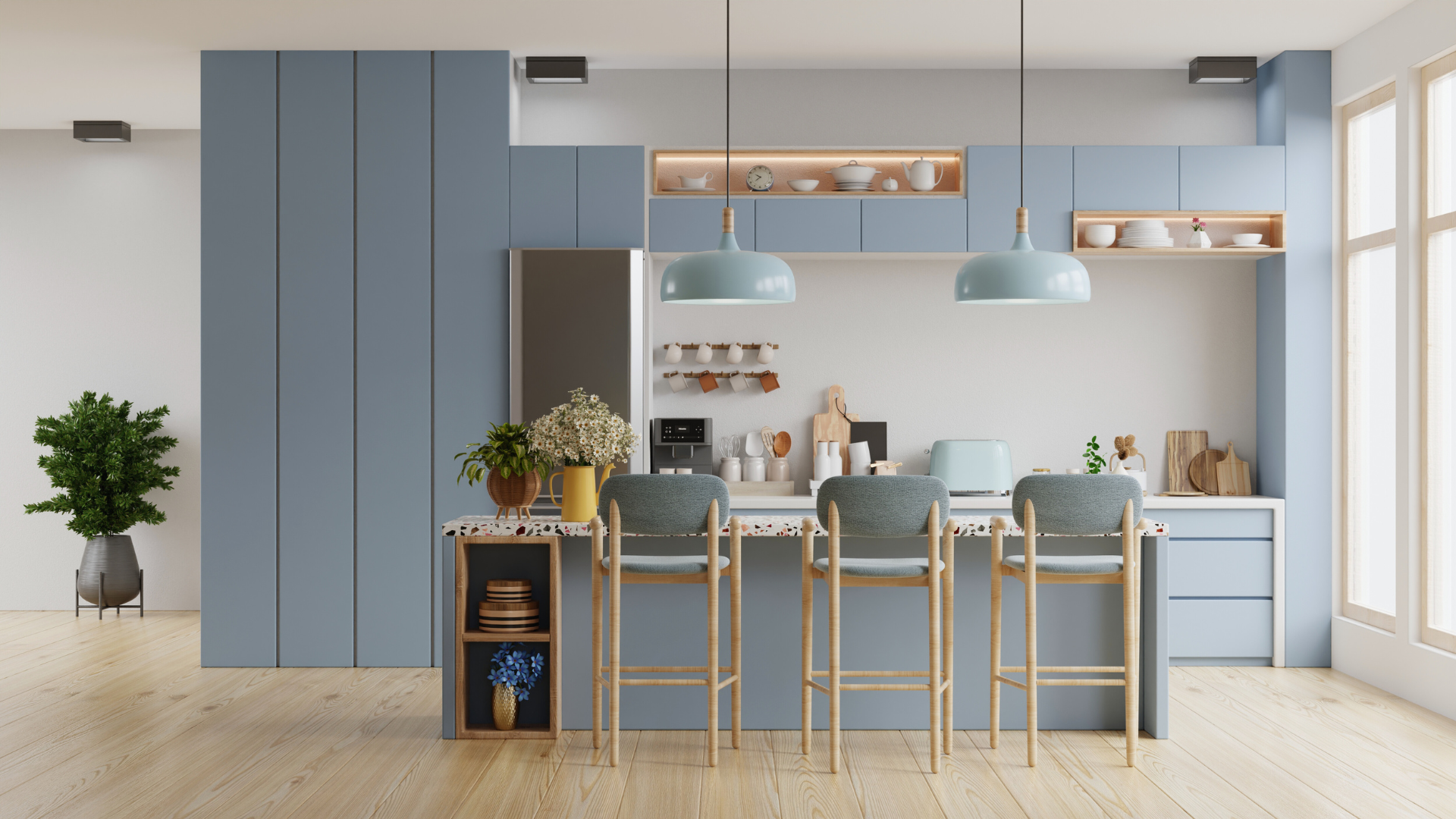
Earthy tones dominate the color palettes of modern design, creating a calming backdrop. Shades like terracotta, olive green, and warm beige reflect natural elements. Accent Colors: Rich shades like deep blue or rust provide contrast and visual interest.

Combining neutral bases with vibrant accents brings depth without overwhelming the senses. These palettes promote relaxation and balance, making spaces feel both inviting and serene. Utilizing texture and layering within this color scheme can enhance the overall aesthetic.

Sophisticated Use Of Metallics

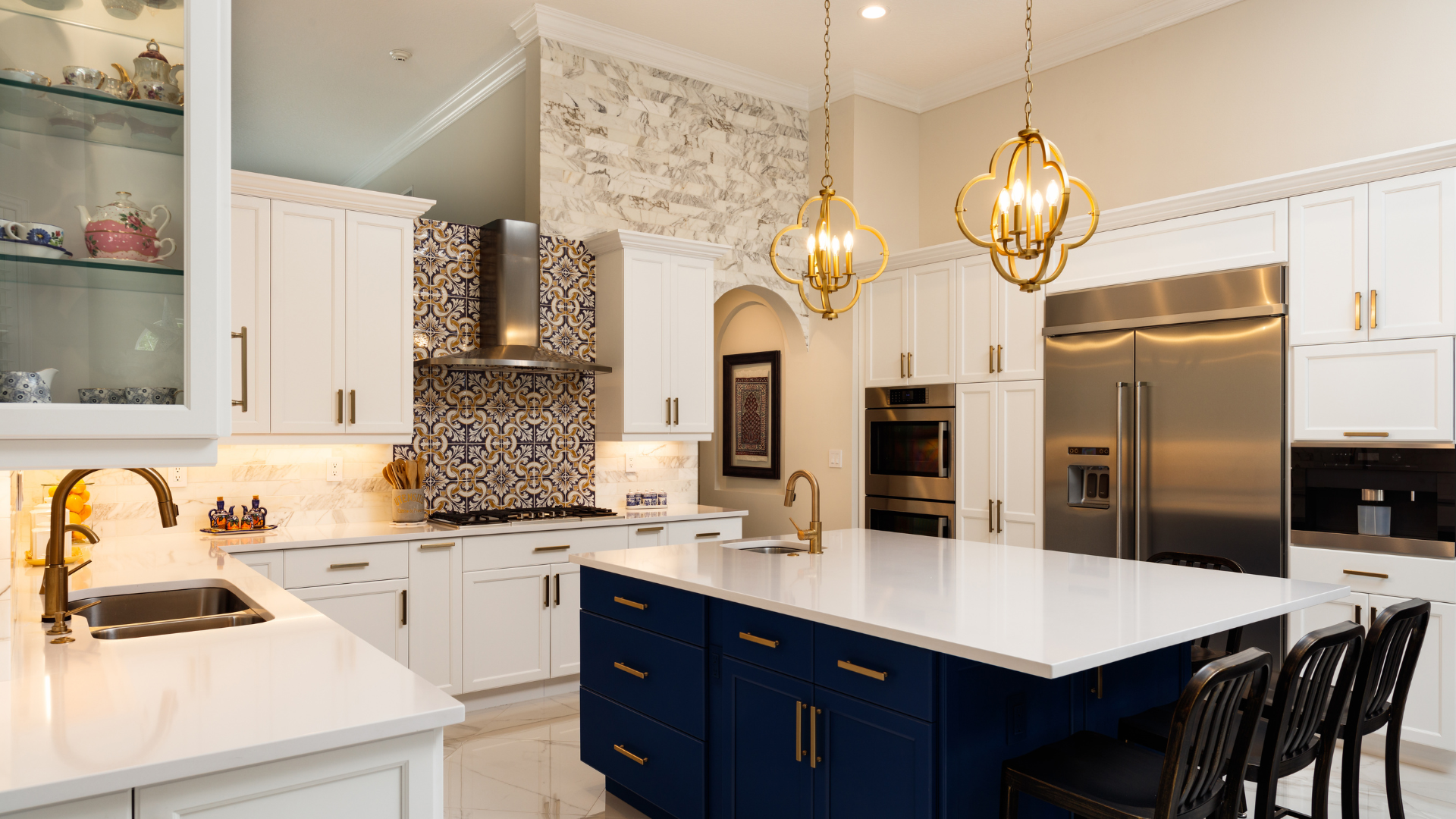
Metallics are gaining traction in modern interiors, adding a hint of elegance. Finishes like brass, matte black, and brushed nickel are commonly used for fixtures and decor. Brass lends warmth and opulence, while matte black offers a sleek, contemporary edge.

Small metallic accents, such as light fixtures or decorative pieces, introduce a sophisticated gleam without dominating. Balancing metallics with organic materials can create striking contrasts that elevate modern spaces. Using these elements thoughtfully ensures a harmonious blend of warmth and sophistication.

Key Decorative And Functional Elements

Colorful statement lighting, well-chosen curtains, and carefully layered throw pillows with area rugs create a harmonious interior atmosphere. Each of these elements plays a vital role in establishing both aesthetic appeal and functionality within a space.

Statement Lighting Fixtures

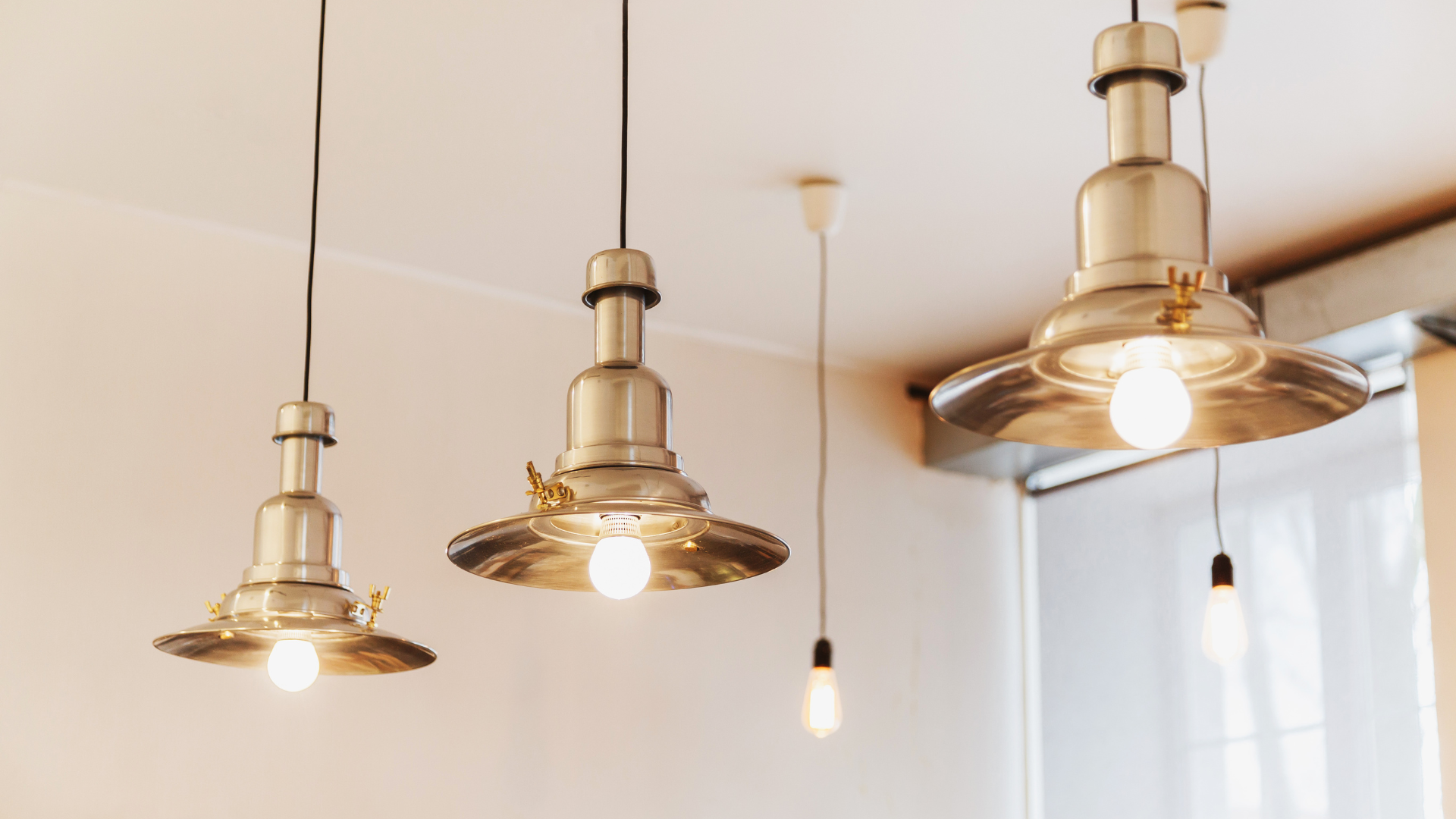
Statement lighting fixtures serve as focal points in any room. They can range from elaborate chandeliers to modern pendant lights. When selecting these fixtures, consider the scale and style of the room.

  • Size: Large fixtures suit open areas, while smaller options work well in cozy spaces.
  • Style: Choose designs that complement existing decor, whether through sleek metallic finishes or vibrant colors.

These fixtures not only illuminate but also enhance the overall theme, making them pivotal in modern interior design.

Incorporating Curtains And Window Treatments

Curtains and window treatments impact both light control and privacy. Fabrics such as sheer linen or heavy velvet can transform a room’s atmosphere.

  • Layering: Combining sheer panels with blackout drapes offers flexibility in controlling natural light.
  • Colors and Patterns: Bold patterns can add character, while solid colors create a serene backdrop.

Selecting the right treatments creates a balanced aesthetic while addressing practical needs, enhancing the space’s functionality and style.

Layering With Throw Pillows And Area Rugs

Throw pillows and area rugs can significantly change the look and feel of a room. These elements provide comfort and visual interest through their textures and colors.

  • Pillows: A mix of sizes and patterns can bring dynamism to seating areas.
  • Rugs: Area rugs define spaces and add warmth. Choosing a rug that contrasts or complements colors creates a cohesive look.

Strategically layering these elements adds depth and personality to any interior design scheme, contributing to an inviting atmosphere.

Innovative Patterns And Textures

Current trends highlight the rising popularity of intricate patterns and unique textures in interior design. These elements enhance visual interest and create depth within spaces.

Herringbone Pattern Feature

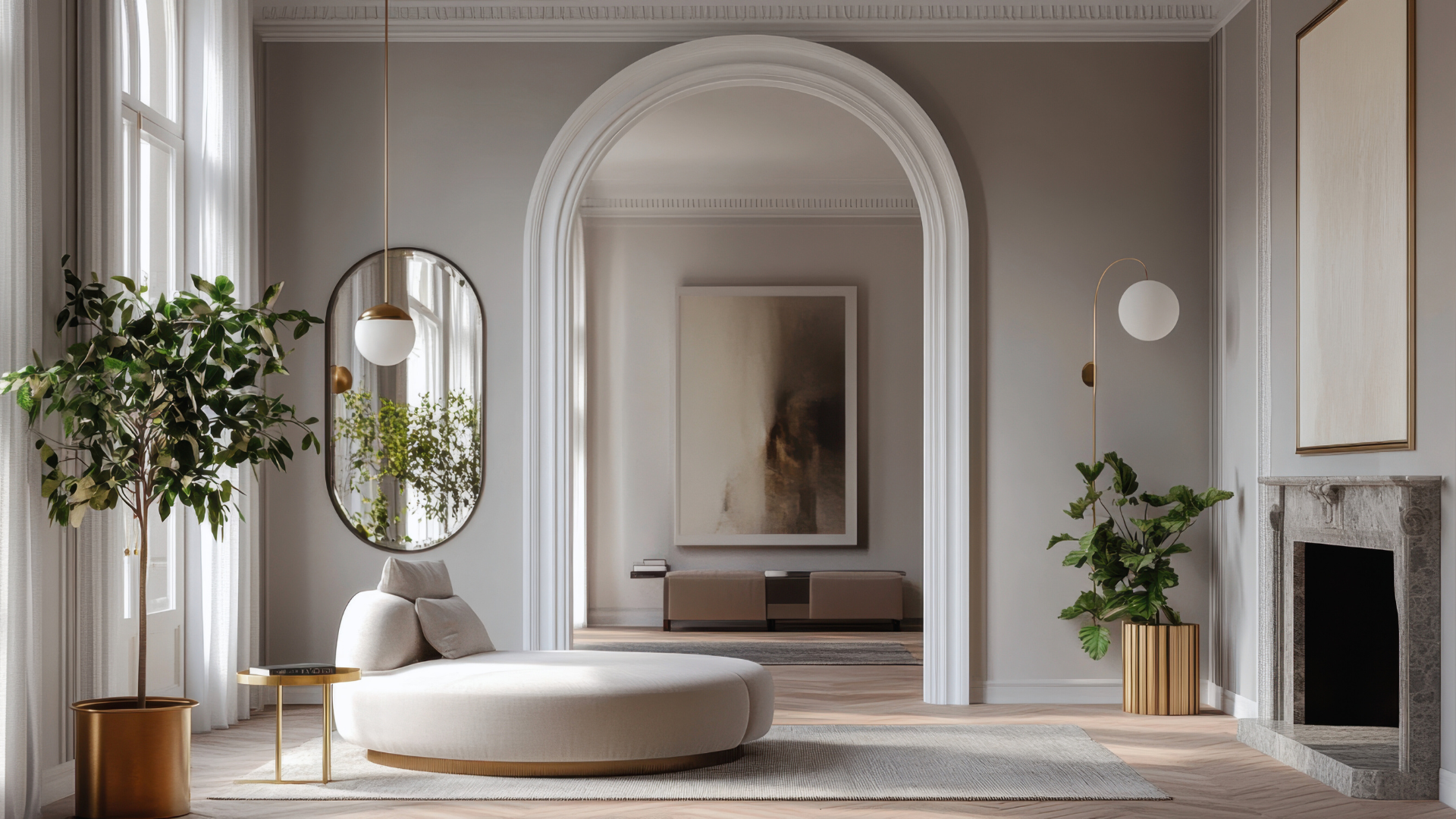
The herringbone pattern stands out for its distinctive zigzag design, which adds sophistication to any room. Traditionally used in flooring, this pattern is now being applied in various forms, including wallpaper and textiles. It creates a dynamic effect by alternating the direction of each piece. This not only draws the eye but also contributes to the room’s overall texture.

Herringbone patterns can be implemented in different materials, such as wood, tile, or fabric. Each medium offers a unique visual and tactile experience. Incorporating herringbone in design can enhance elegance while also making a bold statement. Careful color selection and material choice can complement various design styles, from contemporary to classic.

 

Reinvent Your Home: The Benefits of Remodeling Your Basement

Have you ever wandered into your basement and thought, “This space could be so much more”? If so, you’re not alone. Basements are often the most underutilized areas in our homes, relegated to storage for old furniture, boxes of holiday decorations, and the occasional spider. But what if we told you that your basement holds the key to a plethora of opportunities? Remodeling your basement is a fantastic way to reinvent your home, add value, and create a space that everyone in the family can enjoy. Let’s dive into the benefits of basement remodeling Denver.

Unleash Hidden Potential

More Living Space

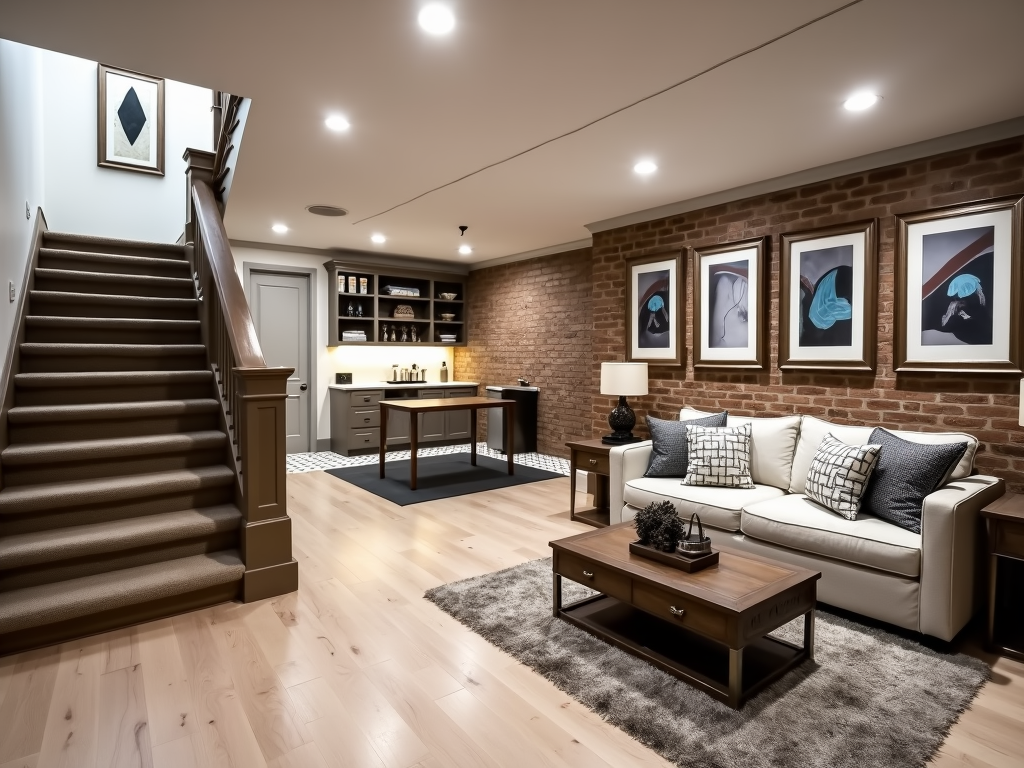
One of the most significant benefits of remodeling your basement is the addition of extra living space. Whether your family is growing, you need a home office, or you simply want more room to entertain guests, a finished basement can provide the perfect solution. Imagine having a cozy family room, a stylish game area, or even a private guest suite right below your feet. The possibilities are endless.

Increase Home Value

A well-finished basement can significantly boost the value of your home. Potential buyers often see a finished basement as a bonus, offering more living space without the need for an extension. This can be a major selling point if you ever decide to put your house on the market. In fact, according to some real estate experts, you can expect to recoup around 70% of your investment in a basement remodel when you sell your home.

Enhance Functionality

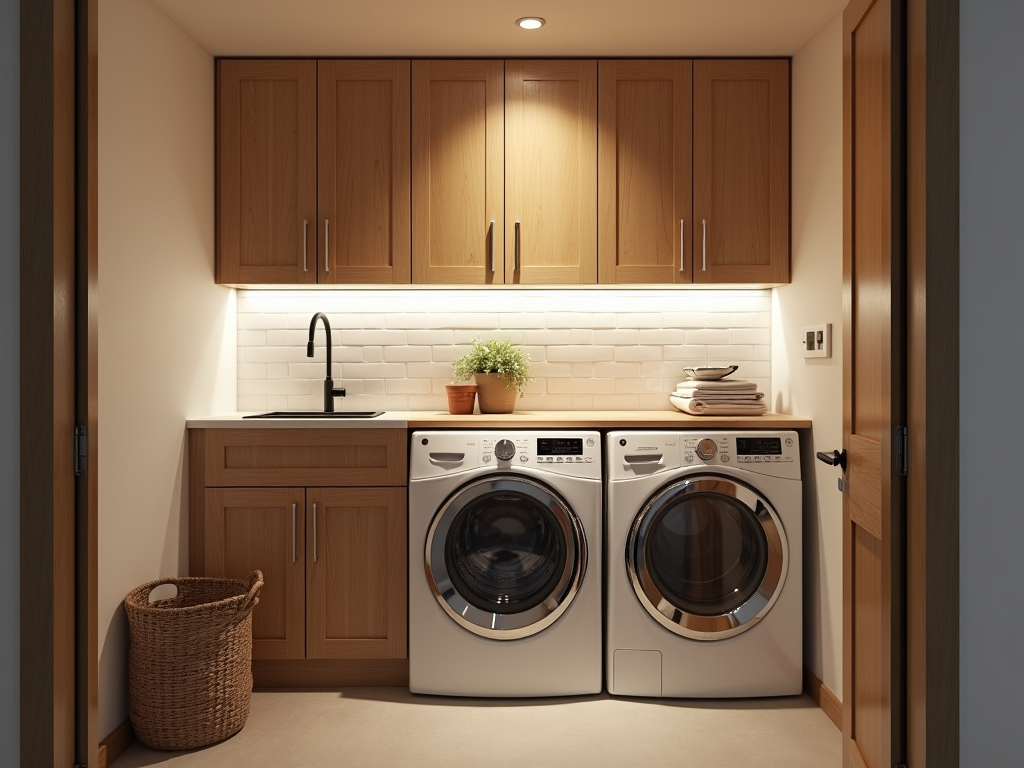
Remodeling your basement can also make your home more functional. From creating dedicated spaces for laundry, storage, or hobbies to installing a second bathroom or kitchenette, you can design the basement to meet your specific needs.

stylish laundry room cabinets

Personalize Your Space


Customization Galore

One of the best parts about remodeling your basement is the ability to customize it to your heart’s content. Unlike other rooms in your house that might already have designated purposes, the basement is a blank canvas. Do you dream of a home theater? Or perhaps a fitness center to keep up with your workout routine? Maybe a craft room where you can unleash your creativity? The basement can be transformed into whatever your heart desires.

Create a Personal Sanctuary

In our busy lives, having a place to unwind is essential. A remodeled basement can serve as your personal sanctuary, away from the hustle and bustle of the main living areas. Think about a serene yoga studio, a tranquil reading nook, or even a music room where you can jam without disturbing the rest of the household.

Improve Energy Efficiency

Better Insulation

Basements are notorious for being chilly and damp. However, during a remodel, you can address these issues by installing proper insulation. This not only makes the basement more comfortable but can also improve the overall energy efficiency of your home.

Modern HVAC Systems

Updating the HVAC system during a basement remodel can also contribute to better energy efficiency. Modern systems are designed to be more energy-efficient and can be integrated seamlessly into your home, providing consistent heating and cooling throughout all levels.

finished basement

Practical Tips for Remodeling Your Basement


Plan Ahead

Before you start knocking down walls and picking out paint colors, take the time to plan your remodel thoroughly. Consider how you want to use the space, what features are most important to you, and your budget. A well-thought-out plan can help you avoid costly mistakes and ensure that the result meets your expectations.

Hire Professionals

While DIY projects can be fun and cost-effective, remodeling a basement is a major undertaking that often requires professional expertise. From plumbing and electrical work to structural modifications, hiring reputable local basement contractors typically ensures the job is done safely and up to code. In addition to these benefits, a well-executed basement remodel can provide additional living space, increase home value, and enhance overall functionality.

Think About Lighting

Basements typically have limited natural light, so incorporating adequate lighting is crucial. A combination of overhead lights, wall sconces, and floor lamps can brighten up the space and make it feel more inviting. Consider using light colors for walls and ceilings to enhance the brightness even further.

Address Moisture Issues

Basements are prone to moisture problems, which can lead to mold and mildew if not properly addressed. Before starting your remodel, check for any signs of water damage and take steps to waterproof the area. Installing a sump pump, sealing cracks, and using moisture-resistant materials can help keep your basement dry and healthy.

Keep Pests Out

An often-overlooked aspect of basement remodeling is pest prevention. Dark, damp areas can attract unwanted visitors like rodents and insects, which can cause damage and create an unhealthy environment. Before finishing your space, inspect for any cracks or gaps where pests could enter and seal them properly. If cockroaches are a concern, especially waterbugs, consider a Local waterbug cockroach treatment to prevent infestations and keep your basement pest-free.

Ideas for Your Basement Remodel

Home Office

In the era of remote work, having a dedicated home office is a must. A basement office can offer the privacy and quiet you need to stay productive.

Guest Suite

Welcome guests with a cozy and comfortable suite. A bedroom, bathroom, and small kitchenette can make them feel right at home.

Fitness Center

Bring the gym to you by setting up a fitness center in your basement. With workout equipment, mats, and mirrors, you can stay fit without leaving the house.

Conclusion

So, roll up your sleeves and get ready to reinvent your home from the ground up!

Minimalist Design Ideas for Modern Living: Transform Your Space with Simplicity

Minimalist design has become a defining trend in modern living, offering a refreshing approach to home decor and lifestyle choices. Embracing simplicity and functionality, minimalist design enhances spaces by reducing clutter and promoting a sense of calm. This design philosophy encourages individuals to focus on quality over quantity, choosing pieces that bring true value and purpose to their environment.

Incorporating minimalist design ideas can transform a home into a serene sanctuary. Using neutral color palettes, sleek furniture, and smart storage solutions allows for an open, airy feel, making spaces more inviting. By prioritizing light and space, one can create an atmosphere that feels both modern and timeless.

As people increasingly seek balance in their lives, adopting minimalist principles can lead to more mindful living. It encourages individuals to assess their belongings and eliminate unnecessary distractions, fostering both tranquility and clarity. Exploring these minimalist design ideas can provide practical inspiration for creating a modern living space that reflects simplicity and sophistication.

Core Principles of Minimalist Design

Minimalist design revolves around the concepts of simplicity, functionality, and clarity. It aims to strip down elements to their essential forms, creating spaces that prioritize purpose and aesthetic appeal.

Emphasizing Simplicity and Functionality

Simplicity is a cornerstone of minimalist design. It involves using only necessary items, avoiding excessive decoration, and selecting pieces that serve a clear purpose. This approach not only enhances aesthetics but also facilitates easier navigation and usability in spaces.

Functionality is equally vital. Every design element should contribute to the overall function of the space. Furniture should offer storage or adaptability, while decor should complement the functionality without cluttering. This principle reinforces the idea that less is more, leading to both visually appealing and practical environments.

Focusing on Essential Elements

In minimalist design, identifying essential elements is crucial. This means choosing a few standout pieces that create impact without overwhelming a space. A carefully selected color palette—often neutral—can enhance a feeling of cohesion.

Textures and materials also play significant roles, as they can add depth without visual chaos. For instance, a single wooden table paired with elegant chairs can serve as a focal point. Essentials should create harmony, leading to spaces that feel balanced and intentional.

Creating Clarity and Focus

Clarity is vital in achieving a minimalist aesthetic. It helps in establishing a strong visual direction, promoting a sense of calm and order. Clean lines, open spaces, and strategically placed decor contribute to achieving clarity.

To create focus, unnecessary distractions should be eliminated. This can be accomplished by minimizing visual clutter and using strategic lighting to highlight particular areas. The result is an environment that fosters concentration and tranquility, where the mind can rest and flourish.

Key Elements of Modern Minimalist Interiors

Modern minimalist interiors emphasize simplicity, functionality, and an uncluttered aesthetic. Key elements include a neutral color palette, the strategic use of negative space, and a focus on natural materials. Quality furniture choices further enhance the serene environment that defines minimalist living.

Neutral Color Palettes and Muted Tones

Neutral color palettes create a calm foundation in minimalist design. Shades like beige, gray, white, and soft pastels are common. They help in reducing visual clutter, promoting a peaceful atmosphere.

Muted tones allow for subtle variation without overwhelming the senses. These shades can enhance the spaciousness of a room, drawing attention away from distractions. By using a limited color palette, the design remains cohesive and sophisticated, fostering a harmonious environment.

Accent colors can be introduced sparingly, ensuring they complement the overall scheme. This approach keeps the space feeling fresh while maintaining minimalist principles.

Incorporating Negative Space and Clean Lines

Negative space is crucial in minimalist interiors. It refers to the empty areas that provide balance and breathing room within a design. Clean lines support this concept, promoting simplicity in forms and shapes. Furniture and architectural elements with sharp, defined edges contribute to a streamlined appearance.

By reducing unnecessary ornamentation, the focus shifts to the beauty of each piece. Good use of negative space also enhances flow and accessibility within a room, allowing for easy movement and interaction. The relationship between positive and negative spaces creates visual interest while maintaining clarity in design.

That said, for homeowners aiming to incorporate these minimalist principles into their existing spaces, remodeling can often serve as an effective way to reshape the environment for improved flow and balance.

Opening up confined layouts, adding built-in storage, or updating outdated finishes could significantly enhance harmony between negative and positive space. Because achieving seamless lines and precise detailing requires expert craftsmanship, working with experienced professionals from reputable firms like APEX Specialty Contracting can help ensure the final result aligns with both the aesthetic and functional goals of a well-executed minimalist design.

Using Natural Materials and Textures

Natural materials play a vital role in minimalist design. Wood, stone, and natural fibers add warmth and depth to interiors while remaining true to the minimalist ethos. Textures can be incorporated through furnishings like rugs, curtains, and cushions. These elements create tactile contrast without adding visual clutter.

Additionally, materials like linen, cotton, and jute resonate with organic beauty. They enhance the calming nature of a space, promoting a connection with the environment. The focus on high-quality, sustainable materials reinforces the value of quality over quantity in interior choices.

Selecting Functional and Quality Furniture

Functional furniture is a cornerstone of minimalist interiors. It balances practicality with aesthetic simplicity, ensuring that pieces serve essential purposes without sacrificing design. Moreover, quality furniture often features multipurpose designs, which reduce the need for excessive items. For instance, a coffee table with storage or a bed with built-in drawers maximizes functionality.

In addition, material selection remains equally important. Sturdy, well-crafted pieces ensure longevity, aligning perfectly with minimalist ideals. By focusing on fewer, high-quality items, each piece can be appreciated individually, minimizing distraction and enhancing the serene ambiance central to minimalist design.

That said, simplifying a space does not always mean removing every non-essential item all at once. Letting go of pieces, especially those with sentimental or long-term value, can be a difficult decision. In such cases, considering storage solutions from trusted local storage companies nearby can often help address this challenge. This approach allows homeowners to maintain a clean, uncluttered environment while preserving cherished furniture and décor for future use.

Minimalist Design Ideas for Every Room

Creating a minimalist environment can transform any space into a serene and functional area. Each room can embody this style by focusing on simplicity, functionality, and careful selection of decor.

Minimalist Living Room Concepts

In a minimalist living room, furniture choices are crucial. Opt for a neutral color palette with soft tones like whites, beiges, or grays. This creates a calming atmosphere and allows for a more spacious feel. Choosing a modular sofa with clean lines maximizes seating without cluttering the space. Incorporate a single statement piece of art to maintain focus while ensuring the room feels inviting.

Simple storage solutions, like floating shelves, keep items organized and visible, promoting an uncluttered look. Accessories should be kept to a minimum, perhaps just a few decorative throw pillows or an indoor plant to add a touch of warmth.

Minimalist Bedroom Inspirations

A minimalist bedroom prioritizes rest and tranquility. To begin with, choose a low-profile bed as the room’s focal point. Opt for bedding in soft, monochromatic colors to enhance the calming effect. Additionally, nightstands should be sleek and functional; designs with built-in storage help minimize surface clutter. To further save space, consider using wall-mounted lamps that keep surfaces clear.

When it comes to decorative accents, include a single piece of artwork or a streamlined mirror that enhances natural or artificial light. Moreover, layered textures in blankets and rugs add depth, maintaining simplicity while enriching the sensory experience without overwhelming the aesthetic.

To maintain the minimalist look beyond decor, it’s important to focus on how the room functions. Maximizing space in a minimalist bedroom relies on thoughtful design and careful furniture choices. For instance, incorporating multi-functional pieces, such as beds with hidden storage or fold-away options, supports an open, uncluttered atmosphere while keeping the room practical for everyday use.

Finally, for those seeking the most efficient layout, consulting experts who specialize in custom storage and bedding solutions from reputable firms like Murphy Beds & Storage Solutions can often be invaluable. These professionals can create tailored designs that suit a room’s dimensions, helping individuals optimize every inch while preserving a clean, minimalist aesthetic.

Minimalist Kitchen Solutions

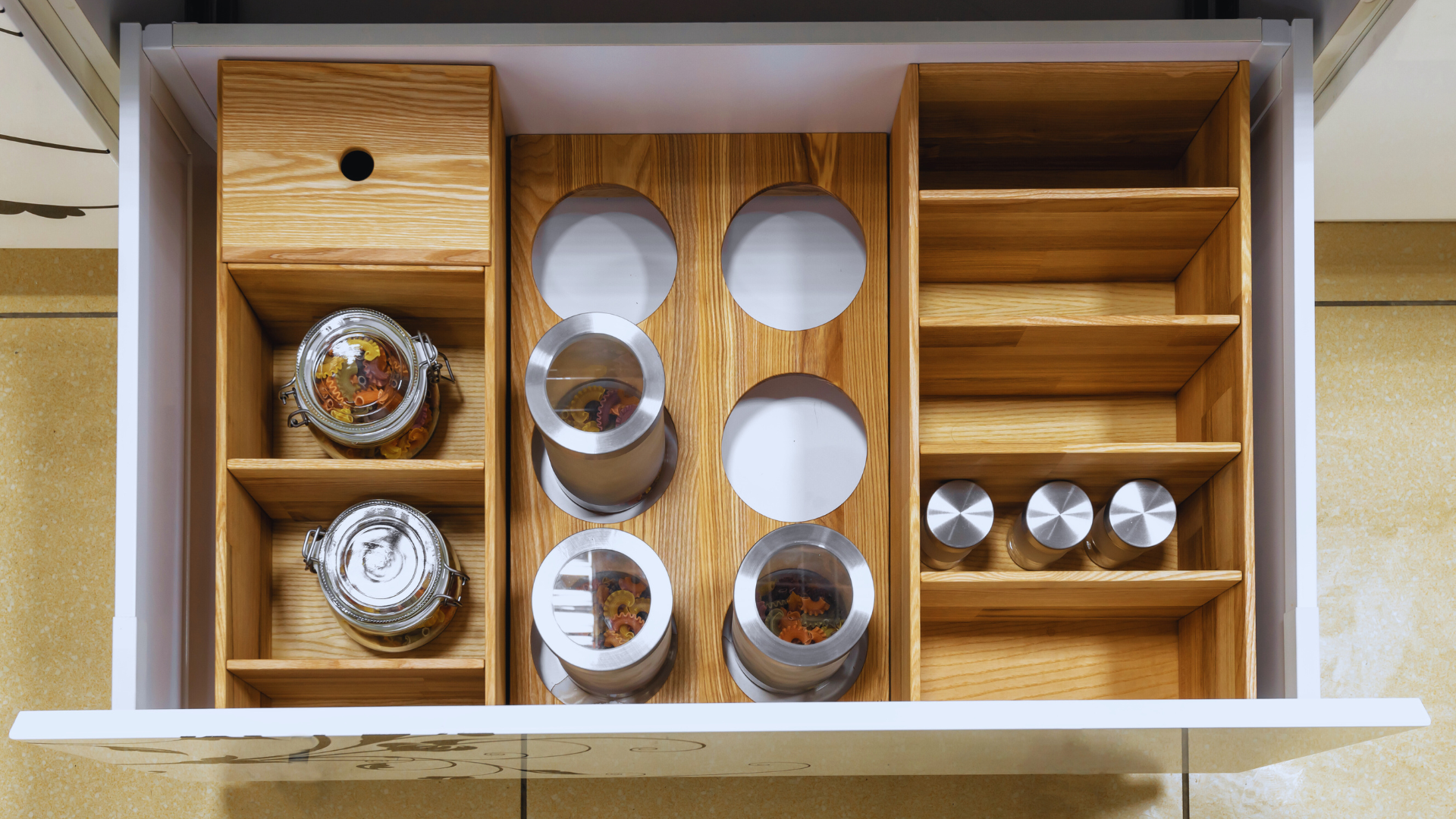
In a minimalist kitchen, functionality and organization are key. Prioritize open shelving or cabinets with flat surfaces, contributing to a streamlined appearance. Use clear containers for pantry items, promoting visibility and reducing clutter. Focus on essential appliances only. Integrated designs can hide devices within cabinetry, maintaining a clean countertop. Choose a simple, modern faucet and sink for added elegance.

Consider a neutral backsplash made of tiles or a single slab of stone, creating visual interest without being distracting. A minimal dining area can feature just a sturdy table and a couple of chairs, emphasizing simplicity and practicality.

Minimalist Bathroom Approaches

Minimalist bathrooms thrive on simplicity and cleanliness. Begin with a floating vanity to maximize floor space and create an airy feel. Utilize glass shower doors instead of curtains to maintain an open look.

Select fixtures in sleek, modern designs. A single, bold mirror can act as a focal point without overwhelming the decor, while simple wall-mounted shelves allow for storage without taking up too much room.

Opt for a neutral color scheme for tiles and paint, ensuring a cohesive look. Accessories should be functional, such as understated soap dispensers and plush towels, that enhance comfort without detracting from the minimalist design.

Sustaining Minimalism in the Modern Home

Sustaining minimalism involves making intentional choices that promote both simplicity and environmental consciousness. A focus on mindful decisions enhances the aesthetic of a minimalist home while supporting sustainable living practices.

Sustainability and Mindful Choices

In a minimalist home, selecting sustainable materials is crucial. This can include:

  • Recycled materials: Using furniture made from reclaimed wood or recycled metal reduces waste.
  • Natural fibers: Linen, cotton, and wool provide a sustainable alternative to synthetic textiles.
  • Energy-efficient appliances: Choosing energy-efficient options minimizes energy consumption.

Mindfulness extends to purchases. Opting for high-quality items that last longer reduces the frequency of replacements. When decluttering, individuals should donate or recycle items rather than discarding them. This not only keeps living spaces minimal but also minimizes landfill waste.

Maintaining a Minimalist Lifestyle

Maintaining a minimalist lifestyle requires ongoing commitment rather than a one-time effort. To begin with, regular decluttering sessions help ensure that unnecessary items do not gradually find their way back into the home. Setting aside time weekly or monthly to reassess belongings allows individuals to remain intentional about what they choose to keep.

Equally important is the timely disposal of unusable, broken, or waste items. Instead of allowing rubbish to accumulate, addressing it promptly helps preserve a clean and simplified environment. In this regard, staying informed about local waste collection schedules can make the process far more efficient and prevent unnecessary build-up. For example, those living in New York can refer to the nyc trash pickup schedule to ensure items are discarded at the appropriate time and in accordance with local guidelines.

Beyond physical decluttering, cultivating mindful daily habits further reinforces a minimalist lifestyle. Taking a few moments each day to reflect on what truly adds value can prevent impulse purchases and unnecessary accumulation. Similarly, keeping surfaces clear and limiting decorative items helps maintain a calm and balanced aesthetic.

In addition, establishing a capsule wardrobe simplifies clothing choices and promotes sustainability. Investing in a few versatile pieces instead of a large quantity reduces clutter and makes dressing simpler. By adopting these habits, one can effectively sustain a minimalist, modern home.


Smart Storage Solutions for Clutter-Free Living: Maximize Space and Minimize Chaos

Living in a clutter-free environment is essential for both mental clarity and productivity. Smart storage solutions can transform any space, making it easier to stay organized and prioritize peace of mind. By utilizing innovative storage ideas, individuals can effectively reduce clutter and create an inviting atmosphere in their homes.

Incorporating shelving units, multi-functional furniture, and hidden storage can significantly optimize living spaces. These strategies not only enhance organization but also improve overall functionality, allowing residents to enjoy their surroundings without the distraction of disarray.

Exploring smart storage options leads to a more efficient lifestyle, as it encourages mindfulness about what items are kept and how they are stored. Embracing these solutions fosters a calm living space that inspires creativity and comfort.

Understanding the Impact of Clutter

Clutter significantly influences mental well-being, productivity, and the overall organization of your living spaces. Addressing the effects of clutter can lead to a more serene and efficient environment.

Clutter and Mental Well-Being

Clutter has a direct impact on mental clarity. A disorganized space can contribute to feelings of anxiety and stress. Studies indicate that individuals in cluttered environments often experience a cluttered mind.

The visual noise from excess belongings can distract and overwhelm. People may find it challenging to focus on important tasks when surrounded by disorder. Reducing clutter can enhance mental well-being by fostering a sense of control and calm.

The Link Between Cluttered Spaces and Productivity

Cluttered spaces can hinder productivity. Research shows that individuals are less efficient when working in disorganized areas. Items that are out of place can lead to wasted time searching for essentials.

In contrast, a tidy environment promotes focus and efficiency. Clear surfaces and organized shelves allow for better workflow. Implementing smart storage solutions can help maintain order, thereby boosting productivity levels.

Why Decluttering is Essential for a Clutter-Free Home

Decluttering is essential for creating a clutter-free home. It allows you to maintain an organized space, which can enhance the quality of life. Decluttering involves assessing and removing items that are no longer needed or used.

Establishing efficient storage systems contributes to long-term organization. Keeping only the essentials fosters a clearer mind and a more pleasant living environment. Regular decluttering sessions can create a sustainable lifestyle that minimizes clutter reaccumulation.

Core Principles of Smart Storage Solutions

Effective storage solutions revolve around maximizing space, enhancing organization, and utilizing quality items. Key strategies include making the most of available storage areas, investing in functional furniture, utilizing vertical space, and selecting high-quality essentials that promote efficiency.

Assessing and Utilizing Storage Areas

Understanding the various storage areas within your home is essential for effective organization. This includes closets, under-bed space, cabinets, and even hidden nooks. Start by evaluating each area for its potential. Identify what can be stored where based on frequency of use and accessibility. For instance, seasonal items can be stored in hard-to-reach places, while everyday essentials should remain easily accessible.

For larger or overflow items, many homeowners choose to rent self-storage. For flexible options like indoor units, drive-up access, or RV and boat parking, consider exploring nearby storage facilities that offer secure, affordable units with easy access.

Additionally, using clear bins and labeled boxes enhances visibility and simplifies organization. Make use of drawer dividers and shelf organizers to keep smaller items neatly sorted and prevent clutter from accumulating.

If you’re weighing local options for seasonal belongings, moving overflow, or storing recreational vehicles, prioritize facilities that offer straightforward ground-floor access and flexible terms to make retrieval simple. Look for features such as gated access with individual codes, complimentary locks, and a range of unit sizes so you can match the space to what you actually need.

A convenient option is self storage near you, which lists drive-up units, vehicle/RV parking, and month-to-month rentals. Checking those specifics up front helps avoid surprises and ensures the unit supports your decluttering plan.

Beyond traditional fixed units, mobile storage offers a unique level of convenience by bringing the unit directly to your doorstep. This method is particularly effective for those who need to pack at their own pace without the stress of multiple truck trips to a facility.

By opting for Storage Pods For Hire, you can have a secure container delivered to your driveway, allowing for easy loading of furniture or renovation supplies. Once filled, these pods can be kept on-site for immediate access or transported to a secure facility for long-term safekeeping. This flexibility ensures that your storage solution adapts to your specific timeline and spatial constraints.

Incorporating Functional and Multi-Functional Furniture

Investing in functional and multi-functional furniture is a key principle. These pieces can serve multiple purposes, reducing the need for excess items. Examples include ottomans with storage inside or beds equipped with drawers. A coffee table that doubles as a storage unit is also effective.

When choosing furniture, focus on well-designed pieces that blend aesthetic appeal and utility. This can help create a cohesive look while maximizing functionality. Smart furniture choices can significantly contribute to a clutter-free living environment.

Maximizing Vertical Space for Efficient Organization

Vertical space is often underutilized in homes. By focusing on upward organization, more floor space can be freed. Shelves, wall-mounted storage systems, and hooks are practical solutions. For example, installing floating shelves can provide additional storage while keeping items visible and accessible.

Using tall bookcases or cabinets can also make the most of vertical space. Adding hooks or pegboards allows items such as tools or craft supplies to be organized vertically. This approach not only aids in organization but also lends an open feel to spaces.

Selecting High-Quality Storage Essentials

Quality storage essentials play a crucial role in maintaining organization and efficiency. Rather than opting for cheap or flimsy options that require frequent replacement, investing in durable products can be more beneficial. Look for heavy-duty bins, sturdy shelving units, and reliable organizers that withstand your daily use. Choosing materials such as wood or metal offers longevity and stability.

Additionally, reusable storage solutions, like fabric bins or modular systems, can adapt as needs change. Selecting quality items can result in a more organized and enduring storage system, ultimately supporting sustainable living.

Creative Strategies for Clutter-Free Living

Implementing smart storage solutions can dramatically enhance the organization of living spaces. By utilizing functional and decorative storage options, individuals can create a more serene and clutter-free environment.

Baskets and Open Shelving for Everyday Items

Baskets provide a versatile and stylish way to contain everyday items. They can be placed on open shelves, making frequently used items easily accessible. Choosing baskets in various sizes can help categorize your items, from books to toys. Opt for woven materials for a warm, inviting look or metal baskets for a modern aesthetic.

Open shelving complements this setup by allowing visibility while keeping items organized. It prevents clutter from accumulating in drawers and cabinets. Arranging items by color or type can create an appealing visual display while maintaining function. Labels can also be attached to baskets to enhance clarity and efficiency.

Innovative Built-In Storage Ideas

Built-in storage solutions maximize space while blending seamlessly with the home’s architecture. Custom cabinetry can be installed in underutilized areas such as hallways or staircases. This approach offers ample room for storage without sacrificing square footage.

Incorporating features like pull-out shelves or hidden compartments enhances functionality. This design not only provides storage but also maintains a clean aesthetic. Utilizing the vertical space with floor-to-ceiling units can further optimize storage while showcasing decorative items.

Seasonal Storage Solutions for Clothing and Gear

Seasonal storage solutions are essential for managing clothing and gear throughout the year. Clearly defined bins or vacuum-sealed bags can store seasonal clothes, freeing up space in closets. Labeling these containers ensures easy access when the seasons change.

For outdoor gear, consider using shelving units in garages or basements designed for specific items like bikes or seasonal equipment. You could also consider looking for storage units near you to store these items. Rotate these items twice a year to keep them organized. This not only fosters a clutter-free living environment but also makes transitions between seasons smoother.

Sustaining Organization and Long-Term Success

Maintaining an organized space requires ongoing effort and specific practices. By establishing routines and adopting effective maintenance tactics, individuals can ensure their smart storage solutions remain effective over time.

Establishing Regular Decluttering Sessions

Setting aside time for decluttering is essential for sustaining organization. A regular schedule, such as monthly or bi-monthly sessions, helps manage accumulated items. Each session should involve evaluating each area, deciding what to keep, donate, or discard.

Creating a checklist can streamline this process. Items to include might be clothes that haven’t been worn in the past year, outdated documents, or broken items. This method not only simplifies the process but also fosters a habit of continual evaluation.

Developing Good Housekeeping Habits

Good housekeeping habits prevent clutter from accumulating. Simple practices like cleaning surfaces daily and returning items to their designated places can make a significant difference.

Utilizing storage bins or baskets encourages proper organization. Labeling these containers enhances functionality, making it easier to identify spaces for specific items. Checking storage solutions regularly ensures everything is in its proper place and reduces future clutter.

Essential Maintenance Tips for Storage Systems

Maintenance of storage systems is crucial to their effectiveness. Regular inspections help identify wear and tear, whether on shelves, bins, or hooks.

Cleaning these storage solutions should occur periodically. Dust, dirt, and spills can compromise an organization. A simple routine of wiping surfaces and organizing contents can extend the life of these systems. Consider adjusting or upgrading storage solutions as needs change. Adapting to evolving lifestyles prevents the organization from becoming outdated.

Enhancing Functionality With Cleaning Tools

Using the right cleaning tools enhances the maintenance of organized spaces. A basic toolkit should include:

  • Microfiber cloths for dusting
  • Broom and dustpan for quick clean-ups
  • Vacuum cleaner for deeper cleans

Incorporating cleaning tools into daily routines keeps spaces tidy.

Additionally, multi-functional tools, such as a vacuum with attachments for corners and shelves, can improve access and cleanliness. This not only helps maintain decorum but also fosters a sense of ownership in one’s organized space.


Designing with Light: Enhancing Your Home

Creating a warm, inviting atmosphere in your home involves more than just picking out the right furniture or paint colors. One often overlooked element that can transform the ambiance of any space is lighting.


Understanding the Importance of Lighting

Proper lighting can:

  • Set the Mood: Different types of lighting can evoke various emotions and create different atmospheres within a space.
  • Highlight Features: Well-placed lighting can draw attention to architectural details, artwork, or other focal points in a room.
  • Enhance Functionality: Effective lighting design ensures that each area of your home is adequately illuminated for its intended use.
  • Boost Aesthetic Appeal: Thoughtfully chosen lighting fixtures can add style and character to your home decor.

Maximizing Natural Light

Natural light is a valuable asset in any home, providing warmth and vitality while reducing the need for artificial lighting during the day. Here’s how you can make the most of natural light:


1. Optimize Window Placement:

Position furniture and other obstacles away from windows to allow light to penetrate freely into the room.


2. Choose Light-Colored Window Treatments:

Opt for sheer curtains or blinds that allow sunlight to filter through while still providing privacy.


3. Install Skylights or Sun Tunnels:

These features can bring natural light into areas of your home that may be lacking in windows, such as bathrooms or hallways.


4. Consider a Louvered Roof:

A louvered roof is a versatile outdoor structure that can be adjusted to control the amount of sunlight entering your home. With adjustable louvers, you can regulate sunlight and airflow, creating the perfect balance of shade and brightness.


Layering Lighting for Ambiance

In addition to natural light, it’s essential to incorporate artificial lighting sources to create depth and ambiance within your home. Here are some layering techniques to consider:


1. Ambient Lighting:

This is the primary source of light in a room and should provide overall illumination. Options include recessed ceiling lights, track lighting, or pendant fixtures.


2. Task Lighting:

Task lighting is focused on specific areas where activities such as reading, cooking, or working take place. Examples include desk lamps, under-cabinet lighting in the kitchen, or vanity lights in the bathroom.


3. Accent Lighting:

Accent lighting highlights architectural features, artwork, or decorative elements. This can be achieved with track lighting, wall sconces, or picture lights.


4. Mood Lighting:

Mood lighting adds ambiance and can be adjusted to suit different occasions or moods. Dimmer switches, candles, or decorative lamps with soft, diffused light are excellent options.


Choosing the Right Fixtures

The type of lighting fixtures you choose can make a significant difference in the overall look and feel of your home. Consider the following factors when selecting fixtures:

  • Style: Choose fixtures that complement your home’s decor and architectural style.
  • Size: Ensure that fixtures are appropriately sized for the space they will occupy.
  • Brightness: Select bulbs with the appropriate wattage for the desired level of illumination.
  • Energy Efficiency: Opt for LED or CFL bulbs to save energy and reduce utility costs.

Incorporating Smart Lighting Technology

Harnessing the power of technology can enhance the functionality and convenience of your lighting system. Smart lighting options allow you to:

  • Control Lighting Remotely: Adjust brightness, color, and timing using smartphone apps or voice commands.
  • Set Customized Scenes: Create preset lighting scenes for different activities or times of day.
  • Monitor Energy Usage: Track energy consumption and optimize lighting settings to save money and reduce environmental impact.

Conclusion

By embracing natural light, layering different lighting elements, carefully selecting fixtures, and embracing innovative smart technology, you can craft a lighting setup that not only enhances the atmosphere but also resonates with your individual lifestyle and preferences.


Frequently Asked Questions (FAQ)

What are some common mistakes to avoid when designing with light? Steering clear of some typical pitfalls can make all the difference in your lighting design. Be sure not to overlook the beauty of natural light, avoid harsh or insufficient lighting options, and always consider the specific activities and needs of each room. Striking the right balance between practicality and atmosphere is key, all while keeping energy efficiency and personal taste in mind.

How can I create a cohesive lighting design throughout my home? Crafting a unified lighting design is akin to painting a masterpiece – it requires careful consideration and attention to detail. Take into account the flow and function of your space, ensuring a harmonious relationship between different areas. Aim for a mix of ambient, task, accent, and mood lighting, maintaining consistency in style and color temperature throughout. Don’t be afraid to experiment with different techniques and fixtures to achieve the desired ambiance in every corner of your home.

Top Home Improvements To Consider In 2024

From creating your own backyard oasis to embracing sustainable upgrades, let’s dive into the top home improvements to consider in 2024, with a refreshing twist on our number one choice – the pool!


1. Dive Into Luxury: Installing a Pool

Picture this: lazy summer days spent lounging by your very own pool, sipping on ice-cold lemonade while soaking up the sun’s rays. Sounds enticing, doesn’t it? A pool from the likes of Pinnacle Pools & Spas isn’t just a home improvement; it’s a lifestyle upgrade. It provides a space for relaxation, exercise, and entertainment, all in the comfort of your own backyard.

Benefits of Installing a Pool:

  • Increased Property Value: A well-maintained pool can significantly enhance the value of your home, making it a desirable asset for potential buyers.
  • Health and Wellness: Swimming is not only a fun activity but also a great form of exercise. Having a pool at home encourages regular physical activity and promotes overall health and well-being.
  • Entertainment Hub: Hosting summer parties or family gatherings becomes a breeze with a pool as the focal point. It’s the perfect setting for creating lasting memories with loved ones.

Considerations Before Installing a Pool:

  • Budget: While the allure of a pool is undeniable, it’s essential to consider the initial installation costs, as well as ongoing maintenance expenses.
  • Space: Evaluate the size and layout of your backyard to determine the most suitable location for the pool. Consider factors such as sunlight exposure, landscaping, and proximity to existing structures.
  • Regulations: Check local regulations and obtain any necessary permits before proceeding with the installation. Compliance with safety standards and zoning laws is crucial for a hassle-free experience.

2. Embrace Eco-Friendly Upgrades: Solar Panels and Energy-Efficient Appliances

In an era of heightened environmental awareness, eco-friendly home improvements have become increasingly popular. Not only do they reduce your carbon footprint, but they also contribute to long-term cost savings on utility bills. Consider incorporating solar panels to harness renewable energy or upgrading to energy-efficient appliances for enhanced sustainability.

Benefits of Eco-Friendly Upgrades:

  • Lower Energy Costs: Solar panels harness the power of the sun to generate electricity, reducing reliance on traditional energy sources and lowering utility bills.
  • Environmental Impact: By reducing energy consumption and reliance on non-renewable resources, eco-friendly upgrades help mitigate environmental degradation and combat climate change.
  • Long-Term Savings: While the initial investment may seem significant, the long-term savings associated with lower utility bills and potential tax incentives make eco-friendly upgrades a financially prudent choice.

3. Create Outdoor Living Spaces: Decking, Patio, and Garden Enhancements

Transform your outdoor space into a tranquil retreat with the addition of decking, a patio, or lush garden enhancements. Outdoor living areas provide a seamless extension of your indoor space, allowing you to enjoy nature and fresh air without sacrificing comfort and convenience. When it comes to designing your patio area, you can either leave it open or opt for an enclosure. If the latter sounds more your scene, then you will want to take a look at a business that provides patio enclosures in Greenville, or wherever you live, so that you can get the design of your dreams.

Ideas for Outdoor Living Spaces:

  • Decking: Whether it’s a cozy wooden deck or a sleek composite alternative, decking adds visual appeal and functional space for outdoor dining, relaxation, and entertainment.
  • Patio: Create a welcoming patio area with comfortable seating, decorative lighting, and vibrant potted plants. It’s the perfect spot for al fresco meals or evening gatherings with friends and family.
  • Garden Enhancements: Elevate your garden with lush landscaping, vibrant flowers, and tranquil water features. Incorporate pathways, seating areas, and decorative elements to enhance the overall aesthetic appeal. To further maintain this beauty, consider hiring timely inspections such as water line checkups, tap replacements or Trenchless Sewer Repair for any necessary underground work. This step can minimize disruption, allowing you to preserve your garden’s design while ensuring your sewer lines are in top condition.

4. Smart Home Integration: Voice-Activated Devices and Home Automation

Welcome to the era of smart homes, where convenience and connectivity reign supreme. Embrace the latest technology trends by integrating voice-activated devices and home automation systems into your living space. From controlling lighting and temperature to managing security cameras and entertainment systems, the possibilities are endless.

Advantages of Smart Home Integration:

  • Convenience: Streamline daily tasks and routines with voice-activated commands and automated schedules. From adjusting thermostat settings to ordering groceries, smart home technology puts control at your fingertips.
  • Energy Efficiency: Optimize energy usage and reduce utility costs by monitoring and controlling appliances, lighting, and heating/cooling systems remotely.
  • Enhanced Security: Stay connected and informed with real-time alerts and surveillance capabilities. Smart home devices offer peace of mind by providing comprehensive security solutions for your property.

5. Revitalize Your Kitchen and Bathrooms: Modern Fixtures and Stylish Upgrades

The kitchen and bathrooms are often considered the heart of the home, serving as focal points for daily activities and social gatherings. Give these spaces a fresh new look with modern fixtures, stylish upgrades, and functional enhancements.

Tips for Kitchen and Bathroom Renovations:

  • Upgrade Appliances: Invest in energy-efficient appliances and smart technology to streamline cooking and cleaning tasks in the kitchen. Consider sleek design elements and high-quality materials for a contemporary aesthetic.
  • Enhance Storage: Maximize space and organization with custom cabinetry, built-in shelving, and innovative storage solutions. Keep countertops clutter-free for a clean and functional workspace.
  • Luxurious Touches: Elevate the ambiance of your bathrooms with spa-like features such as rainfall showers, freestanding tubs, and premium fixtures. Incorporate stylish tiles, lighting, and accessories for a cohesive and inviting atmosphere.

No matter which kitchen or bathroom renovations you decide to undertake, remember to engage the help of a reputable bathroom contractor to ensure that the work is completed to the highest standard. Additionally, if you do end up committing to a radical renovation plan, be sure to search for the best construction dumpster rental in your area so that your property remains tidy throughout any ongoing building works. This way, once the renovations are complete, you can enjoy your newly remodeled spaces as soon as possible.

6. Focus on Curb Appeal: Landscaping and Exterior Upgrades

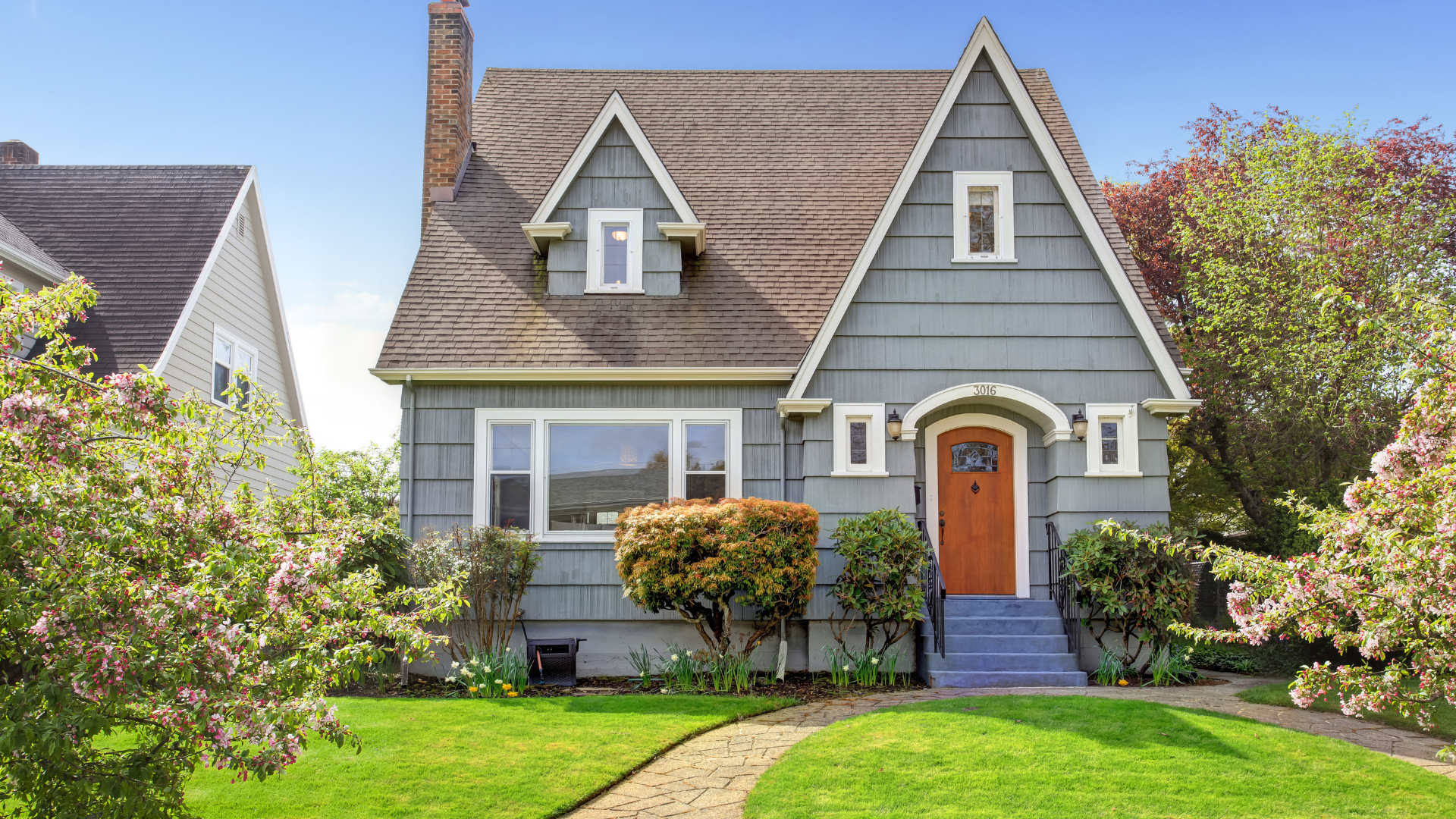
First impressions matter, and the exterior of your home sets the stage for what’s inside. Enhance curb appeal by investing in landscaping and exterior upgrades that create a welcoming and visually appealing facade.

Tips for Enhancing Curb Appeal:

  • Lush Landscaping: Plant vibrant flowers, shrubs, and trees to add color and texture to your outdoor space. Incorporate mulch, rocks, and decorative elements for added visual interest.
  • Exterior Upgrades: Upgrade your home’s exterior with fresh paint, new siding, or updated roofing. Revitalize your dull yard with the help of a company offering softwash house washing services to return your siding, decks, and pavers to their former glory. Enhance architectural features with decorative accents and lighting fixtures for added curb appeal.

Conclusion

Whether you’re dreaming of a backyard pool oasis, embracing eco-friendly upgrades, or incorporating smart home technology, the possibilities are endless in 2024. So why wait? Start envisioning your dream home today and make it a reality this year!

Budgeting for Your Dream Home: Tips for Cost-Effective House Building

Ah, the dream of building your own home! It’s like crafting a personal piece of paradise. But let’s be real: the road to creating your haven can be littered with budget pitfalls and expense landmines. Fear not! I’m here to share some savvy tips to keep your bank account smiling as you embark on this exciting journey.


Understanding Your Budget

1. Start with a Clear Picture

First things first, get a grip on your finances. How much can you really afford to spend? This isn’t just about the money you have in the bank; consider your stable income, ongoing expenses, and yes, those sneaky little emergencies that like to pop up unannounced. You also need to look at the costs in your area too, for example, the average cost to build a house in PA, so you know what you’re working with.

2. Dream Big, Plan Smart

Dream home doesn’t mean a fantasy castle (unless you can afford one, then by all means!). Balance your desires with reality. Companies like Kopper Creek Homes Montrose (or other similar services elsewhere) tend to specialize in helping homeowners achieve their dream homes while staying within budget. They understand that smart planning is key to realizing your vision. For instance, you might be asking yourself if you would like to have a marble foyer. That is a great option but maybe opt for less expensive tiles especially if you plan on budgeting. As such, with expert guidance, you can prioritize luxury elements while making savvy choices in other areas, ensuring your dream home is both beautiful and attainable.

Choosing the Right Team

3. The Golden Rule of Hiring

Building a solid team for any construction project is crucial, involving architects, builders, and contractors. However, it’s essential not to settle for the first option you come across. Conduct thorough research, compare different professionals, and don’t hesitate to negotiate terms that work best for your project and budget. Keep in mind that the highest price doesn’t necessarily guarantee the best outcome. Instead, prioritize expertise, reliability, and a track record of successful projects. By investing time in selecting the right team members, including a skilled general contractor, you ensure that your construction project progresses smoothly and achieves the desired results within your means.

4. Communication is Key

It’s crucial to ensure that your team understands and shares your vision clearly. Clearly articulate your expectations and objectives from the outset, leaving no room for ambiguity. Keep communication channels open and encourage regular updates and feedback from all team members. Misunderstandings in construction projects can lead to costly delays, errors, or rework, impacting both the timeline and budget. By fostering a collaborative environment where everyone is aligned on the project’s goals and details, you enhance the likelihood of a successful outcome. Effective communication ensures that everyone is on the same page, minimizing misunderstandings and maximizing efficiency throughout the construction process.

Designing on a Budget

5. Function Over Frills

When planning the construction of speculative or custom homes in Chester County, PA, or one in your location, it’s essential to prioritize functionality over purely aesthetic considerations. While features like extra-large windows may appear visually striking, it’s crucial to assess whether they serve a practical purpose beyond enhancing the appearance. Consider factors such as natural light distribution, energy efficiency, and how the space will be utilized daily.

6. Energy Efficiency for the Win

Think long-term savings. Energy-efficient designs might cost more upfront, but they’ll save you a bundle in the long run. For instance, well-insulated walls and windows can minimize heating and cooling costs throughout the year by maintaining consistent indoor temperatures. Similarly, energy-efficient appliances use less electricity or water, reducing monthly utility expenses. These savings accumulate over the years, offsetting the initial higher costs of energy-efficient upgrades.

Managing the Building Process

7. Stay on Top of Things

Regular site visits during construction are essential for ensuring project success and preventing costly mistakes. By regularly inspecting the construction site, you can actively monitor progress, assess work quality, and address any potential issues or discrepancies before they escalate.

8. Flexibility Saves Money

Be flexible. Sometimes, things won’t go as planned. Adapting can save you more than insisting on something that’s proving to be a budget buster.

Finishing Touches

9. DIY Decor

When it comes to interior decoration, your creativity can save you tons. DIY projects can be fun and give your home a unique touch.

10. Second-Hand Treasures

Don’t underestimate thrift stores and flea markets. Some of the best, most character-filled items can be found for a fraction of the cost of new ones.

Expanded Budgeting Insights

11. Future-Proofing Your Home

Think about the future. Will your family grow? Might you need a home office later? Designing with future needs in mind can save you from expensive remodeling down the line.

12. Insurance and Taxes

Don’t forget the less exciting but crucial aspects like property taxes and insurance. These can significantly impact your overall budget, so factor them in early.

In-Depth Team Selection

13. Check References Thoroughly

Before signing on the dotted line with a contractor or architect, dive deep into their references. Happy former clients are usually a good sign of a job well done.

14. Emphasize Local Expertise

Local builders often have insights into cost-saving materials and design elements that are specific to your area’s climate and geography.

Smart Design Choices

15. Multi-Functional Spaces

Incorporating multi-functional rooms in your home design offers practicality and efficiency, particularly in optimizing space and budget. For example, a guest room that doubles as a study serves dual purposes without the need for separate dedicated spaces. This approach not only saves on square footage but also reduces construction costs associated with building additional rooms.

16. Opt for Timeless Over Trendy

Choose designs that are timeless. Timeless designs have enduring appeal that transcends passing trends, ensuring that your home maintains its aesthetic charm and value over the years without becoming dated.
Trendy designs, while appealing initially, can quickly become outdated as design trends evolve. This can necessitate costly updates or renovations to keep up with current styles, which may not align with your long-term vision or budget.

Construction Management

17. Understand Material Costs

Get a basic understanding of material costs. This knowledge helps in making informed decisions and can prevent being overcharged.

18. Regular Budget Reviews

Regular budget reviews during the construction phase are essential for proactive financial management. By scheduling these reviews at key milestones, such as before starting new phases or after completing significant portions of the project, you can effectively monitor expenses and identify potential budget overruns early on.

Eco-Friendly and Cost-Effective

19. Rainwater Harvesting Systems

Installing a rainwater harvesting system is a sustainable choice that offers both environmental benefits and cost savings. This system collects rainwater from rooftops or other surfaces, storing it for future use in landscaping, irrigation, or even household purposes like toilet flushing or laundry.

20. Use Local Materials

Opt for locally sourced materials. It offers dual benefits: it reduces transportation costs and is environmentally friendly. By choosing materials sourced nearby, you minimize the carbon footprint associated with transportation, as well as support local businesses and economies.

The Final Stages

21. Landscaping on a Budget

Landscaping can be done gradually. You can start with foundational elements, such as establishing a basic lawn and perhaps planting a few trees or shrubs. It can create a functional and aesthetically pleasing landscape while managing costs over time. Also, begin by assessing your immediate needs and priorities for the outdoor area. This could involve clearing and leveling the terrain, seeding or laying sod for a lawn, and installing basic irrigation if necessary. These foundational steps provide a clean canvas for future landscaping projects. By partnering with a reputable Landscaping company, you can turn this vision into reality. They can provide expertise in planning and executing landscaping projects, ensuring that each element, from lawn installation to plantings and irrigation, everything is handled professionally.

22. Quality Over Quantity

When furnishing your home, prioritizing quality over quantity is a wise approach. Opting for a few well-made pieces rather than numerous lower-quality ones ensures that your furniture not only looks good but also lasts longer and performs better over time.

Wrapping It Up

23. Celebrate the Small Wins

Enjoy the process! Each step brings you closer to your dream home. From conceptualizing the initial design to finalizing construction details, every decision and progress made brings you closer to realizing your vision.

24. Patience Pays Off

In the realm of home building, patience proves invaluable. Rushing decisions can frequently result in unforeseen expenses and complications. When you take your time to carefully consider each step, you allow for thorough planning and assessment of options.

Conclusion

Building your dream home doesn’t have to be a wallet-draining nightmare. With smart planning, a clear budget, and a dash of creativity, you can turn the home of your dreams into a beautiful reality. So, roll up your sleeves, put on your thinking cap, and let’s make that dream home happen without breaking the bank! ğŸ-︟’°ğŸ

The Future of Kitchen Design: Innovations and Trends

The heart of every home, the kitchen, is undergoing a fascinating transformation as we step into the future of kitchen design. In this blog post, we’ll explore some exciting innovations and trends that are reshaping the way we think about kitchens. From two islands in one kitchen to sustainable materials and smart appliances, the kitchen of tomorrow is a place where form meets function with a dash of style and comfort.

Trend 1: Two Islands, One Kitchen

Imagine a kitchen with not one, but two islands! It’s a trend that’s making waves in the world of kitchen design. Here’s why kitchens with two islands are catching on:

  1. Increased Workspace: Having two islands means more countertop space to work on. Whether you’re preparing a family dinner or hosting a gathering, extra workspace is always a plus.
  2. Multifunctional Zones: One island can be dedicated to meal prep, while the other serves as a breakfast bar or a space for guests to gather around. It creates a seamless flow in the kitchen.
  3. Design Aesthetics: Two islands can be designed in different styles, materials, or colors, adding visual interest and character to the kitchen.
  4. Entertaining Made Easy: When you have two islands, it’s easier to keep the cooking area separate from the social space, making it a breeze to entertain while you cook.

Trend 2: Sustainable Materials Take Center Stage

In the future, making kitchens sustainable is really important. People who own homes and designers are starting to use eco-friendly materials more and more. They do this because it’s good for the environment and it looks nice too. Even when homeowners work with renovation experts, like the ones at www.bkpatterson.co.nz, they often talk about using sustainable materials in their kitchen designs. Here are some of the sustainable materials that are among the top choices:

  • Bamboo Countertops: Bamboo is a rapidly renewable resource that’s gaining popularity as a countertop material. It’s durable, stylish, and eco-friendly.
  • Recycled Glass Backsplashes: Glass backsplashes made from recycled bottles and jars are not only visually stunning but also reduce waste and energy consumption.
  • Cork Flooring: Cork is not just for wine bottles; it’s also an excellent flooring choice. It’s soft underfoot, resistant to moisture, and harvested from sustainable cork oak trees.
  • Reclaimed Wood Cabinets: Reclaimed wood brings warmth and character to your kitchen. Using wood from old barns or factories reduces the demand for new timber.

Trend 3: The Rise of Smart Appliances

In the modern era, the kitchen of tomorrow emphasizes convenience and efficiency. It’s becoming increasingly common for people to turn to Luxury Designer Kitchens From Nicholas Anthony or similar companies to revolutionize cooking experiences and interactions within kitchen spaces. Here are some exciting advancements:

  • Connected Refrigerators: These refrigerators can let you know when you’re running low on certain items, helping you create shopping lists. Some even have built-in cameras so you can see what’s inside without opening the door.
  • Voice-Activated Controls: Imagine telling your oven to preheat or asking your fridge for a recipe while your hands are covered in flour. Voice-activated controls make it possible.
  • Induction Cooktops: Induction cooktops are not only energy-efficient but also safer to use. They heat up instantly and cool down quickly, reducing the risk of burns.
  • Smart Faucets: Smart faucets with touchless controls not only save water but also make cleaning up a breeze.

Trend 4: Minimalism and Open Shelving

Simplicity is the name of the game in the future of kitchen design. Minimalist kitchens with open shelving are becoming increasingly popular for several reasons:

  • Airy and Spacious Feel: Open shelving creates an open and spacious atmosphere, making your kitchen feel less cluttered.
  • Easy Access: With open shelves, everything you need is within arm’s reach, making cooking and meal prep more efficient.
  • Showcasing Decor: Open shelves allow you to display your favorite dishes, cookware, and decorative items, adding a personal touch to your kitchen.
  • Less Maintenance: Cabinets with doors require handles and knobs, which can collect dirt and grime. Open shelving is easy to clean and maintain.

Trend 5: Mixed Materials for Texture and Contrast

Kitchen designers are embracing the concept of mixing and matching materials to create visual interest and depth in kitchen spaces. Here’s how:

  • Contrasting Countertops: Pairing dark countertops with light cabinets or vice versa creates a striking contrast that adds drama to your kitchen.
  • Textured Backsplashes: Textured backsplashes made from materials like subway tiles, shiplap, or 3D tiles add dimension to your kitchen walls.
  • Matte Finishes: Matte finishes on appliances and Kitchen and Bathroom Cabinets are gaining popularity due to their modern and sleek appearance.
  • Metallic Accents: Copper, brass, and black stainless steel are making a comeback as accents in kitchen hardware, faucets, and lighting fixtures.

Trend 6: Integrated Technology for a Seamless Look

In the future, technology in the kitchen is seamlessly integrated into the design, rather than standing out as an eyesore. Here’s how it’s being done:

  • Hidden Charging Stations: Charging stations for devices are concealed within drawers or cabinets, keeping your kitchen clutter-free.
  • Under-Cabinet Lighting: LED lighting strips under cabinets provide both functional illumination and a touch of modernity to your kitchen.
  • Appliance Garages: Appliance garages are cleverly designed storage areas that keep countertop appliances out of sight when not in use.
  • Smart Storage Solutions: Cabinets with pull-out shelves, pantry organizers, and deep drawers maximize storage and keep everything in its place.

Trend 7: Biophilic Design for a Natural Touch

Biophilic design, which incorporates natural elements into the kitchen, is gaining traction for its calming and inviting ambiance:

  • Indoor Plants: Bringing in potted plants or herbs adds a refreshing touch of greenery to your kitchen, improving air quality and reducing stress.
  • Natural Light: Designing kitchens to maximize natural light through large windows or skylights creates a warm and inviting atmosphere.
  • Organic Materials: Using materials like wood, stone, and natural fibers in your kitchen design adds a tactile connection to nature.

Nevertheless, if we are not happy with how our kitchen looks or functions, no worries! Remodeling opens up a world of possibilities. With smart appliances making tasks easier, a mix of materials adding charm, and open shelving bringing simplicity, a reliable Kitchen remodeling company can build us a kitchen that’s more than just a cooking space. Whether we want to make it more efficient, update its style, or just give it a fresh feel, remodeling allows us customize our kitchen to suit our changing tastes and needs.

As we peer into the future of kitchen design, we see a world where functionality, sustainability, and aesthetics come together seamlessly. From the convenience of smart appliances to the beauty of mixed materials and the simplicity of open shelving, these trends are shaping kitchens that are not just spaces for cooking but also for living, entertaining, and creating cherished memories.

So, whether you’re planning a kitchen remodel or simply daydreaming about your dream kitchen, these innovations and trends are sure to inspire you to create a kitchen that’s perfect for your needs and style.

How to Boost Curb Appeal: Enhance Your Home’s Value

When it comes to homeownership, the exterior of your property is just as important as the interior. The curb appeal of your home is the first impression that visitors and potential buyers get, and it can significantly influence their perception of the property’s value and overall appeal. A well-maintained and attractive exterior can instantly elevate the aesthetic appeal of your home, making it more inviting and potentially increasing its market value.

There are several key elements that contribute to a home’s exterior appeal. A lush, well-manicured lawn sets the stage, creating a welcoming and inviting atmosphere. Strategically placed lighting can highlight architectural features and landscaping while also enhancing safety and security. Outdoor living spaces, such as a deck, a patio, or even an Inground pool, provide additional areas for relaxation and entertainment, adding to the overall appeal and functionality of the property. The right combination of these elements can transform your home’s exterior into a true showpiece, leaving a lasting impression on all who visit.

Boosting Curb Appeal: Practical Tips

  1. Landscaping Magic

Landscaping is one of the most effective ways to enhance your home’s curb appeal. Well-manicured lawns, colorful flower beds, and neatly trimmed shrubs can instantly transform your property. Here are some landscaping tips to consider:

– Lawn Care: Keep your lawn healthy and green by regular mowing, fertilizing, and addressing any bare patches.

– Flower Beds: Plant seasonal flowers that add bursts of color throughout the year. Mulch the beds to maintain a polished look.

– Tree and Shrub Pruning: Trim overgrown branches and bushes to create a tidy and inviting appearance.

– Pathways and Driveway: Repair any cracks or uneven surfaces, and consider adding decorative elements like pavers or edging.

Before carrying out any landscaping process, it’s a good idea to get a lay of the land. If there’s any foliage around, getting a tree surveyor to take a look at it could help you decide what to do. You can assess the health of your trees and then make a decision regarding the removal or preservation of the trees.

  1. Exterior Paint

A fresh coat of paint can work wonders for your home’s curb appeal. Choose a color scheme that complements your landscaping and the overall style of your home. Pay attention to the following areas:

– Front Door: Make your entrance stand out with a bold and welcoming door color.

– Exterior Walls: Repaint if necessary, and ensure there are no visible signs of peeling or cracking paint.

– Trim and Shutters: These details should be in good condition and ideally contrast with the main color of your home.

  1. Plantation Shutters: A Stylish Addition

One of the standout ways to enhance your home’s curb appeal and add value to your home is by installing plantation shutters. These versatile window coverings not only provide privacy and light control but also add a touch of elegance to your home’s exterior. Here’s why plantation shutters are an excellent choice:

– Curb Appeal: Plantation shutters have a timeless and sophisticated look that instantly elevates the exterior of your home. They create a sense of symmetry and balance that is visually appealing.

– Energy Efficiency: These shutters can also improve your home’s energy efficiency by providing insulation. They help regulate the indoor temperature, keeping your home cooler in the summer and warmer in the winter.

– Durability: Plantation shutters are built to last. They can withstand various weather conditions, ensuring your investment pays off in the long run.

– Privacy and Security: Apart from their aesthetic benefits, these shutters offer privacy and security for your home, which is an added advantage.

  1. Lighting

Proper outdoor lighting can enhance both the safety and aesthetics of your home. Consider the following:

– Entryway Lighting: Illuminate your front door and entryway with stylish fixtures. This not only looks appealing but also improves safety at night.

– Pathway Lighting: Install path lights along walkways to guide visitors and create a welcoming atmosphere.

– Accent Lighting: Use outdoor lighting to highlight architectural features, trees, or other focal points in your landscaping.

  1. Pool Maintenance

Owning a pool brings the obligation of consistent maintenance to uphold its cleanliness, safety, and durability. Ignoring this duty can lead to numerous complications like algae outbreaks, water imbalance, and equipment malfunctions. Therefore, establishing a regular maintenance regimen with the help of companies that offer immaculate Pool service is indispensable.

– Water Chemistry: It’s crucial to maintain proper water chemistry by frequently testing and adjusting pH levels, chlorine levels, alkalinity, and calcium hardness. Additionally, regular skimming, brushing, and vacuuming are imperative to eliminate debris and thwart algae growth.

– Equipment Maintenance: Conducting routine inspections and upkeep on pool equipment is essential. Cleaning the filter, examining pumps, motors, and heaters for signs of wear or damage, and addressing any issues promptly are all crucial steps.

-Other Maintenance Tasks: This encompasses maintaining the correct water levels, cleaning pool covers, and winterizing the pool as necessary. By proactively managing maintenance, you can sidestep costly repairs, prolong your pool and equipment’s lifespan, and ensure a pristine and secure swimming environment.

  1. Front Porch Makeover

Your front porch is a focal point of your home’s exterior. Give it a makeover by considering the following:

– Furniture: Invest in outdoor furniture that complements your home’s style. A cozy seating area or a porch swing can make your home feel more inviting.

– Décor: Add decorative elements such as potted plants, outdoor rugs, and colorful cushions to create a welcoming atmosphere.

– Maintenance: Ensure that your porch is in good condition by repairing any damaged boards, railings, or steps.

  1. Clean and Maintain

Regular maintenance is key to preserving your home’s curb appeal. Here are some essential tasks:

– Clean Exterior Surfaces: Pressure wash the siding, decks, and any concrete surfaces to remove dirt, mold, and stains.

– Window Cleaning: Clean your windows, including the plantation shutters, to allow maximum natural light to shine through.

– Gutter Maintenance: Keep your gutters clean and in good repair to prevent water damage and maintain a neat appearance.

– Roof Inspection: Periodically inspect your roof for any missing or damaged shingles. Address issues promptly to avoid further damage.

  1. Personal Touch

Adding personal touches to your home’s exterior can make it feel more unique and inviting:
– Propane-Fueled Fireplace: Adding a propane-fueled fireplace to your outdoor space is a great way to create warmth and ambiance without the hassle of a traditional wood-burning fireplace. In this regard, companies like Wendt Propane and Oil can help install the tank and provide the fuel you need to keep your outdoor fireplace running smoothly.

– Front Door Décor: Hang a wreath, install a seasonal doormat, or add a decorative door knocker to personalize your front door.

– Mailbox Makeover: If you have a mailbox at the curb, give it a fresh coat of paint or replace it with a stylish one that complements your home’s aesthetic.

A Step-by-Step Plan to Boost Curb Appeal

Creating a plan and tackling curb appeal enhancements step by step can make the process more manageable. Here’s a simple guide to get you started:

Step 1: Evaluate Your Property

Begin by taking a critical look at your home’s exterior. Identify areas that need improvement, from landscaping to paint and everything in between.

Step 2: Set a Budget

Determine how much you’re willing to invest in your curb appeal project. Allocate your budget to different areas based on priority.

Step 3: Plan Your Landscaping

Decide on the plants, flowers, and landscaping elements you want to incorporate. Create a planting schedule if needed.

Step 4: Exterior Repairs

Address any necessary repairs, such as fixing cracks, replacing damaged siding, or repairing your front porch.

Step 5: Painting and Shutters

Choose your exterior paint colors and consider installing plantation shutters to enhance the overall look of your home.

Step 6: Lighting

Select outdoor lighting fixtures and install them strategically to highlight your home’s best features.

Step 7: Front Porch Transformation

Decorate your front porch with comfortable and inviting furniture, and add personal touches to make it feel like home.

Step 8: Regular Maintenance

Establish a maintenance routine to keep your curb appeal looking fresh year-round.

Conclusion

Boosting your home’s curb appeal is a rewarding endeavor that not only enhances your property’s value but also creates a warm and inviting atmosphere. From landscaping and exterior paint to the addition of elegant plantation shutters, there are numerous ways to transform your home’s exterior.

What Can Be Fitted into a Bathroom

A bathroom is a place of relaxation and is one of few rooms in your entire house that allows you to take some time for yourself in a luxurious atmosphere. It is the place where you can unwind, recharge, and escape the demands of daily life. Whether soaking in a warm bath, enjoying the soothing ambiance of carefully chosen lighting, or simply taking a moment of solitude, the bathroom offers a private sanctuary for personal reflection and self-care.

To achieve the ultimate oasis, there are many different types of furniture and appliances that can be fitted into a bathroom. From cabinets and shelves to showers and toilets, there is no shortage of options that Ability Bathe bathroom fitters can offer when it comes to designing your perfect space.

If you’re unsure why investing in your bathroom is worthwhile, well, the reasons are plenty. The right bathroom can elevate your daily routine, positively impacting your overall well-being. Additionally, an upgraded bathroom not only enhances your living space but also contributes to a sense of luxury and comfort. Furthermore, when seeking inspiration, you can look at this bathroom design Cambridge from By Design or others by different companies to uncover innovative and personalized ideas that align with your vision of the perfect bathroom.

That being said, for this article, we will explore some of the most popular items that people choose to fit into their bathrooms so you can get an idea of what may work best in yours.

Storage Options

One of the most important aspects of a bathroom is storage.

Cabinets, shelves, and drawers can all be fitted to provide space for towels, toiletries, and other items. This is because they can be neatly tucked away when not in use. In addition to providing these essential items, they also add a decorative touch and can come in a variety of finishes and styles to match your décor.

You may, for instance, want an area to keep spare toilet rolls. It is good to have these close to hand for convenience. A bathroom would also seem the right place to keep a spare tube of toothpaste. This can all be taken care of in cupboards that are expertly fitted within the confined space of a bathroom.

Different Bath and Shower Options

The next thing to consider when fitting a bathroom is the type of shower or bath that you want.

If space permits, a freestanding bath can be installed to create a luxurious feel in the room. You could also go for a super deluxe option that has water jets squirting in all the right places and massaging facilities. This would provide a great opportunity for relaxation after work or to help with a medical condition that requires such relief.

As for showers, there are many different types available on the market ranging from traditional to modern designs. You can, for example, have a walk-in option which is great for anyone who struggles with mobility.

Your choice here might well be about how much time you have to spend washing your entire body. Those working will likely require a quick shower and then want to get on. However, at weekends when there is more time, a relaxing soak may be the preferred option. If you want to have the best of both worlds, then you might choose evenings instead of mornings as the time to wash for the next day.

It’s also important to remember that the various bath and shower choices available are not just about aesthetics; they depend heavily on a well-maintained plumbing system. From luxurious rain showers to classic freestanding tubs, the efficiency of these fixtures relies on the network of pipes and connections within your home. Without a robust plumbing infrastructure, the dream of a soothing soak or a refreshing shower can quickly turn into a watery nightmare. To ensure your bathroom oasis remains a place for you to relax and unwind, it’s wise to invest in quality plumbing services. For expert guidance and solutions tailored to your preferences, visit https://stillwaterplumbing.ca/ (or a similar site).

Robe Hooks, Towel Shelves, Bath Mats

Robe hooks, towel shelves, and bath mats are essential components of a well-equipped bathroom, providing both practical utility and enhancing the overall user experience. Robe hooks offer a convenient space to hang robes or towels, promoting a clutter-free environment and ensuring easy accessibility.

Towel shelves not only keep towels organized but also contribute to a tidy appearance while allowing proper air circulation for drying. Likewise, if you consider a stone bath mat, it can serve a dual purpose: it can prevent slips on wet surfaces as well as add a touch of comfort to your bathroom.

Together, these accessories optimize functionality, maintain cleanliness, and contribute to the aesthetics of the bathroom, ensuring a harmonious and comfortable space for daily routines.

Toilets and Sinks

These are essential parts of the bathroom and come in various shapes, sizes, and finishes. From timeless classics to statement pieces, there is something for everyone.

The bathroom will be somewhere guests are likely to need to frequent if they stay for any length of time. And it is very likely that you will allow them to use your luxury bathroom, so it is important that it is decorated to the highest quality.

Think about the dimensions of your sink and whether its height is accessible to small children and adults of varying sizes. Consider the size of its basin if you are required to wash your hair here. You can then go for a color that fits in with the rest of your bathroom décor.

Frequently, the bath, sink, and toilet in a bathroom will come in matching shades, especially when you opt for a complete bathroom suite all at once. Trying to match them later can be a challenging task.

Even after giving your toilets and sinks a cosmetic upgrade, it’s essential not to overlook the internal components, particularly drains, as they play a significant role in completing a bathroom. Before installing those beautiful toilets and sinks, consider getting your drains cleaned by professional drain experts. If you’re interested, you can Read more about such experts by visiting here.

Conclusion

Designing the perfect bathroom involves a thoughtful combination of practicality and aesthetics to create a space that seamlessly blends functionality with beauty. Careful consideration of elements such as layout, color scheme, and lighting can contribute to a harmonious atmosphere. Selecting the right furniture and appliances is crucial in optimizing the space for both convenience and style.

Incorporating storage solutions, such as well-designed cabinets and shelves, helps maintain a clutter-free environment, promoting organization and ease of use. Choosing durable and water-resistant materials not only ensures longevity but also adds to the overall visual appeal of the space.

The selection of fixtures and appliances should align with both your practical needs and design preferences. From elegant sinks and faucets to efficient toilets and showers, each element contributes to the overall ambiance of the bathroom. Lighting plays a crucial role in creating a relaxing atmosphere, with options ranging from bright task lighting for grooming to softer, ambient lighting for a spa-like feel.

Ultimately, the perfect bathroom is a sanctuary that reflects your personal style while offering the practicality needed for daily routines. By carefully curating each element, you can transform your bathroom into a haven of relaxation and comfort, striking a perfect balance between functionality and aesthetics.

Scroll to Top